









Why washing dries out the skin
The outer layer of the skin is held together by lipids that sit between the skin cells. They stop water from evaporating out of the skin. Cleansing agents, called surfactants, dissolve dirt and grease – and with them part of these natural lipids. Warm water adds to the effect. If you wash often, your skin has too little time to replace them. It becomes rough and tight, and cracks can form on knuckles, fingertips and between the fingers. In winter, cold and dry heated air make it even harder.
Especially affected: jobs with lots of water
In care work, catering, childcare and the trades, hands are washed many times a day or come into contact with water, cleaning products and dirt. Protective gloves worn for a long time also soften the skin, because moisture builds up underneath. Many workplaces have a skin protection plan for this: it sets out when protection, cleansing and care are due and which products to use. In areas with hygiene rules, that plan applies, including the question of when a hand cream is appropriate. The occupational health service can help with questions.
A routine through the day
| Situation | What you can do |
|---|---|
| Before your shift or in the morning | apply a thin layer of hand cream and let it absorb before work starts |
| When washing | lukewarm instead of hot water, little soap, rinse thoroughly |
| After washing | dry carefully, including between the fingers, then massage in a small amount of cream |
| During wet work | protective gloves according to the skin protection plan; cotton gloves underneath for long wear |
| Outdoors in the cold | wear gloves, apply cream beforehand |
| At night | apply a little more cream and put cotton gloves on top |
Which cream is right?
After washing, your skin mainly needs lipids that hold in moisture. A water-free cream made from oils, butters and waxes leaves a thin film on the skin that stays noticeable for longer, even after the next wash. Urea creams bind moisture and are an alternative if the skin on your hands is thickened and hard. Read more: Urea or water-free cream? and Solid cream or tube?
When to get medical advice
Hand cream cares for the skin, it does not treat medical conditions. Cosmetics do not belong on open or bleeding areas. Get medical advice if the skin is open, weeping, forms blisters or is very red, and if the problems persist despite care. If they arise at work, the occupational health service is a good first point of contact.
Frequently asked questions
How often should I apply hand cream?
Ideally after every wash, but at least morning, midday and evening. A small amount is enough; too much feels greasy.
Does a solid hand cream absorb quickly enough for work?
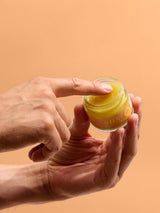
The cream softens with body heat and spreads thinly. Among reviews of the solid hand cream with beeswax that mention absorption, 54 positive comments compare with 4 critical ones.
Why cotton gloves at night?
The cream stays on your hands instead of on your bedding, and your skin gets several hours' break from washing.
Does cold water help?
Lukewarm water is a good middle ground. Hot water removes more lipids, very cold water cleans less well.
Hand care from forpeople
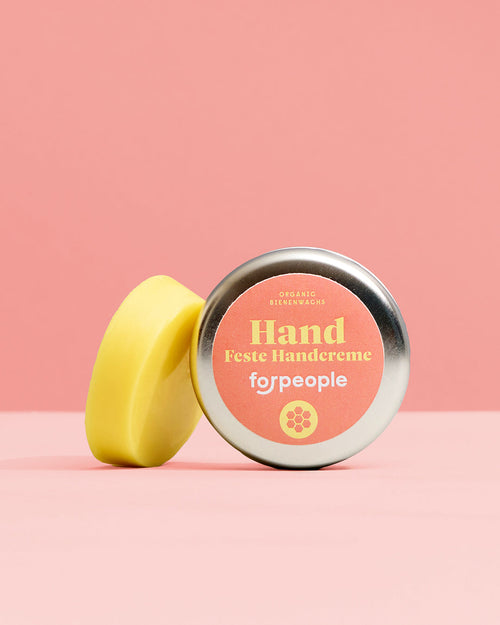
- Solid Hand Cream - Beeswax, 30 g, €9.90: water-free, made from beeswax, olive oil and sunflower oil, without essential oils. 89% of reviews give 5 stars.
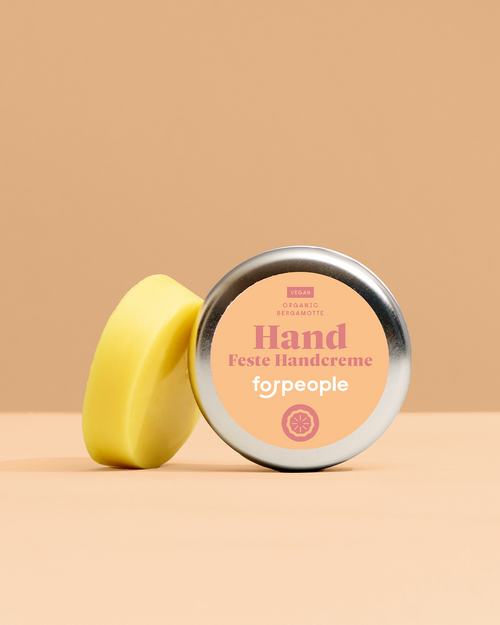
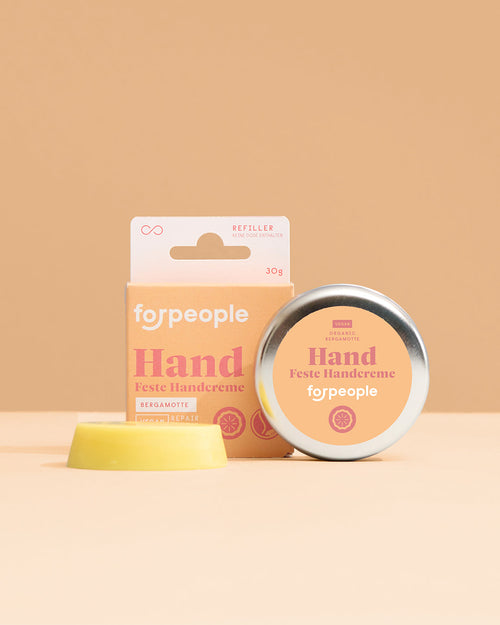
- Solid Vegan Hand Cream - Bergamot, 30 g, €9.90: vegan, with candelilla wax, jojoba oil and shea butter, scented with essential oils of lemon and bergamot.
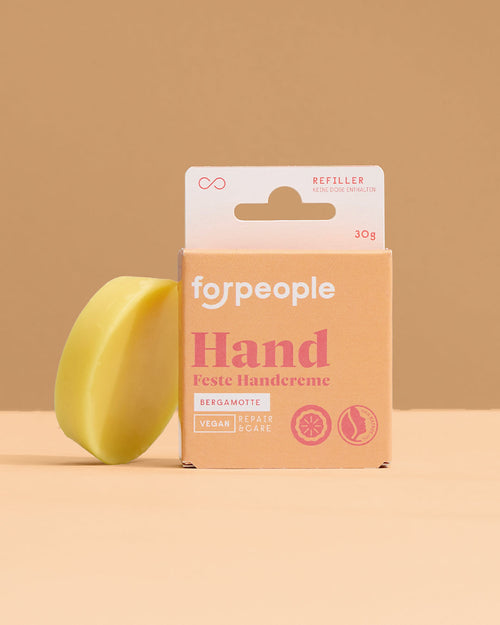
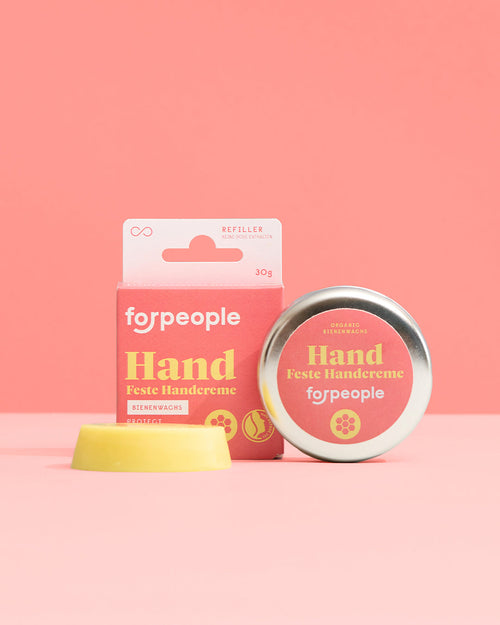
- Solid Hand Cream Refill - Beeswax and Solid Vegan Hand Cream Refill - Bergamot, 40 g each, €7.90: refillable, you keep the tin.
- Hand Care Set – For Rough, Cracked Hands (2× Solid Hand Cream), €16.90, and Vegan Hand Care Set – For Dry Hands (2× Bergamot), €16.90: for work and home.
Read more: Urea or water-free cream? · Solid cream or tube? · Beeswax in skincare · Candelilla wax or beeswax? · Refilling with a refill