Oil or serum: what is the difference?
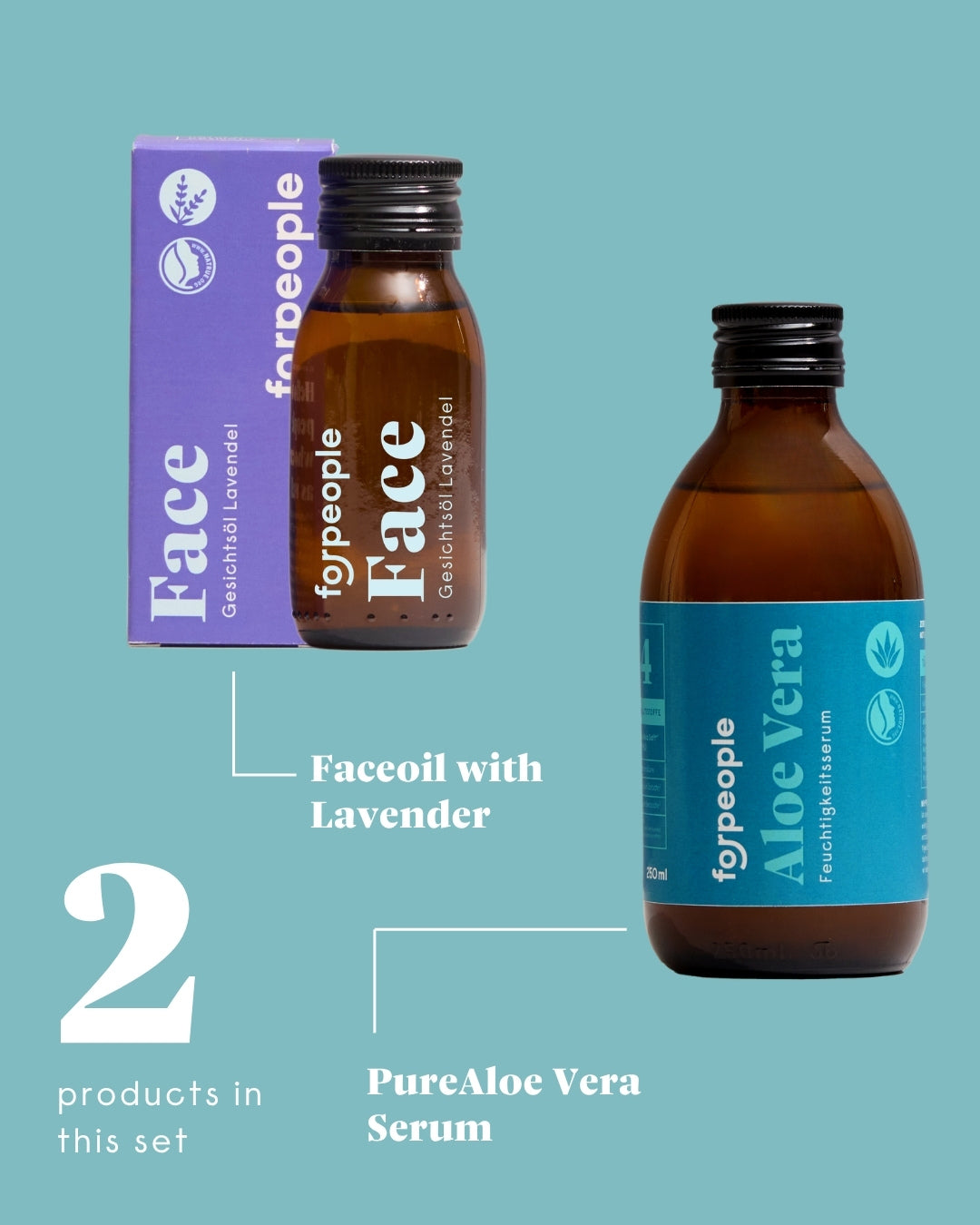
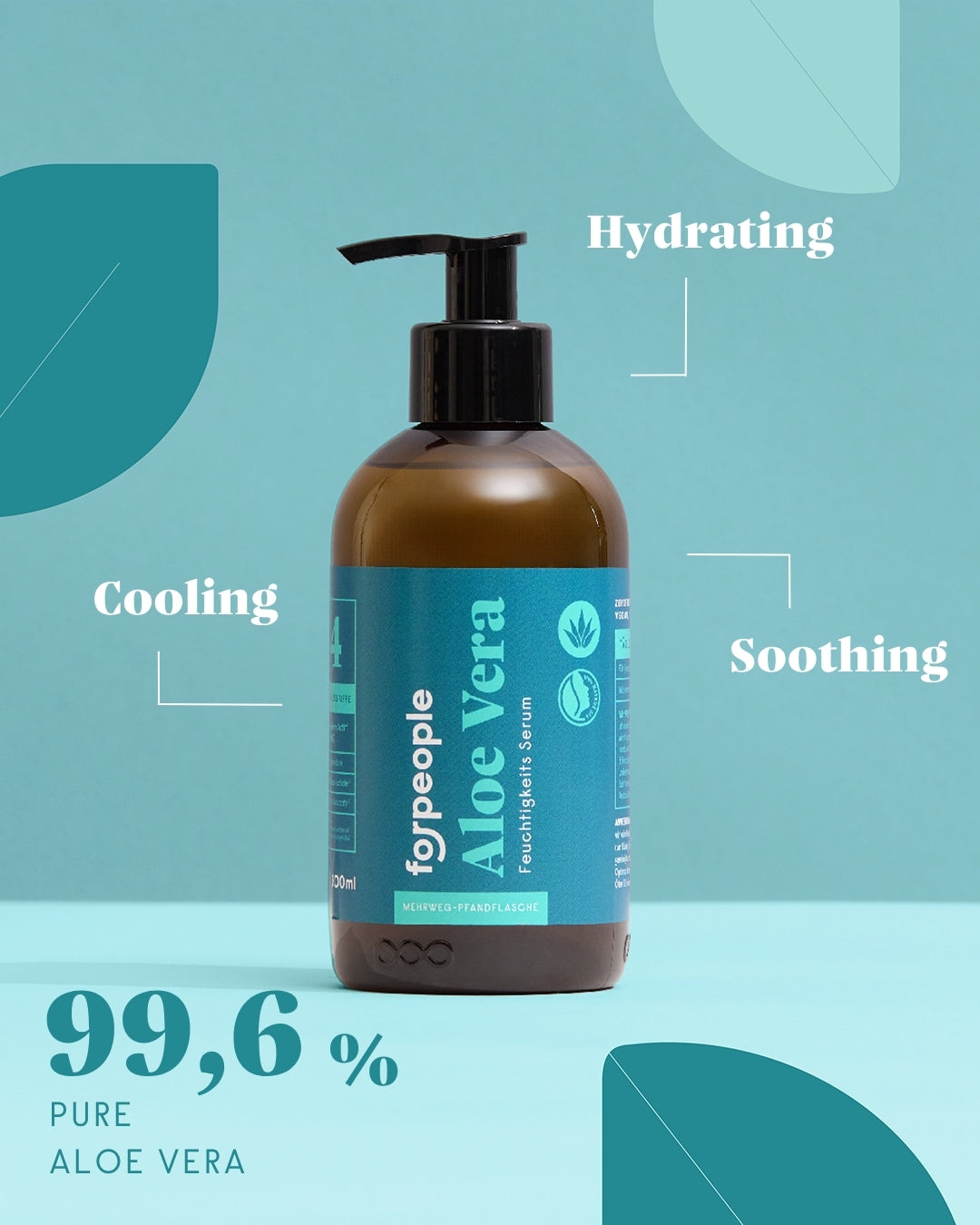
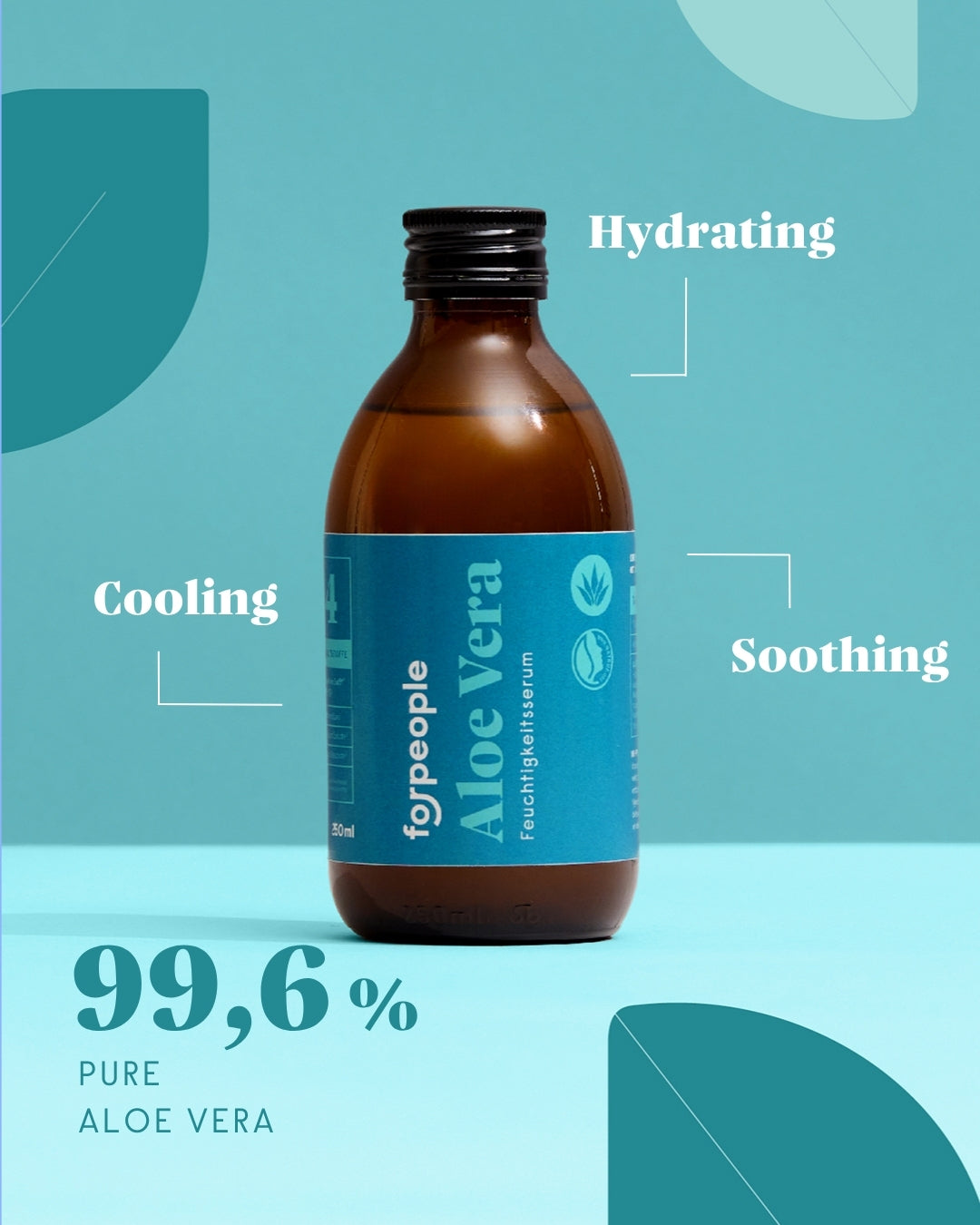
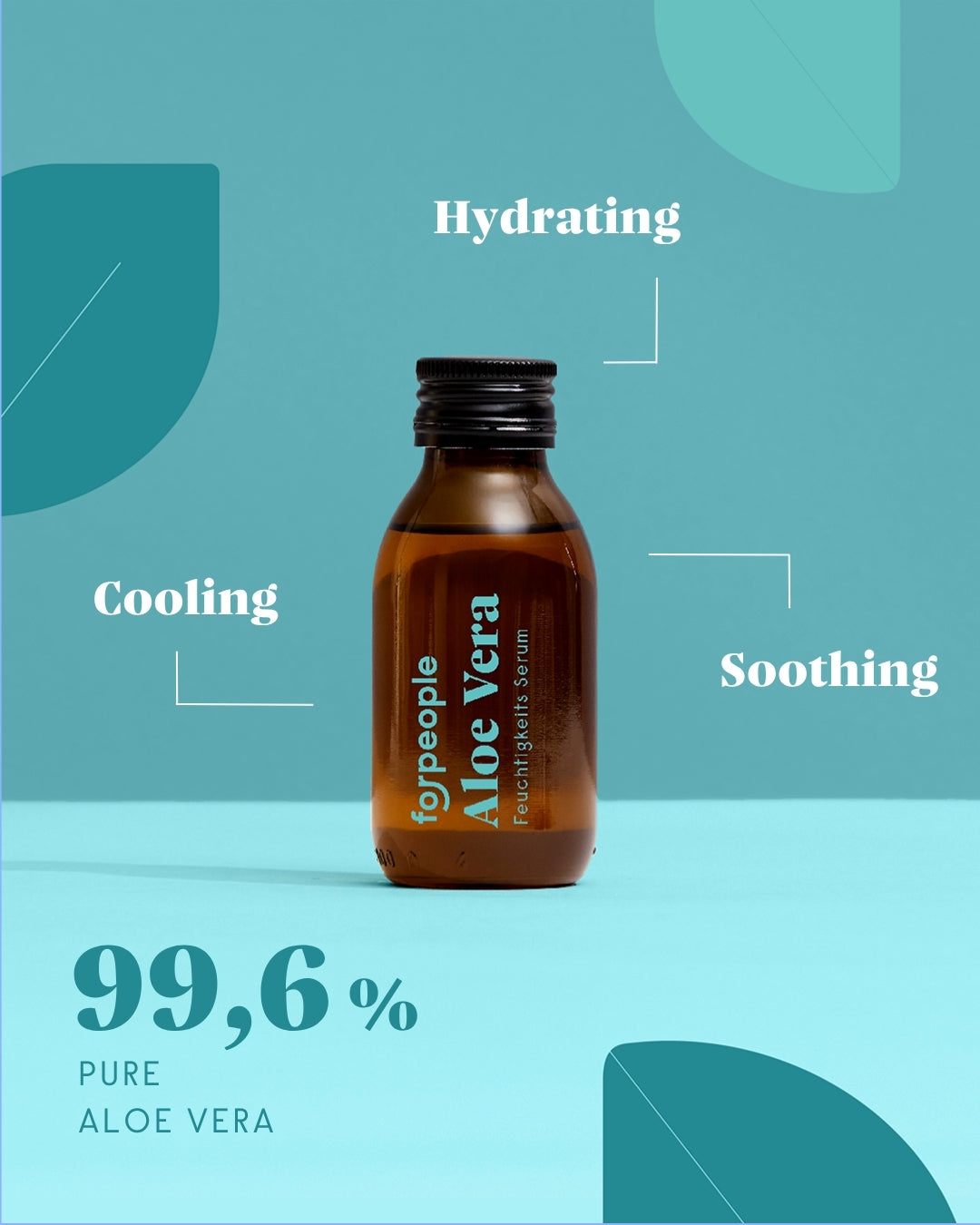
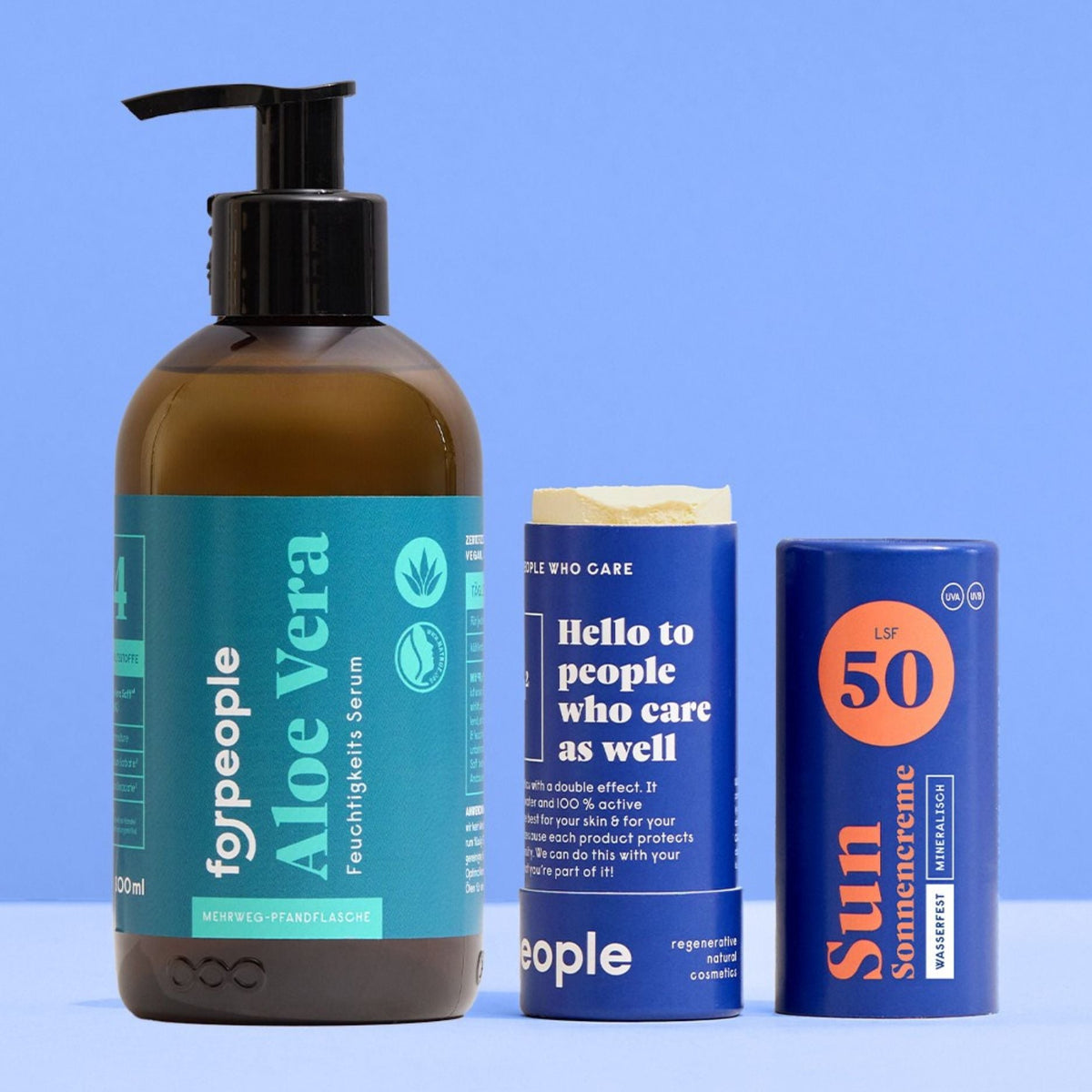
The aloe vera serum 99.6 % is water-based: organic aloe juice with citric acid and two preservatives, without a thickener and therefore liquid. An oil, on the other hand, contains no water. It forms a thin film on the skin and slows down the evaporation of water. The two work together: first the serum, then, while the skin is still slightly damp, a few drops of oil on top. The other way round, the serum beads up on the oil. The serum comes as 50 ml with a cork dropper, as 250 ml and as 300 ml with a pump. More: Combining aloe serum with oil and cream · Can face oil replace cream?
Which oil for what?
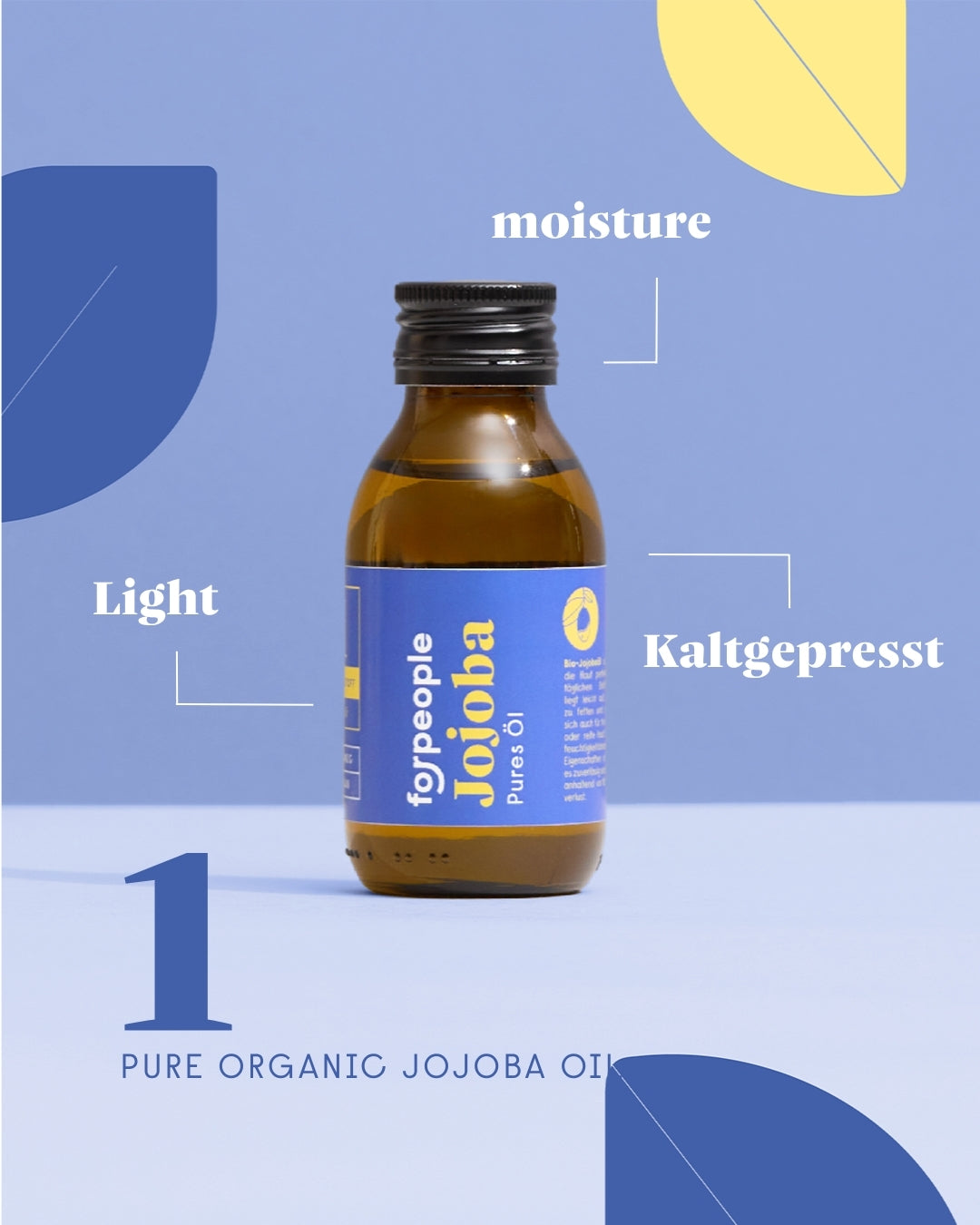
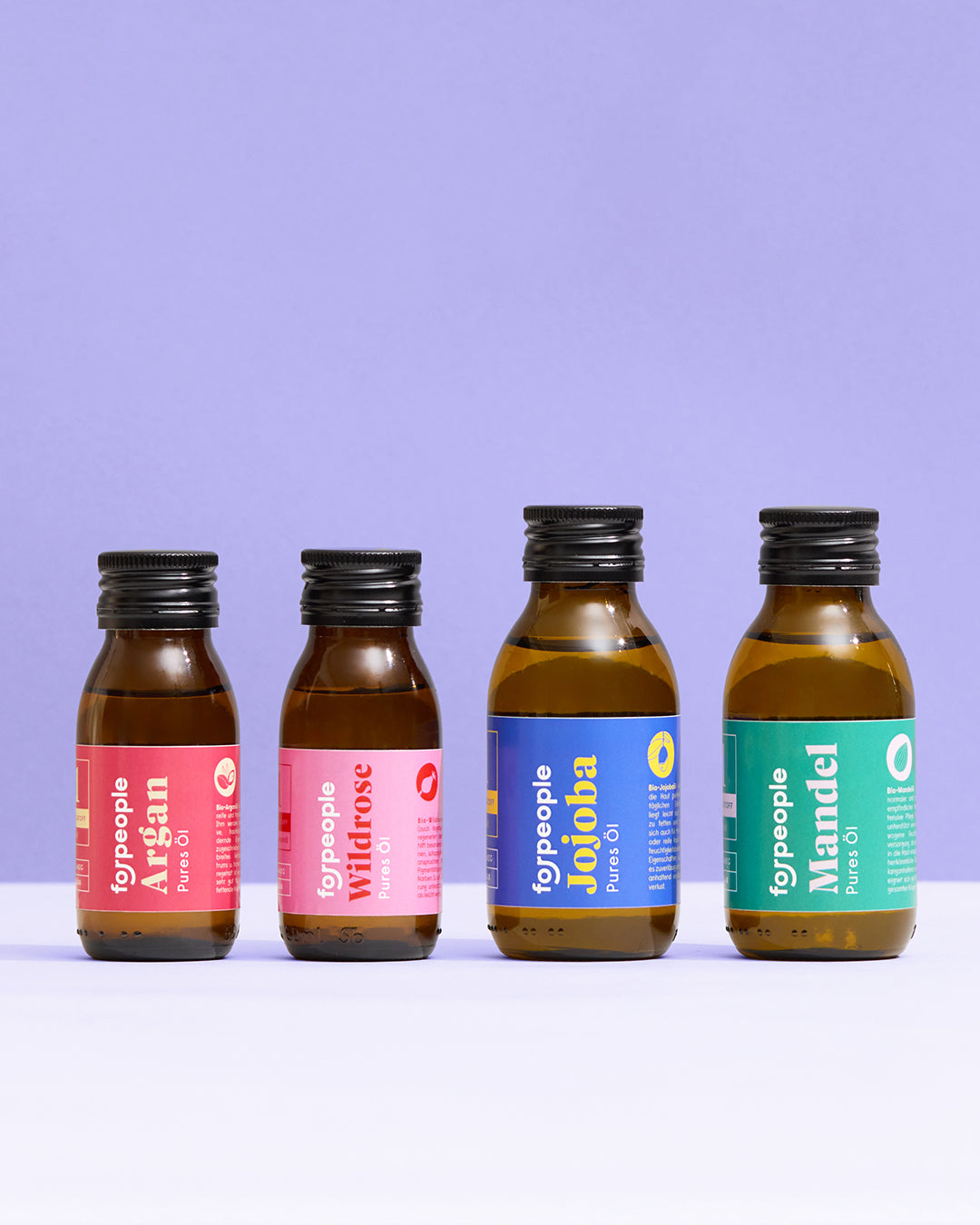
- Face, hair ends and cuticles: jojoba oil, chemically a liquid wax, thin and with no added fragrance.
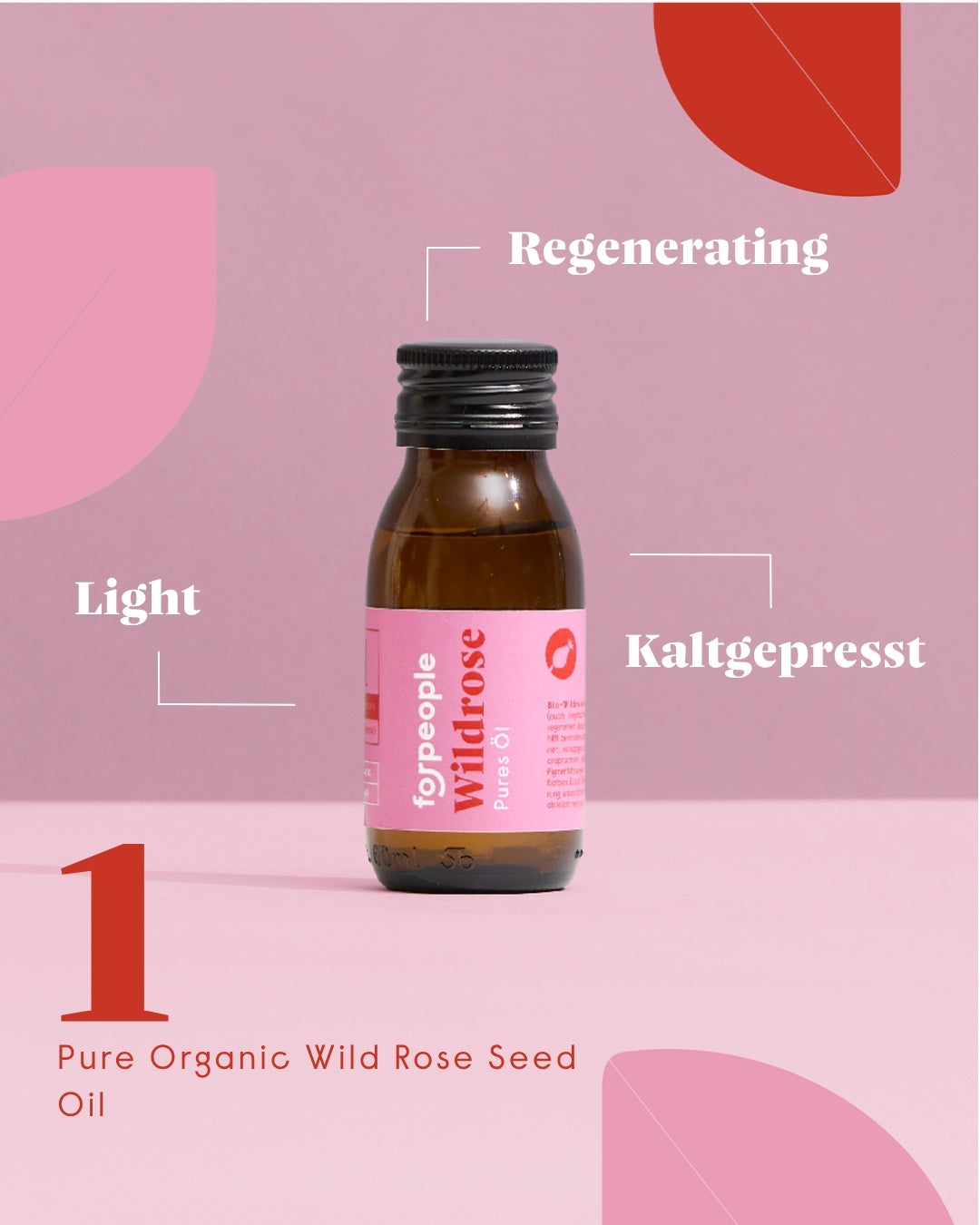
- Face in the evening: rosehip oil from the seeds of the rosehip. It is orange and can leave marks on light-coloured fabrics.
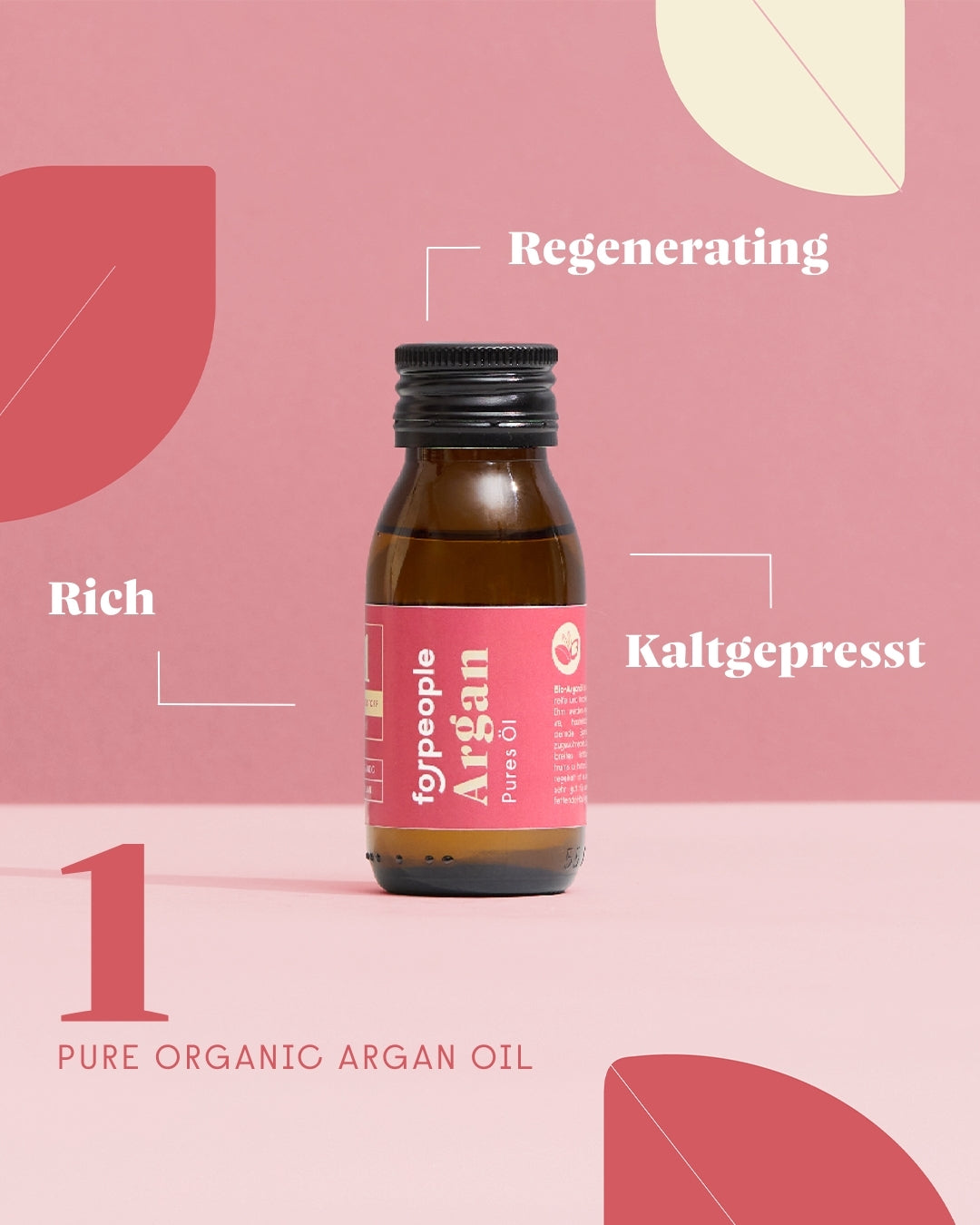
- Face, hair ends and body: argan oil with a slightly nutty to almost neutral scent of its own.
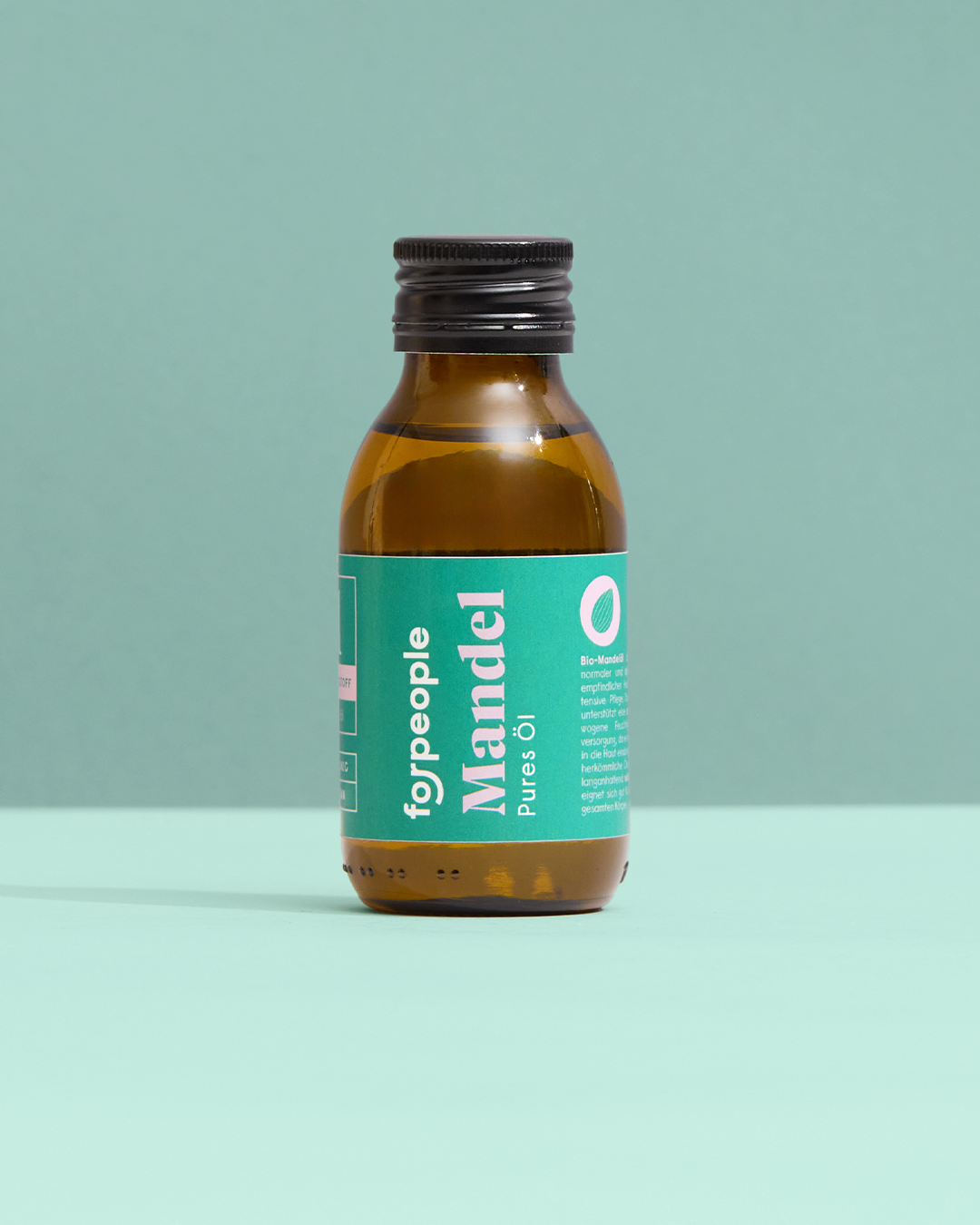
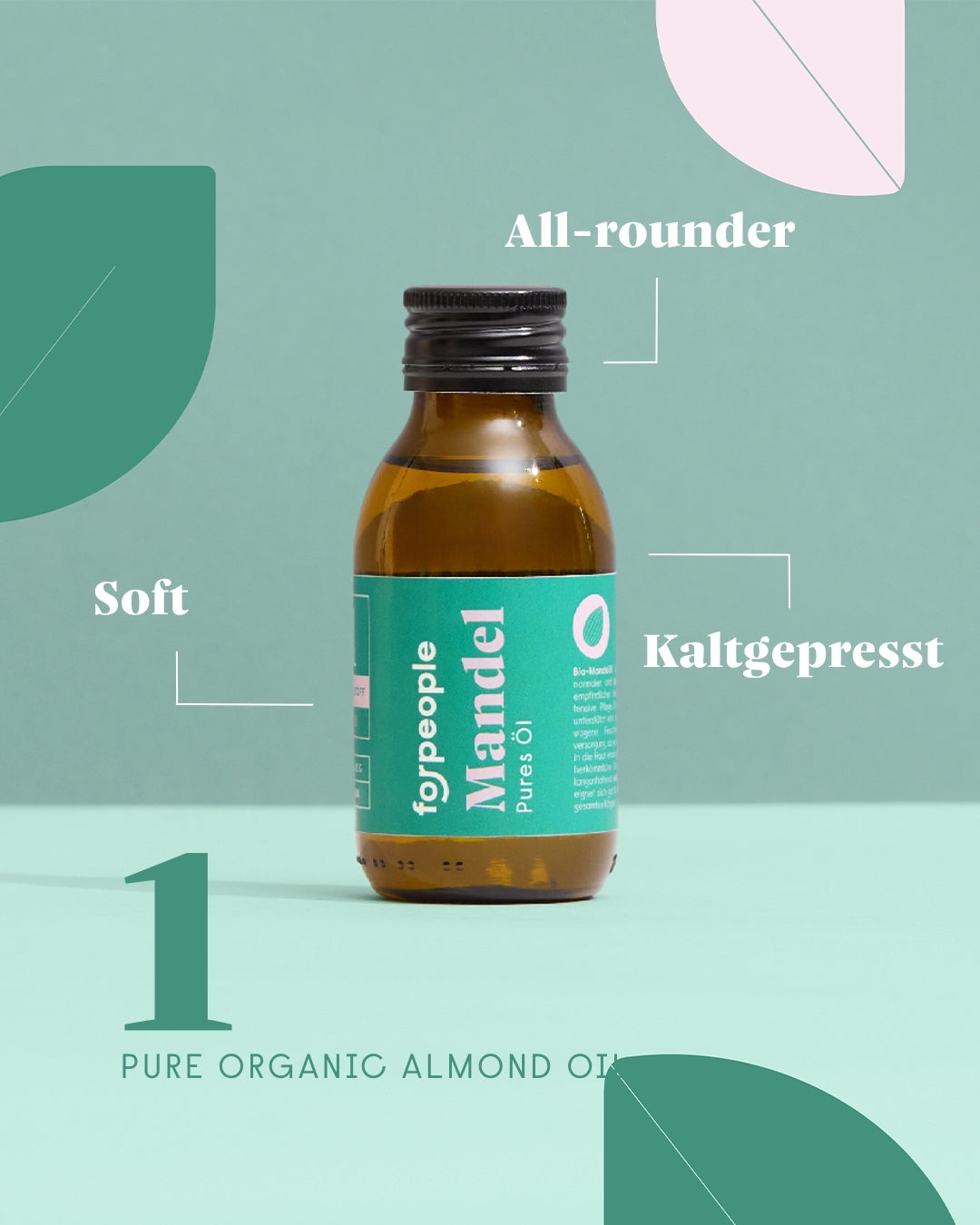
- Body and massage: almond oil, on damp skin after showering. More about this oil in Almond oil in natural cosmetics.
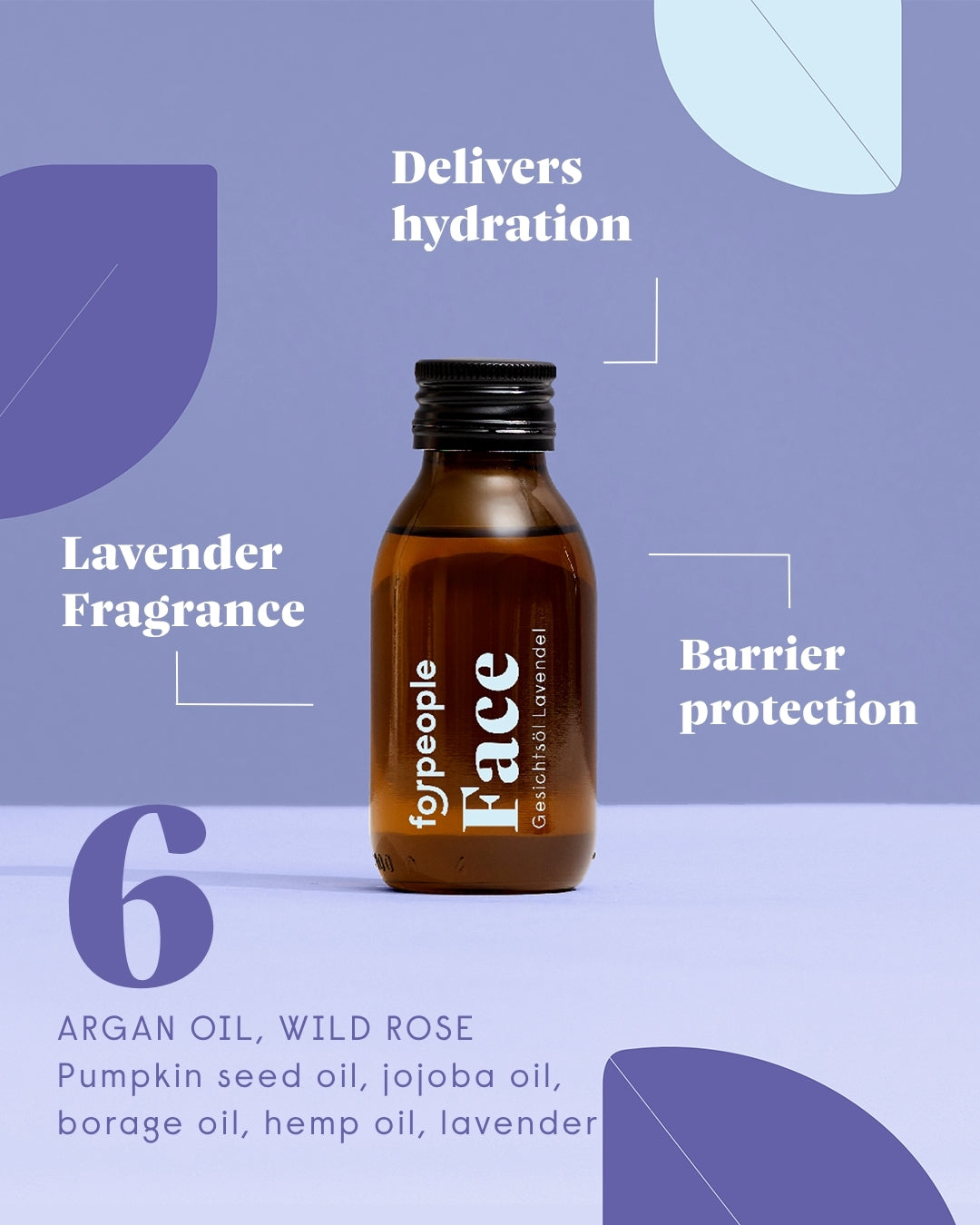
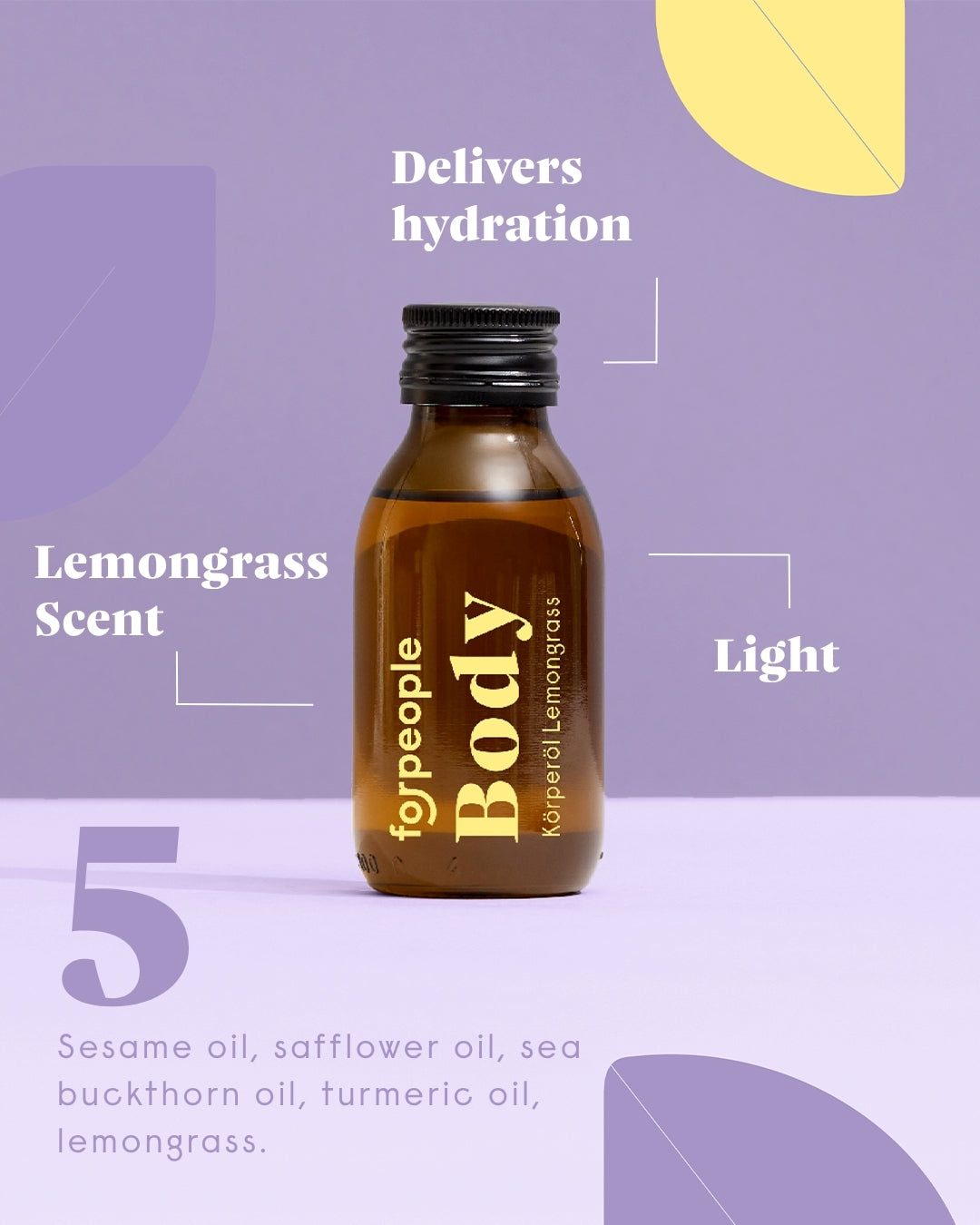
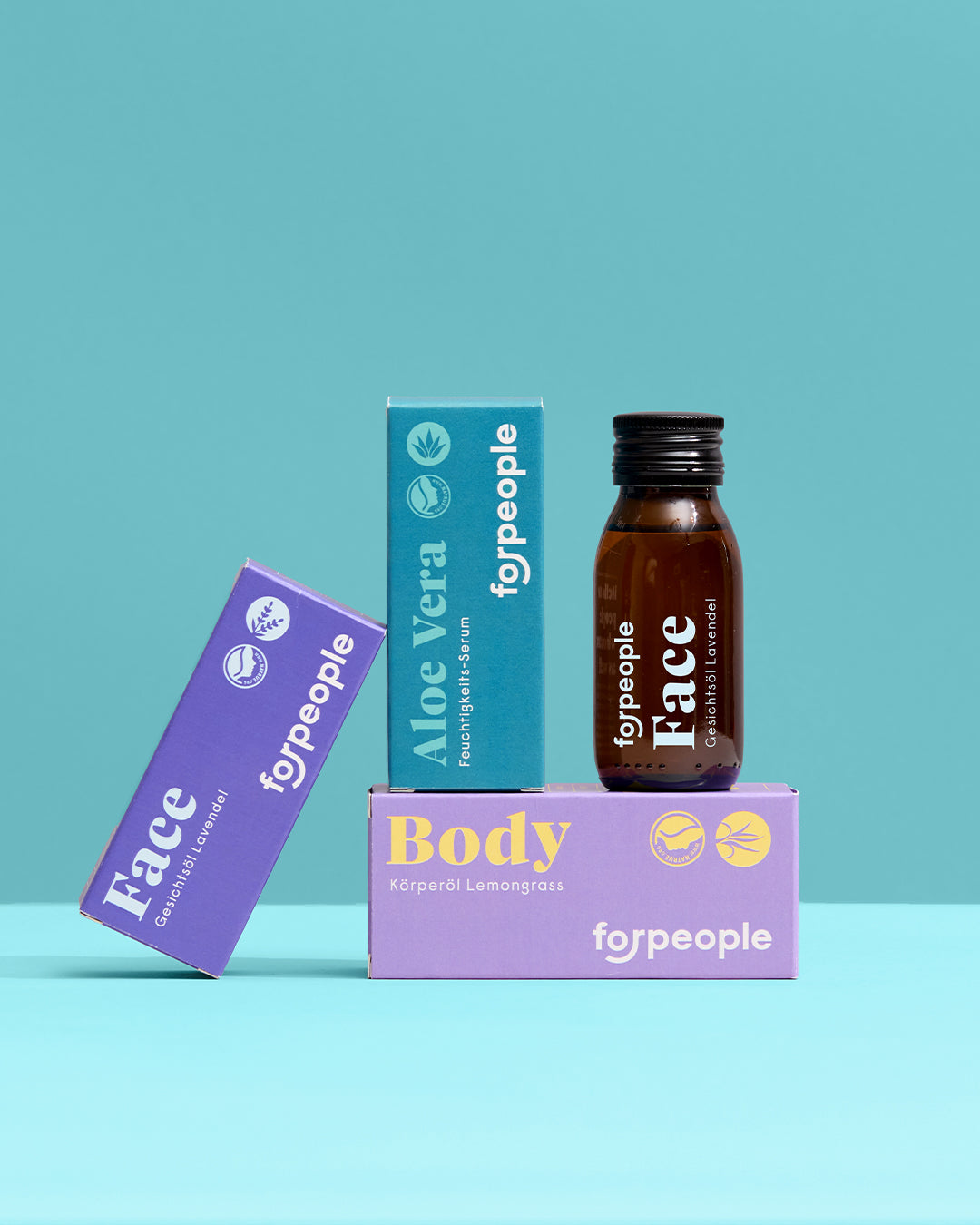
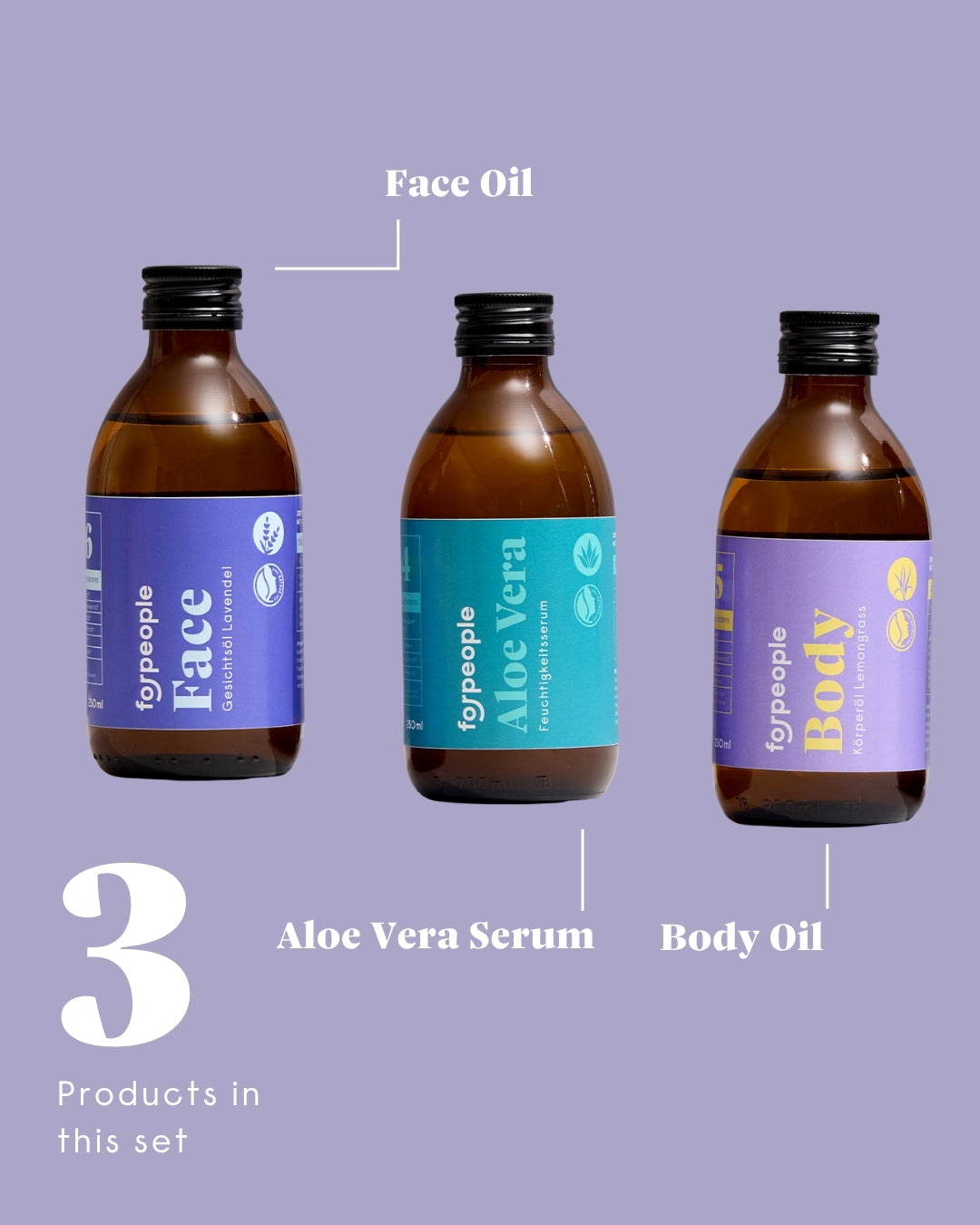
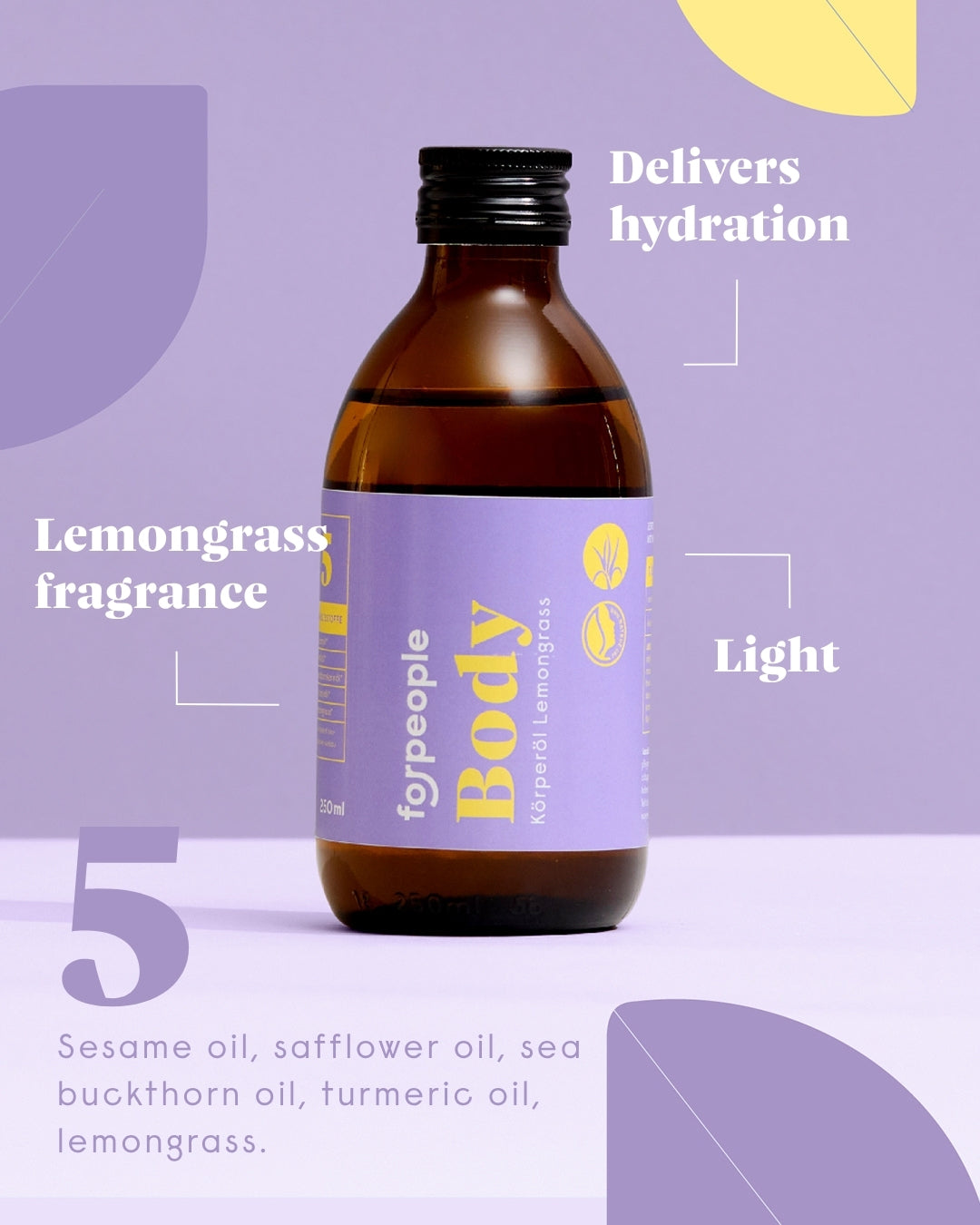
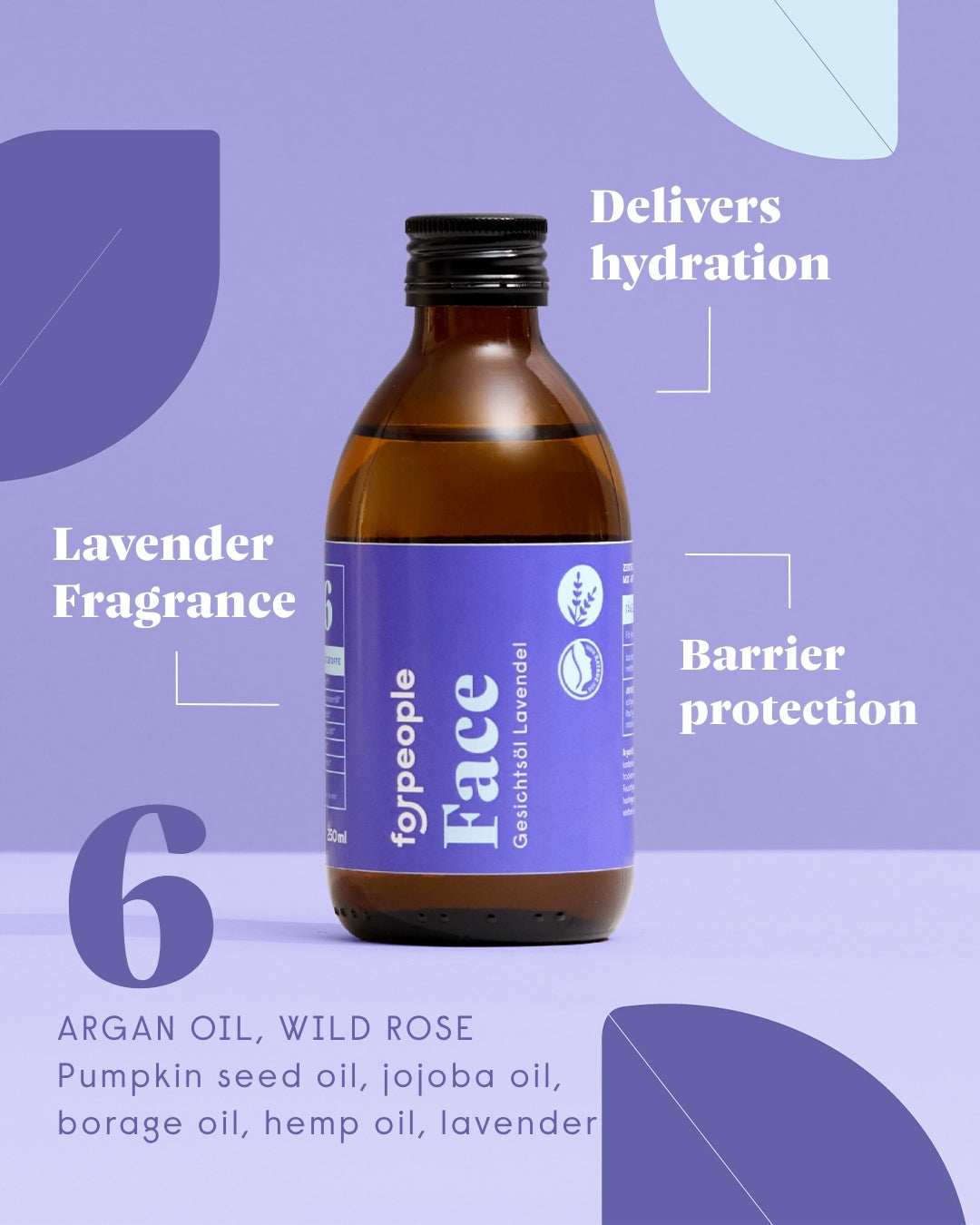
- Ready-blended: the lavender face oil made from five plant oils with lavender oil, and the lemongrass body oil with sesame, safflower and sea buckthorn seed oil.
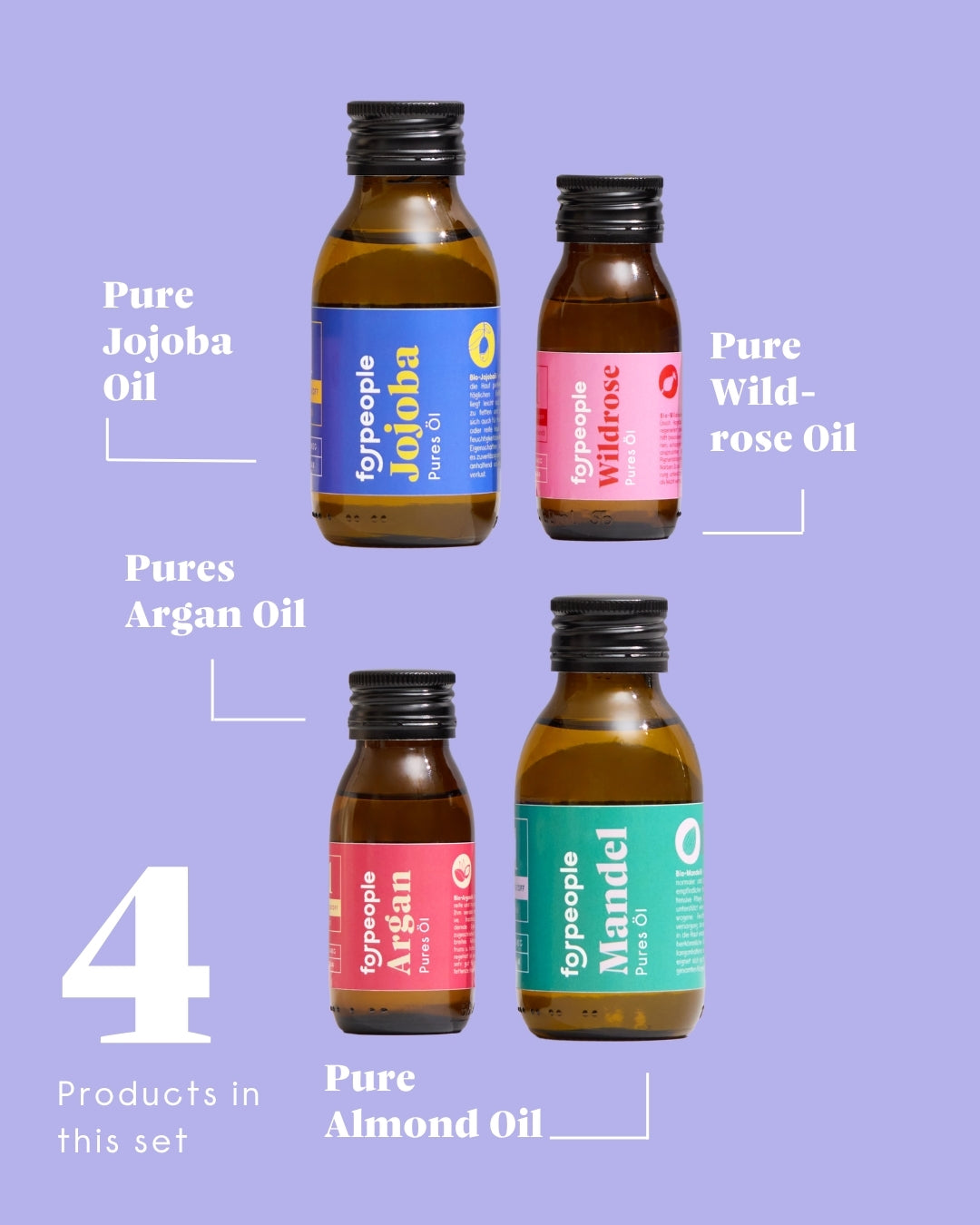
How the four pure oils differ is shown in the comparison of argan, jojoba, almond and rosehip oil. All four come together in the care oil set.
With or without fragrance?
According to the ingredient list, each of the four pure oils consists of a single oil; no fragrance is added, they only have their own natural scent. The face oil and the lemongrass body oil contain essential oils and therefore fragrance components such as linalool, limonene or citral, which are listed individually. If you react to fragrances, choose a pure oil, see Essential oils and fragrance allergens. If you are allergic to nuts or almonds, ask a doctor before using almond or argan oil. Try a new oil on a small area first: Testing new skincare on a small area.
How to use the oils
- Face: 2–4 drops in your palm, spread them between your fingers and press them onto clean, still slightly damp skin. Leave out the eye area.
- Body: straight after showering, warm a few drops in your hands and spread them over damp skin. Better to use a little and add more.
- Hair ends: 1–2 drops, see Care oil for hair ends.
- Cuticles: one drop per nail.
Tip the bottle with the cork dropper only briefly and let the oil drip into your palm, not straight onto your face. If your skin looks shiny afterwards, use less; more in Face oil for oily skin.
How do I store oils, and how long do they keep?
Keep oils tightly closed, cool and dark, and do not let water get into the bottle. How long an oil keeps after opening is stated on the packaging. Of the four, jojoba oil keeps longest; below about 7 °C it turns cloudy or solid and becomes clear again at room temperature. Rosehip oil is the most delicate and can go in the fridge once opened. If an oil smells sharp, musty or like old nuts, replace it: Recognising rancid skin oil. Keep the serum closed, cool and out of direct sunlight; it does not need to go in the fridge.
More on the topic
Body oil or body lotion? · Can I use body oil on my face? · Can jojoba oil go off? · Facial care set with serum and face oil · Blending your own face oil: ratios, scent, shelf life · Gua sha and facial massage: which oil, and how much? · Removing make-up with oil: how does it work, and which oil? · Body oil as bath oil: does it work without an emulsifier? · Which oil is suitable for a massage at home? · Mixing your own massage oil: how much essential oil per 100 ml?
Which face oil suits my skin?
For dry and mature skin, the lavender face oil made from five organic oils and pure rosehip seed oil are the ones to go for. For combination skin, choose the light jojoba oil, which spreads without an oily feel, and use only 2–3 drops. If you pay attention to fragrance components, stick to the pure oils, because the lavender face oil contains linalool and limonene. If your skin is oily, read Face oil for oily skin.
What does natural cosmetics mean for face oil?
The lavender face oil is NATRUE-certified natural cosmetics: all oils come from certified organic farming, the five plant oils are cold-pressed, and it contains no silicones or mineral oil. The pure oils each consist of a single ingredient, cold-pressed and from certified organic farming. What sets the labels apart is explained in Natural cosmetics explained.
Pure oil or a ready-blended face oil?
A pure oil has a single ingredient and no added fragrance, only its own natural scent. The lavender face oil blends argan, rosehip, jojoba, borage and hemp oil with lavender oil and has a floral scent; it costs €21.90 for 50 ml. As pure oils there are almond oil in 100 ml for €14.90, jojoba oil in 100 ml for €16.90, and argan oil and rosehip seed oil in 50 ml each for €19.90. All four pure oils come together in the care oil set for €69.90.
How long does a bottle of face oil last?
For the face, 2–4 drops are enough. The 50 ml of lavender face oil therefore last for about 180–240 applications, jojoba, argan and almond oil for about 240–280. If you use the face oil every day, it also comes in 250 ml for €79.90. How long an oil keeps after opening is stated on the packaging.