






Sebum is not the same as a care oil
Oily skin occurs when large sebaceous glands produce a lot of sebum; the skin then looks shiny and greasy (Sakuma & Maibach 2012). According to this overview, how pronounced that is depends on age, sex, diet and hot, humid climates, among other things.
Sebum is a mixture of several kinds of lipids. Triglycerides and free fatty acids together make up around 57.5 per cent, wax esters about 26 per cent and squalene about 12 per cent; the rest is cholesterol and its esters. Squalene and wax esters are what makes it special: in this form they are found nowhere else in the body (Picardo et al. 2009). A care oil has a simpler structure.
| Feature | Sebum | Plant oil (for example argan, almond, rosehip oil) | Jojoba oil |
|---|---|---|---|
| Origin | sebaceous glands of the skin | pressed from kernels or seeds | pressed from the seeds of the jojoba shrub |
| What it consists of | triglycerides and free fatty acids, wax esters, squalene, cholesterol | almost entirely triglycerides | almost entirely wax esters; see Jojoba oil: why it is a liquid wax |
With its wax esters, jojoba oil resembles one part of sebum. It is often claimed that a care oil therefore lowers or “balances” sebum production; we do not know of any solid evidence for that.
What an oil does on the skin
An oil does not bring any water with it. It sits on the stratum corneum and slows evaporation. In a study with six volunteers, four plant oils and paraffin oil penetrated only into the uppermost layers of the stratum corneum. With the plant oils, except for jojoba oil, water evaporation fell to a similar extent as with paraffin oil; the researchers speak of semi-occlusion (Patzelt et al. 2012). More on this: Occlusion and TEWL: how a wax film protects your skin.
For oily skin this means two things:
- Water can still be missing: Sebum is fat, not water. Oily skin can feel tight after washing too. A thin film of oil over damp skin holds the water for longer; more on this under Combining aloe vera serum with oil or solid cream.
- Every drop comes on top of the sebum: Whatever the stratum corneum does not take up stays on the surface as shine. That is why the amount matters more than the question of whether oil is “allowed”. How shine and a greasy feel come about is explained under Greasy or well cared for? Why creams feel greasy.
Where the comedogenicity scale comes from
Online you will find lists that assign a number to oils and other raw materials, usually from 0 to 5. It is meant to indicate how readily a substance promotes blackheads (comedones). Such ratings go back to animal experiments: raw materials and products were applied to the ears of rabbits. A much-cited paper from 1984 derived lists of ingredients from this and itself called the rabbit ear not an ideal animal model, but the best available (Fulton et al. 1984).
Three points limit how much these numbers tell you:
- The model is more sensitive: The rabbit ear reacts more strongly than human skin (Mills & Kligman 1982).
- The lists rate raw materials: Behind them was the assumption that a finished product containing such a raw material would also promote blackheads (Draelos & DiNardo 2006). The number does not tell you how much of it is in a formula.
- In humans the picture was different: When finished cosmetics were tested for four weeks on the backs of six people who tend to get blackheads, the result was: products containing ingredients regarded as comedogenic are not necessarily comedogenic themselves (Draelos & DiNardo 2006). The study is small and tested only a limited number of products.
Conversely, a low number is no promise for your skin. How it reacts over a few weeks is more reliable.
Which oil, how much, when
| Oil | Structure | How we would place it for oily skin |
|---|---|---|
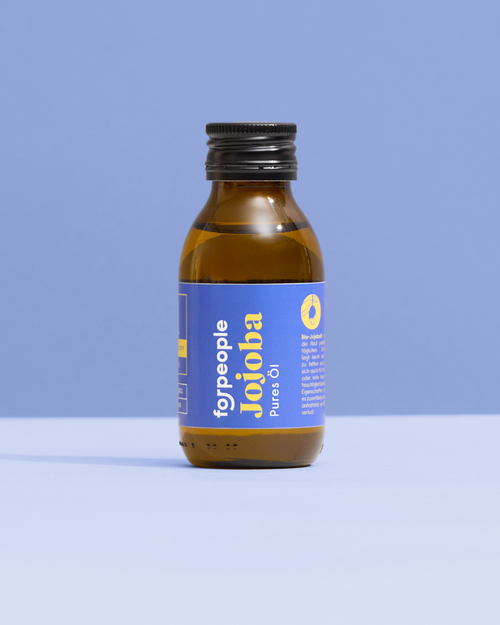
| Jojoba Oil - pure | almost entirely wax esters | thin; in the measurement mentioned above it did not slow evaporation the way the other oils did |
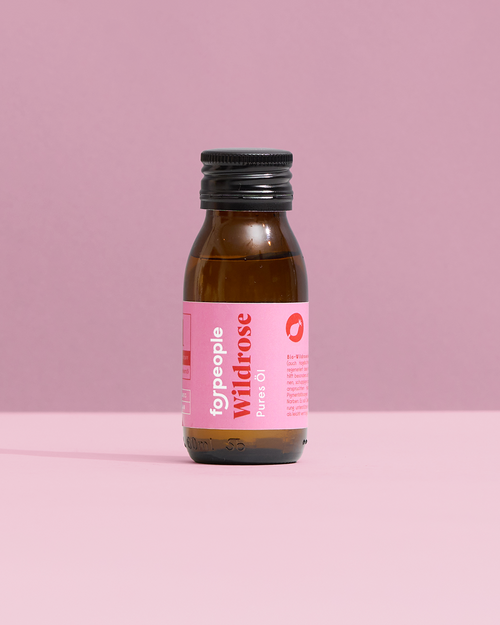
| Wild Rose Seed Oil - pure | a lot of linoleic and linolenic acid | orange in colour, better for the evening; sensitive to heat and light |
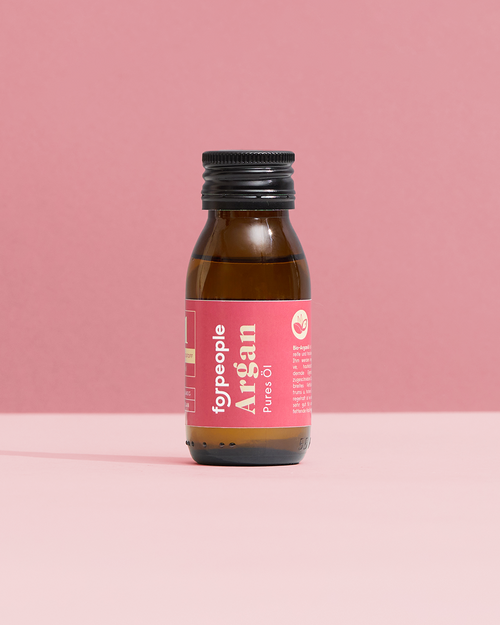
| Argan Oil - pure | oleic acid and linoleic acid | somewhere in between |
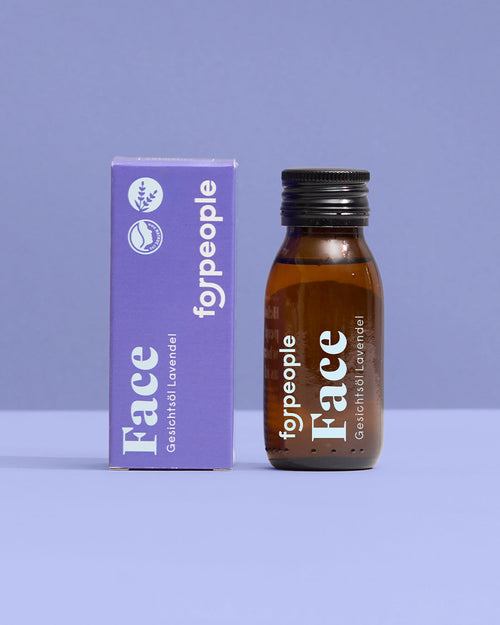
| Face Oil - Lavender | blend of argan, rosehip, jojoba, borage and hemp oil | contains lavender essential oil and is scented |
The column “How we would place it” is based on experience, not on measurements. The fatty acid shares with sources are under Argan, jojoba, almond or rosehip oil: how do they differ?
How to go about it:
- Cleanse: Wash your face in the evening; whether soap is suitable for that is covered under Can I use bar soap on my face?
- Leave it damp: Pat your skin only lightly or apply a water-based serum.
- One or two drops: Put them in your palm, rub them between your fingers and press your hands onto your face instead of rubbing. The product pages mention two to four drops depending on the oil; with oily skin you start below that.
- Mind the zones: Cheeks and neck first. Forehead, nose and chin only get what is left on your hands.
- In the evening: A slight shine does not matter overnight. In the morning, one drop is enough, if any.
- Check: If your skin is still clearly shiny after ten minutes, it was too much.
- Test anything new first: How to do that is shown under Trying a new product: how do I test it on a small area?
When should you seek medical advice?
Shine and the odd blackhead are a cosmetic matter. Seek medical advice if spots are inflamed or painful, if lumps form, if you suspect acne or if your skin suddenly changes a lot. A care oil is not a treatment for that. If your skin reacts to a product with redness or burning, stop using it; if the reaction persists, have it checked by a doctor.
What customers say
A selection of verified reviews from our shop (collected via Judge.me), translated from German and partly shortened.
“The oil is very pleasant […], easy to apply without being too greasy, I can only recommend it”
Customer review of Face Oil - Lavender, 5 out of 5 stars, April 2026, verified purchase
“I love this face oil. […] I like to mix in another 2-3 drops of aloe gel, which adds a cool, fresh effect.”
Customer review of Face Oil - Lavender, 5 out of 5 stars, December 2025, verified purchase
Frequently asked questions
Does my skin produce less sebum if I apply oil?
We do not know of any solid evidence for that. The amount of sebum depends on age, sex and climate, among other things (Sakuma & Maibach 2012). What has been shown is that a film of oil slows the evaporation of water.
Does face oil clog pores?
There is no general answer to that. The numbers from raw material lists come from experiments on rabbit ears and say little about a product on your skin. Watch your skin over a few weeks.
How many drops do I need with oily skin?
Start with one or two drops for the whole face, on damp skin. If there is still shine after ten minutes, use less next time.
Can I mix the oil with aloe vera serum?
Yes, in your palm and only the amount you apply straight away. Do not mix the two in advance: water and oil separate again, and the mixture has not been tested for shelf life.
My skin is shinier after the oil or gets more blackheads. What should I do?
Use less and leave out forehead, nose and chin. If nothing changes, stop using the oil. In our analysis of the reviews from September 2026, 37 reviews of the Face Oil praised how it absorbs and 9 were critical; skin reacts differently.
I do not want any scent. Which oil suits me then?
A pure oil. According to their ingredient lists, jojoba, argan and rosehip seed oil consist only of the oil itself. The Face Oil - Lavender contains lavender essential oil; the list also shows linalool and limonene for it. Background: Essential Oils and Fragrance Allergens and Without fragrance and essential oils: ingredients at a glance.
At forpeople
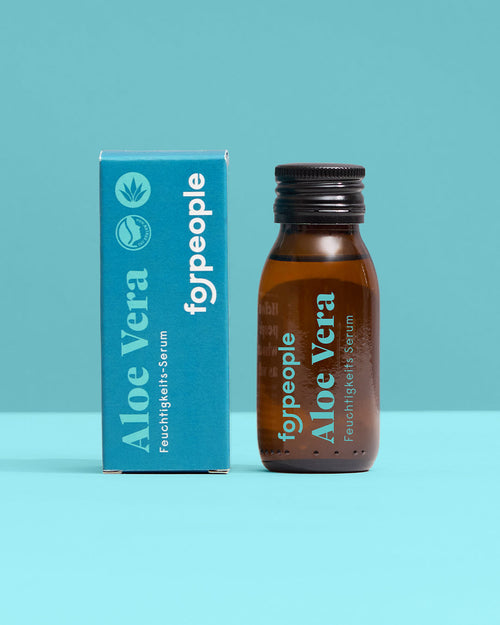
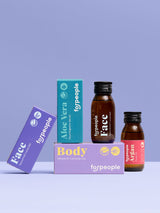
The Face Oil - Lavender (50 ml, €21.90) is a blend of five oils with lavender essential oil. The product page mainly mentions dry and mature skin; on oily skin you use it sparingly. The Jojoba Oil - pure (100 ml, €16.90) contains no essential oils and is thin. The Wild Rose Seed Oil - pure (50 ml, €19.90) should be kept cool and dark once opened; more on this under How to tell if a skin oil is rancid. As a water-based layer underneath, the Aloe Vera Serum 99.6% (50 ml, €9.90) is a good fit; it contains water from the aloe juice and is preserved.
More on this: Argan, jojoba, almond or rosehip oil: how do they differ? · Jojoba oil: why it is a liquid wax · Combining aloe vera serum with oil or solid cream
From the blog: Aloe Vera Serum: What It’s Really Good For – and What It Can’t Do
Sources
- Picardo M, Ottaviani M, Camera E, Mastrofrancesco A (2009): Sebaceous gland lipids. Dermatoendocrinol 1(2): 68–71. https://doi.org/10.4161/derm.1.2.8472
- Sakuma TH, Maibach HI (2012): Oily skin: an overview. Skin Pharmacol Physiol 25(5): 227–235. https://doi.org/10.1159/000338978
- Patzelt A, Lademann J, Richter H, Darvin ME, Schanzer S, Thiede G et al. (2012): In vivo investigations on the penetration of various oils and their influence on the skin barrier. Skin Res Technol 18(3): 364–369. https://doi.org/10.1111/j.1600-0846.2011.00578.x
- Fulton JE Jr, Pay SR, Fulton JE 3rd (1984): Comedogenicity of current therapeutic products, cosmetics, and ingredients in the rabbit ear. J Am Acad Dermatol 10(1): 96–105. https://doi.org/10.1016/s0190-9622(84)80050-x
- Mills OH Jr, Kligman AM (1982): A human model for assessing comedogenic substances. Arch Dermatol 118(11): 903–905. https://pubmed.ncbi.nlm.nih.gov/7138047/
- Draelos ZD, DiNardo JC (2006): A re-evaluation of the comedogenicity concept. J Am Acad Dermatol 54(3): 507–512. https://doi.org/10.1016/j.jaad.2005.11.1058