



What the cuticle is and what it is for
The nail sits in a frame of skin folds. The rear fold, the proximal nail fold, lies over the nail root. Its underside is called the eponychium and forms the cuticle proper (Haneke 2015). This cuticle grows out onto the nail plate as a thin, horny rim and seals the transition between skin and nail.
Because the cuticle is made of horny material, it behaves like the outermost layer of the skin: with enough water and fat it is soft and elastic; dried out, it becomes brittle, lifts and tears. In everyday language, anything sticking out at the edge of the nail is called cuticle. Three different things are meant:
| Term | What it is | How to handle it |
|---|---|---|
| Cuticle | Thin horny rim that grows from the nail fold onto the nail | Care for it, do not cut it off; at most push it back carefully with a cloth after a shower |
| Nail fold | Living fold of skin around the nail | Include it when applying cream; never cut or pick |
| Hangnail | Strip of skin sticking out at the side or back of the nail fold, not a piece of nail | Do not tear off; trim close to the base, then apply care |
Why cuticles dry out so quickly
The cuticle is thin and sits exactly where water and soap reach every time you wash your hands, but where cream often does not. During washing, surfactants remove fats from the stratum corneum and interact with its proteins; alkaline solutions also make the stratum corneum swell (Ananthapadmanabhan et al. 2004). The stratum corneum takes up a lot of water: in one measurement it was up to twice as thick after 90 minutes of hydration as before (Egawa et al. 2007). When it dries afterwards, it loses this water again, and exactly this alternation between swelling and drying out makes the thin cuticle crack.
Other triggers are cold and heated air, washing up and cleaning without gloves, nail polish remover, paper and cardboard, and picking at skin that sticks out. If you work with water a lot, you will find more in Cracked hands from washing and Rough hands from washing up.
How to care for dry cuticles
The stratum corneum needs water to stay supple and for the uppermost cells to shed normally; if it is too dry, it becomes rough and flaky (Rawlings & Harding 2004). Fats and oils hold this water best when applied to slightly damp skin (Sethi et al. 2016). This gives a simple routine:
- After washing your hands: Pat your hands dry, then massage a small amount of hand cream or salve into the cuticles and nail folds with your thumb. Circular movements, a few seconds per finger.
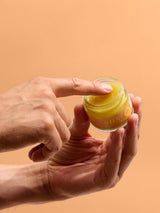
- In the evening: Put a drop of oil on each cuticle and massage it in. Then add a thin layer of salve on top so that the oil does not evaporate or rub off straight away.
- Once a week: After a shower, when the cuticles are soft, push them back carefully with a soft cloth. Do not scrape with metal sticks.
- In everyday life: Wear gloves when washing up and cleaning. Do not pick at or bite your cuticles.
How much cream to use and how to spread a solid cream is shown in How to apply solid cream properly. For more intensive care overnight: Overnight hand mask.
Oil, salve or hand cream?
| Care product | Strength | When it makes sense |
|---|---|---|
| Pure oil (e.g. jojoba, almond, argan oil) | Spreads well into small grooves, makes the outer skin layer supple | In the evening, as the first layer |
| Wax-based salve | Forms a film that stays on longer | In the evening over the oil, or on its own on very dry areas |
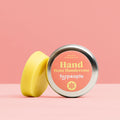
| Solid hand cream | Practical on the go, easy to apply precisely with your fingertip | During the day after every hand wash |
Chemically, jojoba oil is a liquid wax and goes rancid only slowly; more in Jojoba oil: why it is a liquid wax. How to tell whether an oil is still fresh is shown in How to tell if a skin oil is rancid.
Hangnails: trim, do not tear
A hangnail is a narrow strip of skin that comes loose from the nail fold and sticks out. If you pull on it, the strip often tears further into the living skin. Better:
- Wash your hands and let the area soften briefly.
- With clean small nail scissors or cuticle nippers, trim the protruding part close to its base. Only the dead, protruding piece, not into the pink skin.
- Then massage a salve or hand cream into the area so that the edges do not dry out and lift again.
If the area is already open or bleeding, do not apply cream; keep it clean and leave it alone. Recurring hangnails are almost always a sign that the cuticles are too dry. Then the care routine above helps more than any trimming.
When to seek medical advice
- The nail fold is red, swollen, warm, throbbing or clearly painful.
- Pus appears or the redness spreads.
- The area does not improve after a few days.
- The cuticle is missing entirely, or the nail changes colour, shape or surface.
- The problems keep coming back even though you care for your cuticles consistently.
These are not cases for a care cream but for a medical examination.
Frequently asked questions
Can I cut my cuticles?
Better not. The cuticle seals the transition between nail and skin. Cutting leaves rough edges that tear again more quickly. Care for it instead and, at most, push it back carefully after a shower.
Can I cut off a hangnail?
Yes, that is better than tearing it off. Trim only the protruding, dead part close to its base with clean scissors and apply cream to the area afterwards.
What helps dry cuticles overnight?
A drop of oil on each cuticle with a thin layer of wax-based salve on top. If you like, wear cotton gloves over it.
Is cuticle oil better than hand cream?
Not better, just different. Oil spreads well into fine grooves, a salve or solid cream lasts longer. They work best combined.
Can I use a lip balm stick for my cuticles?
Yes. A wax-based stick can be applied precisely and fits in any pocket.
At forpeople
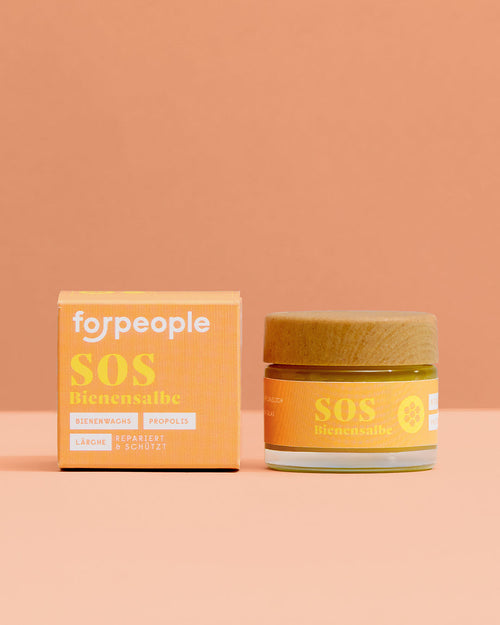
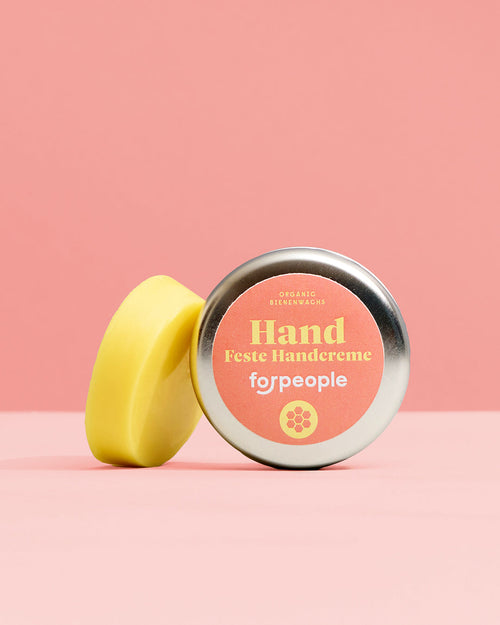
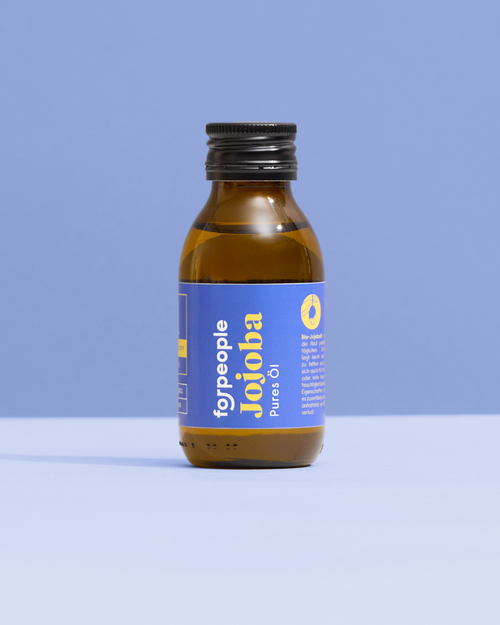
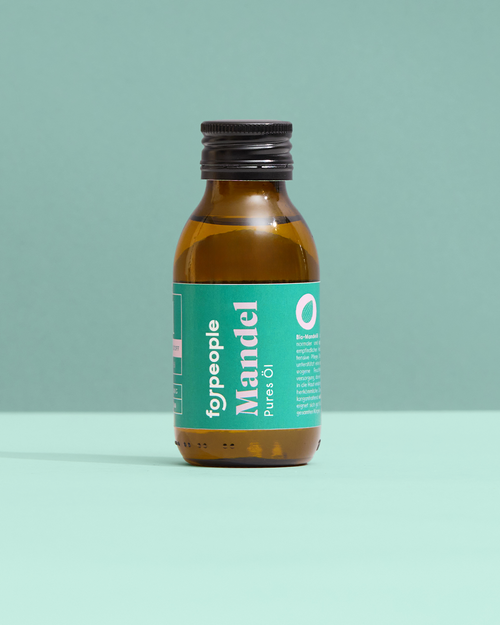
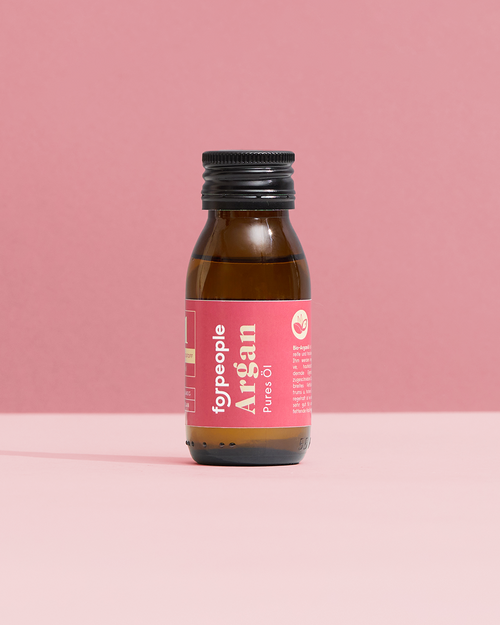
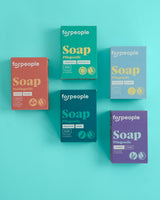
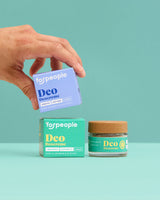
For evening care, the Beeswax Salve Larch & Mandarin in a Glass Jar (50 g, €12.90) with olive, almond and castor oil, beeswax, larch resin and propolis is a good fit; if you are sensitive to resin or propolis, read the allergy notes first. During the day, the Solid Hand Cream - Beeswax (30 g, €9.90) works well; according to its INCI list it has no added fragrance. As an oil for the cuticles we offer cold-pressed single oils without additives: Jojoba Oil - pure (100 ml, €16.90), Almond Oil - pure (100 ml, €14.90) and Argan Oil - pure (50 ml, €19.90). More on this: Cracked fingertips in winter · Peeling skin on your fingers · Dry hands despite moisturising · Hygiene with water-free cosmetics
Sources
- Haneke E (2015): Anatomy of the nail unit and the nail biopsy. Semin Cutan Med Surg 34(2): 95–100. https://doi.org/10.12788/j.sder.2015.0143
- Ananthapadmanabhan KP, Moore DJ, Subramanyan K, Misra M, Meyer F (2004): Cleansing without compromise: the impact of cleansers on the skin barrier and the technology of mild cleansing. Dermatol Ther 17 Suppl 1: 16–25. https://doi.org/10.1111/j.1396-0296.2004.04s1002.x
- Egawa M, Hirao T, Takahashi M (2007): In vivo estimation of stratum corneum thickness from water concentration profiles obtained with Raman spectroscopy. Acta Derm Venereol 87(1): 4–8. https://doi.org/10.2340/00015555-0183
- Rawlings AV, Harding CR (2004): Moisturization and skin barrier function. Dermatol Ther 17 Suppl 1: 43–48. https://doi.org/10.1111/j.1396-0296.2004.04s1005.x
- Sethi A, Kaur T, Malhotra SK, Gambhir ML (2016): Moisturizers: The Slippery Road. Indian J Dermatol 61(3): 279–287. https://doi.org/10.4103/0019-5154.182427