









Why cold and heated air dry out the skin
Cold air can hold only a little water vapour. When it is heated indoors, its relative humidity drops further and the skin loses more moisture to the air. Outdoors, wind adds to this. At the same time, the skin produces less sebum in the cold, meaning less of its own oil to keep moisture in. Constantly switching between cold outdoor air and warm rooms puts extra strain on the skin.
Which areas are most affected
- Hands: They are exposed to the cold and washed often.
- Lips: They have hardly any sebaceous glands and a very thin outer layer.
- Face: Cheeks and nose are directly exposed to wind and cold.
- Shins: There are few sebaceous glands there, and clothing rubs against the skin.
Which care for which area
| Area | Care | Tip |
|---|---|---|
| Hands | rich hand cream after every wash | gloves outdoors, cotton gloves over the cream at night |
| Lips | lip balm several times a day, especially before going out | don't lick your lips, saliva dries them out further |
| Face | richer care than in summer | apply a little earlier in the morning so it absorbs before you go out |
| Shins and body | body butter or body oil after showering | apply to skin that is still slightly damp |
| Rough spots, e.g. elbows, ankles | a salve made from oils and wax | apply thinly, a film remains noticeable |
Showering and indoor air
- Shower shorter and lukewarm: Hot water removes more of the skin's own lipids. Use shower gel sparingly and only where needed.
- Pat dry instead of rubbing and apply cream straight away while the skin is still slightly damp.
- Don't overheat rooms, and air them briefly several times a day rather than leaving a window tilted open for long. A hygrometer shows how dry the air is.
Protection outdoors
Gloves, scarf and hat keep cold and wind off your skin. For hands, lips and face, rich water-free care is a good choice outdoors: it forms a film on the skin and so protects it from drying out in wind and cold. The sun can be strong in winter too, especially in snow and in the mountains. For your lips, there is care with a sun protection factor.
Frequently asked questions
Is my summer skincare enough in winter?
Often not. Light, water-rich creams feel pleasant in summer; in winter the skin usually needs more lipids.
How often should I care for my lips?
Several times a day, especially before going out and before bed.
Body oil or body butter?
Oil spreads easily and suits large areas after showering. A solid body butter is richer and suits particularly dry areas such as the shins.
When should I get medical advice?
If the skin stays very red despite care, weeps, cracks open or bleeds, or if the problems do not improve.
Winter care from forpeople
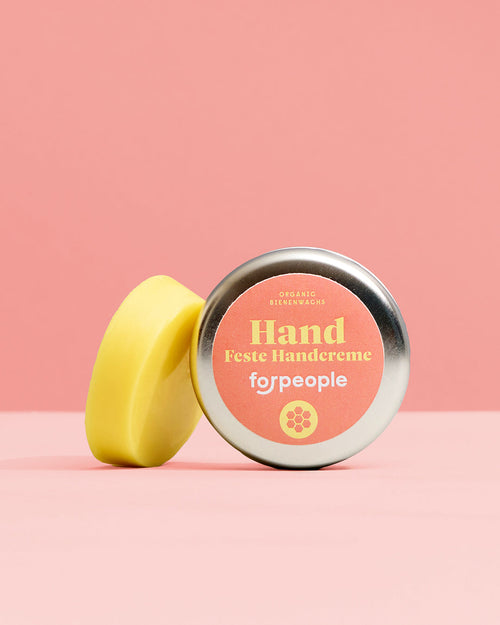
- Solid Hand Cream - Beeswax, 30 g, €9.90: water-free, made from beeswax, olive oil and sunflower oil, without essential oils.
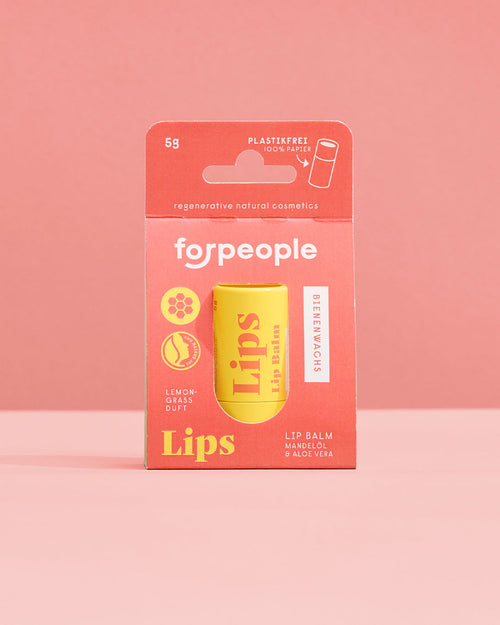
- Lip Balm - Lemongrass, 5 g, €4.90: with beeswax, shea butter, almond oil and hemp seed oil.
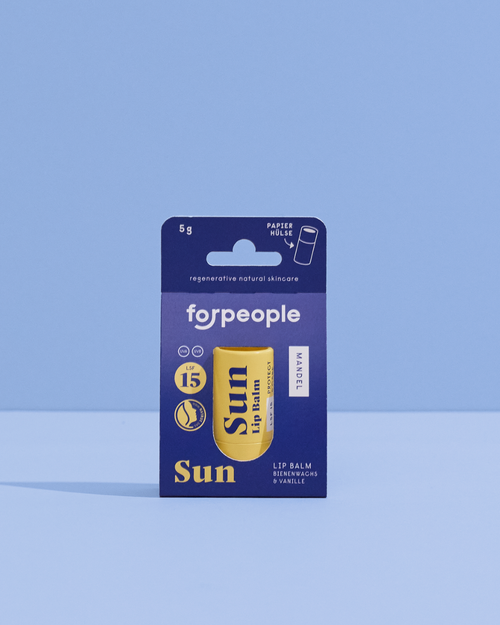
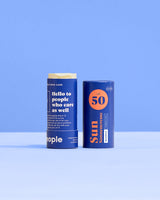
- Lip Balm - SPF15 Almond & Vanilla, 5 g, €7.90: with the mineral UV filters zinc oxide and titanium dioxide (non-nano), for days in the snow and in the mountains.
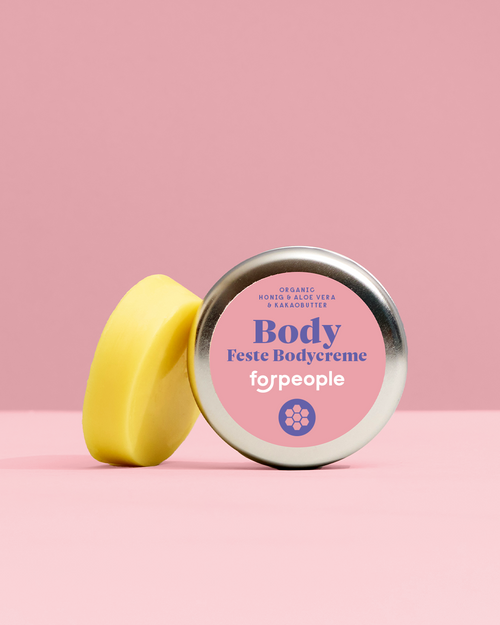
- Solid Body Butter - Beeswax & Aloe Vera, 40 g, €9.90: made from cocoa butter, olive oil, beeswax and shea butter.
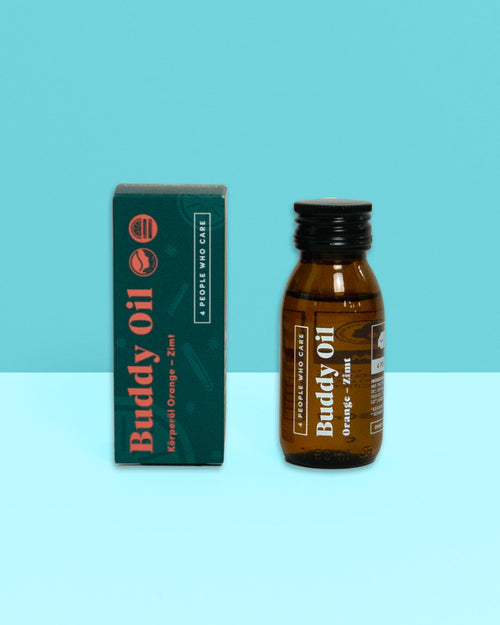
- Body Oil - Cinnamon & Cloves, 100 ml, €14.90: vegan, with sesame, safflower and sea buckthorn oil and a warm scent of cinnamon leaf and orange oil.
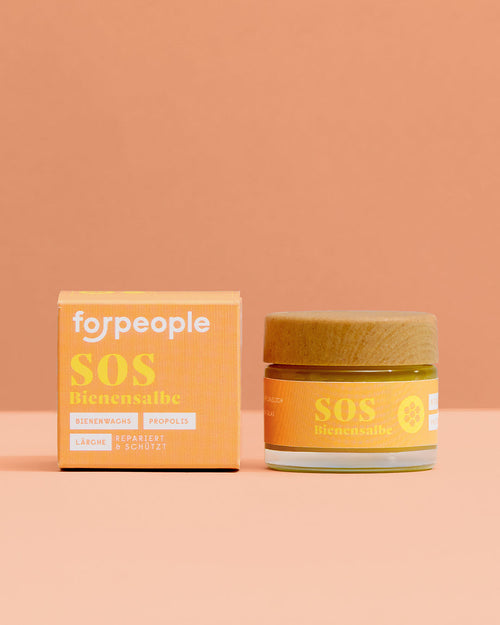
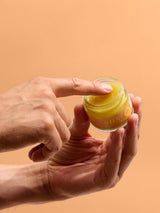
- Beeswax Salve Larch & Mandarin in a Glass Jar, 50 g, €12.90: made from olive oil, almond oil, castor oil, beeswax and larch resin, for rough spots.
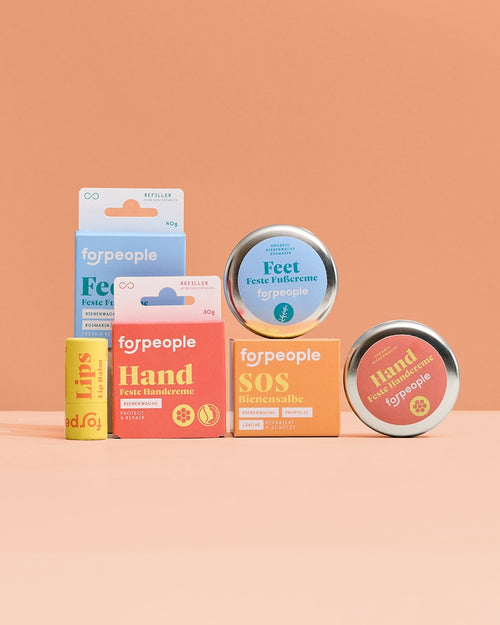
- Protection Set for Dry Hands, Feet & Lips, €54.90: hand cream, foot cream, lip balm and beeswax salve together.
Read more: Urea or water-free cream? · Solid cream or tube? · Body oil or body butter? · Humectants, occlusives, emollients · Why heel skin cracks