



What the studies from Finland show
In Finland, people have applied ointments to their faces for generations to protect themselves from the cold. From the 1990s onwards, a Finnish military doctor studied this practice systematically. The basis was a controlled analysis of 913 conscripts with medically treated frostbite of the head and 2,478 conscripts without frostbite from the years 1976 to 1989 (Lehmuskallio et al. 1995).
| Risk factor | Odds ratio |
|---|---|
| No hat with earflaps (frostbite of the ear) | 18.5 |
| Protective ointment used (frostbite of the nose) | 5.6 |
| Protective ointment used (frostbite of the ear) | 4.5 |
| Protective ointment used (frostbite of the cheeks) | 3.3 |
| No scarf (frostbite of the cheeks) | 3.8 |
| Transported outdoors or in an open vehicle in wind (cheek) | 2.2 |
The authors concluded that warm clothing, including a scarf and a hat with earflaps, helps prevent frostbite. The routine use of protective ointments should not be recommended (Lehmuskallio et al. 1995).
A survey of 830 young conscripts completed the picture. 21% had used cold-protection ointments, mostly at school age or earlier. Those who had used ointments had had frostbite on the face significantly more often, especially on the cheeks and chin. At the same time, 84% of users described the protective effect as somewhat or clearly positive (Lehmuskallio 1999). So how protected people felt and the actual risk did not match.
Important for context: these are observational data. They show an association but do not prove that the ointment itself causes frostbite. What is certain is only this: the studies could not show any protection from the ointment.
Why ointments don't keep you warm
To understand the cause, ointments were also measured in the lab. On a skin model with a heated, "sweating" plate, the thermal insulation of ointments on a dry surface was minimal. On a moist surface, the effect depended on the composition and the amount of water; the differences were small. The authors concluded that in the cold, ointments have at best a negligible and at worst a disadvantageous physical effect (Lehmuskallio & Anttonen 1999).
In a second step, volunteers sat in a cold chamber with one half of the face thickly coated and the other half untreated. In 46 cold exposures, the ointments tested had an objectively cooling effect more often than a warming one. White petroleum jelly, however, often felt warming to the test subjects (Lehmuskallio et al. 2000). The researchers consider exactly this mismatch to be the real risk: if you feel protected, you may not pull your scarf up as far, or you may stay outside longer (Lehmuskallio 2000).
Why water-free still makes sense in winter
The same measurements produced a second finding that matters when choosing a cream: on the skin model, an oil-in-water cream caused significant cooling for 40 minutes after application, because the water it contained evaporated (Lehmuskallio & Anttonen 1999). Evaporation draws heat from the surface. So if you apply a water-rich cream right before going outside, you first cool your skin even more.
You often read that the water in a cream freezes on the skin. Whether that actually happens on skin with normal blood flow has not been well studied. Evaporative cooling is well documented. A water-free product made of oils, butters and waxes does not have this problem, because it contains no water that could evaporate.
The second reason is drying out. Cold air holds little moisture, wind carries more of it away, and indoors the heating dries the air. A thin film of fat and wax reduces the evaporation of water from the skin. How this works is explained on Occlusion and transepidermal water loss. What water-free means for cosmetics is covered in Water-free cosmetics and Water-free, low-water, anhydrous.
So water-free care protects against dry, rough and chapped skin. It does not protect against frostbite.
What actually protects against cold injuries
The risk factors from the Finnish data show what matters:
- Cover your ears and head: a hat with earflaps or a headband that covers the ears completely.
- Protect your face from wind: scarf, neck gaiter or balaclava, and a face mask in severe cold.
- Avoid wind: the airstream on a chairlift, snowmobile or bike cools you down a lot.
- Stay dry: change wet gloves and socks. Damp clothing insulates less well.
- Look out for each other: white, waxy or numb patches on the face are a warning sign. Get somewhere warm straight away; if numbness persists or blisters appear, get medical help.
Treating cold injuries is a job for medical professionals. Care products are not meant for it.
Using water-free care sensibly in winter
| Area | With what | When |
|---|---|---|
| Lips | Water-free lip balm; with a UV filter on snow and at altitude | Before going out, and top up as needed |
| Face | A thin film of water-free care; on snow, think of sun protection first | In good time before going out, not thick |
| Hands | Solid hand cream | After washing and in the evening; outdoors, gloves protect |
| Rough areas on knuckles, fingers, heels | Salve or balm | In the evening, when there is time for it to absorb |
On ski tours and winter hikes, UV radiation is often a bigger issue than the cold. More on that in Sun protection in the mountains and snow. Why lips dry out so quickly is explained in Why do lips dry out so quickly?, and tips for everyday life with heated indoor air are in Dry skin in winter.
Frequently asked questions
Does a greasy cream protect against frostbite when skiing?
No. The available studies show no protection. In Finnish data, people who used cold-protection ointments actually had frostbite on the face more often. Clothing, face protection and breaks somewhere warm are what protect you.
Then why is water-free cream recommended for the cold?
Because water-based creams cool the skin as their water evaporates, and because a film of fat and wax protects the skin from drying out in the wind. Both concern how your skin feels and how it is cared for, not protection against frost.
Does water from the cream freeze on the skin?
This is often claimed but has not been well studied. It is well documented that evaporating water cools the skin. If you apply cream right before going out, use a water-free product, or apply early enough for a water-based cream to absorb completely.
How thickly should I apply cream in winter?
Thinly. A thick layer does not keep you warm, but it quickly feels heavy. A little is enough for the face; you can top up your lips more often.
Is petroleum jelly better than a plant-oil salve against the cold?
Both form a film against drying out. Neither protects against frostbite. In the Finnish experiments, petroleum jelly often felt warming without actually warming the skin. You will find a comparison in Petroleum jelly or beeswax salve.
At forpeople
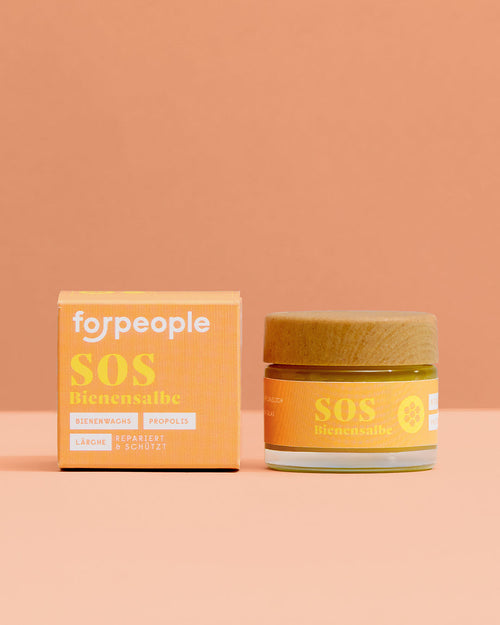
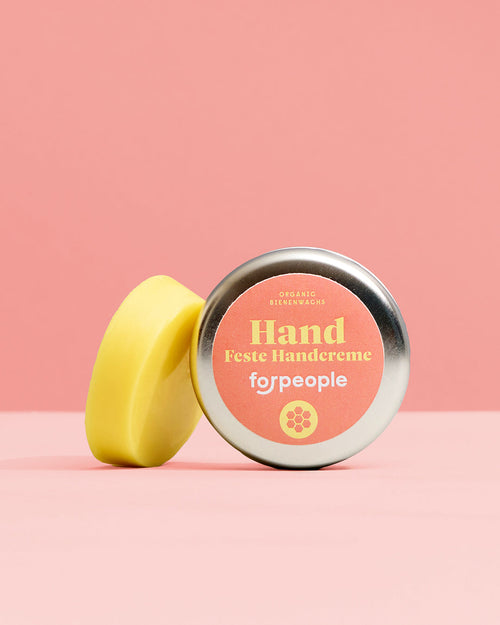
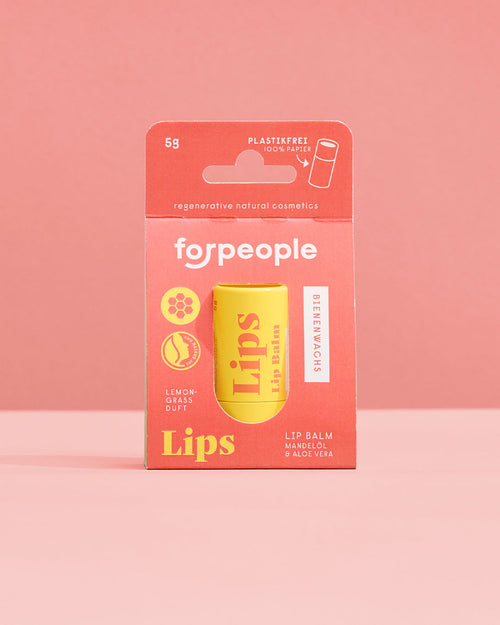
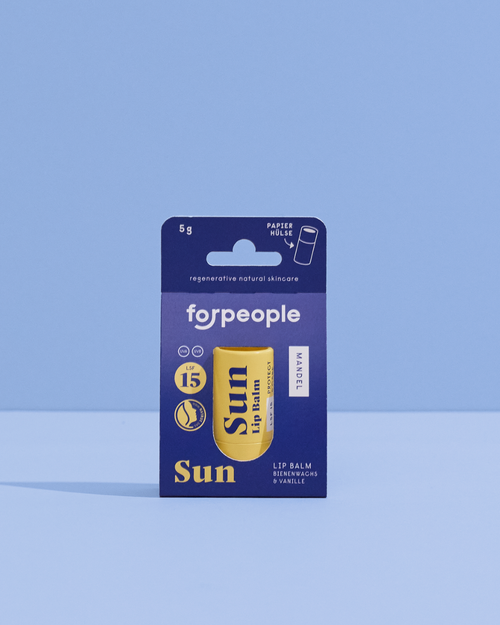
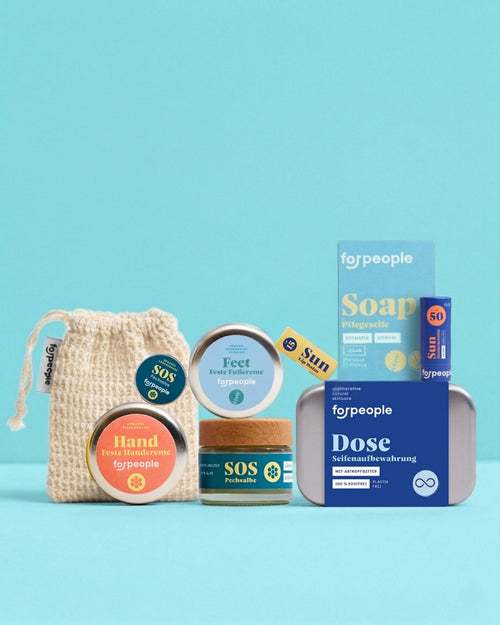
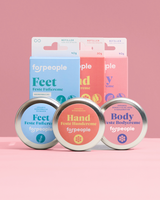
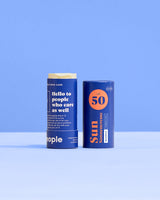
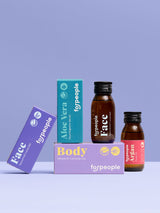
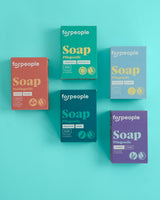
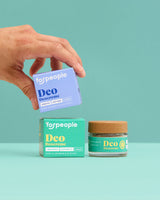
The salves, hand care and lip care products mentioned here contain no water according to their ingredient lists. None of them protects against frostbite; they care for dry, rough skin in winter. For rough areas there is the Beeswax Salve Larch & Mandarin in a Glass Jar (50 g, €12.90) made of olive, almond and castor oil, beeswax, larch resin and propolis, with mandarin, rosemary and fir oil for scent. It contains essential oils and resin; see Resin and propolis: allergy notes. For your hands after being outdoors, the fragrance-free Solid Hand Cream - Beeswax (30 g, €9.90) is a good fit. For your lips there is the Lip Balm - Lemongrass (5 g, €4.90) and, for days with sun and snow, the Lip Balm - SPF15 Almond & Vanilla (5 g, €7.90) with zinc oxide and titanium dioxide. For ski tours, the Outdoor Set – Sun Protection & SOS Care for Stressed Skin (€79.90) brings together sunscreen, salve, hand, foot and lip care. Do not use on injured skin; if you notice a skin reaction, stop using the product. More on this: How long does a care film last? · Salve, balm, butter, cream · Hand cream and gloves · Storing solid cosmetics
Sources
- Lehmuskallio E, Lindholm H, Koskenvuo K, Sarna S, Friberg O, Viljanen A (1995): Frostbite of the face and ears: epidemiological study of risk factors in Finnish conscripts. BMJ 311(7021): 1661–1663. https://doi.org/10.1136/bmj.311.7021.1661
- Lehmuskallio E (1999): Cold protecting ointments and frostbite. A questionnaire study of 830 conscripts in Finland. Acta Dermato-Venereologica 79(1): 67–70. https://doi.org/10.1080/000155599750011750
- Lehmuskallio E, Anttonen H (1999): Thermophysical effects of ointments in cold: an experimental study with a skin model. Acta Dermato-Venereologica 79(1): 33–36. https://doi.org/10.1080/000155599750011660
- Lehmuskallio E, Rintamäki H, Anttonen H (2000): Thermal effects of emollients on facial skin in the cold. Acta Dermato-Venereologica 80(3): 203–207. https://doi.org/10.1080/000155500750042989
- Lehmuskallio E (2000): Emollients in the prevention of frostbite. International Journal of Circumpolar Health 59(2): 122–130. PMID 10998829. https://pubmed.ncbi.nlm.nih.gov/10998829/