





What is the difference?
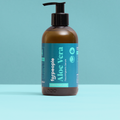
A body oil is made from plant oils that are liquid at room temperature, for example sesame oil or safflower oil. It can be spread thinly over large areas.
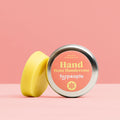
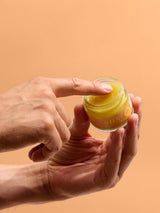
A body butter is made from plant butters such as cocoa butter and shea butter, plus oil and wax. At room temperature it is solid. On warm skin it softens. The oils absorb, while the butter and wax stay on the skin as a thin layer for longer.
Body oil and body butter compared
| Feature | Body oil | Body butter |
|---|---|---|
| Texture | liquid | solid, melts on the skin |
| Applying | warm a few drops in your hands, massage in | warm in your hands or glide it directly over the skin |
| Absorption | usually faster | slower, best on warm skin |
| Layer on the skin | light | more noticeable, stays longer |
| Good for | large areas, daily care, massage | very dry areas, winter, wind |
| On the go | in a glass bottle | solid, does not leak; also available as a travel size |
| Contains water | no | no |
How to use: ideally after a shower
Oil and butter contain no water. So they do not add moisture; they keep the moisture in the skin. That is why they work best on skin that is still slightly damp and warm.
- Body oil: After showering, just pat your skin lightly. Warm a few drops of oil between your hands and massage them in with circular movements.
- Body butter: Warm the butter briefly in your hands or glide it directly over warm skin. Then spread it with your hands.
- Amount: A little is enough. If a shiny layer is still there after a few minutes, you used too much.
If you apply oil in the shower, watch out for the slippery floor. If your skin becomes irritated, stop using the product.
Combining oil and butter
- By body area: oil for arms, legs and back; butter on elbows, knees, shins and feet.
- By time of day: oil in the morning because it absorbs faster; butter in the evening, when your skin has time.
- By season: rather oil in summer, rather butter in winter when your skin feels rough.
What customers say about absorption
The reviews show the difference clearly. For the Body Oil - Lemongrass, 31 comments saying it absorbs well stand against one critical comment; for the Body Oil - Cinnamon & Cloves the ratio is 8 to 0. For the solid body butter the picture is more balanced: 9 comments praise how it absorbs, 6 are critical. That fits the more noticeable layer of the butter. Among the pure oils, the ratio is 11 to 1 for almond oil and 9 to 1 for jojoba oil.
Frequently asked questions
Which is better for dry skin, oil or butter?
Both keep moisture in the skin. Butter leaves the stronger layer and therefore suits very dry areas. Oil is lighter and suits the whole body.
Do I need a cream as well?
Not necessarily. If your skin feels supple after the oil or butter, you do not need anything else.
Can I use pure oils on my body?
Yes. Almond oil and jojoba oil are suitable for the whole body. Argan oil and wild rose seed oil come in 50 ml bottles and are used more often on the face.
Why does the body butter get soft in summer?
Cocoa butter and shea butter melt in the heat. Store the tin somewhere cool and it will set again.
Body oils and body butter from forpeople
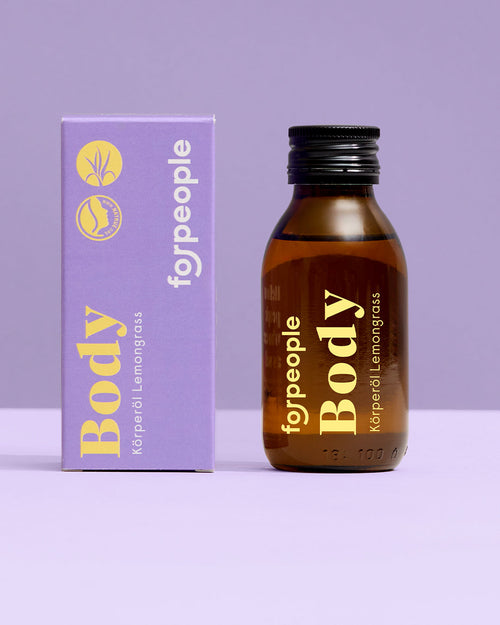
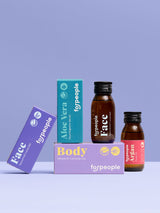
- Body Oil - Lemongrass, 100 ml, €16.90
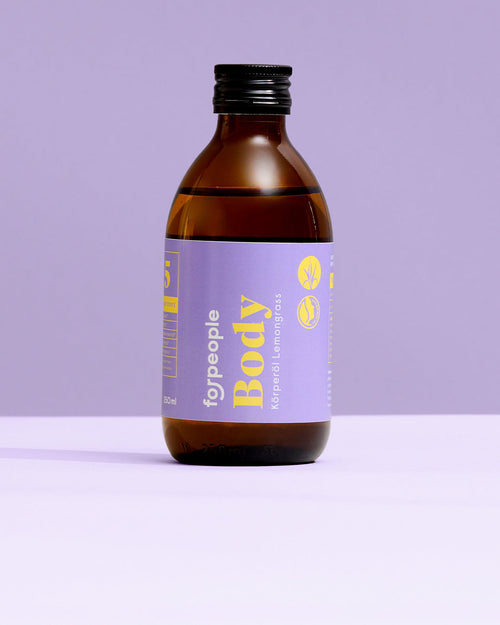
- Body Oil - Lemongrass large, 250 ml, €34.90
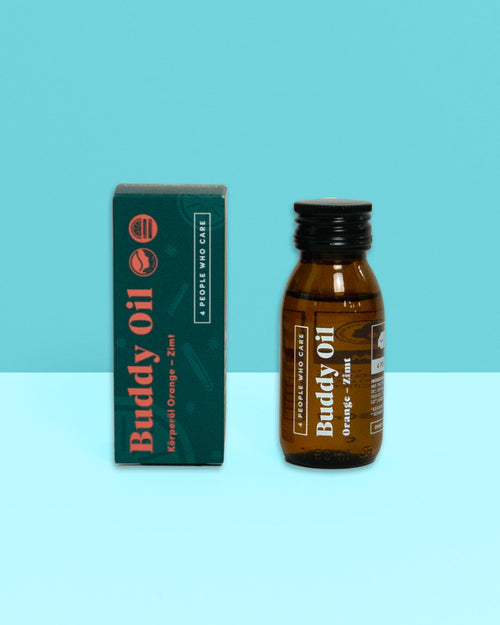
- Body Oil - Cinnamon & Cloves, 100 ml, €14.90
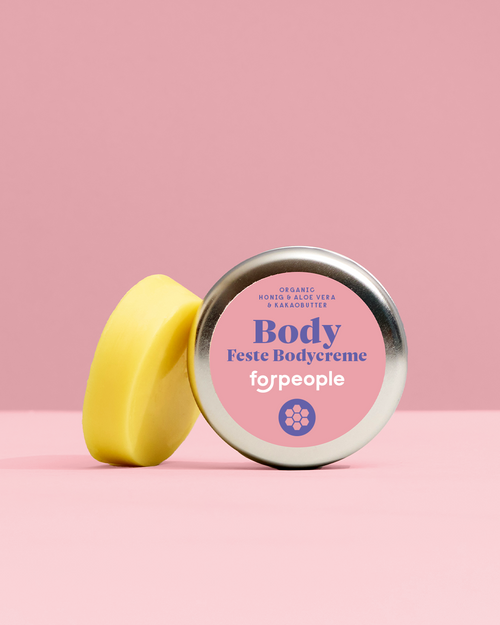
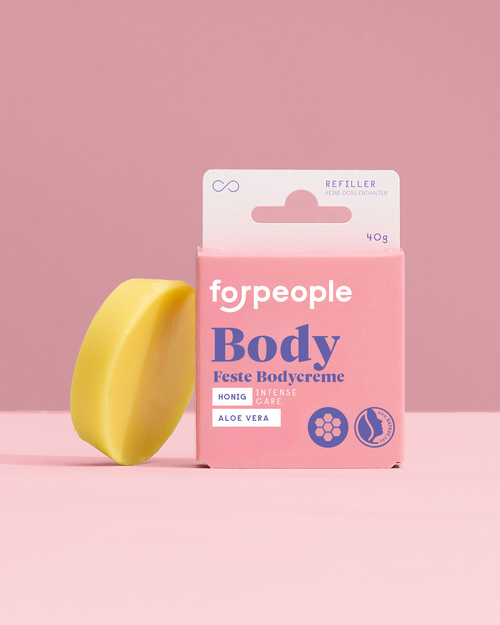
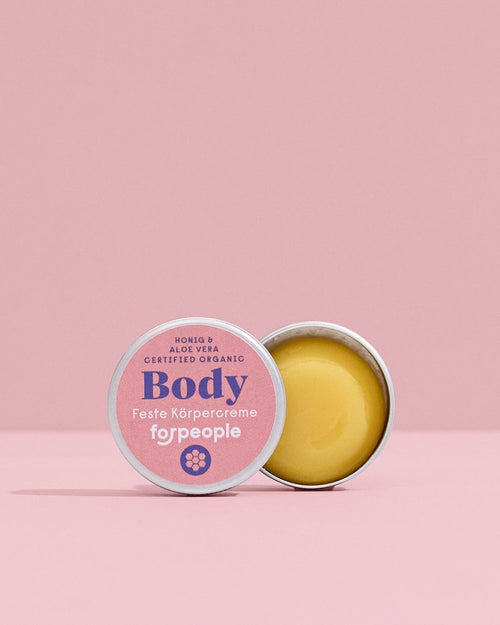
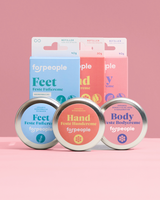
- Solid Body Butter - Beeswax & Aloe Vera, 40 g, €9.90
- Solid Body Butter Refill - Beeswax & Aloe Vera, 40 g, €7.90
- Solid Body Butter Mini – Beeswax & Aloe Vera, 8 g, €5.90
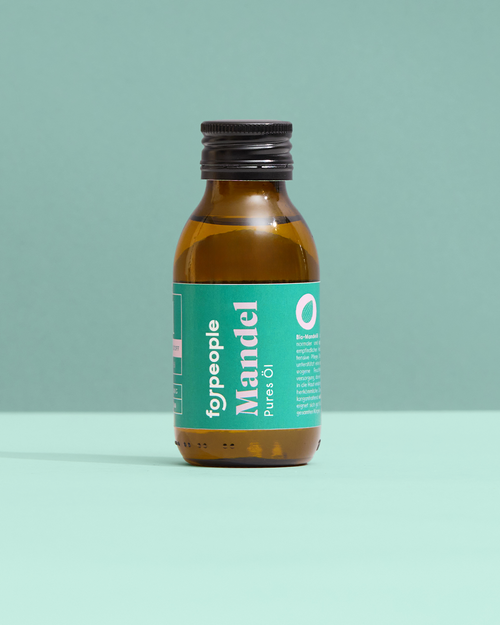
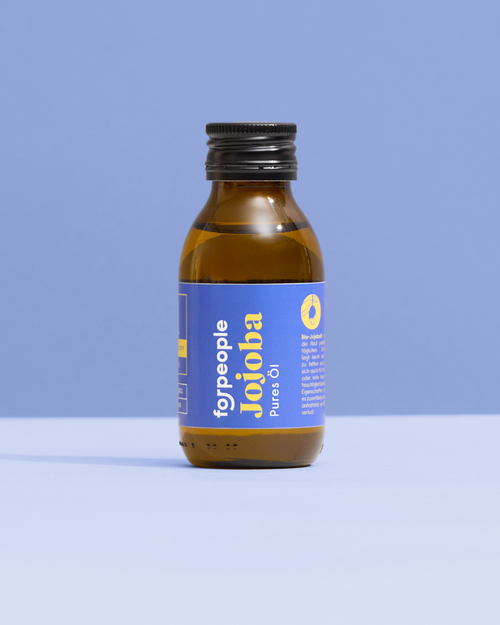
- Pure oils: Almond Oil - pure, 100 ml, €14.90 · Jojoba Oil - pure, 100 ml, €16.90 · Argan Oil - pure, 50 ml, €19.90 · Wild Rose Seed Oil - pure, 50 ml, €19.90
Read more: Water-free cosmetics · Refills for solid creams · Dry skin in winter · Olive oil and sunflower oil on the skin · Refilling with a refill