


Date of minimum durability and PAO: the rules
Labelling is governed by Article 19 of the EU Cosmetics Regulation (Regulation (EC) No 1223/2009). The date of minimum durability is the date until which a cosmetic product, stored properly, continues to fulfil its original function and remains safe. It is preceded by an hourglass symbol or the words "best used before the end of". The date consists of month and year, or day, month and year. If necessary, the manufacturer adds how the product must be stored for the date to apply.
For products with a minimum durability of more than 30 months, the date is not mandatory. Instead, the manufacturer states how long the product can be used safely after opening. This is shown by the symbol of an open cream jar followed by a period in months and/or years. The information is called "period after opening", or PAO for short. It is not required if the concept of durability after opening is not relevant for a product (Regulation (EC) No 1223/2009, Art. 19(1)(c) and Annex VII).
| Date of minimum durability | PAO symbol (open jar) | |
|---|---|---|
| When mandatory? | for a minimum durability of 30 months or less | for a minimum durability of more than 30 months, unless not relevant |
| Symbol | hourglass or "best used before the end of" | open jar |
| Information | month and year, or day, month and year | a period, for example "6 M" or "12 M" |
| Reference point | the product when stored properly | period from first opening |
| What you can do | check the date before buying | note the opening date, for example with a pen on the base |
Why cosmetics age faster after opening
As long as a product is closed, it is largely protected from outside influences. Opening it changes three things:
- Microbes get in: Every time you dip into the jar, microorganisms from your fingers and the air get into the product. A study of 91 cosmetic products in three states, unopened, in use and at the end of use, found contaminated products to be relatively uncommon, but detected bacteria in some of the bath foams, shampoos and liquid soaps (Campana et al. 2006). How well packaging protects against this can be measured with a standardised method and classified into protection grades (Catovic et al. 2020).
- Oxygen reacts: Plant oils can oxidise over time, and the smell then turns rancid. Essential oils change too; heat, light and oxygen in particular affect their composition (Turek and Stintzing 2013).
- Water evaporates or gets in: Creams can dry out, and solid products can soften through moisture from outside.
In water-based products, a preservation system is meant to stop microbes that get in from multiplying. How this works, and why water-free products usually do without a preservative, is explained on the page Preservation and water in cosmetics.
How to recognise cosmetics that have gone off
The number on the jar is a guideline for normal conditions. Your senses often tell you more reliably whether a product is still fine:
| Sign | What may be behind it |
|---|---|
| Rancid, sour or musty smell | oxidation of oils or microbial spoilage |
| Clearly changed colour | oxidation or the effect of light |
| Spots, films or dots on the surface | possible mould |
| Cream or lotion separates into water and oil | the emulsion has become unstable |
| Packaging bulges, product foams or gives off gas | possible fermentation by microbes |
| Grainy or lumpy texture | temperature fluctuations or spoilage |
If any of these apply, you should stop using the product, even if the date or PAO has not yet been reached. For solid creams and balms, a rancid smell is the clearest sign.
How to store cosmetics properly
- Cool, dry and dark: Heat and light speed up changes. A bathroom shelf directly above the radiator or a sunny windowsill are poor places.
- Always close tightly: This keeps less oxygen in contact with the product and less dirt gets in.
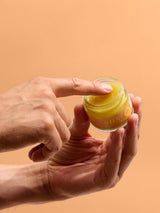
- Take it out with clean, dry fingers: Or with a small spatula. Wet fingers bring water into water-free products.
- Do not share, do not put back: Product you have taken out does not go back into the jar.
- Keep soaps dry: Store solid soap on a dish that lets water drain away. This keeps it firmer and makes it last longer.
- Think about heat in summer: Solid cosmetics can soften in the heat. Tips are on the page Storing solid cosmetics in summer.
Frequently asked questions
Can I still use cosmetics after the PAO has passed?
With the PAO, the manufacturer states how long the product can be used safely after opening. Once that period has passed, safety is no longer covered by this information. The safest option is to replace the product then, especially products for the eye area.
How long do unopened cosmetics last?
If a correctly labelled product does not carry a date of minimum durability, its minimum durability is more than 30 months. This assumes proper storage.
Do water-free cosmetics last longer?
Microbiologically they are usually less susceptible because they lack water. The oils in them can still oxidise, though. So the same applies here: store cool and dark and check the smell. More on the topic on Water-free cosmetics.
What does the symbol with a hand and a book mean?
It refers to information on an enclosed leaflet or tag, for example when the ingredient list does not fit on a small product. How to read the list is explained on the page How to read an INCI list.
At forpeople
For the shelf life of a forpeople product, the information on its packaging is what counts. The safety notes in the shop recommend storing the products cool and dry and protecting them from direct sunlight.
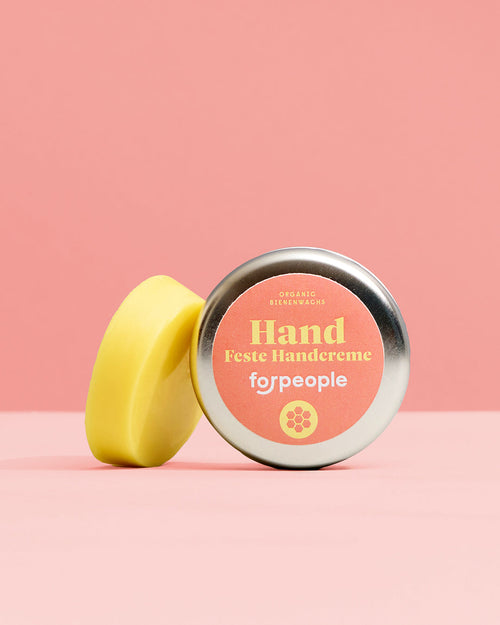
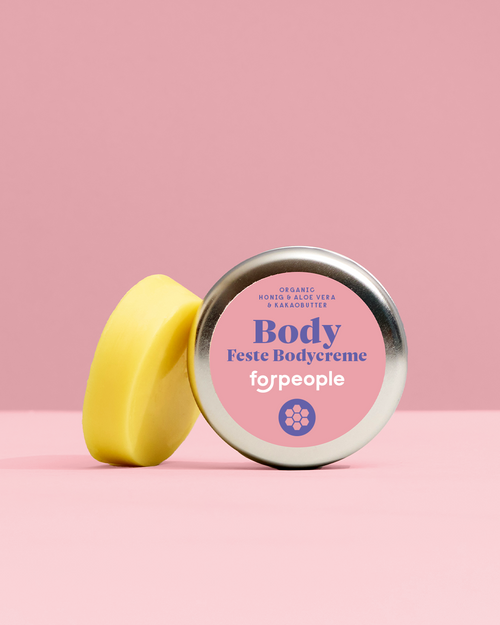
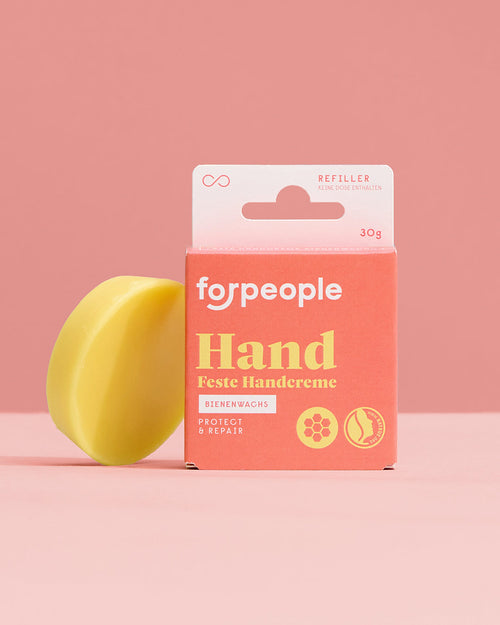
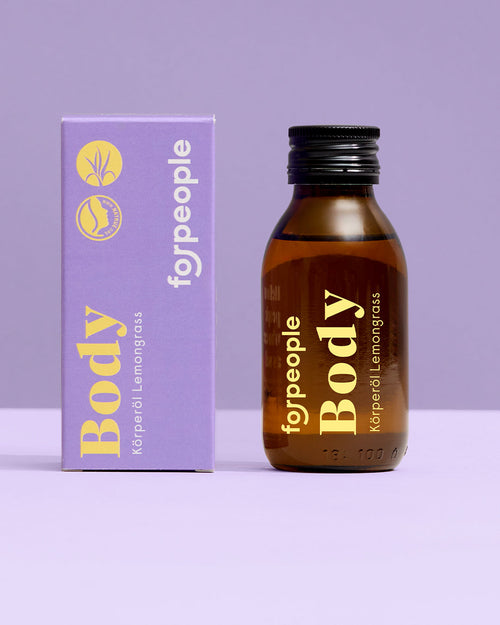
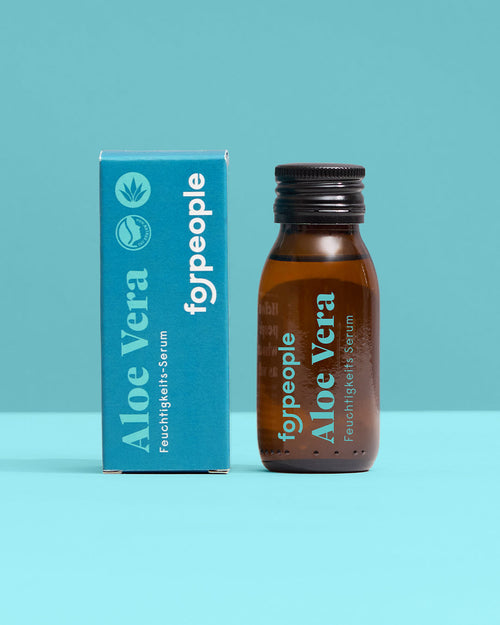
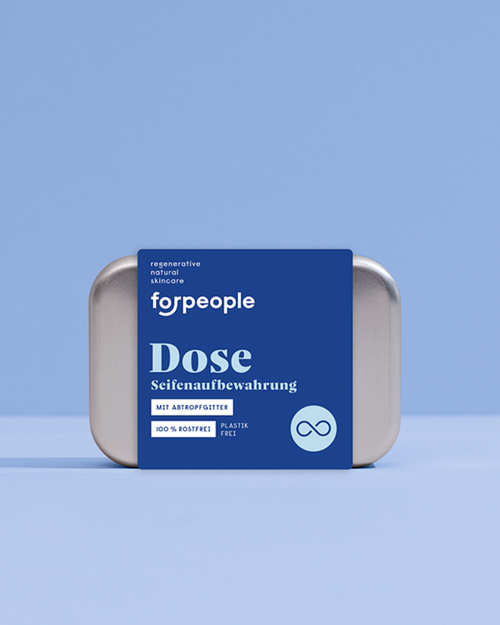
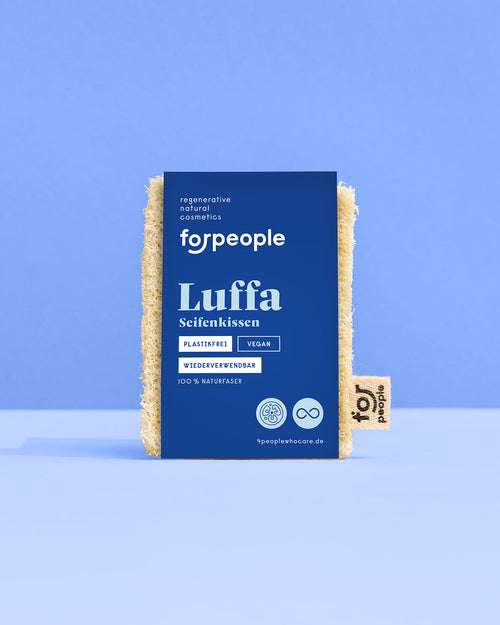
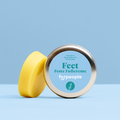
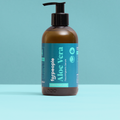
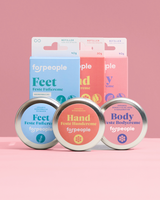
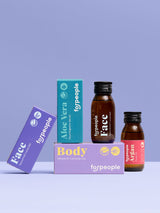
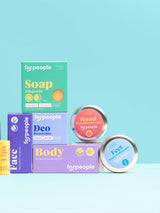
The solid creams such as the Solid Hand Cream - Beeswax or the Solid Body Butter - Beeswax & Aloe Vera are water-free; with them, the smell is a particularly good indicator. If you want to keep using the tin, you can refill it with a refill such as the Solid Hand Cream Refill - Beeswax; how this works is explained on the page Refillable hand cream. Oils with essential oils such as the Body Oil - Lemongrass should be closed tightly after use. The Aloe Vera Serum 99.6% is water-based and contains preservatives. For solid soaps, there is the Aluminium Soap Tin with Drainage Grid and the Luffa Soap Dish – Natural, on which the soap can dry.
- Solid Hand Cream - Beeswax, 30 g, €9.90
- Aloe Vera Serum 99.6%, 50 ml, €9.90
- Aluminium Soap Tin with Drainage Grid, €8.90
- Luffa Soap Dish – Natural, €3.90
Read more: Essential oils and fragrance allergens · Emulsifiers in cosmetics · Solid cream or tube
Sources
- Verordnung (EG) Nr. 1223/2009 des Europäischen Parlaments und des Rates vom 30. November 2009 über kosmetische Mittel, Art. 19 Abs. 1 Buchst. c und Anhang VII. ABl. L 342 vom 22.12.2009, S. 59. eur-lex.europa.eu/eli/reg/2009/1223/oj
- Campana R, Scesa C, Patrone V et al. (2006): Microbiological study of cosmetic products during their use by consumers: health risk and efficacy of preservative systems. Lett Appl Microbiol 43(3): 301–306. doi:10.1111/j.1472-765X.2006.01952.x
- Catovic C, Martin S, Desaint S et al. (2020): Development of a standardized method to evaluate the protective efficiency of cosmetic packaging against microbial contamination. AMB Express 10(1): 81. doi:10.1186/s13568-020-01016-4
- Turek C, Stintzing FC (2013): Stability of Essential Oils: A Review. Compr Rev Food Sci Food Saf 12(1): 40–53. doi:10.1111/1541-4337.12006