


What an emulsion is
An emulsion is a mixture of two liquids that would not normally mix. In cosmetics, these are almost always water and oil. One of the two phases is broken up into tiny droplets that are spread through the other phase. The phase made up of droplets is called the inner phase; the surrounding phase is the outer phase.
These droplets tend to flow back together. The emulsion then creams, settles or separates completely. Colloid science has described these processes for decades; Tadros (2006) gives an overview of the main ways emulsions break down and how they can be stabilised.
Two basic types are common in skincare:
- Oil-in-water (O/W): Oil droplets float in water. These creams and lotions usually feel light, absorb quickly and can be washed off with water. Most body lotions and day creams belong to this type.
- Water-in-oil (W/O): Water droplets are spread through oil. These creams feel richer, tend to leave a film and are often offered for very dry skin or for cold weather.
Which type forms depends mainly on the emulsifier and on the ratio of the phases. Thickeners are added as well; they make the outer phase more viscous and so slow down the settling of the droplets (Tadros 2006). The texture of a cream, whether it flows, is creamy or firm, results from this interplay. It affects how a product spreads and how it feels on the skin (Davies and Amin 2020).
How emulsifiers work
Emulsifiers are surface-active substances. One part of the molecule is attracted to water, the other to fat. At the boundary between an oil droplet and the surrounding water, they line up so that each part reaches into "its" phase. This lowers the tension at the interface, droplets form more easily and repel each other instead of merging.
Cosmetic emulsifiers vary widely. A review of patents from 2013 to 2023 groups them into substances of natural origin, polymeric emulsifiers, synthetic emulsifiers and defined single molecules; natural emulsifiers made up the largest share (Cortes et al. 2024). Besides classic emulsifiers, fine solid particles can also stabilise an emulsion; these are known as Pickering emulsions.
Typical emulsifiers and how to spot them in the INCI
In the ingredient list, an emulsifier does not appear as "emulsifier" but under its chemical name. The table below shows some common groups. It is a reading aid, not a judgement: all ingredients used in the EU must meet the requirements of the Cosmetics Regulation (Regulation (EC) No 1223/2009).
| Group | Examples in the INCI | Origin |
|---|---|---|
| Glycerol esters of fatty acids | Glyceryl Stearate, Glyceryl Stearate Citrate | made from plant fats and glycerin |
| Sugar-based emulsifiers | Cetearyl Glucoside, Coco-Glucoside, Sucrose Stearate | from sugar and fatty alcohols or fatty acids |
| Polyglycerol esters | Polyglyceryl-3 Diisostearate, Polyglyceryl-4 Oleate | from glycerin and fatty acids |
| Lecithins | Lecithin, Hydrogenated Lecithin | for example from soy or sunflower |
| Ethoxylated emulsifiers | names with "PEG" or "Ceteareth" | made with ethylene oxide |
| Wool wax and wool wax alcohols | Lanolin, Lanolin Alcohol | from sheep's wool |
Often two emulsifiers work together, one for stability and one for texture. Fatty alcohols such as Cetearyl Alcohol are not strong emulsifiers on their own, but they stabilise many O/W creams. Which combination a manufacturer chooses depends on the skin feel, the desired shelf life and the other ingredients.
Emulsions and water: what follows
As soon as a formula contains water, a second task comes up: microbiological stability. Water is a precondition for bacteria, yeasts and moulds to grow. That is why water-based creams usually need a preservation system, or they are designed so that microbes have little chance, for example through the pH value, a low amount of available water or protective packaging. Besides good manufacturing practice, suitable packaging, low water activity and pH, the choice of emulsion form is also one of the factors used to control microbial growth (Varvaresou et al. 2009). More on this on the page Preservation and water in cosmetics.
So an emulsifier is not a sign of a "bad" product. It is the technical basis for light, fast-absorbing lotions and creams to exist at all. If you like a cream with a lot of water in it, there is no way around an emulsifier.
Why water-free formulas need no emulsifier
A water-free formula consists only of fat-soluble ingredients: plant oils, plant butters and waxes dissolve into each other or can be melted together. There is no second phase that would have to be split into droplets. That is why the INCI of a solid cream or balm lists no emulsifier. Whether a formula is firm or soft depends on its waxes and butters.
This has consequences for use:
- No water that evaporates: The product consists entirely of lipids. It leaves a thin film on the skin. How such a film reduces evaporation is explained on the page Occlusion and transepidermal water loss.
- Different skin feel: Water-free creams feel firmer at first and need to be warmed with the heat of your skin. A small amount is enough.
- Not washable with water: Without an emulsifier, the fatty film does not simply rinse off, which can be what you want after washing your hands.
So the difference is not a question of better or worse, but of purpose and preference. Both forms are compared on the page Solid cream or tube; the roles of humectants, occlusives and emollients are explained in Humectants, occlusives and emollients.
Frequently asked questions
Are emulsifiers harmful to the skin?
Emulsifiers are a large and very varied group of substances. In the EU, cosmetic products must be safe under normal use; this also applies to the emulsifiers in them. If you do not tolerate a particular substance, a look at the INCI helps you avoid it.
How can I tell whether a cream is an emulsion?
If "Aqua" (water) is near the top of the ingredient list and the cream is not purely oily, it is almost always an emulsion. How to read an INCI is explained on the page How to read an INCI list.
Is soap an emulsifier?
Chemically, soap is a surfactant, so it is also surface-active. It is used for cleansing and removes fat from the skin. In a care cream, this job is done by an emulsifier designed for stability rather than cleansing.
Why is my lotion separating?
Heat, frost or very long storage can destabilise an emulsion. If a lotion visibly separates or smells different, you should stop using it. More on this on the page Cosmetics shelf life and the PAO symbol.
Do body oils contain emulsifiers?
Pure oils and oil blends do not need an emulsifier, because they consist of only one phase. Shower oils that are meant to turn milky on contact with water are a different matter.
At forpeople
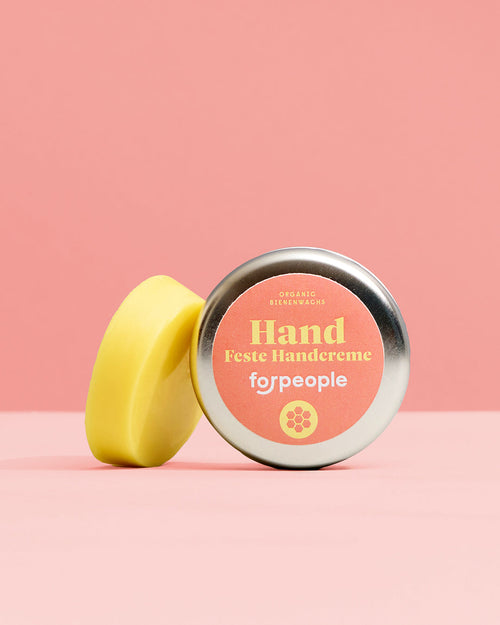
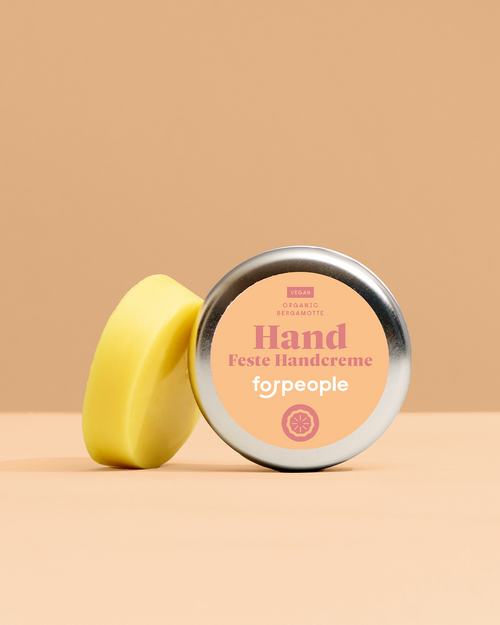
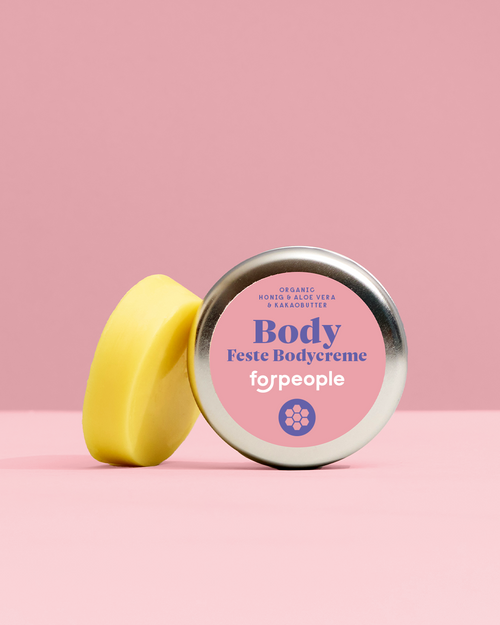
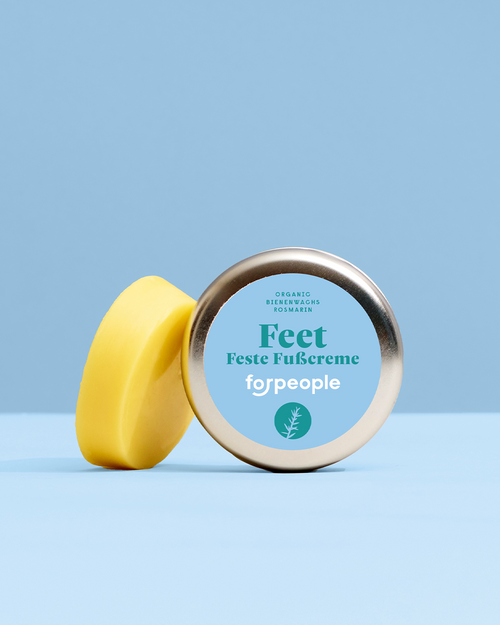
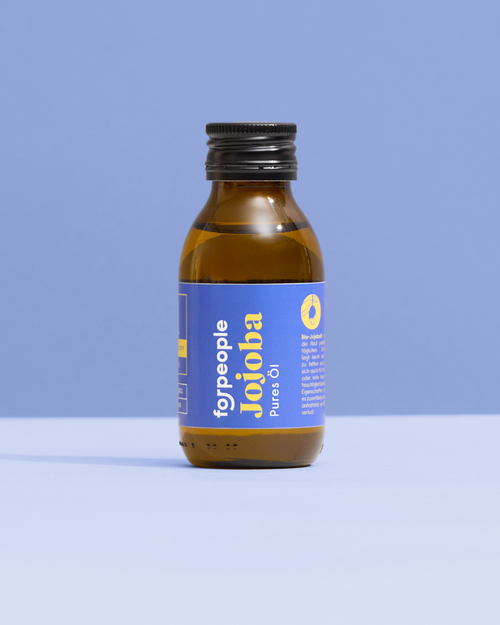
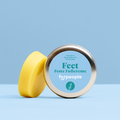
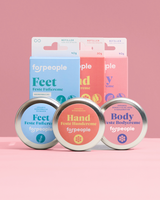
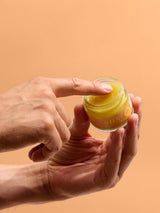
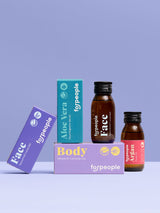
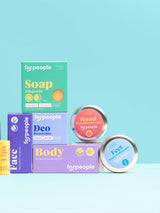
The creams, balms and oils from forpeople are water-free and, according to their INCI, contain no emulsifier. The Solid Hand Cream - Beeswax consists of five ingredients: beeswax, olive oil, sunflower oil and extracts of St. John's wort and aloe vera. The vegan Solid Vegan Hand Cream - Bergamot uses candelilla wax instead of beeswax. The Solid Body Butter - Beeswax & Aloe Vera and the Solid Foot Cream – Rosemary & Sage are also pure fat-and-wax formulas. The Jojoba Oil - pure is a single raw material with nothing added.
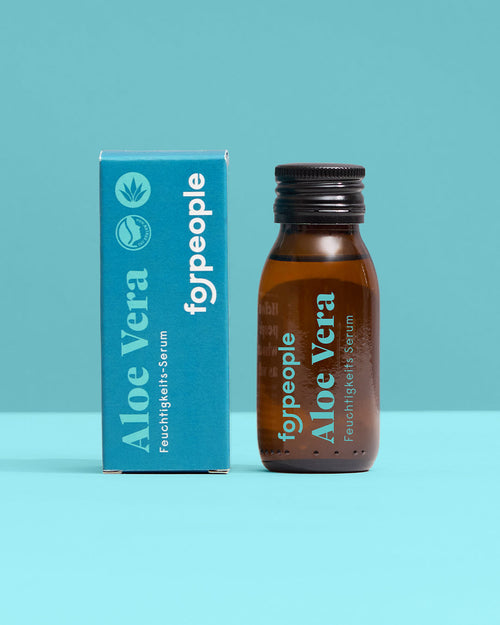
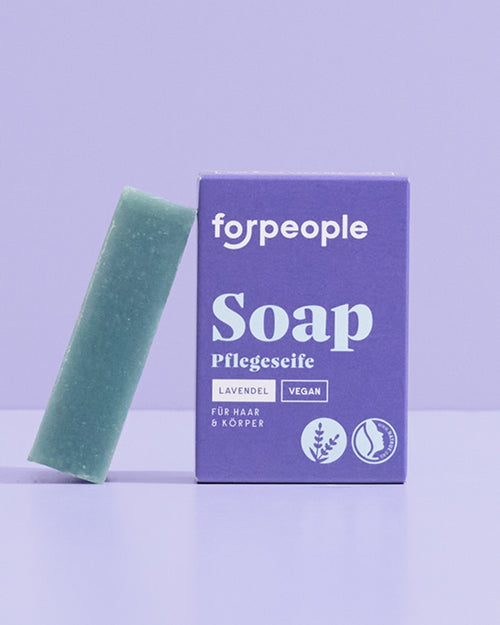
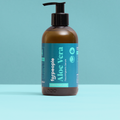
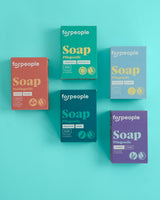
Not all products are water-free: the Aloe Vera Serum 99.6% is based on aloe juice and contains preservatives, and the solid soaps such as the Aloe Vera Soap – Lavender are made with water and lye. Neither is an emulsion.
- Solid Hand Cream - Beeswax, 30 g, €9.90
- Solid Vegan Hand Cream - Bergamot, 30 g, €9.90
- Solid Body Butter - Beeswax & Aloe Vera, 40 g, €9.90
- Solid Foot Cream – Rosemary & Sage, 40 g, €9.90
Read more: Water-free cosmetics · Candelilla wax or beeswax · Urea or water-free cream
Sources
- Tadros T (2006): Principles of emulsion stabilization with special reference to polymeric surfactants. J Cosmet Sci 57(2): 153–169. PMID 16688378
- Davies A, Amin S (2020): Rheology of Cosmetic Products: Surfactant Mesophases, Foams and Emulsions. J Cosmet Sci 71(6): 481–496. PMID 33413789
- Cortes N, Alves IA, Aragón DM (2024): Innovative Emulsifiers in Cosmetic Products: A Patent Review (2013–2023). ACS Omega 9(50): 48884–48898. doi:10.1021/acsomega.4c07305
- Varvaresou A, Papageorgiou S, Tsirivas E et al. (2009): Self-preserving cosmetics. Int J Cosmet Sci 31(3): 163–175. doi:10.1111/j.1468-2494.2009.00492.x
- Verordnung (EG) Nr. 1223/2009 des Europäischen Parlaments und des Rates vom 30. November 2009 über kosmetische Mittel. ABl. L 342 vom 22.12.2009, S. 59. eur-lex.europa.eu/eli/reg/2009/1223/oj