




Urea or water-free cream? Rough heels and dry hands
Urea and water-free care do two different jobs. Urea binds moisture in the top layer of the skin and, at higher concentrations, softens thick hard skin. A water-free cream made of oils, butters and waxes leaves a film on the skin that stops this moisture from evaporating again. For rough heels and dry hands, the two complement each other – which one comes first depends on whether the main issue is hard skin or dryness.
What urea does
Urea is part of the skin’s natural moisturising system. In creams, it is used in different amounts:
- Low concentration (around 2–10%): binds water in the outer layer of the skin, and the skin feels smoother.
- Higher concentration (around 10% and above): loosens and softens thickened hard skin, for example on the heels.
Urea creams are almost always emulsions: water is the largest component, along with oils, emulsifiers and preservatives. On cracked skin, urea can sting briefly.
What a water-free cream does
A water-free cream contains no water, only plant oils, plant butters and waxes, for example beeswax or candelilla wax. It softens with the warmth of your skin, the oils absorb and the wax remains as a thin film. This film keeps moisture in the skin and protects it from water, soap, cold and wind. Because it contains no water, it needs no emulsifier and no preservatives.
The difference at a glance
| Urea cream | Water-free cream | |
|---|---|---|
| Main job | Binding moisture, softening hard skin | Keeping moisture in, protecting the skin |
| First ingredient | usually water (“Aqua”) | Plant oil or wax |
| Emulsifier, preservatives | needed | not needed |
| On cracked skin | can sting | usually does not sting; however, cosmetics should not be used on open wounds |
| After washing your hands | is washed off | film can be felt for longer |
| Good for | thick, hard skin | dry, rough, stressed skin |
Rough heels: which order?
- Thick hard skin: First reduce the hard skin – with a higher-concentration urea cream or mechanically with a pumice stone or file on dry skin. Then care for your heels with a water-free cream so they don’t dry out again.
- Dry, brittle heels without thick hard skin: Massage in a thin layer of water-free cream in the evening, with cotton socks on top if needed.
- The hard skin keeps coming back: Hard skin is a protection against pressure. As long as shoes, walking barefoot or standing for long periods put strain on your heels, it will form again. Regular care keeps it soft, but does not remove the cause.
Dry hands from frequent washing
Soap and warm water dissolve the skin’s own lipids. If you wash your hands often, what you mainly need is protection: after washing, apply a water-free hand cream to your still slightly damp hands and massage it in. A small amount is enough; too much feels greasy. Urea hand creams are an alternative if the skin on your hands is thickened and hard, for example on the fingertips.
When to seek medical advice
Cosmetics care for dry skin; they do not treat any medical conditions. With deep, bleeding or inflamed cracks, with cracks that do not improve despite care, and if you have diabetes or circulatory problems, your feet belong in the care of a doctor or podiatrist.
Frequently asked questions
Can I combine urea and a water-free cream?
Yes. For example, a urea cream in the morning and a water-free cream in the evening, or let the urea cream absorb first and then apply a thin layer of the water-free cream.
Do forpeople creams contain urea?
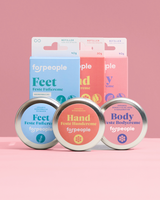
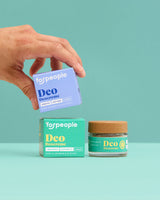
No. The solid hand and foot creams are water-free and consist of plant oils, plant butters and waxes.
Why does a water-free cream feel firmer at first?
Because waxes are solid at room temperature. Warm it for a few seconds between your hands or directly on your skin, and then the cream is easy to spread.
How often should I apply cream to my heels?
For very dry heels, daily, ideally in the evening. Once the skin is supple again, two to three times a week is enough.
Water-free care from forpeople
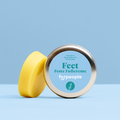
- Solid Foot Cream – Rosemary & Sage, 40 g, €9.90, with essential oils of rosemary, eucalyptus and sage
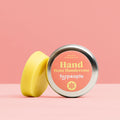
- Solid Hand Cream – Beeswax, 30 g, €9.90, without essential oils
- Solid Hand Cream – Bergamot, 30 g, €9.90, vegan with candelilla wax
- Foot Care Set – 3 Steps, €39.90, with Aloe Vera Serum, SOS Bee Salve and Solid Foot Cream
Read more: Cracked heels – what helps? · Water-free cosmetics
