








Why calluses form
The outermost layer of the skin, the stratum corneum, is made of dead cells and renews itself constantly. When a spot is pressed or rubbed again and again, the skin produces more cells there and the layer gets thicker. This is a normal protective response. Hard skin only becomes a problem when it is hard and dry: it loses its elasticity and can crack at the edges, especially on the heels.
Common causes
- Shoes: shoes that are too tight, too loose or too stiff, and open heels in sandals and clogs.
- Walking barefoot: Hard floors put direct strain on heels and the balls of the feet.
- Standing or walking for long periods: for example at work.
- Weight on the heel: If you roll heavily over your heel when walking or carry more body weight, there is more pressure there.
- Dry air: Heating in winter and heat in summer draw moisture from the skin. Dry hard skin becomes brittle.
Remove or care?
Each has its own job. Removing reduces the thickness, caring keeps the remaining hard skin supple.
- Removing: Use a pumice stone or foot file gently and only until the area feels smoother. A file works on dry skin, a pumice stone after a short foot bath. If you remove too much, the area becomes sensitive and the skin quickly builds up again. Planes and blades are not for home care.
- Caring: A rich cream softens hard skin and protects it from drying out. That keeps it elastic, so it cracks less often.
A routine you can stick to
| Step | How often | What to watch for |
|---|---|---|
| Remove hard skin | about once a week | gently, only the top layer; a thin protective layer stays |
| Apply foot cream | every evening if your heels are very dry, later two to three times a week | massage in a thin layer, cotton socks on top if needed |
| Care after removing | every time | freshly smoothed skin dries out quickly otherwise |
| Check your shoes | whenever new pressure spots appear | pressure spots show where the cause lies |
Urea or water-free cream?
For thick, hard calluses, a cream with a higher concentration of urea can help soften them. Water-free creams made from oils, butters and waxes form a film on the skin and keep moisture in. You can combine both. We explain the difference in detail in Urea or water-free cream?
When to see a podiatrist or doctor
Cosmetics care for the skin, they do not treat medical conditions. Have your feet checked by a podiatrist or doctor if you have deep or bleeding cracks, pain when walking, corns, or hard skin that grows back unusually fast despite care. If you have diabetes or circulation problems, do not remove hard skin yourself; leave foot care to a podiatrist.
Frequently asked questions
Should I remove the hard skin completely?
No. A thin layer of hard skin protects your feet. The goal is for it to be smooth and soft, not for it to disappear.
Why does hard skin seem to grow back faster after removing it?
Because the pressure on the spot remains. If you remove too much, the skin also responds by building new layers. Little and often is therefore better than rarely and thoroughly.
Cream before or after removing hard skin?
After. Smooth first, then apply cream, ideally in the evening so it can work overnight.
Does a foot cream help against calluses?
It does not stop hard skin from forming. But it keeps it soft and elastic, so it hardens and cracks less often.
Foot care from forpeople
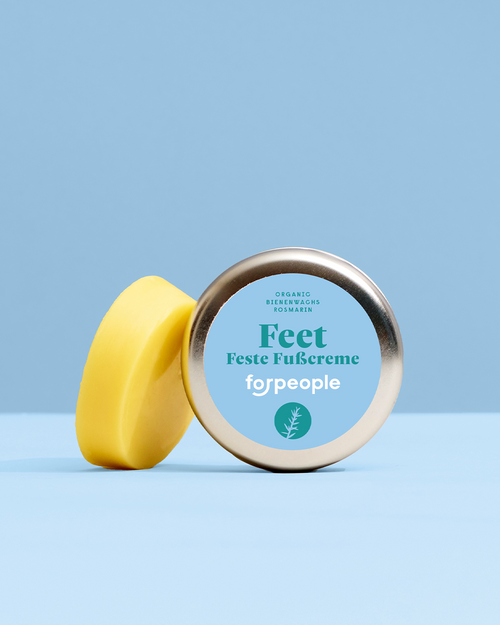
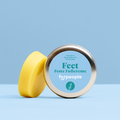
- Solid Foot Cream – Rosemary & Sage, 40 g, €9.90: water-free, made from sunflower oil, beeswax, olive oil and shea butter, with essential oils of rosemary, eucalyptus and clary sage. 87% of reviews give 5 stars.
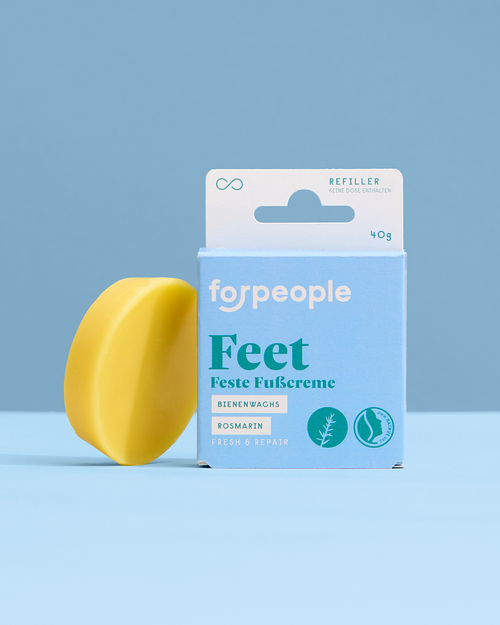
- Solid Foot Cream Refill - Rosemary & Sage, 40 g, €7.90: refillable, you keep the tin.
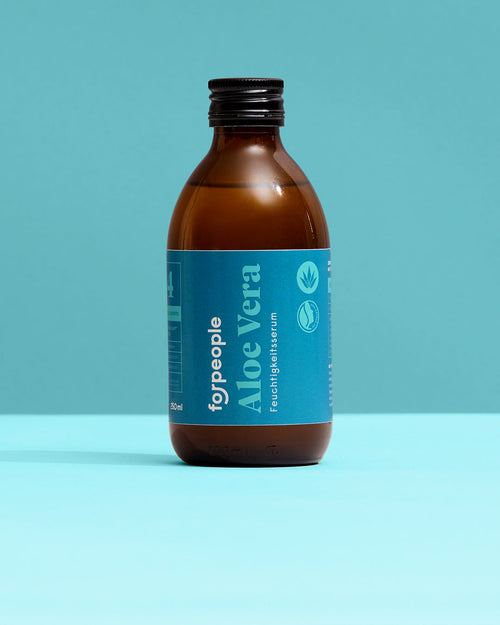
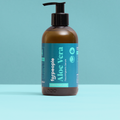
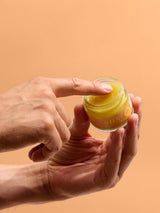
- Foot Care Set – 3 Steps for Cracked Heels, €39.90: aloe vera serum, beeswax salve and solid foot cream with refill.
Read more: Cracked heels, dry feet: what really helps · Urea or water-free cream? · Why heel skin cracks · Solid cream or tube? · Refilling with a refill