


Why water plays the key role
Microorganisms need water, nutrients and suitable temperatures. In a cream or lotion, water is usually the largest ingredient, and many ingredients such as plant extracts, sugars or proteins can serve as nutrients. A review therefore describes water as an ideal growth factor for microorganisms in cosmetics (Halla et al. 2018).
What matters is not only how much water a formula contains, but how much of it is freely available. This value is called water activity (aw). It ranges from 0 to 1: pure water has a value of 1, a completely dry product a value of 0. Substances such as salts, glycerin, sorbitol or sugars bind water and lower the water activity; manufacturers use this deliberately to slow down microbial growth (Halla et al. 2018). Low water activity is one of the most important levers for microbiological stability (Varvaresou et al. 2009).
How manufacturers keep cosmetics microbiologically stable
Preservatives are only one tool. In practice, several measures are combined. Borrowed from food production, this principle is called the "hurdle concept": each hurdle makes it harder for microbes to grow, and together they keep a product stable (Varvaresou et al. 2009).
| Hurdle | How it works | Example |
|---|---|---|
| No or little free water | Microorganisms lack the basis for life | oils, balms, solid creams, powders |
| pH value | A very acidic or very alkaline environment inhibits many microbes | soaps (alkaline), acidic serums |
| Preservatives | Specifically inhibit the growth of microorganisms | substances from Annex V of the Cosmetics Regulation |
| Multifunctional ingredients | Have an antimicrobial side effect besides their main job | some alcohols, glycols, essential oils |
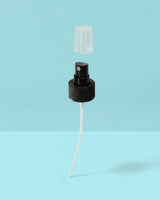
| Packaging | Prevents microbes from getting into the product during use | pump dispensers, tubes, airless bottles |
| Good manufacturing practice | Clean raw materials and equipment keep the initial microbial count low | hygiene rules in production |
How well packaging protects against contamination during use can be measured. One working group developed a standardised test method for this and classified packaging into six protection grades (Catovic et al. 2020).
Which preservatives are permitted
The EU Cosmetics Regulation defines preservatives as substances intended exclusively or mainly to inhibit the development of microorganisms in cosmetic products. Only substances listed in Annex V of the regulation are permitted, and only under the conditions stated there, such as a maximum concentration per product type (Regulation (EC) No 1223/2009). These include benzoic acid and its sodium salt (sodium benzoate) as well as sorbic acid and its salts such as potassium sorbate. These organic acids work best in the acidic range; if the pH rises markedly, their effect decreases (Halla et al. 2018). That is why citric acid is often added to such products.
Substances not listed in Annex V may not be used as preservatives. Some ingredients still have an antimicrobial effect but are used for a different reason. They appear in the INCI like any other ingredient; the INCI never states the function of an ingredient anyway (Varvaresou et al. 2009).
The challenge test according to ISO 11930
Whether a preservation system works is checked with a preservative efficacy test, often called a "challenge test". A sample of the product is deliberately inoculated with known amounts of bacteria, yeasts and moulds. The samples are kept at room temperature for 28 days, and during this time the drop in microbial count is measured (Halla et al. 2018). The internationally used method is described in the standard ISO 11930. It is intended mainly for water-soluble or water-miscible products.
In the EU, the test results are part of the safety report that every cosmetic product needs before it is sold. The regulation requires information on microbiological quality and the results of the preservation challenge test there (Regulation (EC) No 1223/2009, Annex I).
For products that carry a low microbiological risk because of their nature, there is a separate standard: ISO 29621 guides manufacturers in assessing, based on a product's properties, whether it is microbiologically low-risk and therefore does not need all microbiological tests.
How important protection is after opening is shown by a study of 91 cosmetic products in three states: unopened, in use and at the end of use. Contaminated products were relatively uncommon overall, but about 10.6% of the surfactant products examined, such as bath foams, shampoos and liquid soaps, contained bacteria (Campana et al. 2006). The authors suggest using the challenge test not only on the fresh product but also for the period of use.
Why water-free products usually do without preservatives
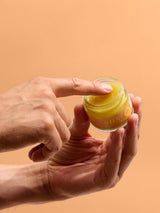
A water-free formula made from oils, butters and waxes has no water phase. Its water activity is correspondingly low, and bacteria and fungi find hardly any conditions to grow. That is why such products generally need neither an emulsifier nor a preservative; more on the role of emulsifiers on the page Emulsifiers in cosmetics.
This does not mean that water-free products last forever. Plant oils can oxidise over time and turn rancid, and if water gets in from outside, for example from wet fingers, that can change things. Tips on storage and shelf life after opening can be found on the page Cosmetics shelf life and the PAO symbol, and on storing in summer on Storing solid cosmetics in summer.
Frequently asked questions
Are preservatives bad?
Preservatives protect water-based products from microbes multiplying in them. A water-based product without effective protection would not be safe. If you do not tolerate certain substances, you can recognise and avoid them via the INCI.
How do I recognise preservatives in the INCI?
Common names include Potassium Sorbate, Sodium Benzoate, Benzoic Acid, Sorbic Acid, Phenoxyethanol or Dehydroacetic Acid. How to read an INCI step by step is explained on the page How to read an INCI list.
Does "without preservatives" automatically mean water-free?
No. Some water-based products are protected by other hurdles, such as an extreme pH, a lot of alcohol or a very low water activity.
Do I have to keep water-based cosmetics in the fridge?
Only if the manufacturer says so. As a general rule: store cool, dry and away from direct sunlight, take the product out with clean hands and close it after use.
At forpeople
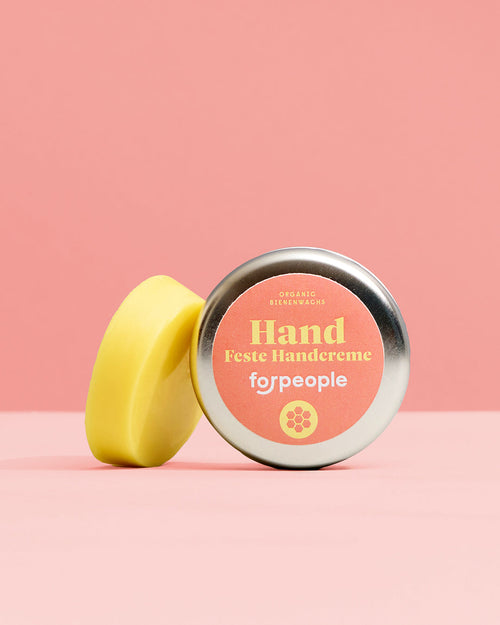
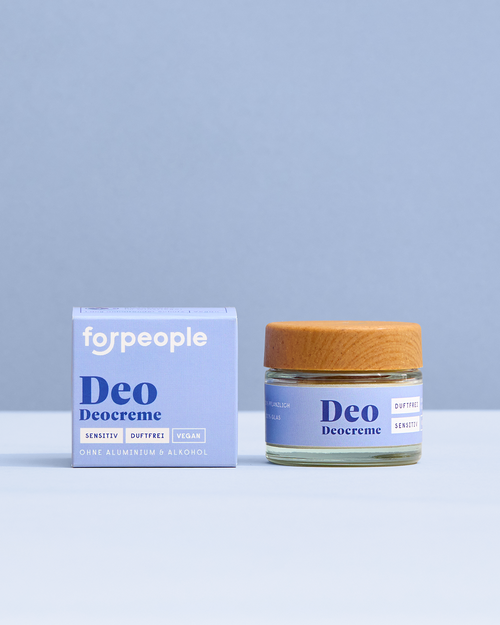
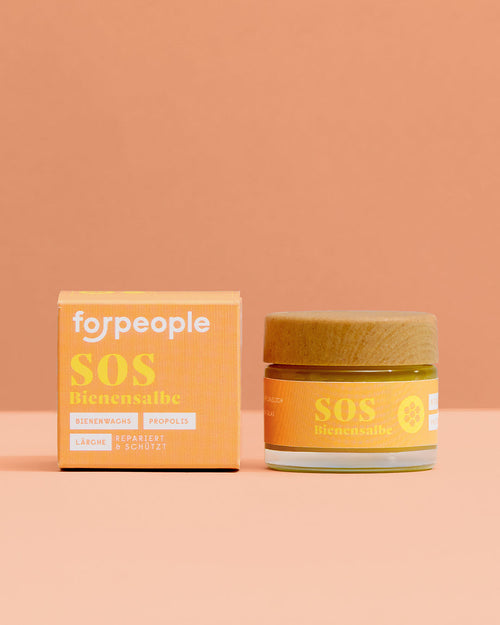
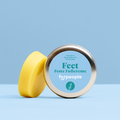
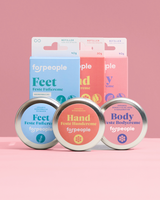
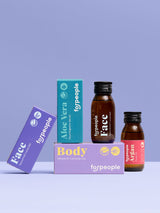
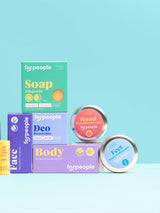
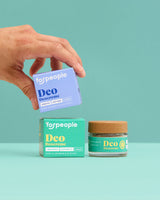
Most forpeople products are water-free and, according to their INCI, contain no preservative, for example the Solid Hand Cream - Beeswax, the Sensitive Deodorant Cream or the Beeswax Salve Larch & Mandarin in a Glass Jar. There are, however, two exceptions that contain water:
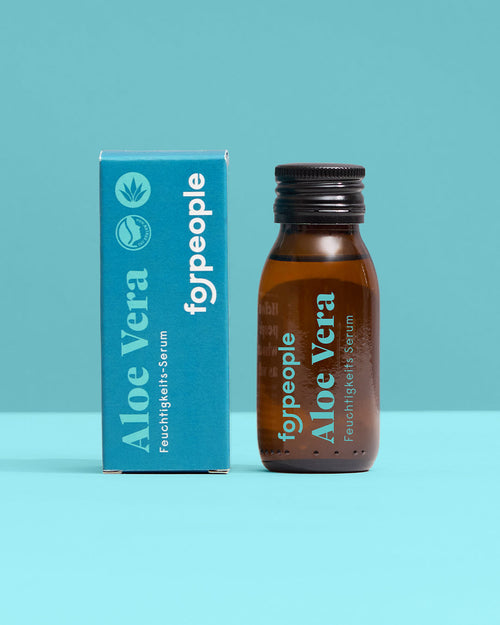
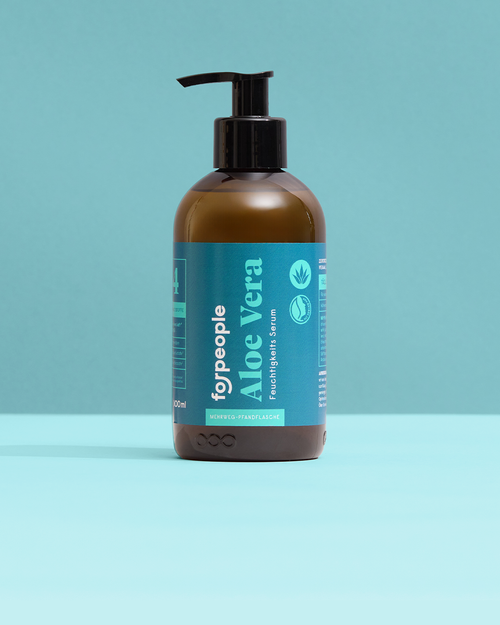
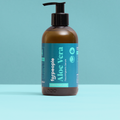
- Aloe vera serum: The Aloe Vera Serum 99.6% consists of aloe leaf juice and is therefore water-based. According to its INCI, it contains citric acid, potassium sorbate and sodium benzoate (Aloe Barbadensis Leaf Juice, Citric Acid, Potassium Sorbate, Sodium Benzoate). Potassium sorbate and sodium benzoate are preservatives from Annex V; the citric acid adjusts the pH. The serum is also available as Aloe Vera Serum 99.6% - Pump Bottle. More about the ingredients on Aloe Vera Serum 99.6%: What is inside?
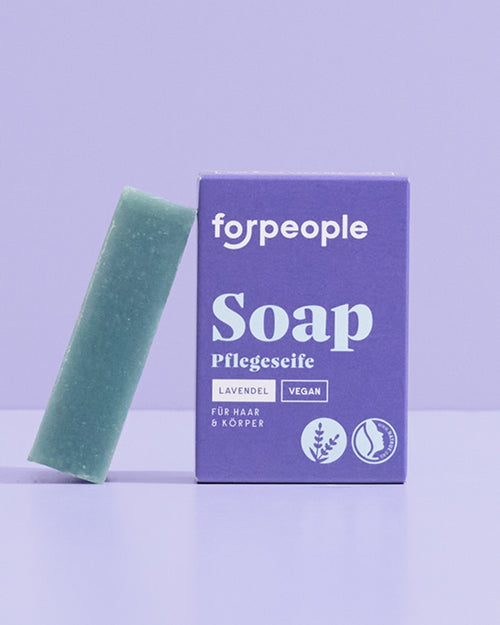
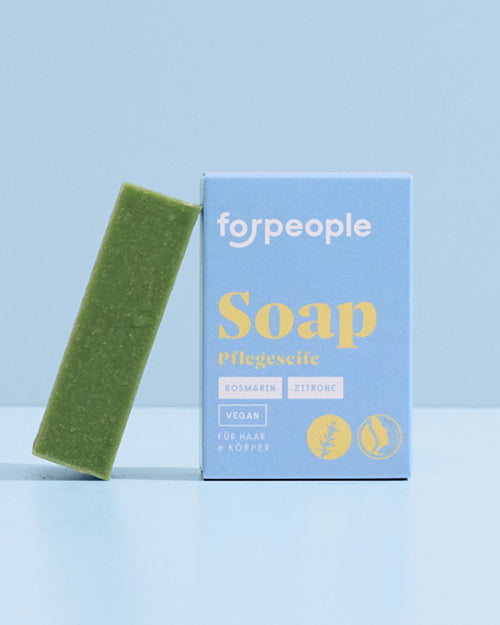
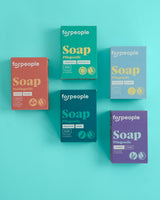
- Solid soaps: The INCI of the soaps, such as the Aloe Vera Soap – Lavender or the Aloe Vera Soap – Rosemary & Lemon, lists Aqua, because soap is made with water and sodium hydroxide lye. Their INCI does not list a preservative.
- Aloe Vera Serum 99.6%, 50 ml, €9.90
- Aloe Vera Soap – Lavender, 75 g, €8.90
- Solid Hand Cream - Beeswax, 30 g, €9.90
- Sensitive Deodorant Cream, 50 g, €8.90
Read more: Water-free cosmetics · Solid cream or tube · Natural cosmetics standards explained
Sources
- Halla N, Fernandes IP, Heleno SA et al. (2018): Cosmetics Preservation: A Review on Present Strategies. Molecules 23(7): 1571. doi:10.3390/molecules23071571
- Varvaresou A, Papageorgiou S, Tsirivas E et al. (2009): Self-preserving cosmetics. Int J Cosmet Sci 31(3): 163–175. doi:10.1111/j.1468-2494.2009.00492.x
- Campana R, Scesa C, Patrone V et al. (2006): Microbiological study of cosmetic products during their use by consumers: health risk and efficacy of preservative systems. Lett Appl Microbiol 43(3): 301–306. doi:10.1111/j.1472-765X.2006.01952.x
- Catovic C, Martin S, Desaint S et al. (2020): Development of a standardized method to evaluate the protective efficiency of cosmetic packaging against microbial contamination. AMB Express 10(1): 81. doi:10.1186/s13568-020-01016-4
- Verordnung (EG) Nr. 1223/2009 des Europäischen Parlaments und des Rates vom 30. November 2009 über kosmetische Mittel, Art. 2, Anhang I und Anhang V. ABl. L 342 vom 22.12.2009, S. 59. eur-lex.europa.eu/eli/reg/2009/1223/oj
- ISO 11930:2019 Cosmetics – Microbiology – Evaluation of the antimicrobial protection of a cosmetic product; ISO 29621:2017 Cosmetics – Microbiology – Guidelines for the risk assessment and identification of microbiologically low-risk products. International Organization for Standardization, Genf.