


The full ingredient list
| INCI | In plain words | Purpose |
|---|---|---|
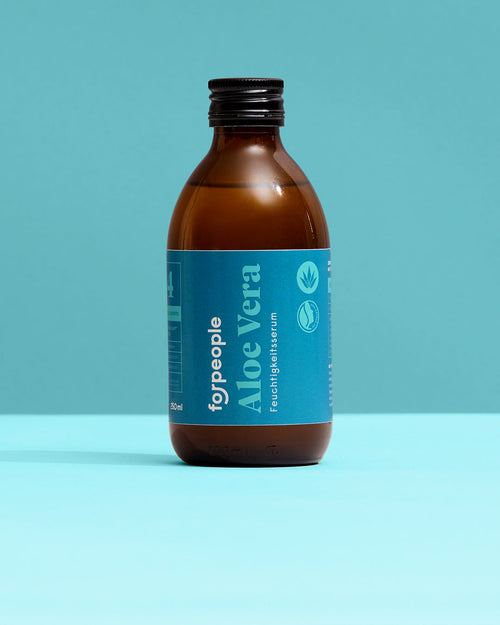
| Aloe Barbadensis Leaf Juice* | aloe vera juice from certified organic farming | main ingredient, 99.6% |
| Citric Acid | citric acid | sets a slightly acidic pH |
| Potassium Sorbate | potassium sorbate | preservative |
| Sodium Benzoate | sodium benzoate | preservative |
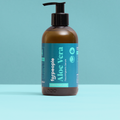
The order of an INCI list follows the amount: whatever comes first is present in the largest quantity. How the 0.4% is split between the three additives is not stated on the product page. The aloe comes from Andalusia in Spain. According to the manufacturer, the juice is not processed into powder but stays liquid.
Why an aloe serum needs a preservative
Aloe juice is mostly water. In anything that contains water, microorganisms such as yeasts or moulds can grow once it has been opened. That is why every water-based cosmetic product needs a preservative.
Potassium sorbate and sodium benzoate are the salts of sorbic acid and benzoic acid. Both are also used in food. They work best in an acidic environment. The citric acid takes care of that.
Water-free products are different, for example solid creams made from oils, butters and waxes: without water, they need no preservative. So the aloe serum is not a water-free product, even though it contains only one active ingredient apart from that.
Aloe juice, aloe gel, aloe extract: the difference
| Name | How it appears in the INCI list | What it is |
|---|---|---|
| Aloe juice | Aloe Barbadensis Leaf Juice | liquid juice from the leaf; at 99% or more it is the main ingredient |
| Aloe gel | Aloe Barbadensis Leaf Juice plus a thickener | gel-like because a thickener has been added; "gel" is a product name, not a separate raw material |
| Aloe from powder | Aloe Barbadensis Leaf Juice Powder and water (Aqua) | dried juice that is mixed with water again |
| Aloe extract | Aloe Barbadensis Leaf Extract | an extract from the leaf, usually used in small amounts in creams |
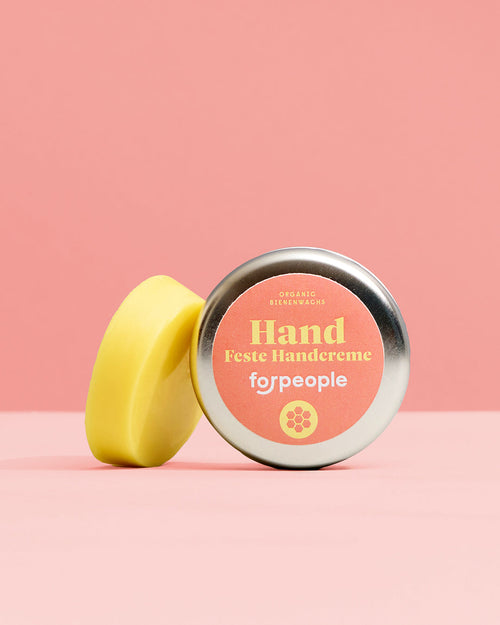
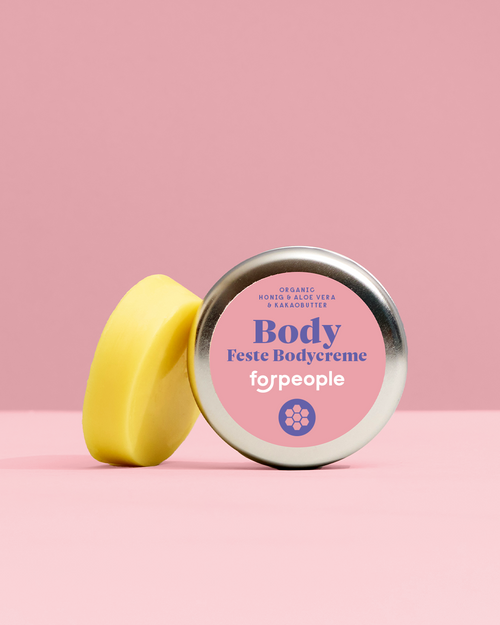
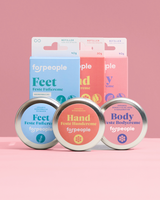
An example of aloe extract: the forpeople solid hand cream with beeswax and the solid body butter contain Aloe Barbadensis Leaf Extract as one of several ingredients.
How to use the serum
- Face: Apply an almond-sized amount to cleansed skin and pat it in gently until absorbed.
- Body: Spread thinly on areas that feel dry or tight. With an atomiser, this also works on larger areas.
- Hair: Put a few drops into your hair and spread them out.
- With oil or a solid cream: Apply the serum first and let it absorb briefly. Then add a few drops of oil or a thin layer of solid cream on top. The layer of oil keeps the serum's moisture on the skin for longer.
The serum is for external use only. Do not apply it to broken or irritated skin. If your skin reacts, stop using it and seek medical advice. Store the bottle in a cool, dry place away from direct sunlight.
Frequently asked questions
Why not 100% aloe?
Because pure aloe juice without a preservative would not keep for long once opened. The 0.4% of additives keep the serum stable while you use it.
Is the serum water-free?
No. Aloe juice is mostly water. That is why the serum contains a preservative, unlike the solid creams from forpeople.
Is an aloe serum suitable for sensitive skin?
The serum contains four ingredients, no alcohol and no fragrance. In rare cases, citric acid can briefly redden sensitive skin. So test it on a small area first, for example the inside of your elbow.
What is the difference between a serum and a gel?
A gel also contains a thickener, which makes it firmer. A serum without a thickener is liquid and can also be sprayed.
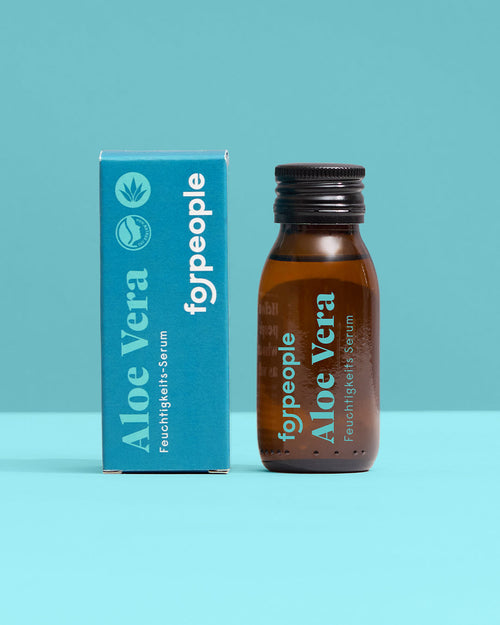
Aloe Vera Serum 99.6% from forpeople
- Aloe Vera Serum 99.6%, 50 ml, glass bottle with cork dispenser, €9.90
- Aloe Vera Serum 99.6%, 250 ml, glass bottle with cork dispenser, €24.90
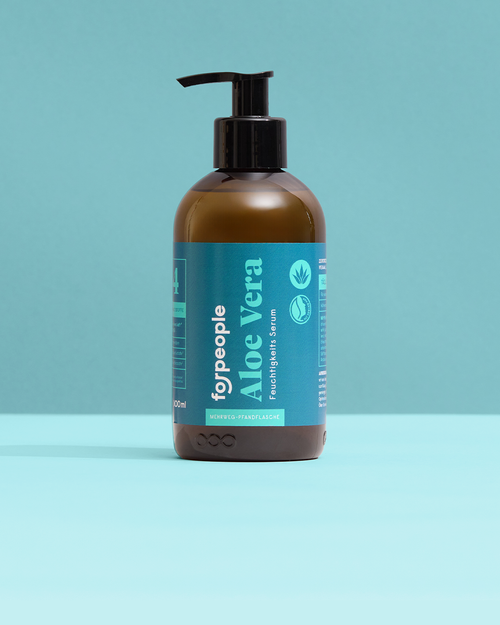
- Aloe Vera Serum 99.6% - Pump Bottle, 300 ml, €27.90
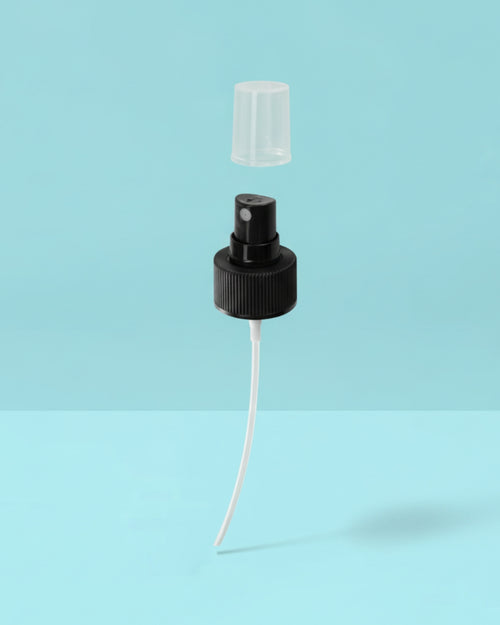
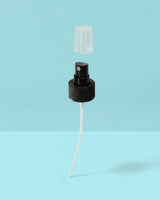
- Atomiser for Your Aloe Vera Serum, €3.90
Read more: Aloe vera as an ingredient · Water-free cosmetics · Body oil or body butter? · Solid cream or tube?