















Care for stressed skin
For skin exposed to cold, water, work and sport.
Filters
14 products
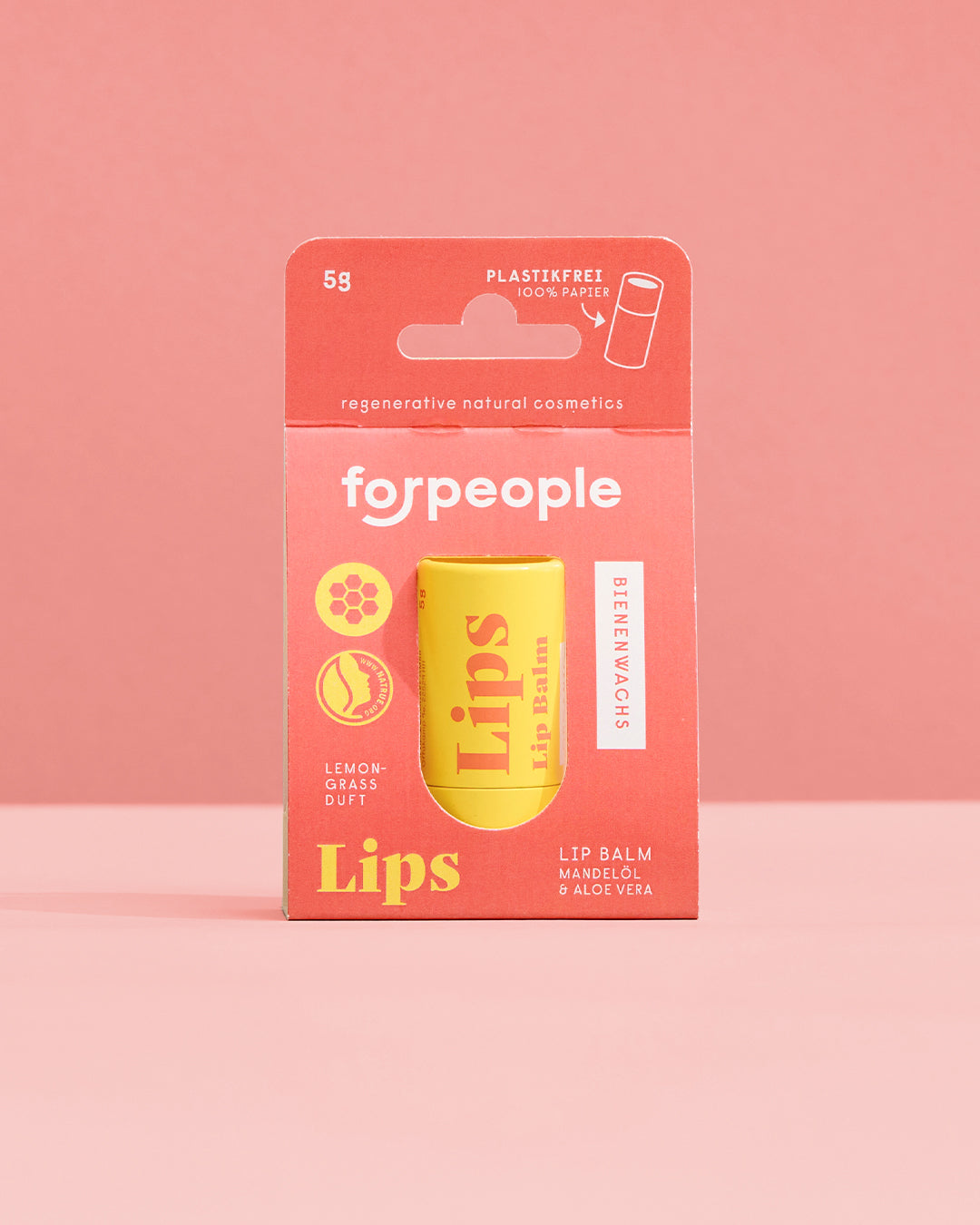
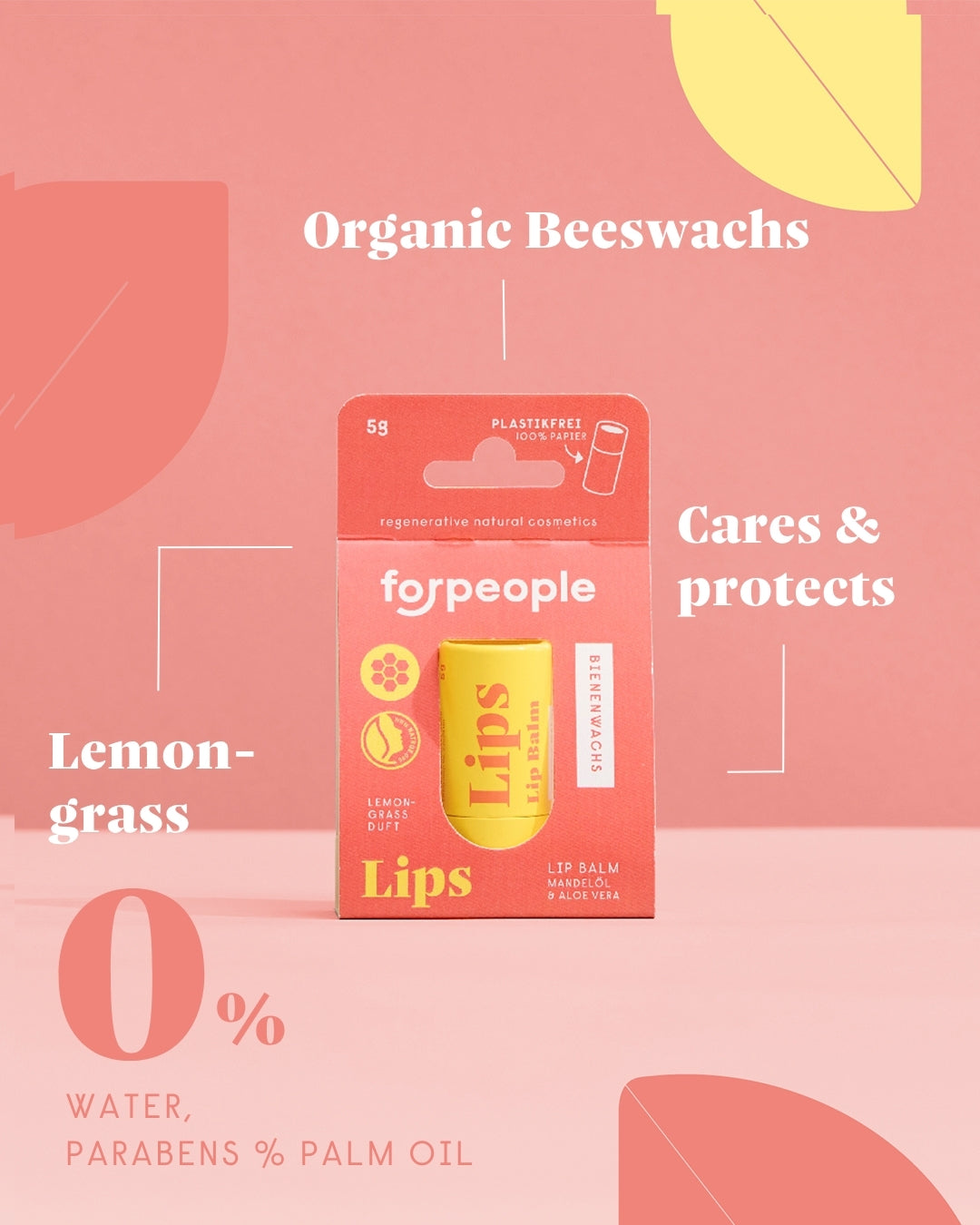
Lip Balm - Lemongrass
Sale priceFrom €4,90 (€0,98/g)
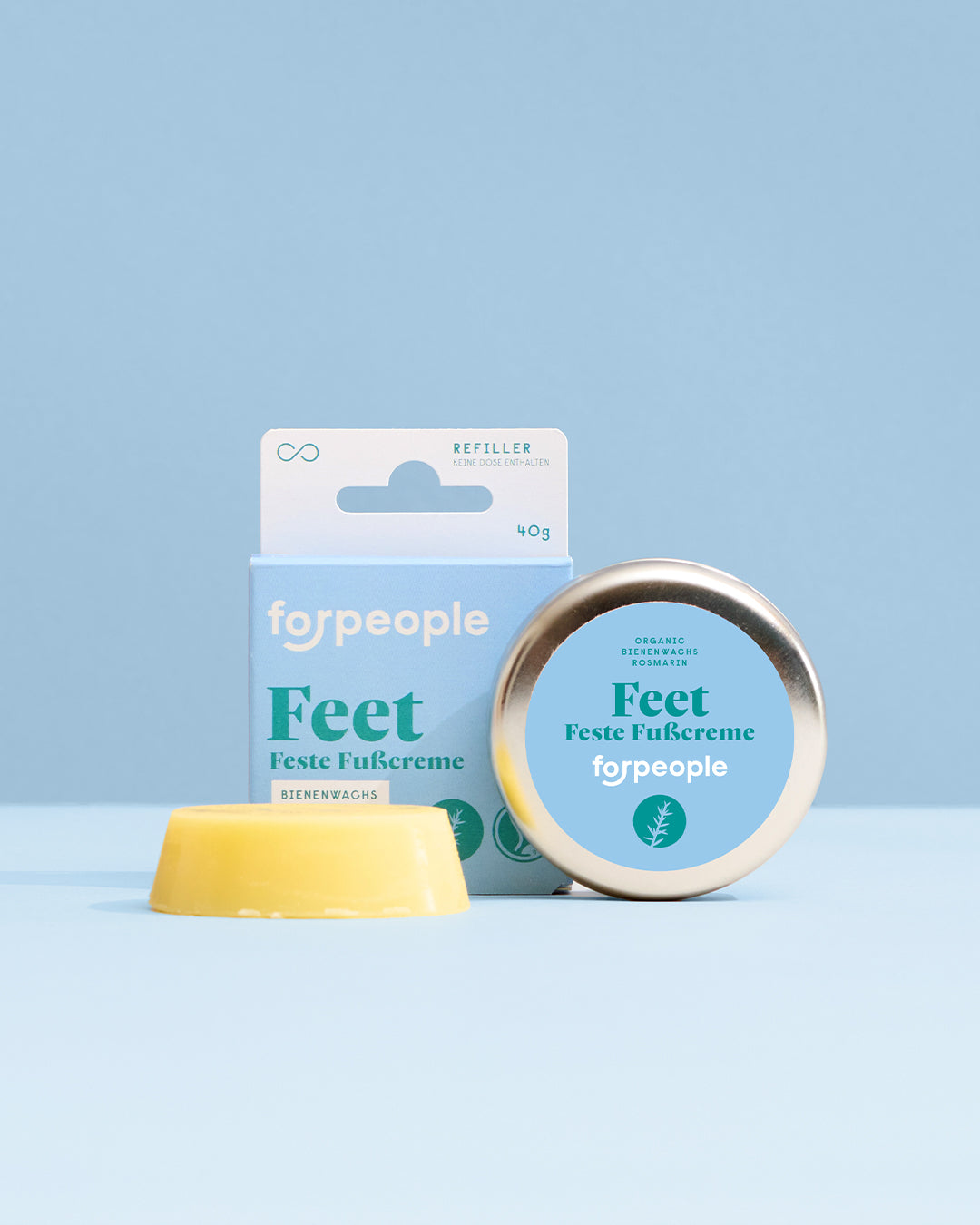
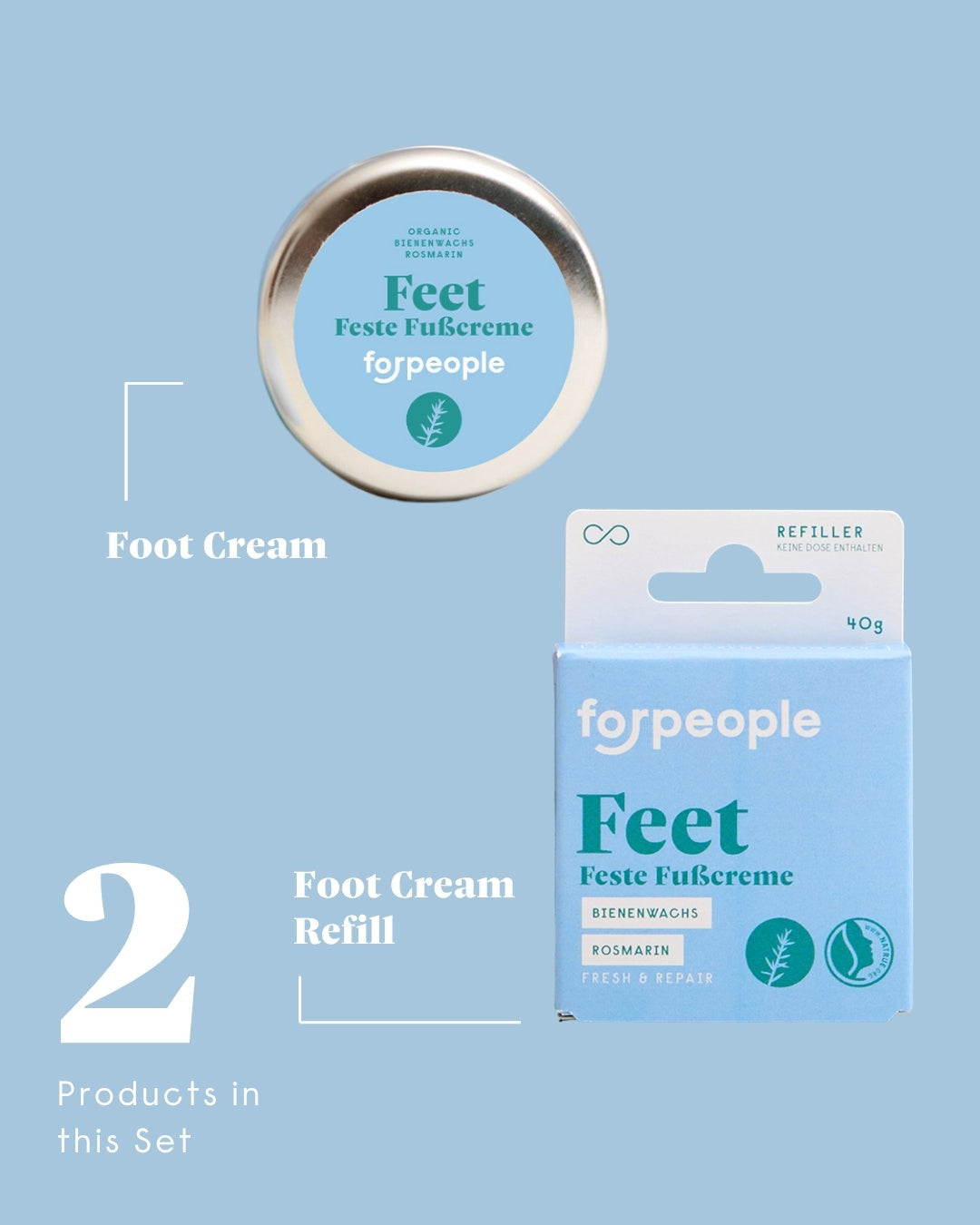
Foot Care Set – For Dry, Rough Feet (2× Rosemary Cream)
Sale priceFrom €16,90
Regular price€17,80 (€21,13/100g)
NEWOn sale

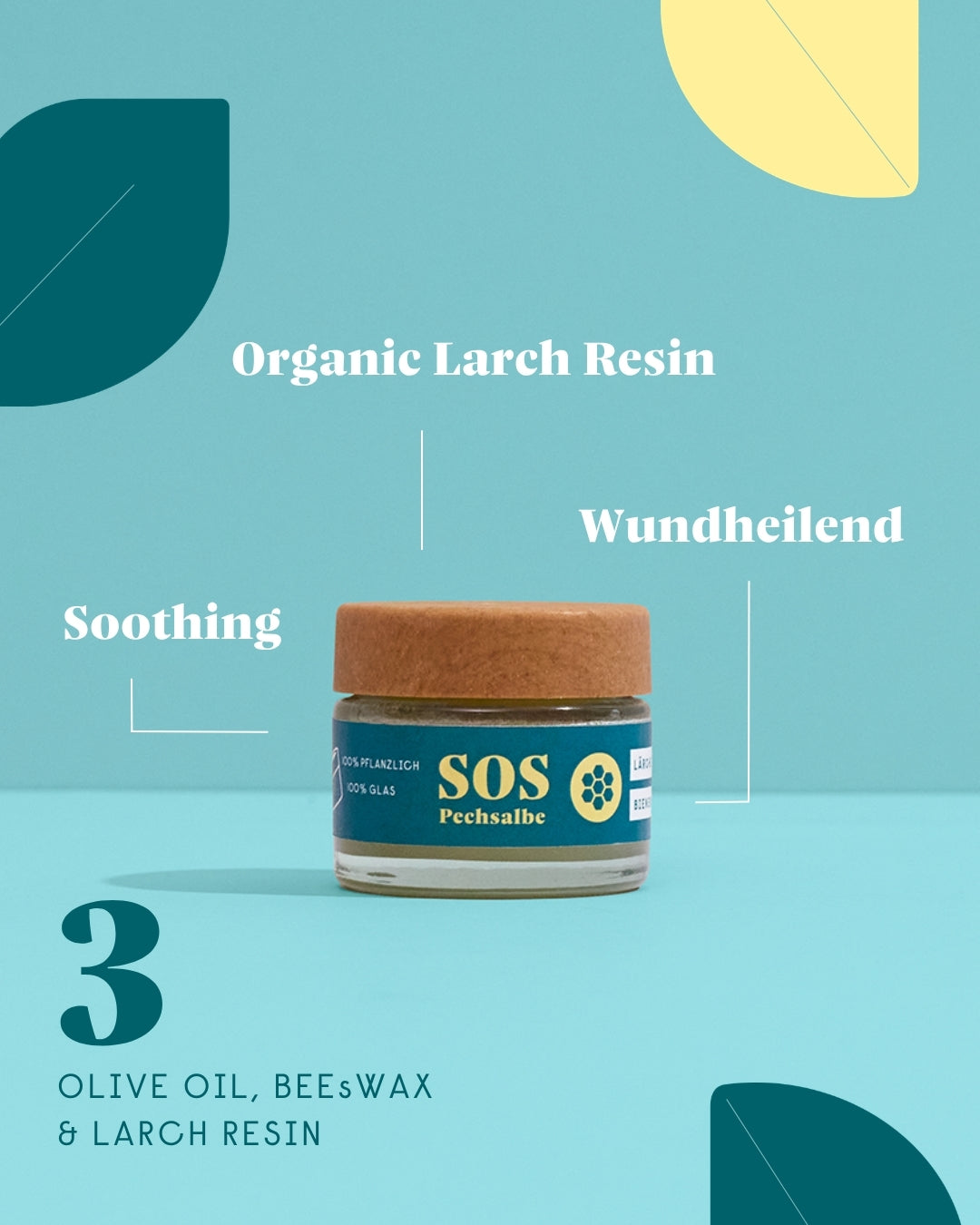
SOS Pitch Salve - Larch Resin in a Glass Jar
Sale priceFrom €16,90 (€33,80/100g)
Bundle deal
Build your own care bundle
Save 5% on 3 items, 9% on 5 and 13% on 7 or more.
Build your bundleFrom €49: a free mini cream of your choice


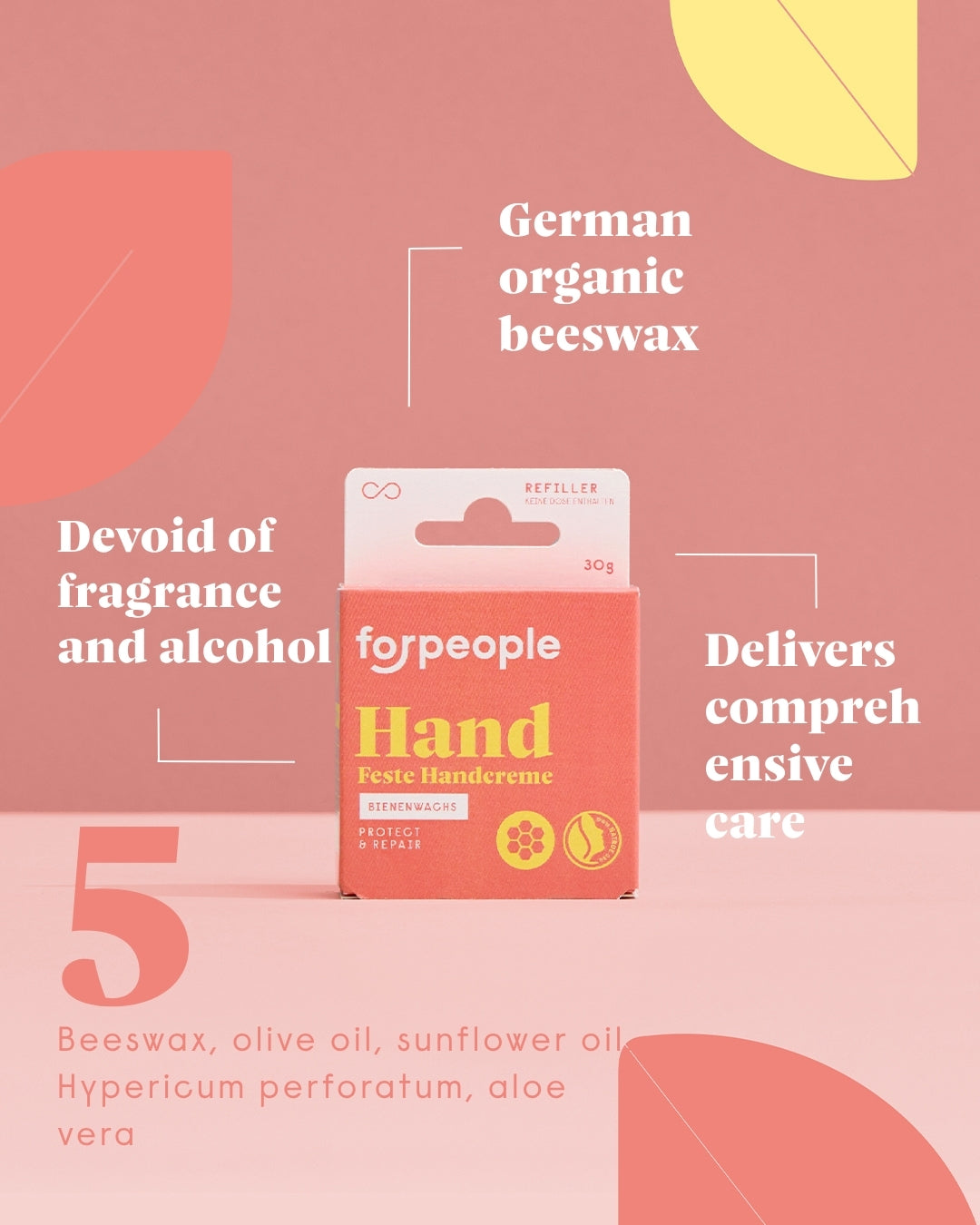
Solid Hand Cream Refill - Beeswax
Sale priceFrom €7,90 (€26,33/100g)
Fragrance-freeOn sale
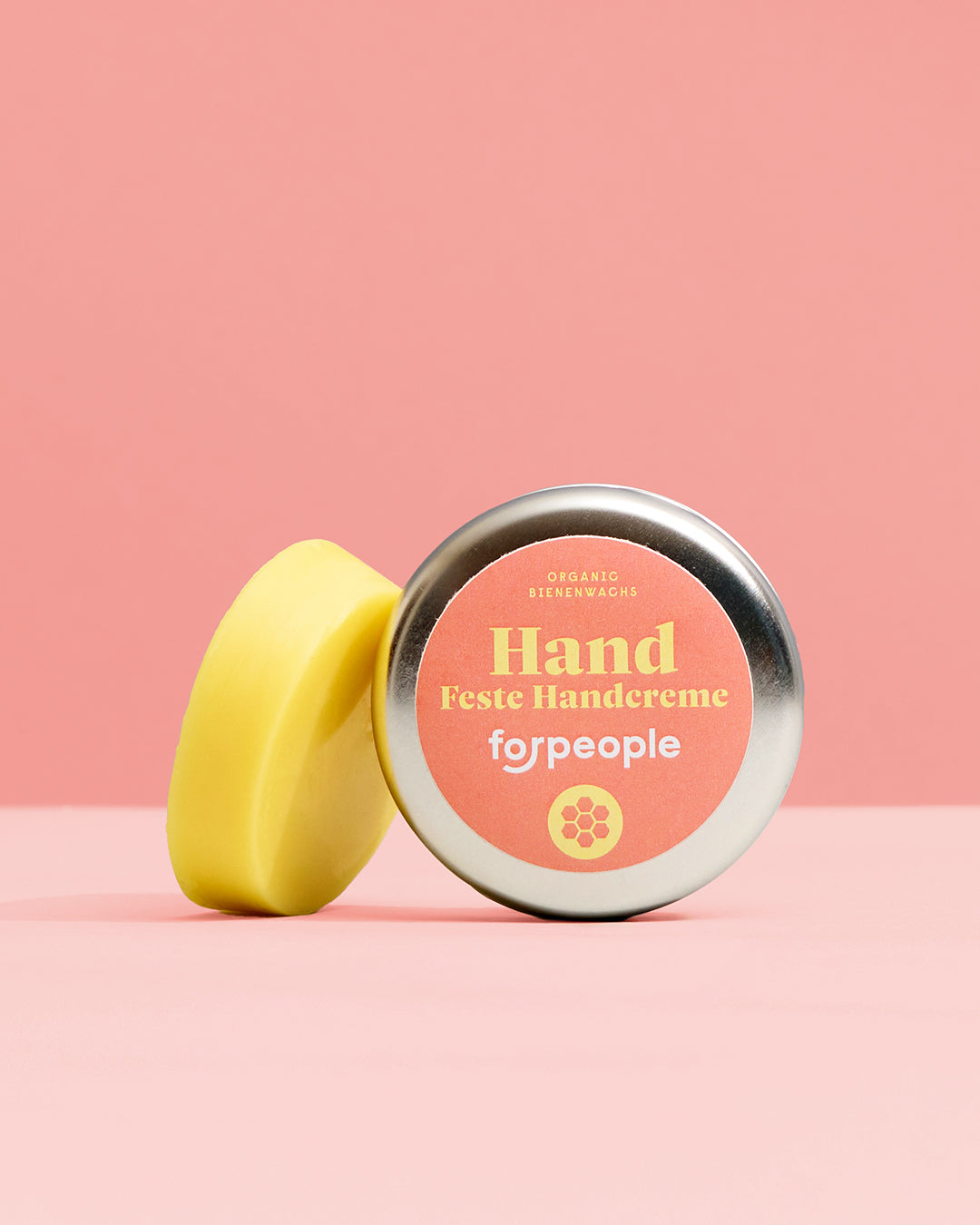
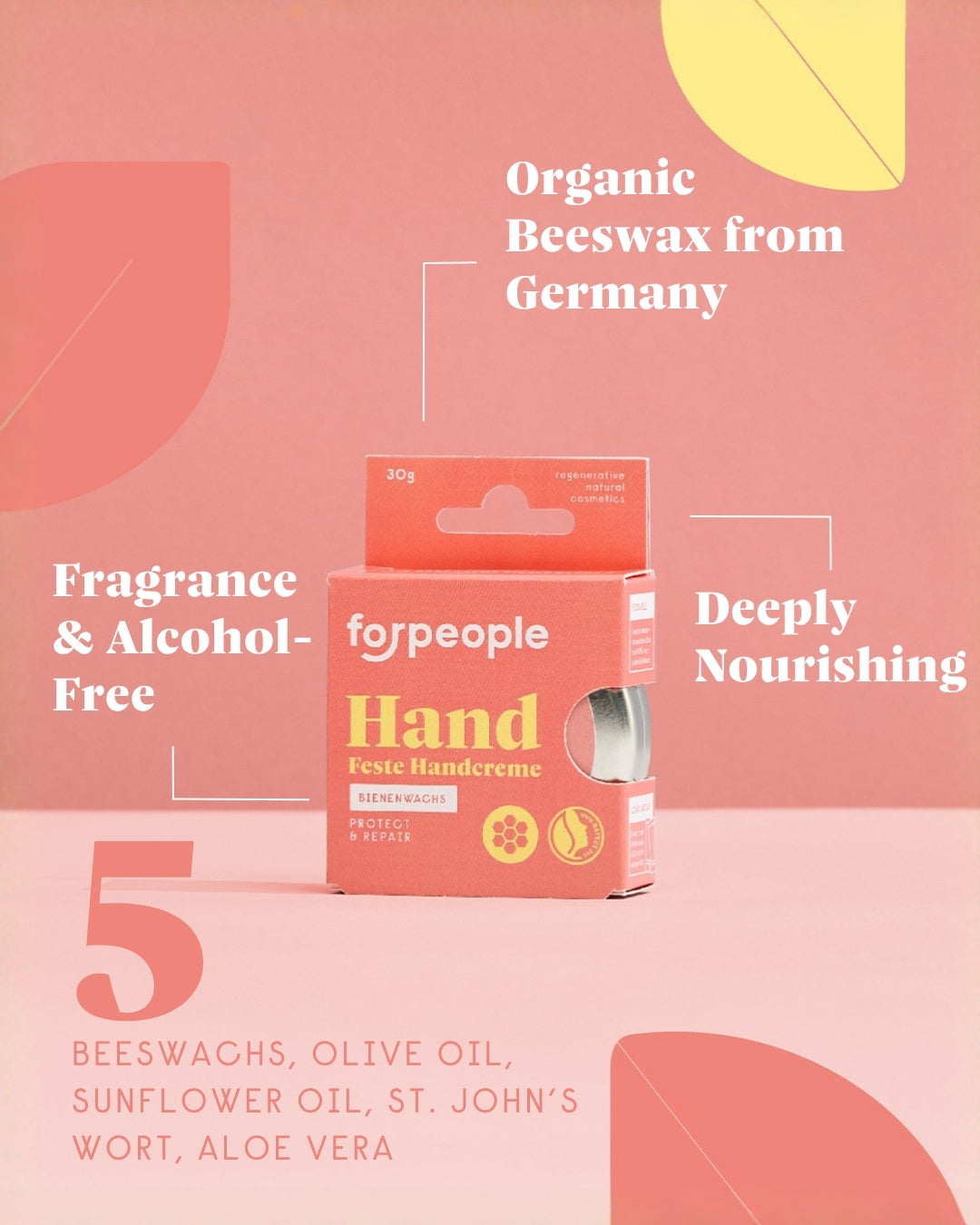
Solid Hand Cream - Beeswax
Sale priceFrom €9,90 (€33,00/100g)

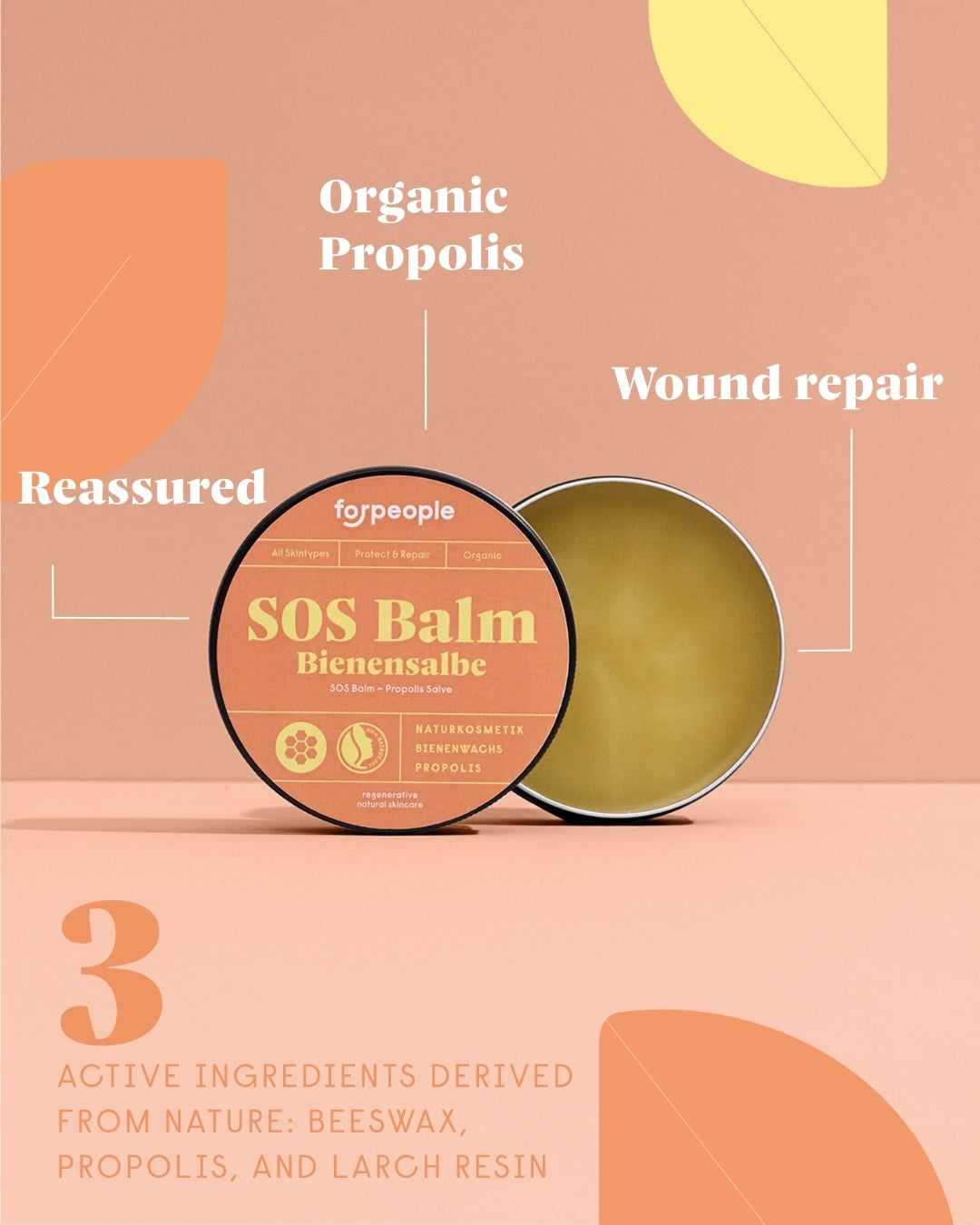

Bee Salve Larch & Mandarin in a Tin
Sale price€34,90 (€23,27/100g)
Tested & honest
Externally certified & tested in German labs
Dermatologically tested
Tested in German labs — for dry & sensitive skin.
Certified natural cosmetics
NaTrue-certified and Made in Germany.
30-day money-back
Take your time to try it — returns even on opened products.

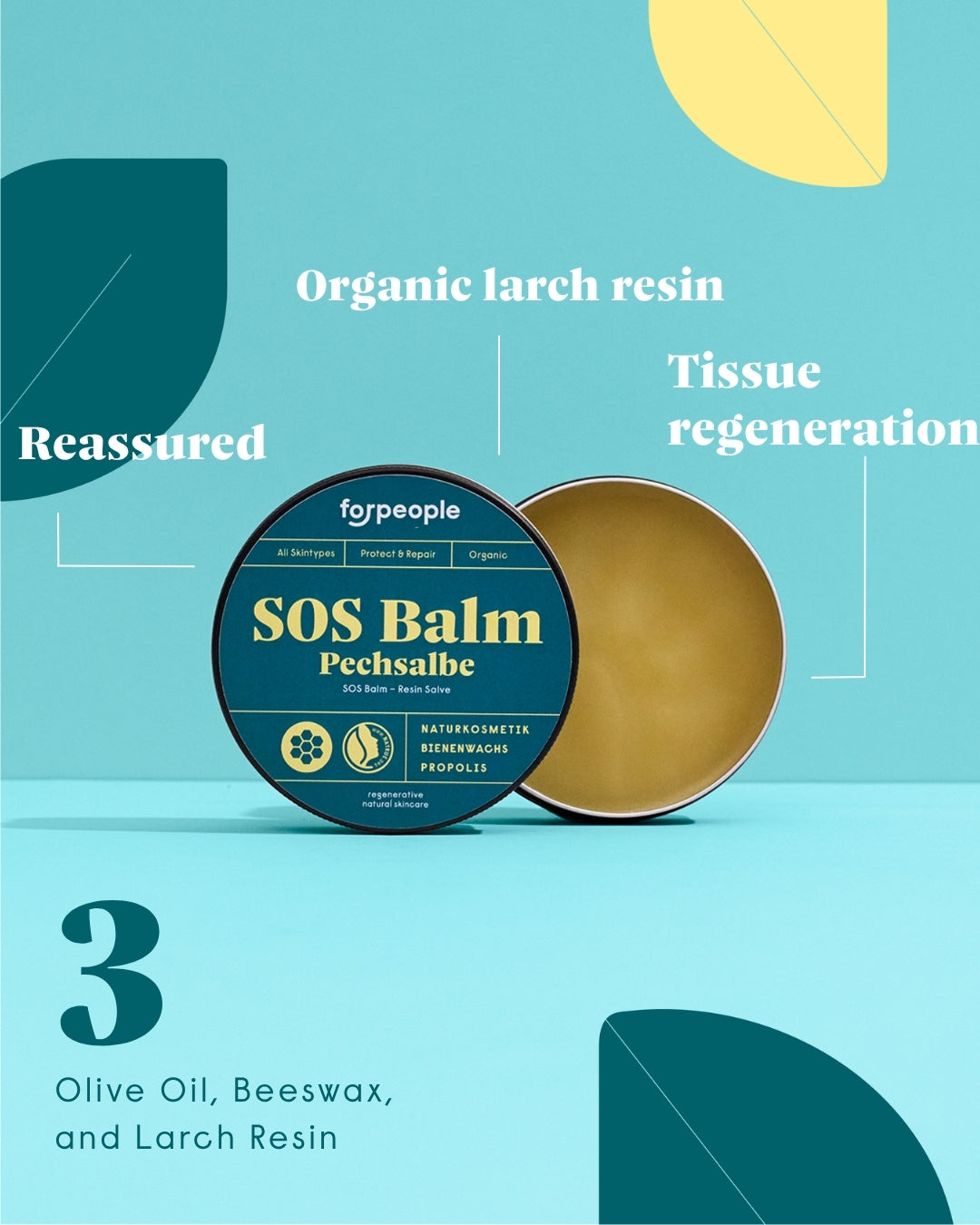
SOS Pitch Salve - Larch Resin in a Tin
Sale price€39,90 (€26,60/100g)
Fragrance-free

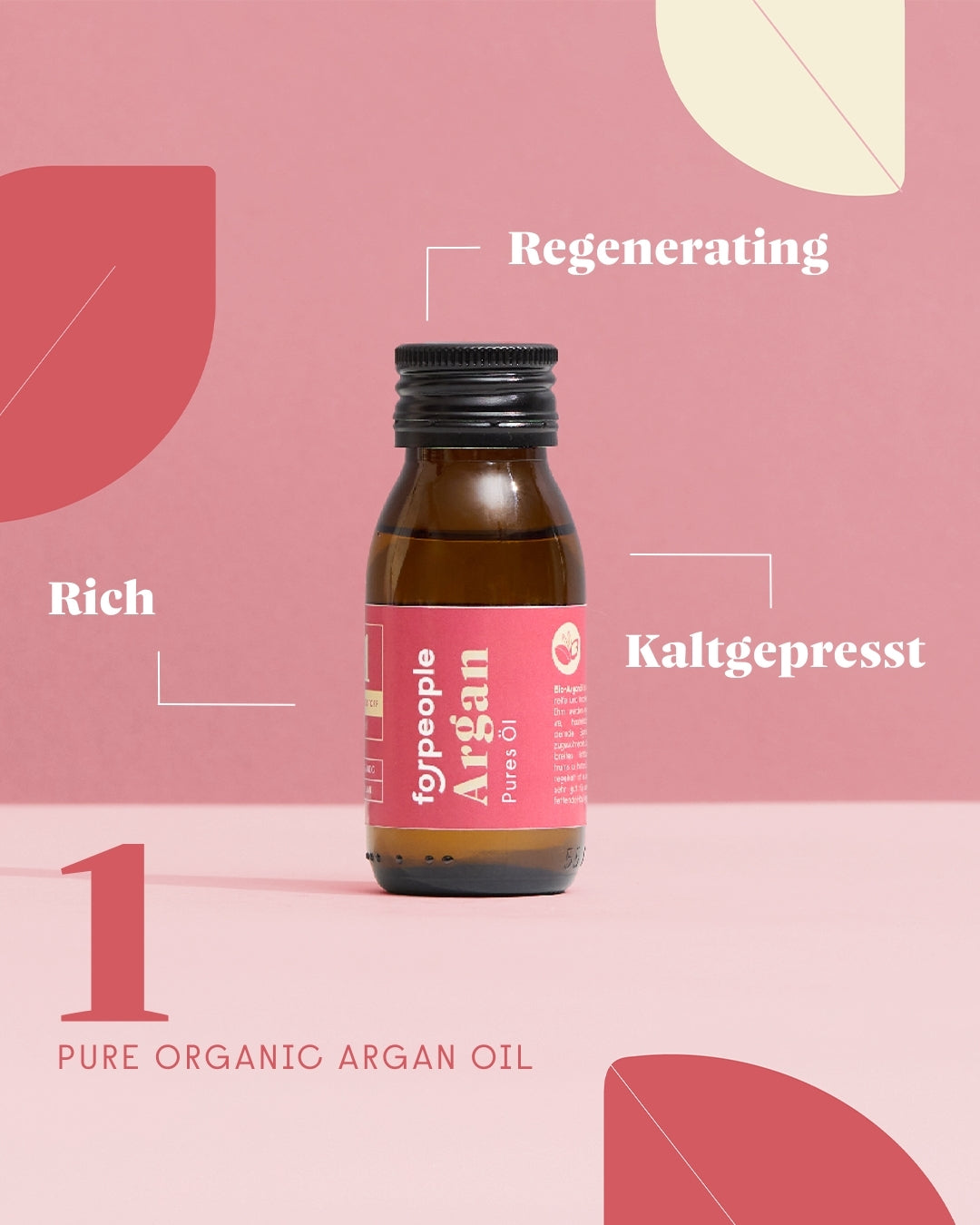
Argan Oil - pure
Sale price€19,90 (€39,80/100ml)
Free shippingSave €3,50

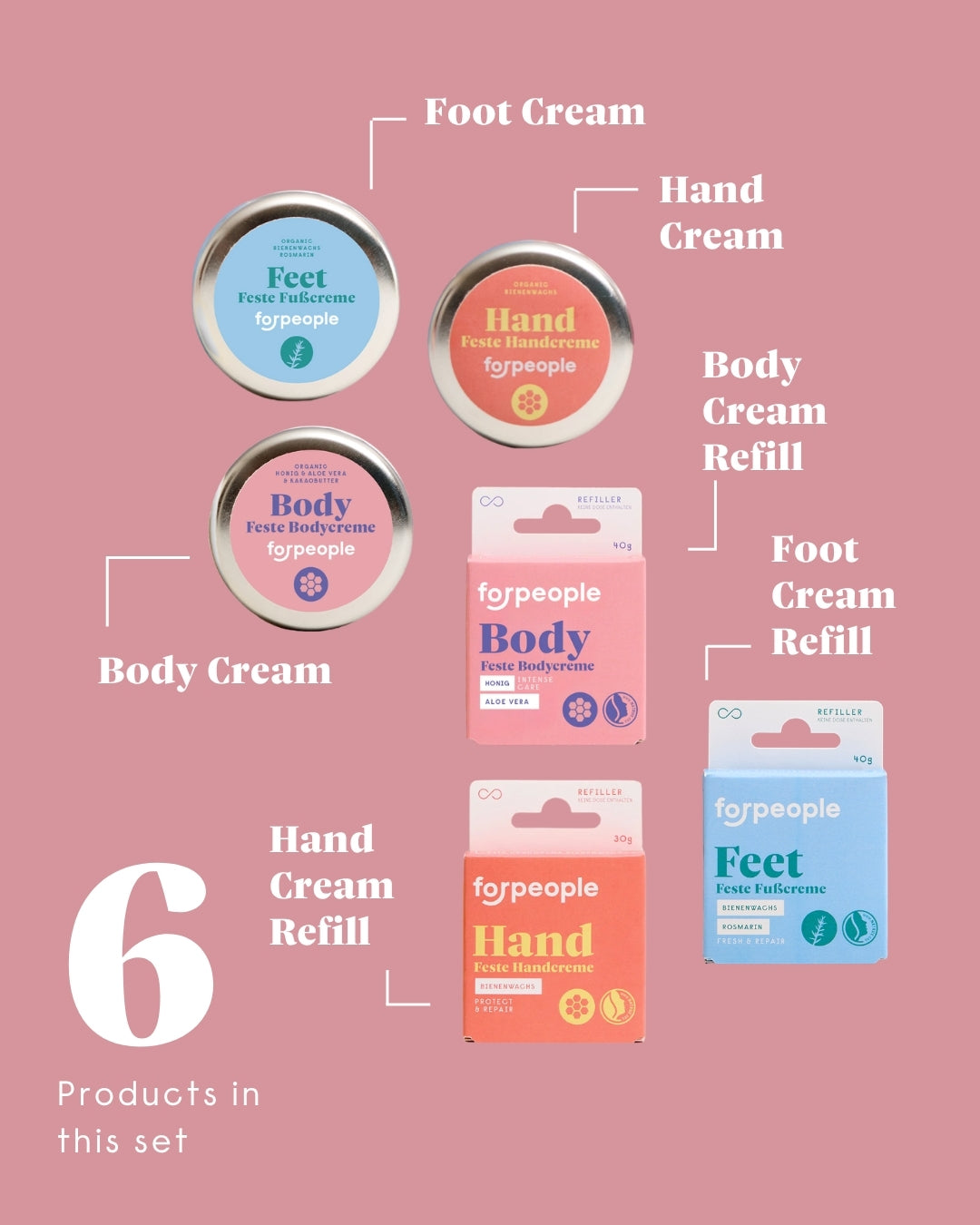
Solid Care for Dry Skin – Hands, Feet & Body
Sale price€49,90
Regular price€53,40 (€22,68/100g)

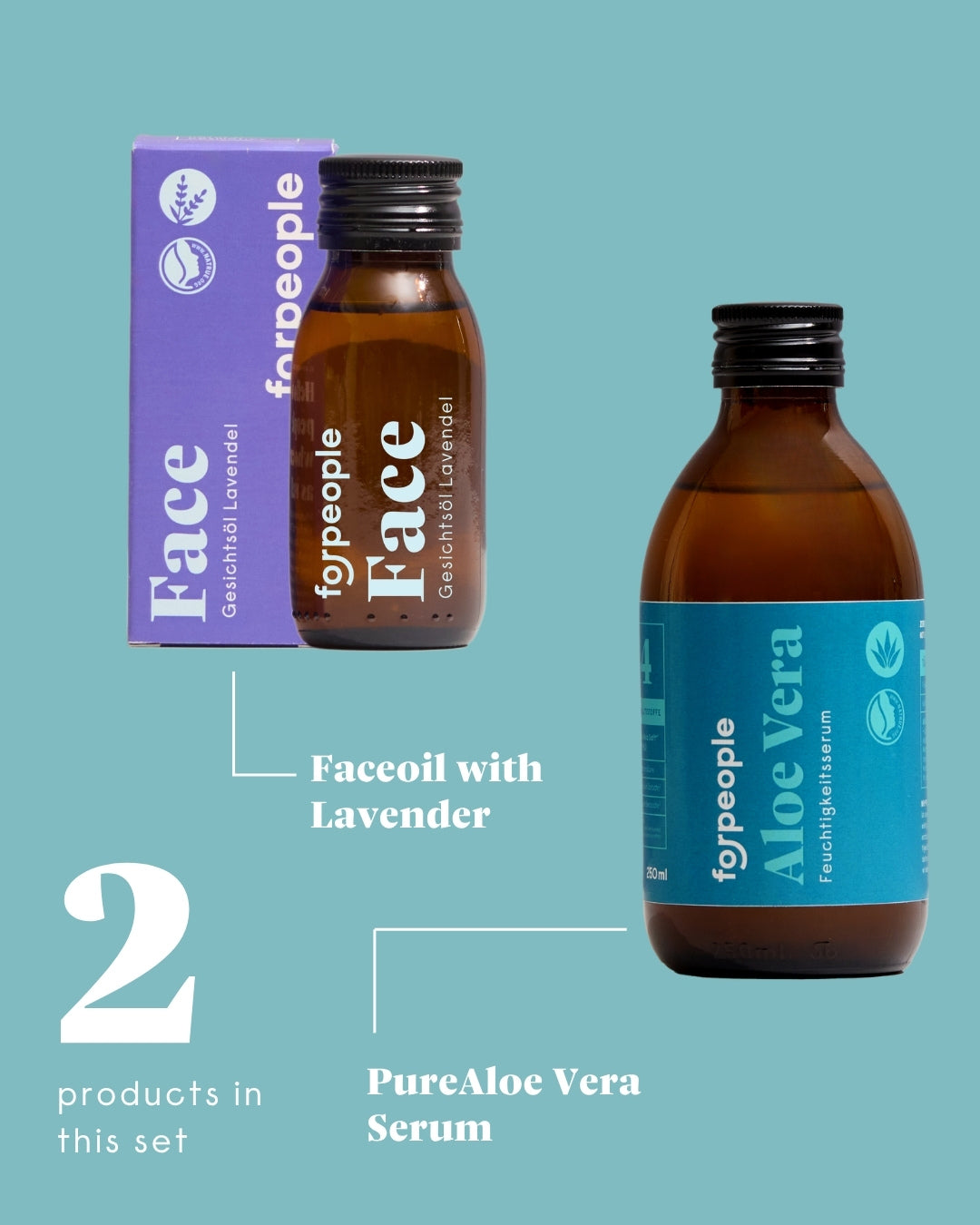
Facial Care Set for Dry, Sensitive Skin
Sale price€44,90
Regular price€49,90 (€12,83/100ml)
NEWNon-NanoOn sale

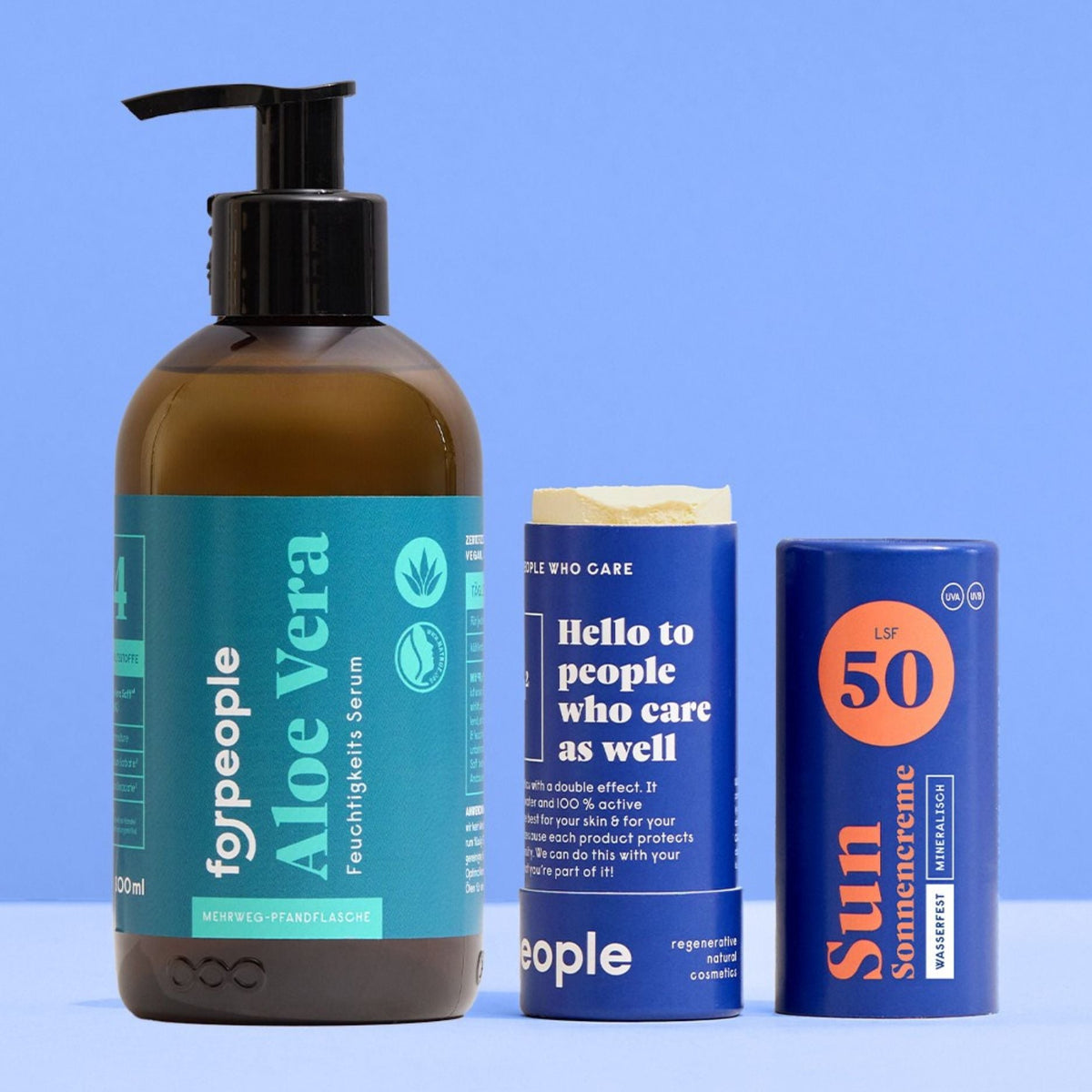
Sun Set – Mineral SPF 50 & Aloe After-Sun
Sale price€39,90
Regular price€42,80
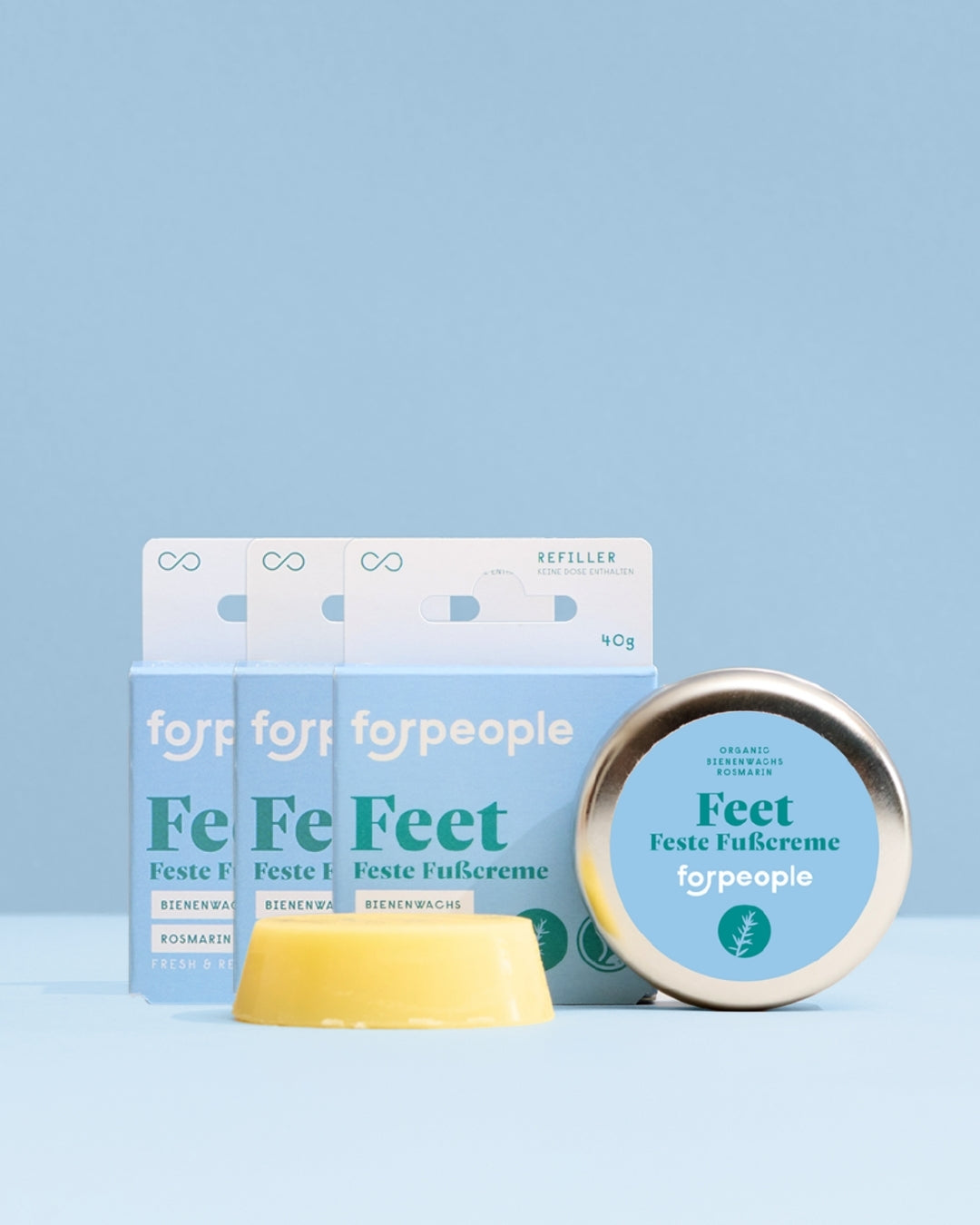
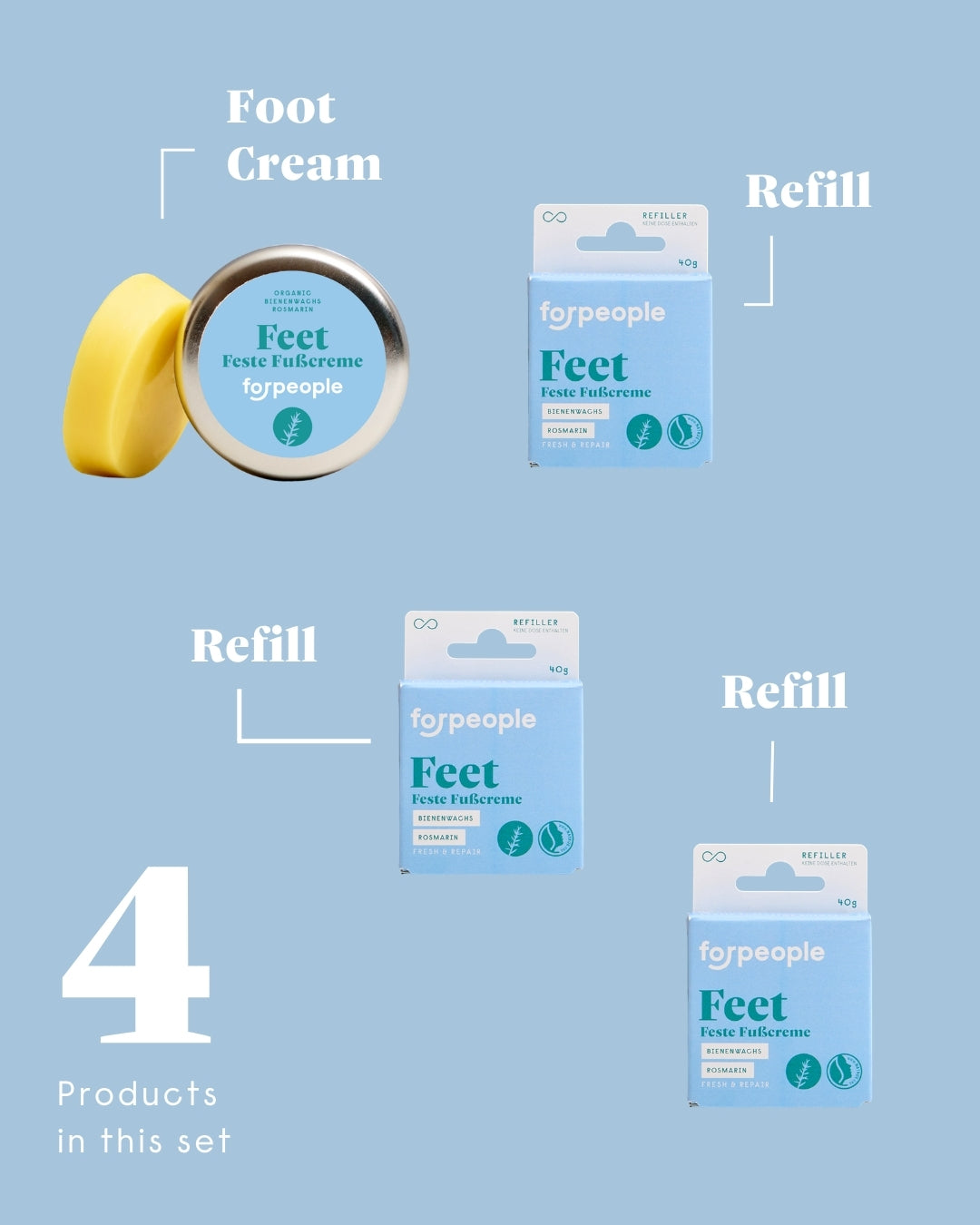
Foot Care Set XL – for Dry Feet
Sale price€29,90
Regular price€33,60 (€37,38/100g)

The principle
We leave the water out.
Most creams are mostly water — lots of packaging, little effect. forpeople grew out of everyday climbing, where cracked, worn hands need real care. So we leave the water out and fill the space with concentrated plant oils.
- Water-free – concentrated care instead of filler
- Lasts a long time – small solid tin, goes a long way
- Made in Germany – developed, made & dermatologically tested
Free from microplastics, parabens, silicones & synthetic fragrances.
Our story
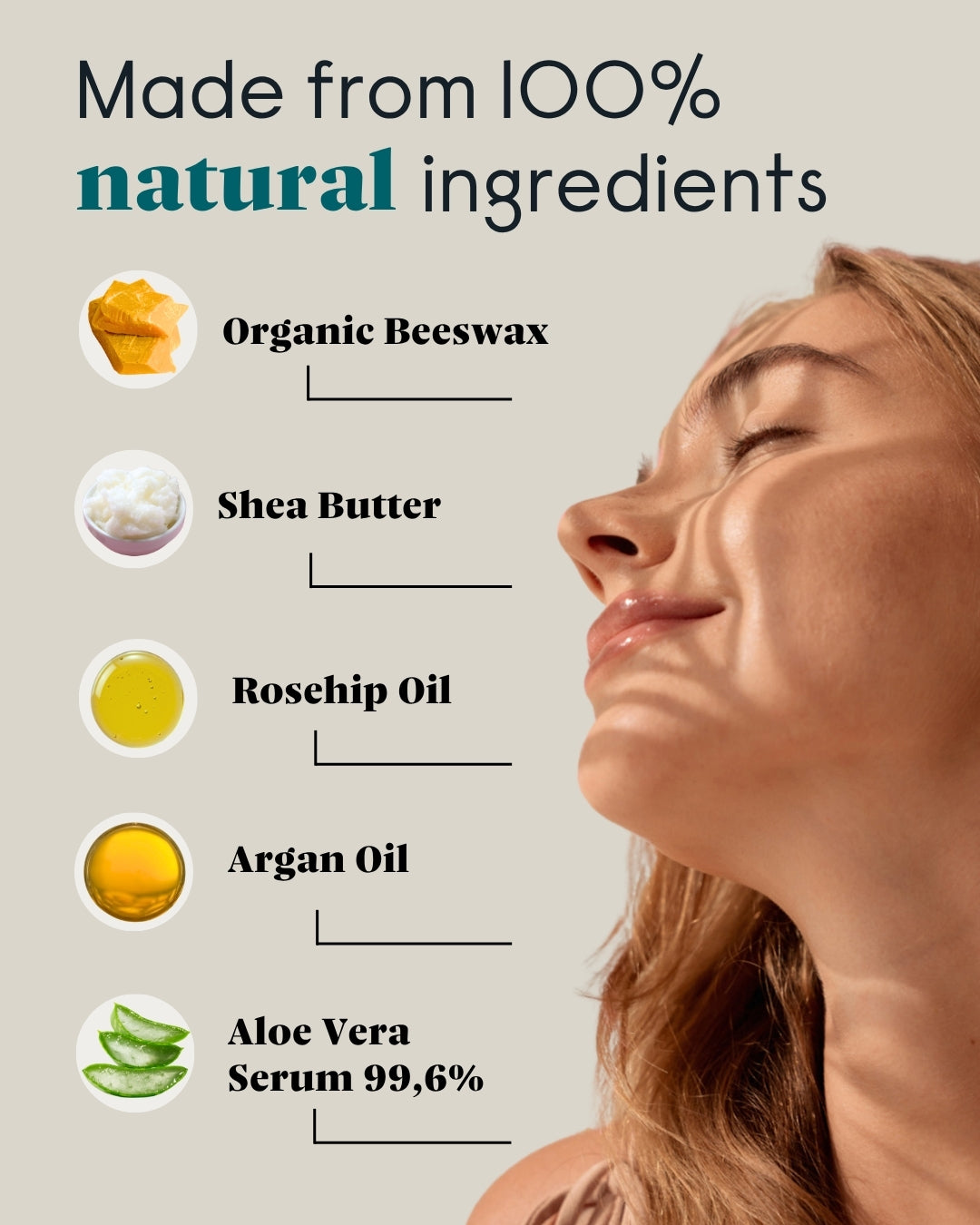
Kids Care Set 'Little Heroes' – Gentle Care for Little Adventurers
Sale price€19,90
Regular price€25,60
Free shipping

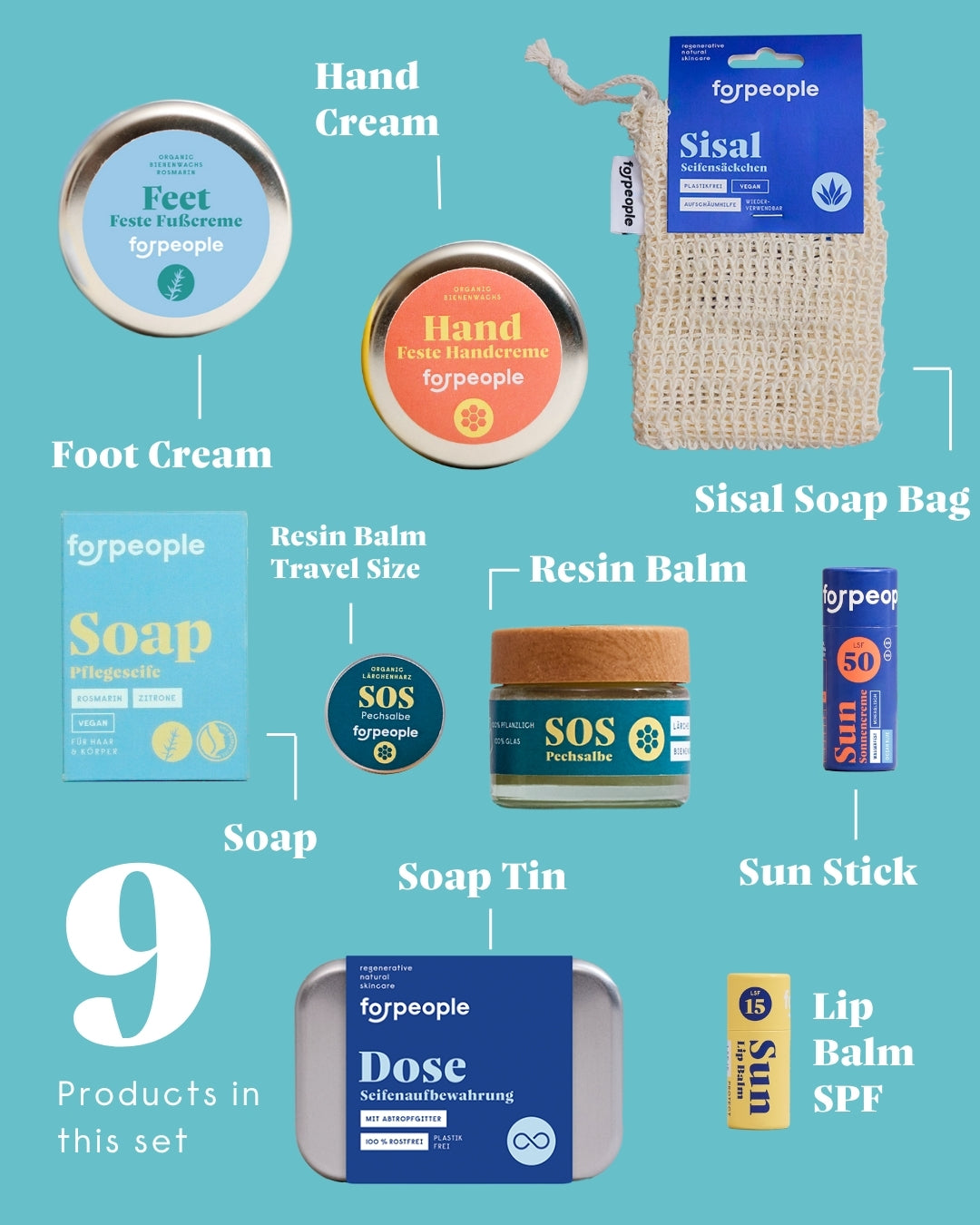
Outdoor Set – Sun Protection & SOS Care for Stressed Skin
Sale price€79,90
Regular price€83,10 (€35,04/100g)
Stressed skin: what strains it and what helps day to day
