








What is in pool water
In Germany, water in public pools must be treated and disinfected in the process; this is required by section 37(2) of the Infection Protection Act (Infektionsschutzgesetz). The technical side is described in the DIN 19643 series of standards, “Aufbereitung von Schwimm- und Badebeckenwasser” (treatment of swimming and bathing pool water). The values that operators and health authorities work to are set out in a recommendation by the German Environment Agency (UBA 2026):
| Parameter | Value in the UBA recommendation | What it means |
|---|---|---|
| Free chlorine | 0.30 to 0.60 mg/l; in whirlpools 0.70 to 1.0 mg/l | the disinfectant; it is present as hypochlorous acid and hypochlorite |
| Combined chlorine | upper value 0.20 mg/l | chloramines and related compounds formed from chlorine and nitrogen-containing substances that bathers bring into the water |
| pH | 6.5 to 7.2; up to 7.5 depending on the treatment process; up to 7.8 in seawater pools | close to neutral; according to the recommendation also relevant to the skin compatibility of the water |
The chlorine level may be raised temporarily to as much as 1.2 mg/l if the microbiological requirements cannot be met otherwise. The typical indoor-pool smell comes from trichloramine, which counts as combined chlorine; it irritates the eyes, nose, throat and bronchi (UBA 2026).
What happens to the skin when you swim
Two studies took measurements before and after:
- Nine women with healthy skin swam for one hour in a public pool. Afterwards, the skin surface on the face and body was less hydrated, carried less sebum, and its pH was higher. The next day, the values were back at baseline (Gardinier et al. 2009).
- In 33 competitive swimmers aged 12 to 21, water loss through the skin was raised on the forearm, the inner elbow and the back of the hand after two hours of training, and still so half an hour later. In the comparison group of 25 football players, it rose only on the back of the hand. According to the authors, this cannot simply be transferred to recreational swimmers (Paciência et al. 2021).
Then there is urea, which the German Environment Agency calls an important moisture-retaining substance of the skin: the outer skin layer contains about 8 micrograms per square centimetre. In a sample calculation, the agency assumes that it is rinsed out completely while bathing; with around two square metres of skin, that comes to about 0.16 grams per bather (UBA 2026). More on such substances: Humectants, occlusives, emollients.
Chlorine or water: which one dries out the skin?
The chlorine: In one experiment, ten people with healthy skin held their forearm for ten minutes in water at 40 °C containing different amounts of free chlorine. The water-holding capacity of their outer skin layer fell measurably only at 2.0 mg/l, not at 0.5 or 1.0 mg/l (Seki et al. 2003). The usual range in a swimming pool is below that. However, the short experiment does not reflect an hour of swimming.
The water: Even water without chlorine can dissolve water-binding substances out of the outer skin layer, and warm water puts more strain on it than cool water. The studies are covered in Foot soak before moisturising: worth it or not?
The pH: The skin surface is slightly acidic; pool water is close to neutral. Even tap water can raise the skin's pH for a few hours; see The skin barrier explained simply.
Before: shower yes, cream no
Thorough showering removes the urea from the skin almost completely; less combined chlorine then forms in the pool (UBA 2026). So showering beforehand improves the water for everyone.
Do not apply body oil, lotion or butter before swimming: some of what is on your skin ends up in the water, and in many pools applying cream before swimming is not welcome. There is no evidence that a film of cream protects the skin from chlorinated water.
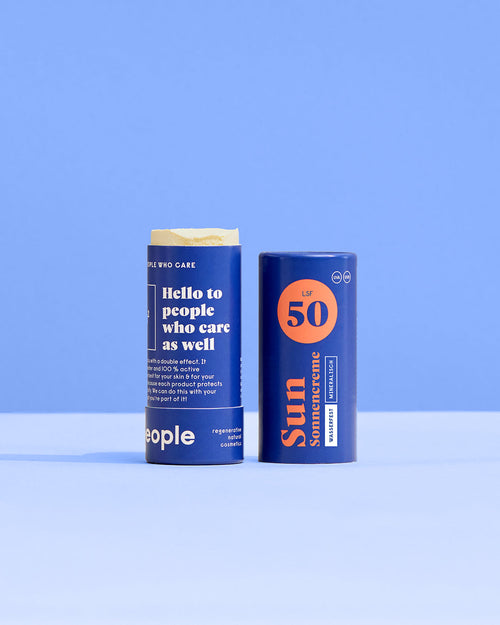
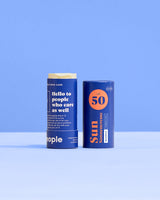
The exception is sun protection at an outdoor pool. The European Commission recommends applying sunscreen before sun exposure and reapplying it repeatedly, especially after swimming and towelling (Recommendation 2006/647/EC). This also applies to the Solid Sunscreen SPF50, which is mineral and tested as water-resistant. More on this: SPF, UVA and water resistance: what the labels mean.
After: rinse off, pat dry, moisturise
- Rinse off straight away. Lukewarm and thorough, so that no pool water dries on your skin.
- Pat dry. Pat rather than rub; dry thoroughly between your toes.
- Moisturise. Within a few minutes, while your skin is still slightly damp. A film of oils, butters or waxes brings no water of its own; it holds back what is in the outer skin layer; see Occlusion and TEWL.
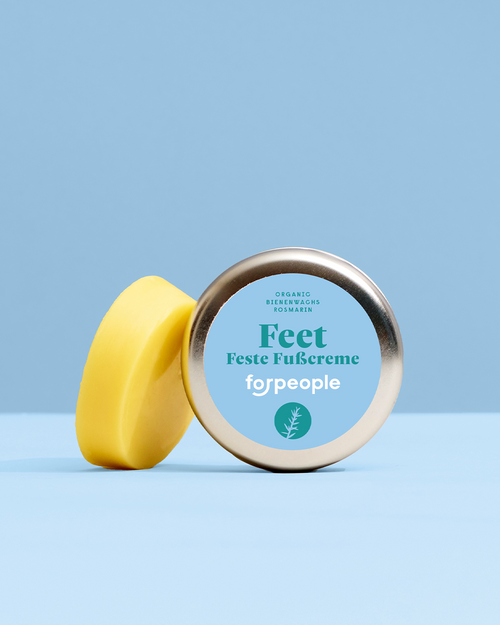
- Dry areas first. Shins, forearms, hands, lips and heels. For the heels, the Solid Foot Cream – Rosemary & Sage is suitable in the evening; it contains essential oils. More in Why do heels crack in summer?
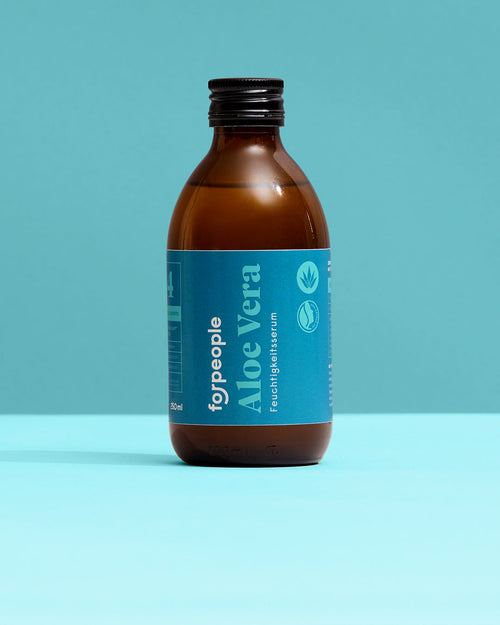
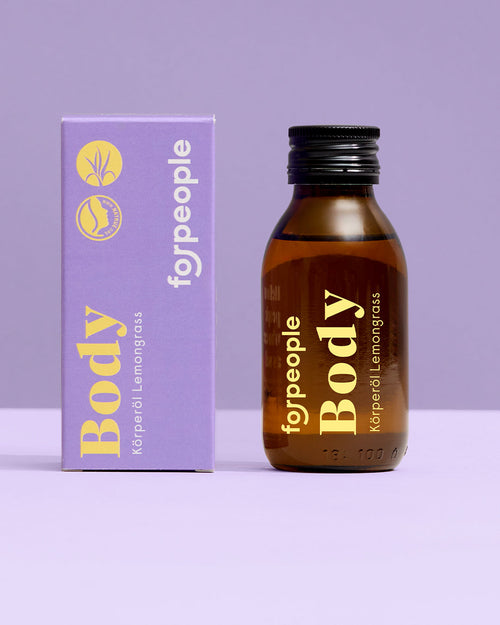
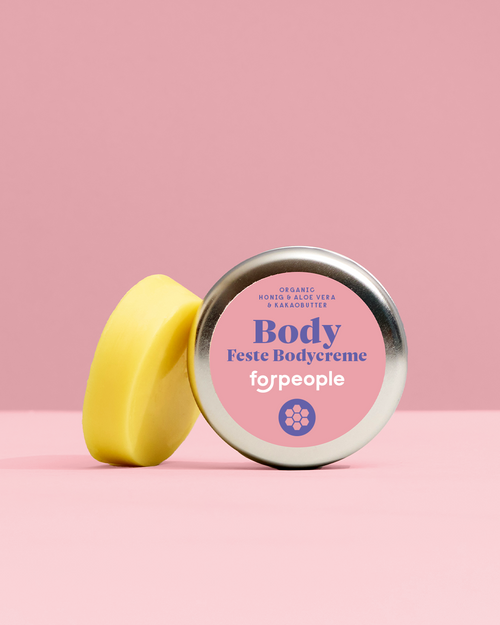
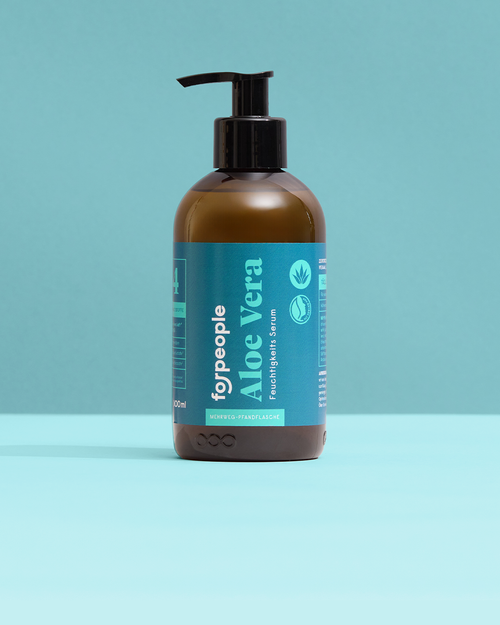
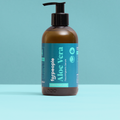
The water-based Aloe Vera Serum 99.6% brings moisture to the skin; an oil or a butter goes on top so that it does not evaporate again straight away; see Combining aloe vera serum with oil or solid cream. For large areas, the Body Oil - Lemongrass with lemongrass essential oil is suitable; for very dry areas, the Solid Body Butter - Beeswax & Aloe Vera, which contains no essential oils according to its INCI list.
Hair after chlorinated water
Of 67 members of the Japanese national swimming team, 61% had lightened hair; in the comparison group, nobody did. The lightened hairs that were examined lacked the cuticle, the outer layer. The researchers attribute this mainly to friction in the water; after that, hypochlorous acid could penetrate and oxidise pigment (Nanko et al. 2000). There are no comparable data for recreational swimmers.
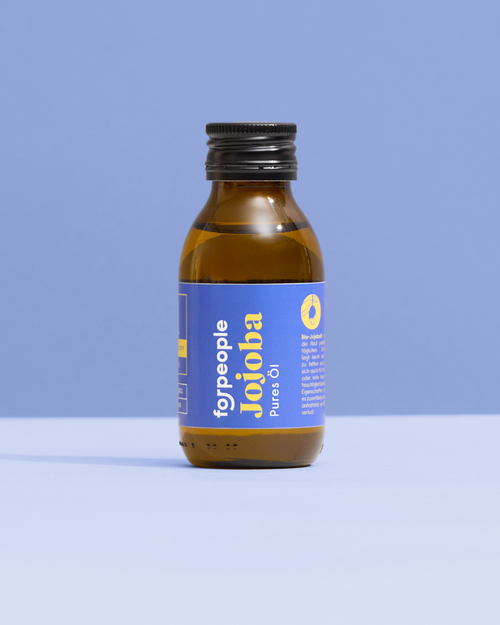
The usual advice: rinse and wash your hair with clean water after swimming, and wear a swim cap if you train often. One or two drops of oil in the ends, for example Jojoba Oil - pure, add shine and make hair easier to comb. More in Oil for hair ends: which one, how much?
When to seek medical advice?
Cosmetics care for the skin; they do not treat medical conditions. See a doctor if your skin regularly itches severely, burns, or develops hives or a rash after swimming, if red or flaky patches persist for days, or if your eyes and airways react strongly in the indoor pool. If you have atopic dermatitis, it is best to discuss swimming with your dermatology practice: in the experiment mentioned above, the water-holding capacity of the outer skin layer fell in people with the condition from as little as 0.5 mg/l of free chlorine (Seki et al. 2003).
What customers say
A selection of verified reviews from our shop (collected via Judge.me), translated from German and partly shortened.
“Great serum. Refreshing, and also simply for the skin now and then, especially in summer. TOP”
Customer review of Aloe Vera Serum 99.6% - Pump Bottle, 5 out of 5 stars, December 2025, verified purchase
Frequently asked questions
Is chlorinated water bad for the skin?
For healthy skin, the available measurements suggest that a visit to the pool is a temporary strain: hydration, sebum and pH were back to their previous levels the next day. If you are in the pool often and for long periods, rinse off and moisturise every time.
Should I moisturise before swimming?
No. There is no evidence that a film of cream protects against chlorinated water. The exception is sun protection at an outdoor pool.
Why does an indoor pool smell of chlorine?
According to the German Environment Agency, the smell comes from trichloramine. It forms, among other things, when chlorine reacts with urea from sweat, urine and skin. The more thoroughly everyone showers beforehand, the less of it forms.
Aloe vera serum, oil or butter: what should I use after swimming?
The serum contains water and goes on first; oil or butter then lays a film over it. In reviews, customers describe the serum as refreshing and combine it with a few drops of oil.
Does the solid body butter go soft in a swim bag?
In summer it can; reviews describe this too. Keep the tin in the shade. It becomes firm again in a cool place. More in Storing solid cosmetics: heat, summer and winter.
At forpeople
- Aloe Vera Serum 99.6%, 250 ml, €24.90: contains water; aloe vera juice, citric acid, potassium sorbate, sodium benzoate.
- Solid Body Butter - Beeswax & Aloe Vera, 40 g, €9.90: water-free; cocoa butter, olive oil, beeswax, sunflower oil, shea butter, aloe vera extract.
- Body Oil - Lemongrass, 100 ml, €16.90: sesame, safflower, sea buckthorn seed and sunflower oil, turmeric extract, lemongrass essential oil.
- Solid Sunscreen SPF50, 40 g, €17.90: mineral, with zinc oxide and titanium dioxide (non-nano), tested as water-resistant, paper tube without plastic coating.
More on this: Moisturise before or after the sauna? · How do I wash off mineral sunscreen? · Body Oil or Body Butter – Which One When?
From the blog: Aloe Vera Serum: What It's Really Good For – and What It Can't Do · Sunscreen without chemical filters – what you should know
Sources
- Umweltbundesamt (2026): Hygieneanforderungen an Bäder und deren Überwachung. Empfehlung des Umweltbundesamtes (UBA) nach Anhörung der Schwimm- und Badebeckenwasserkommission des Bundesministeriums für Gesundheit (BMG) beim Umweltbundesamt. Bundesgesundheitsbl 69: 954–978. https://doi.org/10.1007/s00103-026-04249-z
- Gardinier S, Guéhenneux S, Latreille J, Guinot C, Tschachler E (2009): Variations of skin biophysical properties after recreational swimming. Skin Res Technol 15(4): 427–432. https://doi.org/10.1111/j.1600-0846.2009.00382.x
- Paciência I, Rodolfo A, Leão L, Silva D, Cavaleiro Rufo J, Mendes F et al. (2021): Effects of Exercise on the Skin Epithelial Barrier of Young Elite Athletes-Swimming Comparatively to Non-Water Sports Training Session. Int J Environ Res Public Health 18(2): 653. https://doi.org/10.3390/ijerph18020653
- Seki T, Morimatsu S, Nagahori H, Morohashi M (2003): Free residual chlorine in bathing water reduces the water-holding capacity of the stratum corneum in atopic skin. J Dermatol 30(3): 196–202. https://doi.org/10.1111/j.1346-8138.2003.tb00371.x
- Nanko H, Mutoh Y, Atsumi R, Kobayashi Y, Ikeda M, Yoshikawa N et al. (2000): Hair-discoloration of Japanese elite swimmers. J Dermatol 27(10): 625–634. https://doi.org/10.1111/j.1346-8138.2000.tb02243.x
- Europäische Kommission (2006): Empfehlung 2006/647/EG vom 22. September 2006 über die Wirksamkeit von Sonnenschutzmitteln und diesbezügliche Herstellerangaben. ABl. L 265: 39–43. https://eur-lex.europa.eu/eli/reco/2006/647/oj