The problem: when all your skin feels tight and flaky
A few weeks into the heating season, it is no longer just the face that feels tight after showering, but everything: shins and arms are rough, fine flakes lie on dark clothing, the back itches in the evening. This is very common. In skin examinations of 48,630 employees in Germany, 29.4 per cent had dry skin, more often with increasing age (Augustin et al. 2019a); beyond 60, almost everyone has it (DermNet: Dry skin). A position paper by German dermatologists estimates that more than ten million people in Germany are affected and also calls dry skin a key symptom of many skin, internal and neurological diseases (Augustin et al. 2019b).
That is exactly what makes the question difficult: usually it is the winter, sometimes there is more to it. The overview below helps with orientation. It does not replace a diagnosis; only a medical examination gives certainty.
| Clue | more likely an external cause | better have it checked |
|---|---|---|
| Onset | with the heating season, after a new shower gel, a move or a lot of swimming | without an obvious trigger, gradually over months |
| Course with care | clearly better after one to two weeks | persists despite consistent care |
| Itch | moderate, better after applying cream | intense, at night, longer than six weeks, even without a visible rash (Weisshaar et al. 2025) |
| Accompanying signs | none | tiredness, feeling cold, weight gain, dry hair (NHS: Underactive thyroid); thirst, frequent urination, weight loss (NHS: Type 2 diabetes); fever, night sweats (Weisshaar et al. 2025) |
| Medicines | unchanged | new or changed medicine in recent months (Weisshaar et al. 2025) |
Why it happens in autumn and winter
The external reasons come together in winter. Low humidity and cold weaken the skin's barrier function and make it more susceptible to friction and irritants (Engebretsen et al. 2016). Heated air, wind and direct heat from radiators or fires draw water out of the horny layer; frequent bathing, soaps, cleaning products and friction from rough clothing remove fat (DermNet: Dry skin). Hot water adds to this: in an experiment with 50 healthy volunteers, the skin lost more than twice as much water after hot water as before (Herrero-Fernandez et al. 2022). Anyone who showers longer and hotter in winter affects the whole body surface at once, which is why the dryness then seems to appear "suddenly" and everywhere.
Then there are habits that are rarely connected with the skin: sauna sessions, swimming pools, hard water after a move, wool clothing directly on the skin. What limescale does when you wash is explained in Hard water and dry skin: what limescale does when you wash, what dry indoor air does in Humidity and skin: what dry heated air does and what helps. Why skin gets drier over the years is covered in Dry skin in old age: causes, winter care and applying oil safely.
When internal causes may be behind it
The table below lists conditions in which dry skin or itching all over the body has been described. It is not a self-test. Many of these signs also have harmless reasons; only a doctor can clarify whether a condition is present.
| Possible cause | What may show on the skin | Other clues |
|---|---|---|
| Underactive thyroid, often due to the autoimmune condition Hashimoto's disease | dry skin, dry hair or hair loss; itching probably comes from the dryness (Weisshaar et al. 2025) | tiredness, feeling cold, weight gain, constipation, hoarse voice; develops slowly; diagnosed with a blood test (NHS: Underactive thyroid) |
| Diabetes | dry skin up to scaly skin, especially on the shins and feet (Piérard et al. 2013) | tiredness, peeing more than usual, constant thirst, losing weight without trying (NHS: Type 2 diabetes) |
| Chronic kidney disease | dry skin; very common on dialysis, often with itching on the back, legs and arms (Sommer et al. 2022) | usually known; discuss itching with the care team |
| Liver disease | itching rather than dryness, often all over the body, at first on the palms and soles, worse in the evening and at night (Weisshaar et al. 2025) | yellowish skin or eyes need to be seen by a doctor promptly |
| Medicines | dry skin, for example with oral retinoids, water tablets (diuretics) and certain cancer medicines (DermNet: Dry skin) | onset after a new or changed medicine; never stop on your own |
| Malnutrition, marked weight loss | dry skin (DermNet: Dry skin) | can only be clarified by examination, not with supplements on suspicion |
| Acquired ichthyosis | fish-scale-like skin that first appears in adulthood; rare, but linked to thyroid deficiency, lymphoma, other tumours, sarcoidosis or HIV (DermNet: Dry skin) | have it checked promptly |
| Sjögren's syndrome and other autoimmune diseases | in Sjögren's syndrome, itching is usually linked to dry skin (Weisshaar et al. 2025) | dry eyes and dry mouth |
In detail: Dry skin from medicines: which active ingredients can cause it and what you can do, Dry skin with diabetes: why it happens and how to care for your feet and legs and Dry skin and vitamin deficiency: causes and what you can do. Skin diseases such as atopic eczema also show as dry skin all over the body, see Dry skin or atopic eczema? How to tell the difference.
The solution step by step
| Step | What you do | Why |
|---|---|---|
| Now: change how you shower | short, lukewarm showers instead of long, hot baths; bathe less often; soap or shower gel only where needed, or a mild soap substitute | this is what the dermatology source advises for dry skin (DermNet: Dry skin); hot water increases water loss (Herrero-Fernandez et al. 2022) |
| Now: apply cream | pat dry and generously apply a rich care product to the still slightly damp skin, for example the Solid Body Butter - Beeswax & Aloe Vera or, for large areas, Almond Oil - pure | generous and frequent care, especially after bathing, is the basis (DermNet: Dry skin) |
| Every day: indoor air | don't overheat rooms, air them briefly but thoroughly; a humidifier can help if it is kept clean | dry, cold air weakens the barrier (Engebretsen et al. 2016) |
| Every day: clothing | soft fabrics directly on the skin, wool on top | friction from rough clothing dries the skin out (DermNet: Dry skin) |
| After two weeks: take stock | clearly better: carry on. Unchanged or itchy: make an appointment and take a list of the medicines from the last twelve months | the guideline on chronic itch specifically asks about new or changed medicines in this period (Weisshaar et al. 2025) |
How soon to apply cream after showering is explained in How soon should you moisturise after a shower? The 3-minute rule; whether oil or butter suits you better, in Body Oil or Body Butter – Which One When?
What helps – and what doesn't really
| Measure | Assessment |
|---|---|
| Short, lukewarm showers, then cream | with external causes usually helps within one to two weeks |
| Ever richer creams, but still hot showers | rather not; the cause remains |
| Drinking a lot | part of good health, but no substitute for care; what is known about it is in Dry skin despite drinking plenty? What water, diet and omega-3 really do |
| Vitamins or minerals on suspicion | rather not; whether there is a deficiency is shown by a medical blood test |
| Body scrub against the flakes | rather not on dry, itchy skin; it adds friction |
| Stopping a medicine because the skin is dry | never on your own; talk to your doctor or pharmacist first |
| Putting up with itching for weeks | rather not; from six weeks, itching is considered chronic and should be investigated (Weisshaar et al. 2025) |
Common mistakes
- Only changing the cream. As long as the shower stays hot and long, even the richest care will hardly be enough.
- Fragranced shower gels and bath additives on the whole body every day. Cleansing removes fat; on arms, legs and back, water is usually enough.
- Not mentioning accompanying signs. Tiredness, feeling cold, thirst or weight changes belong on the table at the appointment, even if they seem to have nothing to do with the skin.
- Taking supplements on suspicion. Whether there is a deficiency can only be shown by an examination; supplements on suspicion do not replace it. More in Dry skin and vitamin deficiency: causes and what you can do.
- Leaving out a medicine. Even if the dryness started with it: this is something to discuss with the doctor.
When to seek medical advice?
Have dry skin all over the body checked by your GP if
- it has not clearly improved after about two weeks of lukewarm showers and daily care,
- the skin itches for longer than six weeks, itches intensely at night or itches without a visible rash; according to the guideline, internal diseases, medicines or nerve conditions are then also possible (Weisshaar et al. 2025),
- tiredness, feeling cold, weight gain, hair loss or a hoarse voice are added (NHS: Underactive thyroid),
- you are constantly thirsty, need to pee often or lose weight without trying (NHS: Type 2 diabetes),
- your skin or the whites of your eyes turn yellowish,
- the skin has been dry since a new or changed medicine; don't stop it, talk to your doctor or pharmacist,
- the skin newly looks like fish scales or cracks, turns red or weeps; dry skin can turn into eczema (DermNet: Dry skin),
- you have kidney disease or are on dialysis and your skin itches; in a German study of 302 dialysis patients, only 40 per cent of those with dry skin sought medical help, although most treated it themselves (Sommer et al. 2022).
Promptly, within a few days, you should go if itching all over the body occurs mainly at night together with fever, night sweats, unintended weight loss or great tiredness; the guideline names this as a sign of more serious illness (Weisshaar et al. 2025).
At the practice it is about talking, examining the skin and, if needed, a blood test. The European guideline names as first steps, among others, a blood count, kidney and liver values, the thyroid value TSH, blood sugar and iron stores (Weisshaar et al. 2025); which values are needed is decided by the doctor. For children with dry, itchy skin all over the body, the paediatrician is the right place. For itching in winter in general, see Itchy skin in winter: showering, care and when to see a doctor; for individual patches, Dry patches on the skin: when harmless, when to see a doctor?
Frequently asked questions
Why is my skin suddenly dry all over my body?
Usually because of winter: dry heated air, cold and long, hot showers affect the whole body surface at once. If it doesn't improve within about two weeks with lukewarm showers and daily care, have it checked by a doctor.
Which deficiency can cause dry skin all over the body?
Malnutrition and marked weight loss can make the skin dry. A vitamin deficiency is rarely the reason in Germany, as our page on vitamin deficiency explains; whether there is one can only be shown by a medical blood test. Supplements on suspicion do not replace this.
Can the thyroid cause dry skin?
Yes. Dry skin and dry hair are among the common signs of an underactive thyroid, together with tiredness, feeling cold and weight gain. The most common cause is the autoimmune condition Hashimoto's disease. It is diagnosed with a blood test.
Which diseases cause dry skin?
Besides skin diseases such as atopic eczema, mainly an underactive thyroid, diabetes and chronic kidney disease. With liver disease, itching tends to be in the foreground. Less common are autoimmune diseases such as Sjögren's syndrome or acquired ichthyosis.
My skin itches all over. What should I do?
First care for the skin and shower in lukewarm water. If the itching lasts longer than six weeks, wakes you at night or there is no visible rash, have the cause checked by a doctor.
Does drinking more help?
Drinking enough is important, but it does not replace care from the outside. With dry skin from heated air and hot showers, changing your habits helps most.
Which blood values are checked for dry skin?
That is decided by the doctor. For longer-lasting itching, the European guideline names as first steps, among others, a blood count, kidney and liver values, TSH, blood sugar and ferritin.
My skin is flaking all over my body. Is that dangerous?
Fine flakes in winter are usually dry skin. If the skin newly looks like fish scales, is red, weeps or if fever and feeling unwell are added, it should be seen by a doctor.
At forpeople
For dry skin all over the body that is to be cared for from the outside, these products are suitable. They care for the skin; they do not treat an internal cause, and according to their product pages they do not belong on injured or irritated skin.
- Solid Body Butter - Beeswax & Aloe Vera, 40 g, €9.90: cocoa butter, olive oil, beeswax, sunflower oil, shea butter and aloe vera extract, water-free and without added fragrance; according to its product page applied after showering to still damp skin.
- Body Care Set – For Dry, Tight Skin (2× Body Butter), 80 g, €16.90: one tin and one refill of the same butter.
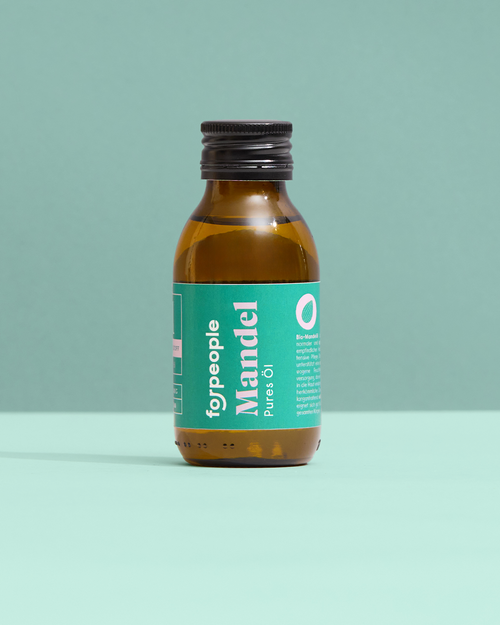
- Almond Oil - pure, 100 ml, €14.90: a single oil without added fragrance that spreads easily over large areas; according to its product page best applied to still slightly damp skin straight after showering.
Test anything new on a small area first: Trying a new product: how do I test it on a small area?
Read more: Dry skin in winter: what helps with cold and indoor heating · Why does skin feel tight after a shower? · Why are shins dry and flaky in winter?
Sources
- Augustin M, Kirsten N, Körber A, Wilsmann-Theis D, Itschert G, Staubach-Renz P, Maul JT, Zander N (2019a): Prevalence, predictors and comorbidity of dry skin in the general population. Journal of the European Academy of Dermatology and Venereology 33(1): 147–150. https://doi.org/10.1111/jdv.15157
- Augustin M, Wilsmann-Theis D, Körber A, Kerscher M, Itschert G, Dippel M, Staubach P (2019b): Diagnosis and treatment of xerosis cutis – a position paper. Journal der Deutschen Dermatologischen Gesellschaft 17 Suppl 7: 3–33. https://doi.org/10.1111/ddg.13906
- DermNet: Dry skin (xeroderma). Oakley A (1997), updated March 2022, accessed 29 October 2026. https://dermnetnz.org/topics/dry-skin
- Engebretsen KA, Johansen JD, Kezic S, Linneberg A, Thyssen JP (2016): The effect of environmental humidity and temperature on skin barrier function and dermatitis. Journal of the European Academy of Dermatology and Venereology 30(2): 223–249. https://doi.org/10.1111/jdv.13301
- Weisshaar E, Müller S, Szepietowski JC, Dalgard F, Garcovich S, Kupfer J et al. (2025): European S2k Guideline on Chronic Pruritus. Acta Dermato-Venereologica 105: adv44220. https://doi.org/10.2340/actadv.v105.44220
- NHS: Underactive thyroid (hypothyroidism). Last reviewed 28 April 2025, accessed 29 October 2026. https://www.nhs.uk/conditions/underactive-thyroid-hypothyroidism/
- NHS: Symptoms of type 2 diabetes and how it's diagnosed. Last reviewed 10 February 2025, accessed 29 October 2026. https://www.nhs.uk/conditions/type-2-diabetes/symptoms/
- Piérard GE, Seité S, Hermanns-Lê T, Delvenne P, Scheen A, Piérard-Franchimont C (2013): The skin landscape in diabetes mellitus. Focus on dermocosmetic management. Clinical, Cosmetic and Investigational Dermatology 6: 127–135. https://doi.org/10.2147/CCID.S43141
- Sommer R, Ständer S, Augustin M (2022): Skin Lesions, Skin Care, and Characteristics of Pruritus in Patients Undergoing Haemodialysis. Skin Pharmacology and Physiology 35(2): 87–93. https://doi.org/10.1159/000519367
- Herrero-Fernandez M, Montero-Vilchez T, Diaz-Calvillo P, Romera-Vilchez M, Buendia-Eisman A, Arias-Santiago S (2022): Impact of Water Exposure and Temperature Changes on Skin Barrier Function. Journal of Clinical Medicine 11(2): 298. https://doi.org/10.3390/jcm11020298