The problem: dry patches you notice
In autumn, when the heating comes on, many people notice them: rough, dull skin on the shins, flaky elbows, a dry patch on the forearm that won't go away. Others notice pale patches on their child's face after the summer, brownish patches on the chest after a holiday, or a rough spot on the forehead that catches when washing. Dry skin itself is very common; beyond the age of 60 almost everyone has it, and the shins are affected most often (DermNet: Dry skin).
Most dry patches are just that: dry skin. Some patterns, however, point to something else. The overview below describes typical patterns according to dermatological sources. It does not replace a diagnosis; many skin changes look alike, mixed pictures are common, and only a medical examination gives certainty.
| Pattern | Where and in whom it is typical | What may be behind it |
|---|---|---|
| rough, dull, finely flaking over an area, similar on both sides of the body | shins, arms, hands; more common with age; worse in winter | dry skin (DermNet: Dry skin) |
| round, coin-sized, sharply defined patches, mostly 1 to 3 cm, often very itchy, dry or weeping | mainly legs, also arms; any age; relapses often in the cold winter months | discoid (nummular) eczema (DermNet: Discoid eczema) |
| reddish ring with a raised, scaly edge and a clearer centre, spreading outwards, usually on one side only, often itchy | anywhere on the body; caught from pets, other people or your own athlete's foot | fungal skin infection (tinea corporis) (DermNet: Tinea corporis) |
| sharply defined, red, thickened patches with silvery scales, often on both sides | elbows, knees, scalp, trunk, buttock crease; usually worse in winter | psoriasis (DermNet: Plaque psoriasis) |
| pale, poorly defined, finely scaly patches, hardly itchy | children and teenagers aged 3 to 16; cheeks, chin, neck, upper arms; more noticeable in summer, drier in winter | pityriasis alba, a mild form of eczema (DermNet: Pityriasis alba) |
| pale, pink or coppery brown, slightly flaky patches, usually without symptoms | trunk, neck, upper arms; mainly young adults; with warmth and sweating, often receding in winter | pityriasis versicolor (DermNet: Pityriasis versicolor) |
| first one oval, salmon-pink patch of 2 to 5 cm with a collar of scale, days later many smaller ones along the skin lines | chest and back; mostly between 10 and 35 years; clears in 6 to 10 weeks | pityriasis rosea (DermNet: Pityriasis rosea) |
| rough, scaly spot that feels like sandpaper, pink, grey or skin-coloured, persists | sun-exposed skin: face, ears, bald scalp, backs of the hands; older people with fair skin | actinic keratosis, a precursor of non-melanoma skin cancer (DermNet: Actinic keratosis) |
| brownish, thickened, velvety skin, on both sides | neck, armpits, groin | acanthosis nigricans, often linked to insulin resistance (DermNet: Acanthosis nigricans) |
Certain areas have their own pages: Dry, rough elbows and knees: causes and what helps, Why are shins dry and flaky in winter?, Dry scalp or dandruff? Causes in winter and what helps and, for white patches between the fingers, Dry skin between the fingers: causes and what helps. Small rough bumps on the upper arms and thighs are often keratosis pilaris, see Keratosis pilaris in winter: why it gets worse and what helps.
Why it happens in autumn and winter
The horny layer needs water and fat to stay supple. Low humidity, cold and wind, heated air and direct heat from radiators draw water out of it; frequent bathing, soaps, cleaning products and friction from rough clothing remove fat as well (DermNet: Dry skin). Where the skin has few of its own lipids anyway or is under a lot of strain, this shows first, as a dry patch.
Winter also aggravates skin diseases that begin with dry patches. Dry skin can turn into eczema, including a dry form of discoid eczema (DermNet: Dry skin); this often returns in the cold winter months (DermNet: Discoid eczema). Psoriasis typically gets worse in winter and improves in summer (DermNet: Plaque psoriasis). In children's pityriasis alba, dryness and flaking are more obvious in winter, the pale patches in summer, when the surrounding skin is tanned (DermNet: Pityriasis alba). Pityriasis versicolor behaves the other way round: it thrives with warmth and sweating and often recedes in winter (DermNet: Pityriasis versicolor). Rough spots on sun-damaged skin stand out in winter because they catch when you apply cream; they developed over years of sun exposure (DermNet: Actinic keratosis).
The solution step by step
| Step | What you do | Why |
|---|---|---|
| Now: nothing on suspicion | no cortisone or antifungal cream without a diagnosis, no changing new products, no scratching or rubbing | cortisone on a fungal infection changes how it looks and makes diagnosis harder (DermNet: Tinea corporis); new products blur the course |
| Now: a photo | photograph the patch in daylight with a coin or ruler next to it; repeat after one and after two weeks | this shows you whether it grows, and you can show it at the appointment |
| Every day: washing | short, lukewarm showers, soap only where needed, pat dry instead of rubbing | hot water, long baths and soap dry the skin out (DermNet: Dry skin) |
| Every day: moisturising | straight afterwards, apply an unfragranced, rich care product generously, for example the Solid Body Butter - Beeswax & Aloe Vera, which according to its ingredient list is meant for dry or stressed areas of skin | generous and frequent care, especially after bathing, is the basis for dry skin (DermNet: Dry skin) |
| After two weeks: compare | clearly smoother and smaller: keep caring for it. Unchanged, larger or new patches: have it looked at by a doctor | dry skin responds to care; fungal infection, psoriasis or keratosis do not. The two weeks are a rule of thumb |
| Prevent: indoor air, clothing, sun | don't overheat rooms, wear a smooth layer under wool, protect face, ears and backs of the hands from strong sun in winter too | cold and dry air dry the skin out (DermNet: Dry skin); actinic keratoses are caused by sun (DermNet: Actinic keratosis) |
| From 35: screening | use the statutory skin cancer screening every two years; don't put off noticeable spots in between | people with statutory health insurance in Germany are entitled to it every two years from 35 (KID 2025) |
When to apply cream after showering is explained in How soon should you moisturise after a shower? The 3-minute rule; when sun protection makes sense in winter, in Sunscreen in winter: when it makes sense in everyday life.
What helps – and what doesn't really
| Measure | Assessment |
|---|---|
| Rich care every day after washing | helps with dry skin; it changes nothing about a fungal infection, psoriasis or keratosis |
| Over-the-counter cortisone cream on suspicion | rather not without a diagnosis; on a fungal infection it blurs the typical picture (DermNet: Tinea corporis) |
| Antifungal cream on suspicion | rather not; eczema and fungal infection look so similar that doctors often examine a skin scraping (DermNet: Discoid eczema) |
| Scrub or brush on the patch | rather not; friction irritates, and scales cannot be rubbed away |
| Home remedies such as vinegar, lemon or tea tree oil | rather not; acids and concentrated fragrance oils irritate |
| "Evening out" pale patches in the sun | rather not; tanned skin around them is what makes pale patches visible in the first place (DermNet: Pityriasis alba) |
| Photos one week apart | useful; change is one of the most important clues |
Common mistakes
- Experimenting with ever new creams. Then nobody knows what changed the patch, and contact dermatitis from a product may be added.
- Applying leftover cortisone cream. On a fungal infection the patch first turns paler, but the fungus keeps spreading and is harder to recognise.
- Taking a ring with a scaly edge for dry skin. Especially if a pet or athlete's foot is involved, it belongs with a doctor.
- Dismissing a rough spot on the face as "just dry". If it is briefly smoother after applying cream but keeps coming back, it should be seen by a doctor in older people.
- Waiting for months. What has not improved after two weeks of care rarely becomes clearer by waiting.
When to seek medical advice?
Your GP or a dermatologist is the right place if a dry patch
- has not clearly improved after about two weeks of daily care or keeps coming back,
- grows, changes colour or shape, gets thicker, hurts, bleeds, weeps or crusts; a rough spot that becomes tender, thickened, open or larger is suspicious for non-melanoma skin cancer (DermNet: Actinic keratosis),
- spreads outwards as a ring with a scaly edge, spreads further or also appears in others in the household; fungal skin infection is contagious (DermNet: Tinea corporis),
- is sharply defined with silvery scales on elbows, knees or scalp, especially if nails change or joints hurt; up to 40 per cent of people with psoriasis also have inflamed joints (DermNet: Plaque psoriasis),
- is very itchy, blisters or weeps,
- persists as a rough spot on the face, ears, bald scalp or backs of the hands, especially from about 60 and with fair skin; in parts of Ireland and England, up to a quarter of people over 60 have at least one actinic keratosis (DermNet: Actinic keratosis),
- appears as a new dark, velvety thickening on the neck, in the armpits or groin; if it appears suddenly and without the typical risk factors, it should be investigated (DermNet: Acanthosis nigricans),
- appears as a new, widespread rash during pregnancy; complications in early pregnancy have been described with pityriasis rosea (DermNet: Pityriasis rosea),
- occurs in a baby or does not go away in a child over months.
Many dry patches all over the body at once, perhaps with itching, tiredness or weight loss, are a separate topic: Suddenly dry skin all over the body: causes and when to have it checked. Bring your photos and a list of the products you have used to the appointment. People with statutory health insurance in Germany can have free skin cancer screening every two years from the age of 35; noticeable spots should not wait for the next appointment, though (KID 2025). When atopic eczema is more likely behind it is explained in Dry skin or atopic eczema? How to tell the difference; for hands and feet see Dry hands or hand eczema? How to tell the difference and Dry feet or athlete's foot? Signs and when to see a doctor.
Frequently asked questions
Are dry patches on the skin dangerous?
Usually not. Most are dry skin and improve with care within a few days. Have patches looked at that persist, grow, bleed, weep or move outwards as a ring, and rough spots on sun-exposed skin in older age.
Why do I have round, dry patches on my skin?
Round, coin-sized, itchy patches fit discoid eczema; a ring with a scaly edge and a clearer centre is more likely a fungal infection. The two look alike; a doctor will often examine a skin scraping.
What do white, dry patches on the skin mean?
In children, pale, slightly flaky patches on the face are often pityriasis alba, which is harmless and usually disappears within about a year. Pale patches on the trunk can be pityriasis versicolor. White patches without any scaling should be seen by a doctor.
What do dry patches without itching mean?
The absence of itching does not make a patch more harmless. Pityriasis versicolor and pityriasis alba usually hardly itch, and an actinic keratosis is rough rather than itchy. What matters is whether the patch persists or changes.
Can dry patches be a fungal infection?
Yes. A fungal skin infection often shows as a reddish ring with a scaly edge, usually on one side of the body only, and is contagious. Whether it is a fungus is shown by examining skin scrapings.
What are dark, dry patches?
Brownish, slightly flaky patches on the trunk can be pityriasis versicolor. Dark, velvety thickening on the neck or in the armpits is often linked to insulin resistance and should be seen by a doctor. On knees and elbows the skin is often darker and thicker from pressure and friction.
Which cream helps with dry patches?
For dry skin, an unfragranced, rich care product every day after washing. With eczema, a fungal infection or psoriasis, the doctor decides what goes on the skin; care does not replace treatment.
How long can I wait?
About two weeks of consistent care is a good guide. If a patch bleeds, weeps or grows, don't wait that long.
At forpeople
For dry skin without inflammation, including individual dry patches, these products are suitable. They care for the skin; they do not treat eczema, a fungal infection or psoriasis, and according to their product pages they do not belong on injured or irritated skin.
- Solid Body Butter - Beeswax & Aloe Vera, 40 g, €9.90: cocoa butter, olive oil, beeswax, sunflower oil, shea butter and aloe vera extract, water-free and without added fragrance; according to its ingredient list for dry or stressed areas of skin.
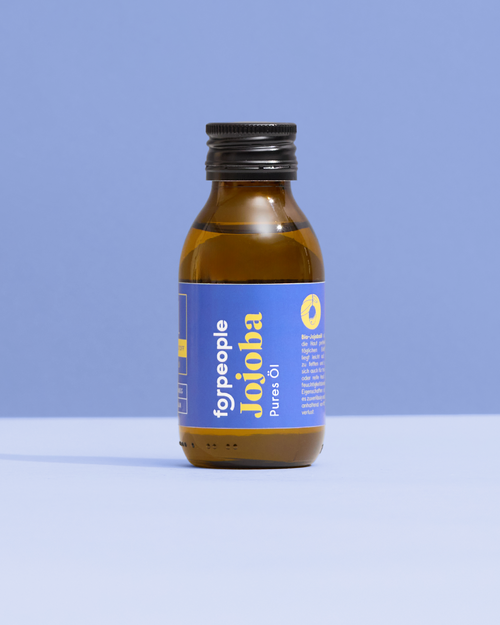
- Jojoba Oil - pure, 100 ml, €16.90: pure jojoba oil without added fragrance; according to its product page for caring for dry and stressed areas of skin, lighter than the butter.
- Almond Oil - pure, 100 ml, €14.90: a single oil without added fragrance for skin, hair and lips, good for larger areas after showering.
Try anything new on a small area first: Trying a new product: how do I test it on a small area? If your skin reacts, see Reacting to a cosmetic: what to do, where to report, returns.
Read more: Itchy skin in winter: showering, care and when to see a doctor · Dry skin in winter: what helps with cold and indoor heating · Wool itches on the skin: why, and what helps
Sources
- DermNet: Dry skin (xeroderma). Oakley A (1997), updated March 2022, accessed 29 October 2026. https://dermnetnz.org/topics/dry-skin
- DermNet: Discoid eczema. Oakley A (1997), updated July 2014, revised September 2020, accessed 29 October 2026. https://dermnetnz.org/topics/discoid-eczema
- DermNet: Tinea corporis. Created 2003, updated by Bell H, November 2020, accessed 29 October 2026. https://dermnetnz.org/topics/tinea-corporis
- DermNet: Plaque psoriasis. Yoo LJH, Storan E (2023), Stanway A (2004), reviewed July 2023, accessed 29 October 2026. https://dermnetnz.org/topics/plaque-psoriasis
- DermNet: Pityriasis alba. Oakley A (1997), updated January 2016, revised September 2020, accessed 29 October 2026. https://dermnetnz.org/topics/pityriasis-alba
- DermNet: Pityriasis versicolor. Oakley A (1997), updated September 2014, revised August 2021, accessed 29 October 2026. https://dermnetnz.org/topics/pityriasis-versicolor
- DermNet: Pityriasis rosea. Oakley A (2014), updated by Seebacher N, reviewed December 2021, accessed 29 October 2026. https://dermnetnz.org/topics/pityriasis-rosea
- DermNet: Actinic keratosis. Coulson I (2024), Oakley A (1997), minor update November 2025, accessed 29 October 2026. https://dermnetnz.org/topics/actinic-keratosis
- DermNet: Acanthosis nigricans. Ida JA (2025), Haroon A (2024), Ngan V (2004), reviewed March 2025, accessed 29 October 2026. https://dermnetnz.org/topics/acanthosis-nigricans
- Krebsinformationsdienst des Deutschen Krebsforschungszentrums (KID): Hautkrebs-Früherkennung. Updated 21 January 2025, accessed 29 October 2026. https://www.krebsinformationsdienst.de/hautkrebs/frueherkennung