







The problem: dry skin and the question of a deficiency
In autumn and winter, skin feels tight after showering, shins flake, hands crack, heels harden and lips get chapped. Anyone looking for the reason quickly comes across the question of whether the body is lacking something, and across advertising for "hair, skin and nails" capsules. The question is legitimate, because some nutrient deficiencies really do show on the skin. But the picture usually does not match ordinary, seasonal dryness.
Dry skin is very common. During skin screenings in 343 German companies, dermatologists examined 48,630 employees; 29.4 percent had dry skin, more often with increasing age (Augustin et al. 2019). In a Dutch population study of 5,547 people from middle age onwards, 60 percent had dry skin (Mekić et al. 2019).
Why skin gets dry in winter, and when a deficiency is behind it
The Dutch study looked for factors linked to dry skin. It found age, female sex, skin colour, body weight, outdoor temperature, eczema and previous chemotherapy; for dry skin all over the body, also smoking, certain medicines such as statins and diuretics, and a poorer self-rated state of health. Daily moisturising went along with fewer dry areas (Mekić et al. 2019). A nutrient deficiency was not among the factors found; however, it was not specifically examined either.
In winter, cold and dry heated air come on top; what happens in the outer skin layer is covered in Dry skin in winter: what helps with cold and indoor heating and Humidity and skin: what dry heated air does and what helps. How fat and moisture work together in the skin barrier is explained in Fat and moisture: what belongs in which layer of the skin barrier.
Real deficiency states, by contrast, show their own patterns. The overview summarises what the specialist literature describes:
| Nutrient | Described skin and accompanying signs | When a deficiency is more likely |
|---|---|---|
| Zinc | Rash around the mouth and other body openings, cracked mouth corners as an early sign, eczema-like patches in areas of friction | diet and social circumstances, infections, kidney failure, pancreatic insufficiency |
| Biotin | Skin changes, hair loss | rare; very one-sided diet with a lot of raw egg white, artificial nutrition without biotin; alcohol, smoking and certain anti-seizure medicines impair supply |
| Niacin (vitamin B3) | Pellagra: at first like sunburn on the face, neck, backs of the hands and forearms, later hardened and brittle | alcohol dependence, eating disorders, extremely one-sided diet, long-lasting diarrhoea, chronic bowel inflammation, liver cirrhosis, certain medicines |
| Vitamin A | Dry, horny bumps with a plug in the hair follicles, rough skin, dry eyes | rare in industrialised countries; absorption disorders, liver disease, operations on the bowel or stomach |
| Vitamins B2 and B6 | Cracks and inflammation at the mouth corners and lips, tongue changes, eczema-like skin around the nose and body openings | alcohol, very little dairy and meat, older age, dialysis, certain medicines |
| Essential fatty acids (linoleic acid) | Scaly skin and increased water loss through the skin | only with a diet that contains almost no fat over a long period |
| Iron | Itching, hair loss, spoon-shaped nails, painful cracks at the mouth corners, sore tongue; also tiredness, pallor, shortness of breath | heavy periods, pregnancy, blood loss in the digestive tract |
Sources for the table: Galimberti & Mesinkovska 2016 (zinc, niacin, vitamin A, B2, B6), DGE: Biotin, Ziboh et al. 2000 (linoleic acid), NHS 2024 (iron). The note about a fat-free diet for essential fatty acids is our own assessment. The overview is not a diagnostic aid: many of these signs also have other causes.
On frequency: the German Federal Institute for Risk Assessment states that, according to intake data in Germany, only a few vitamins and minerals, namely vitamin D, calcium, folic acid and iodine, are not taken in at the recommended amounts by some population groups, and that this is not the same as a deficiency (BfR 2024). According to the German Nutrition Society, biotin deficiency is rare (DGE); vitamin A deficiency is rare in industrialised countries overall (Galimberti & Mesinkovska 2016). For iron, on the other hand, the common causes are everyday ones, above all heavy periods and pregnancy (NHS 2024); but dry skin alone is not a typical sign of it.
The solution step by step
| Step | What you do | Why |
|---|---|---|
| Right away | shower briefly and lukewarm, use soap only where needed, then apply an oil-based product to the still slightly damp skin | dry skin usually has outside causes; a film of fat slows evaporation |
| Every day | care for the areas that get dry: hands after washing, lips during the day, heels and shins in the evening | in the population study, daily moisturising went along with fewer dry areas |
| Watch | look out for signs that do not fit ordinary dryness (see the table above and the section on medical advice) | deficiency states usually show their own, noticeable patterns |
| Get it checked | with such signs or risk factors, see your GP; blood tests as your doctor decides | only an examination shows whether there is a deficiency |
| Prevention | eat a varied diet; do not overheat rooms; protect your hands in the cold | according to the BfR, a balanced diet usually supplies a healthy body sufficiently |
Sources for the table: Mekić et al. 2019, BfR 2024; the order of the steps is based on practice.
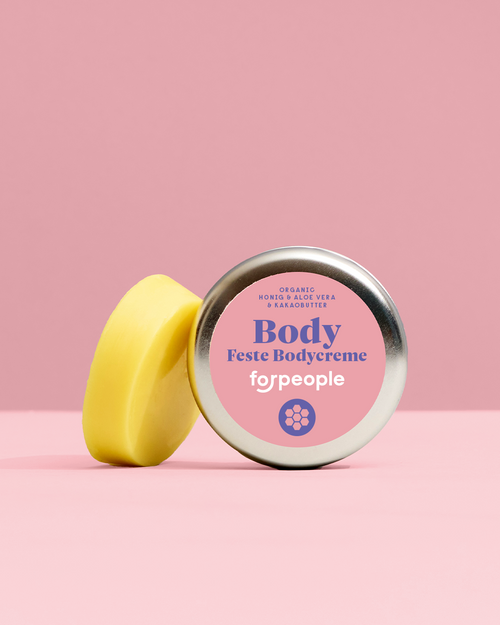
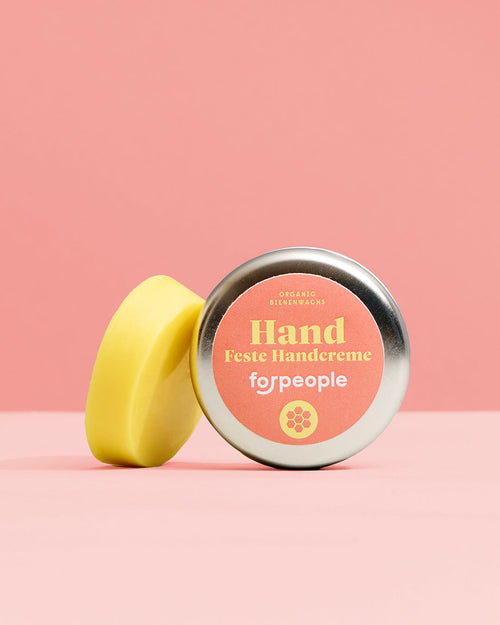
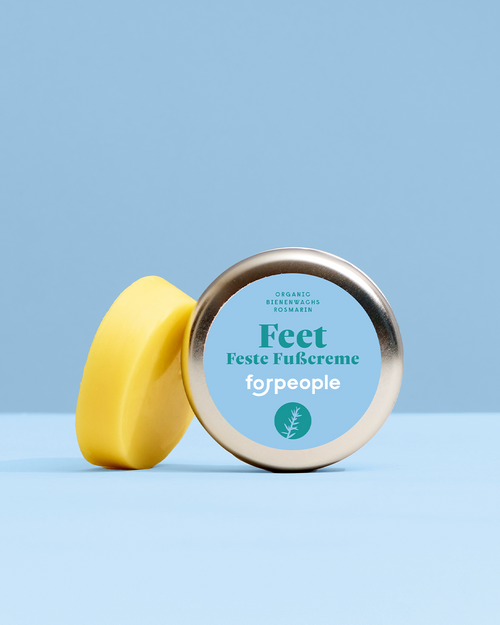
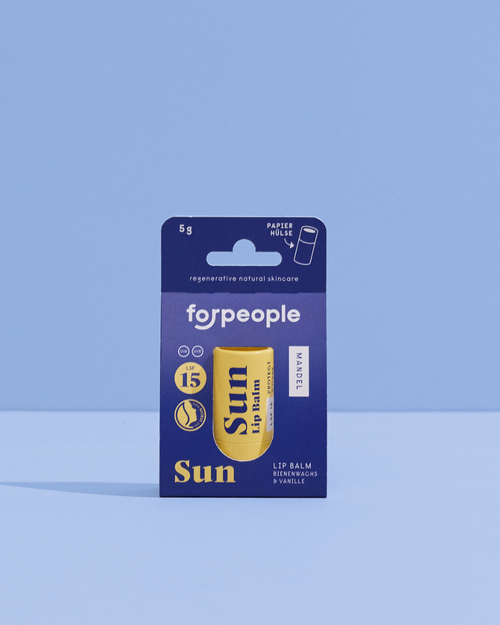
For care from the outside, each product's intended use applies. On the body, for example on shins and elbows, the Solid Body Butter - Beeswax & Aloe Vera made of cocoa butter, olive oil, beeswax, sunflower oil, shea butter and aloe vera extract fits. The Solid Hand Cream - Beeswax is meant for dry, rough hands, the Solid Foot Cream – Rosemary & Sage for dry heels (with essential oils, according to the product page not for children under 7), and the Lip Balm - SPF15 Almond & Vanilla without essential oils for chapped lips. Care from the outside does not make up for a deficiency and does not treat deficiency signs; it keeps dry, intact skin supple.
What helps, and what does not really
| Measure | Assessment |
|---|---|
| Oil-based care after washing | matches the most common cause, drying out from the outside |
| "Hair, skin and nails" capsules on suspicion | better not: according to the BfR, supplements are not necessary for the predominantly well-supplied population, and intake beyond requirements brings no proven benefit |
| Biotin before a blood test | caution: biotin can distort lab results; if you take it or have taken it recently, tell the practice or the lab |
| Supplements containing vitamin A | caution: the gap between the recommended and a harmful amount is small; too much can damage the liver and an unborn child; in pregnancy only after consulting a doctor |
| Several supplements at the same time | better not: for some substances, zinc for example, diet alone already comes close to the tolerable upper limit |
| "Nourishing skin from within" | not proven as a promise: authorised claims such as "contributes to the maintenance of normal skin" say that the substance is needed for normal skin, not that extra amounts improve dry skin |
Sources: BfR 2024, BfR: Biotin, BfR: Vitamin A, Regulation (EU) No 432/2012. For background: according to the BfR, about a third of adults regularly take supplements (BfR 2024). For biotin, iodine, niacin, riboflavin, vitamin A and zinc, the claim "contributes to the maintenance of normal skin" is authorised in the EU, for foods that contain the substance in a significant amount (Regulation (EU) No 432/2012). That is not a statement about dry skin. We do not recommend supplements; whether you need anything is for your doctor to decide.
Common mistakes
- Concluding from the symptom that there is a deficiency. Cracked hands, hard heels and chapped lips in winter almost always have outside causes; more on this in Dry, cracked hands: causes and what helps, Why heel skin gets so thick and cracks and Why do lips dry out so quickly?
- Taking supplements on suspicion. This can mask a real finding, distort lab results in the case of biotin and cause harm in the case of vitamin A.
- Showering hotter and longer because the skin itches. Hot water dries the skin out further; see Itchy skin in winter: showering, care and when to see a doctor.
- Relying on care with a lot of water and little fat. Without a film of fat, the water evaporates again.
- Only moisturising cracked mouth corners even though they keep coming back. This can point to a deficiency and belongs with a doctor; see Cracked mouth corners: causes, care and when to see a doctor.
When to see a doctor
See your GP if dry skin persists for several weeks despite regular care, or if any of these signs appear:
- a rash around the mouth, nose or other body openings, on hands and feet or on areas exposed to the sun,
- mouth corners that keep cracking, a sore or changed tongue,
- hair loss, spoon-shaped or noticeably changed nails,
- tiredness, pallor, shortness of breath or palpitations,
- severe itching that disturbs sleep, weeping or inflamed areas,
- unintended weight loss, long-lasting diarrhoea,
- known risks such as a very one-sided or severely restricted diet, an eating disorder, regular alcohol consumption, an operation on the stomach or bowel, a chronic bowel disease or heavy periods.
Whether a blood test is needed and which values are measured is up to your doctor. If you take biotin or a hair, skin and nails product, say so before blood is taken (BfR: Biotin). If you are pregnant or planning to be, take products containing vitamin A only after consulting a doctor (BfR: Vitamin A). If medicines are suspected as a contributing cause of dry skin, do not stop them yourself; discuss it with your doctor.
Frequently asked questions
Which vitamin deficiency causes dry skin?
Skin changes have been described with deficiencies of zinc, biotin, niacin, vitamin A, essential fatty acids and iron, among others. They usually show their own patterns, such as a rash around the mouth or on sun-exposed areas. Ordinary winter dryness almost always has outside causes.
Can zinc deficiency cause dry skin?
Zinc deficiency typically shows as a rash around the mouth and body openings and cracked mouth corners, not as general dryness. Whether there is a deficiency is for your doctor to establish.
Do biotin tablets help with dry skin?
There is no evidence for this if there is no deficiency. Biotin deficiency is rare. Biotin can also distort lab results; mention it before blood is taken.
Are cracked heels or hands a sign of vitamin deficiency?
Usually not. Heels crack when thick, dry callus is under pressure, hands from frequent washing and cold. If cracks persist despite care or other signs appear, have it checked.
Are chapped lips a sign of a deficiency?
In winter, chapped lips usually have outside causes. Mouth corners that keep cracking, a sore tongue or tiredness and pallor, on the other hand, are a reason to see a doctor.
Should I have my blood tested if my skin is dry?
Not because of dry skin alone. With additional signs or risk factors, your GP decides whether blood tests make sense and which ones.
Can you care for dry skin from within?
A balanced diet is part of the basics, but no promise for the skin can be derived from it. Extra supplements bring no proven benefit if you are well supplied. Care from the outside addresses drying out from the outside.
At forpeople
We sell care for the skin from the outside, not supplements. Our products keep dry, intact skin supple; they do not make up for a deficiency and, according to their safety notes, do not belong on irritated or broken skin.
Solid Body Butter - Beeswax & Aloe Vera, 40 g, €9.90: water-free, for dry areas on the body.
Solid Hand Cream - Beeswax, 30 g, €9.90: beeswax, olive and sunflower oil, St John's wort and aloe vera extract; for dry, rough hands.
Solid Foot Cream – Rosemary & Sage, 40 g, €9.90: water-free, for dry, rough feet and heels; with essential oils.
Lip Balm - SPF15 Almond & Vanilla, 5 g, €7.90: with beeswax, shea butter and plant oils, mineral UV filters, no essential oils.
More on this: Hard water and dry skin: what limescale does when you wash · Why does body skin get drier with age? · Ceramides and plant oils: what oils do for the skin barrier
Sources
- Augustin M, Kirsten N, Körber A, Wilsmann-Theis D, Itschert G, Staubach-Renz P, Maul JT, Zander N (2019): Prevalence, predictors and comorbidity of dry skin in the general population. J Eur Acad Dermatol Venereol 33(1): 147–150. https://doi.org/10.1111/jdv.15157
- Mekić S, Jacobs LC, Gunn DA, Mayes AE, Ikram MA, Pardo LM, Nijsten T (2019): Prevalence and determinants for xerosis cutis in the middle-aged and elderly population: A cross-sectional study. J Am Acad Dermatol 81(4): 963–969. https://doi.org/10.1016/j.jaad.2018.12.038
- Galimberti F, Mesinkovska NA (2016): Skin findings associated with nutritional deficiencies. Cleve Clin J Med 83(10): 731–739. https://doi.org/10.3949/ccjm.83a.15061
- Ziboh VA, Miller CC, Cho Y (2000): Metabolism of polyunsaturated fatty acids by skin epidermal enzymes: generation of antiinflammatory and antiproliferative metabolites. Am J Clin Nutr 71(1 Suppl): 361S–366S. https://doi.org/10.1093/ajcn/71.1.361s
- NHS (2024): Iron deficiency anaemia. Last reviewed 26.01.2024, accessed 29.10.2026. https://www.nhs.uk/conditions/iron-deficiency-anaemia/
- Deutsche Gesellschaft für Ernährung (DGE): Referenzwerte für die Nährstoffzufuhr: Biotin. Derivation status 2020, accessed 29.10.2026. https://www.dge.de/wissenschaft/referenzwerte/biotin/
- Bundesinstitut für Risikobewertung (BfR) (2024): Aktualisierte Höchstmengenvorschläge für Vitamine und Mineralstoffe in Nahrungsergänzungsmitteln und angereicherten Lebensmitteln. Stellungnahme Nr. 006/2024 vom 22.02.2024. https://doi.org/10.17590/20240222-140829-0
- Bundesinstitut für Risikobewertung (BfR) (2021): Höchstmengenvorschläge für Biotin in Lebensmitteln inklusive Nahrungsergänzungsmitteln. Accessed 29.10.2026. https://www.bfr.bund.de/cm/343/hoechstmengenvorschlaege-fuer-biotin-in-lebensmitteln-inklusive-nahrungsergaenzungsmitteln.pdf
- Bundesinstitut für Risikobewertung (BfR) (2021): Höchstmengenvorschläge für Vitamin A in Lebensmitteln inklusive Nahrungsergänzungsmitteln. Accessed 29.10.2026. https://www.bfr.bund.de/cm/343/hoechstmengenvorschlaege-fuer-vitamin-a-in-lebensmitteln-inklusive-nahrungsergaenzungsmitteln.pdf
- Commission Regulation (EU) No 432/2012 of 16 May 2012 establishing a list of permitted health claims made on foods, other than those referring to the reduction of disease risk and to children's development and health, Annex. https://eur-lex.europa.eu/eli/reg/2012/432/oj