







The problem: dry skin on the neck, nape and décolleté
The skin on your neck feels tight when you turn your head, fine flakes form at the sides, and it itches under your scarf. At the nape, the skin along the hairline becomes rough, sometimes after colouring your hair. On the décolleté it feels dry after you take off a wool jumper, and it turns red in the hollow of the throat or under the necklace clasp. Neck and face are often dry at the same time: both are exposed to cold and wind and get the same products. This is typical from October, when scarves, polo necks and heating come back and showers get longer and hotter.
Most of the time it is dry skin. The neck also shows reactions to substances applied somewhere else entirely, such as nail polish or hair dye. That is why, with an irritated patch on your neck, it is worth thinking not only about your cream but about everything that was new in the days before.
Why the neck and décolleté get dry in autumn and winter
Cold, wind and heated air. Between collar and chin, the neck is often exposed to the wind. According to a review, low temperatures and low humidity reduce the skin's barrier function, make it more susceptible to mechanical stress and more reactive to irritants and allergens (Engebretsen et al. 2016). Indoors, warm, dry air adds to this; more under Humidity and skin: what dry heated air does and what helps.
Scarves, polo necks and wool. A scarf rubs with every movement of your head, a tight polo neck sits against the skin all day. Friction from rough clothing is one of the known causes of dry skin, as are laundry detergents (DermNet: Dry skin). Why coarse wool prickles and which fibres scratch less is explained in Wool itches on the skin: why, and what helps.
Perfume ends up on the neck. Fragrance is usually sprayed on the neck and décolleté. Perfumes generally contain alcohol, and alcohol on the skin is one of the known causes of dry skin (DermNet: Dry skin). In women who are allergic to fragrances, the rash most often appears on the hands, face and neck (DermNet: Fragrance allergy). Fragrances are not only in perfume but also in body lotion, shampoo and laundry detergent. Which ones must be listed individually on the pack is shown in Fragrance allergens: the list of substances that must be labelled.
Shampoo, conditioner and hair dye at the nape. When you wash your hair, foam runs over the nape and neck, and residues easily remain along the hairline if your hair is long or you lean forward. This is an observation from practice. The reaction to hair dye is well documented: an allergy to the dye p-phenylenediamine shows up in its mild form as an itchy, dry rash on the upper eyelids or the rims of the ears, and in its severe form with redness, blisters and swelling on the scalp, face and neck (DermNet: Allergy to paraphenylenediamine).
Necklaces and clasps. Necklaces and their clasps can contain nickel. Nickel is one of the most common triggers of contact allergy; the skin then itches badly, turns red and forms blisters, and with longer contact it becomes dry, thickened and darker (DermNet: Nickel allergy). A dry, itchy patch exactly at the nape under the clasp is therefore a clue worth following up.
Nail polish. An allergy to nail polish often shows up not on the nails but where the fingers touch: on the eyelids, around the mouth and chin, and on the sides of the neck (DermNet: Nail cosmetics allergy).
Shaving. If you shave your neck, the skin there is put under regular strain. What helps afterwards is covered in After shaving: what does facial skin need?
Less skin oil over the years. In a series of measurements in 150 healthy women aged 18 to 80, the neck and décolleté were among the sites measured; the amount of sebum on the skin decreased markedly with age and was lowest in women over 70 (Luebberding et al. 2013). More under Dry skin in old age: causes, winter care and applying oil safely.
Decades of sun. The sides of the neck and the décolleté get a lot of light. In what is known as poikiloderma of Civatte, confluent, reddish-brown patches with thin skin form on the sides of the neck, while the shaded area under the chin is spared; long-term sun exposure is considered the main factor, and photosensitising components of cosmetics, especially perfumes, a contributing one (DermNet: Poikiloderma of Civatte).
The solution step by step
| Step | What you do | Why |
|---|---|---|
| Straight away | Leave out perfume, new lotions and necklaces while the skin is irritated; do not scratch | This helps narrow down whether a particular substance is behind it; scratching rubs the skin further |
| Straight away | Do not wear scarves and collars made of coarse wool directly on the skin; put a cotton or silk scarf underneath | Friction from rough clothing dries out the skin |
| Every day | Shower briefly and with lukewarm water; after washing your hair, rinse the nape and hairline with clean water | Hot water and residues of shampoo and conditioner strain the skin |
| Every evening | Pat your neck, nape and décolleté dry and apply a thin layer of a fragrance-free, rich care product to the still slightly damp skin | A film of fat slows evaporation, most clearly on slightly damp skin |
| Every day | If you wear perfume at all, do not spray it on dry or red skin | With a fragrance allergy, the neck is one of the typical sites |
| Prevention | Before colouring your hair, apply a greasy protective layer such as petroleum jelly to the skin along the hairline, wear gloves and rinse the dye out thoroughly | This way less dye reaches the skin |
| Prevention | On sunny days in the snow, apply sunscreen to your neck and nape as well | The sides of the neck get a lot of light over the years |
Sources for the table: Engebretsen et al. 2016, DermNet: Dry skin, DermNet: Fragrance allergy, DermNet: Allergy to paraphenylenediamine, DermNet: Poikiloderma of Civatte, Sethi et al. 2016; the order is common practice.
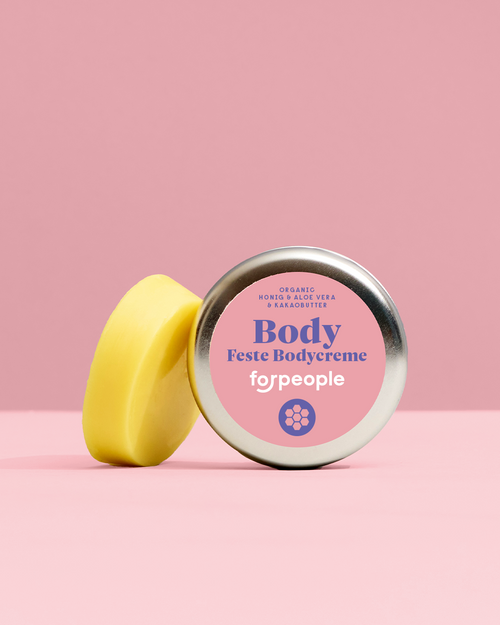
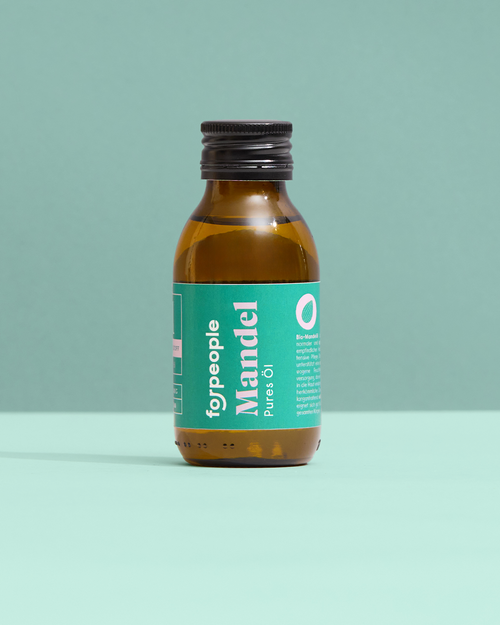
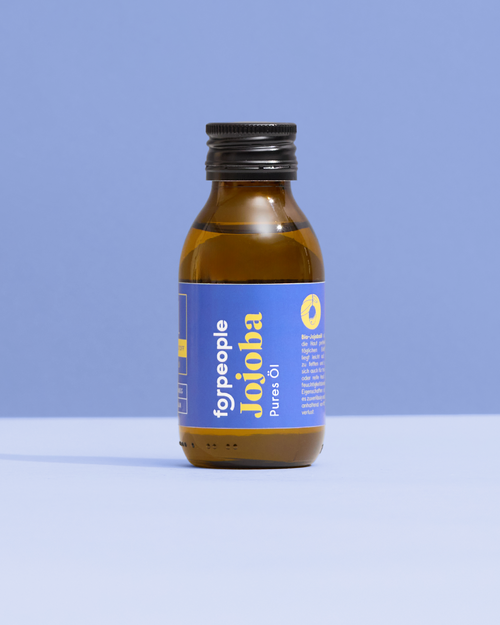
You do not need a special neck cream. The neck and décolleté are body skin and need the same care as your arms, just in a smaller amount. If the skin is irritated, use a product without fragrance and without essential oils. According to its ingredient list, the Solid Body Butter - Beeswax & Aloe Vera contains cocoa butter, olive oil, beeswax, sunflower oil, shea butter and aloe extract; its product page describes it for dry or stressed areas of skin. Warm it between your palms and then stroke your hands over your neck and décolleté. If you prefer something lighter, use a few drops of Almond Oil - pure, a single oil without added fragrance, or Jojoba Oil - pure, which according to its product page is meant for face and body. For very dry skin, apply a watery layer first, such as the Aloe Vera Serum 99.6%, which according to its product page is for face, body and hair; how layering works is explained in Combining aloe vera serum with oil or solid cream. For sunny days in the snow there is the Solid Sunscreen SPF50 with zinc oxide and titanium dioxide; when sun protection makes sense in winter is explained in Sunscreen in winter: when it makes sense in everyday life.
What helps – and what tends not to
| Measure or assumption | Assessment |
|---|---|
| A thin, fragrance-free rich product in the evening | helps dry skin; the film slows evaporation |
| A cotton or silk scarf under the wool scarf | helps; the coarse fibre ends no longer reach the skin |
| Perfume on the neck "because it smells best there" | better not, as long as the skin is dry or irritated |
| A scrub to get rid of the flakes on the neck | better not; rubbing irritates dry skin further |
| A special neck cream | not necessary; a rich body care product is enough if you like it |
| Lemon juice, vinegar or alcohol as a home remedy | better not; acid and alcohol irritate dry skin |
| Necklaces made of stainless steel, silver or gold of at least 12 carat | sensible if you react to nickel; a nickel test kit shows whether a piece of jewellery releases nickel |
Sources: DermNet: Dry skin, DermNet: Nickel allergy. The other entries are our assessment. Try a new product on a small area first, see Trying a new product: how do I test it on a small area?
Common mistakes
- Only moisturising your face. The neck gets the same cold but is often forgotten. Spread whatever is left on your hands downwards.
- Perfume on irritated skin. On a neck that already itches, perfume with alcohol and fragrances is an additional strain.
- Wearing a wool scarf directly on the skin. A thin scarf underneath usually solves the problem.
- Showering hot and not rinsing the nape. Shampoo residue stays along the hairline, and the skin dries out faster.
- Colouring your hair again although it itched last time. Once the skin is sensitised, the reaction to hair dye usually comes faster the next time, often within a few hours.
- Changing many products at once. If the skin reacts, nobody knows to what.
When to seek medical advice
Care keeps dry skin on the neck supple; it does not treat an allergy or eczema. See your GP or a dermatologist if
- your neck, face or eyelids swell, weep or form blisters after colouring your hair; this can be an allergy to hair dye (DermNet: Allergy to paraphenylenediamine),
- an itchy, red or thickened patch sits exactly under a necklace, clasp or collar and does not go away after you stop wearing it; a patch test shows whether a contact allergy to nickel or a fragrance is behind it (DermNet: Nickel allergy), (DermNet: Fragrance allergy),
- your eyelids and the sides of your neck keep itching and flaking without you finding a reason; nail polish is another possible trigger (DermNet: Nail cosmetics allergy),
- you have atopic eczema and your head and neck turn red and itch; this form is considered difficult to treat and belongs in a dermatologist's hands (Chu et al. 2023), see also Dry skin or atopic eczema? How to tell the difference,
- confluent, reddish-brown patches form on the sides of your neck while the skin under the chin stays pale (DermNet: Poikiloderma of Civatte),
- a rough, scaly or crusted spot on your neck or décolleté does not go away, grows or bleeds, or a mole changes,
- dry skin persists despite two to three weeks of care, itches badly or appears on many parts of the body at once; see Suddenly dry skin all over the body: causes and when to have it checked.
If you suspect a product, stop using it and keep the pack and batch number. What to do next is described in Reacting to a cosmetic: what to do, where to report, returns.
Frequently asked questions
Why do I have dry skin on my neck?
Usually because of cold, wind and heated air, friction from scarves and polo necks, and substances that end up on the neck: perfume, shampoo, hair dye, nickel from necklaces. Over the years the skin there also produces less sebum.
Why does the dry skin on my neck itch?
Dry skin itches more easily. If one limited patch itches badly, for example under the necklace clasp or along the hairline, a contact allergy may be behind it. A dermatologist can clarify this with a patch test.
Why are my neck and face dry at the same time?
Both are exposed to cold and wind and get the same products, from cleanser to perfume. What helps tight facial skin is covered in Facial skin feels tight in winter: causes and what helps.
What helps dry skin on the nape of the neck?
After washing your hair, rinse your nape with clean water, pat dry and apply a thin layer of care, wear a smooth collar and leave out necklaces while it itches. If your scalp flakes too, read Dry scalp or dandruff? Causes in winter and what helps.
Which cream is good for the neck and décolleté?
A rich product without fragrance, applied thinly to still slightly damp skin, such as a body butter without essential oils or a pure plant oil. You do not need a special neck cream.
Can perfume dry out the skin on my neck?
Perfume usually contains alcohol and fragrances. On dry skin on the neck it is therefore not a good idea; with a fragrance allergy, the neck is also one of the typical sites for the rash.
Can a necklace cause a rash?
Yes, if it or its clasp releases nickel and you are allergic to it. The area itches, turns red and, with longer contact, becomes dry and thickened. Have it checked by a doctor and do not wear a necklace until then.
At forpeople
We do not have a special neck cream. For the neck, nape and décolleté, our fragrance-free body care is a good fit.
Solid Body Butter - Beeswax & Aloe Vera, 40 g, €9.90: cocoa butter, shea butter, beeswax and plant oils, without essential oils.
Almond Oil - pure, 100 ml, €14.90: a single oil without added fragrance that spreads easily.
Aloe Vera Serum 99.6%, 50 ml, €9.90: the light, watery layer underneath, without perfume and without essential oils.
Solid Sunscreen SPF50, 40 g, €17.90: mineral sun protection with zinc oxide and titanium dioxide for sunny days in the snow.
More on this: Wool itches on the skin: why, and what helps · Dry, flaky skin on the ears: causes and care · Essential Oils and Fragrance Allergens · Dry skin in winter: what helps with cold and indoor heating
From the blog: Face and lips through winter: a routine for every day
Sources
- Engebretsen KA, Johansen JD, Kezic S, Linneberg A, Thyssen JP (2016): The effect of environmental humidity and temperature on skin barrier function and dermatitis. J Eur Acad Dermatol Venereol 30(2): 223–249. https://doi.org/10.1111/jdv.13301
- DermNet: Dry skin. Oakley A (1997), updated March 2022, accessed 29.10.2026. https://dermnetnz.org/topics/dry-skin
- DermNet: Fragrance allergy. Luther E, medical editor Gordon H, July 2020, accessed 29.10.2026. https://dermnetnz.org/topics/fragrance-allergy
- DermNet: Allergy to paraphenylenediamine. Ngan V (2002), updated by Gomez J, August 2018, accessed 29.10.2026. https://dermnetnz.org/topics/allergy-to-paraphenylenediamine
- DermNet: Nickel allergy. Oakley A (1997), reviewed by Coulson I, April 2023, accessed 29.10.2026. https://dermnetnz.org/topics/nickel-allergy
- DermNet: Nail cosmetics allergy. Ngan V (2012), accessed 29.10.2026. https://dermnetnz.org/topics/nail-cosmetics-allergy
- Luebberding S, Krueger N, Kerscher M (2013): Age-related changes in skin barrier function – quantitative evaluation of 150 female subjects. Int J Cosmet Sci 35(2): 183–190. https://doi.org/10.1111/ics.12024
- DermNet: Poikiloderma of Civatte. Oakley A, Ngan V (1998), updated by Eshraghi A, January 2018, accessed 29.10.2026. https://dermnetnz.org/topics/poikiloderma-of-civatte
- Sethi A, Kaur T, Malhotra SK, Gambhir ML (2016): Moisturizers: The Slippery Road. Indian J Dermatol 61(3): 279–287. https://doi.org/10.4103/0019-5154.182427
- Chu H, Kim SM, Zhang K, Wu Z, Lee H, Kim JH et al. (2023): Head and neck dermatitis is exacerbated by Malassezia furfur colonization, skin barrier disruption, and immune dysregulation. Front Immunol 14: 1114321. https://doi.org/10.3389/fimmu.2023.1114321