The problem: how to recognise it
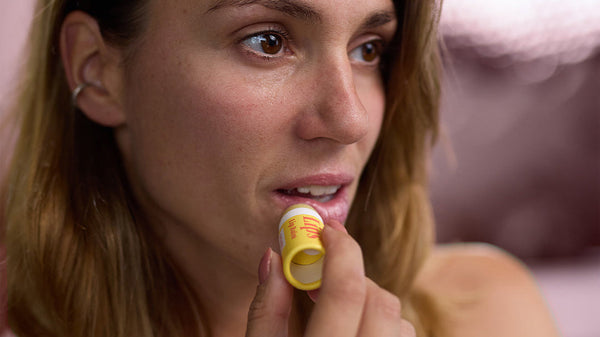
The typical feeling is that your skin is a size too small: after washing, after a walk in the cold wind or in the afternoon in a heated office. It often feels tight on the cheeks, forehead and chin while the nose is still shiny. Sometimes the skin briefly burns when cream or water touches it, it becomes rough, and slightly flaky or reddish at the sides of the nose and around the mouth. Many people first notice it when the heating comes back on, and it gets worse until February. Tightness on the body after a shower has the same cause and is explained in Why does skin feel tight after a shower?; this page is about the face.
Why it happens in autumn and winter
A review concludes that low humidity and low temperatures generally weaken the skin's barrier function and make it more susceptible to mechanical stress, irritants and allergens (Engebretsen et al. 2016). On the face this can be measured: in 16 women, water loss from the skin next to the nose was clearly higher in winter than in autumn, the skin was redder and flakier, and the fats on the skin surface were composed differently (De Paepe et al. 2009). In a Korean study, just six hours in a heated room were enough for roughness and redness of the face to increase (Park et al. 2023). Why heated air is so dry is explained in Humidity and skin: what dry heated air does and what helps.
Then there is washing. In a test with 50 people, hot water raised the skin's water loss from about 26 to 59 grams per hour and square metre and made it redder; cold water also increased water loss, but much less (Herrero-Fernandez et al. 2022). The skin surface is slightly acidic, on average with a pH below 5 (Lambers et al. 2006). Alkaline cleansers make the proteins of the outer layer swell and wash out fats and natural moisturising factors (Mijaljica et al. 2022). When the skin then dries, it contracts, and that is exactly what you feel as tightness.
The solution step by step
| When | What you do | Why |
|---|---|---|
| Straight away | Rinse your face with lukewarm water and pat it dry with the towel instead of rubbing. | Hot water increases water loss the most; rubbing adds stress to the weakened outer layer. |
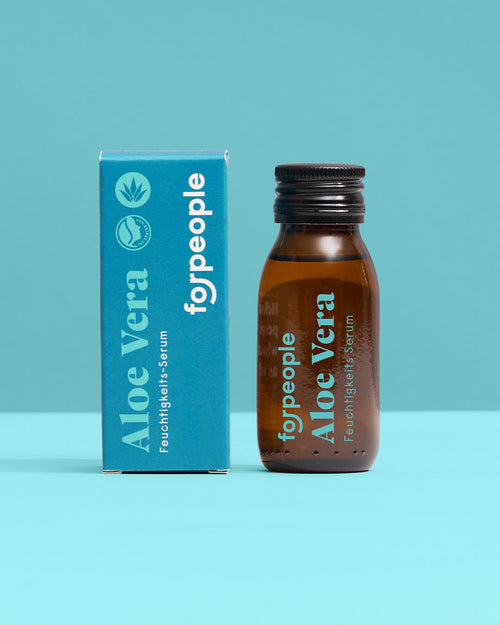
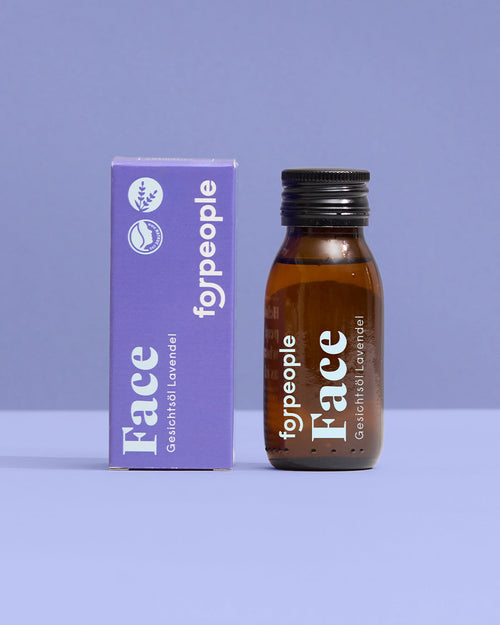
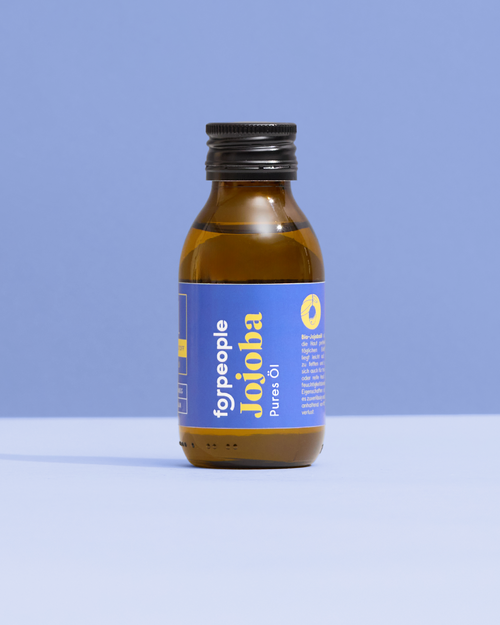
| Straight away | Apply a water-based product to the still damp skin, such as the Aloe Vera Serum 99.6%, and two or three drops of oil on top, such as the Face Oil - Lavender or pure Jojoba Oil - pure. | The water-based layer brings water, the film of oil slows evaporation. How layering works is explained in Combining aloe vera serum with oil or solid cream. |
| Every day | In the morning, water is often enough; use cleanser only once a day, in the evening, and only as much as needed. | Every wash with surfactants takes fats out of the outer layer. |
| Every day | In the evening after cleansing, layer water and fat again; if your skin is very dry, use a few more drops of oil rather than more of the water-based layer. | Overnight, the skin keeps losing water in a heated bedroom. |
| Outdoors | In cold and wind, partly protect your face with a scarf or collar; in snow and in the mountains, think of sun protection. | A film of fat protects against drying out, but not against cold injury; see Cold protection cream: water-free, but no frost protection and Sun protection in the mountains and on snow. |
| Prevention | Air rooms regularly with short bursts, do not overheat them, keep an eye on humidity. | Very dry indoor air keeps drawing water from the outer layer. |
The face oil contains lavender essential oil. If your skin is burning right now or you want to avoid fragrances, an unscented oil such as jojoba oil is the simpler choice. Why fat alone is not enough and water alone evaporates is explained in Fat and moisture: what belongs in which layer of the skin barrier.
What helps – and what rather does not
| Habit or home remedy | Assessment |
|---|---|
| Hot water, long showers with your face in the spray | Rather not: increases water loss and redness the most |
| Face wash or soap morning and evening | Rather not if your skin feels tight: once a day is usually enough; on soap for the face see Can I use bar soap on my face? |
| Layering a water-based product and oil | Helps: water plus a film of fat that slows evaporation |
| Oil alone on dry skin | Works better on slightly damp skin, because otherwise the oil has no water to hold in |
| Drinking more water | Not a substitute for skincare: a review found only weak evidence of slightly more moisture in the outer layer, mainly in people who previously drank little (Akdeniz et al. 2018) |
| Exfoliating the flakes away | Rather not while your skin feels tight or burns: the flakes are a sign of dryness, rubbing adds stress |
| Honey or quark mask | Harmless for most people, but does not replace a film of fat; apply oil afterwards anyway |
| Humidifier | Can help if it is kept clean; advice on the humidity page |
Typical mistakes
The most common mistake is washing more because the skin feels "congested": a shiny nose and tight cheeks often go together in winter. The second is applying a very rich cream thickly instead of combining water and fat in thin layers. Third: letting your face dry after washing and only then applying cream; the right moment is the first few minutes, while the skin is still damp. Fourth: constantly trying new products. Irritated skin copes better with a few consistent steps, and you test each new product on a small area first, see Trying new skincare: how do I test it on a small area? Fifth: carrying on with exfoliants, acids or retinol products in winter even though your skin is already burning.
When to seek medical advice
Tightness and slight redness after washing are common in winter. Have it checked by a dermatologist if the redness on your cheeks, nose or forehead persists, if you flush easily or if small bumps and pustules appear; this can be rosacea, for which temperature changes, cold and heat are among the known triggers (DermNet, Rosacea). The same applies if small red dots appear around the mouth, nose or eyes and do not go away, if yellowish, greasy scales appear on the eyebrows and the folds beside the nose, if the skin weeps, itches badly or forms blisters, or if hives appear after cold. These need a diagnosis, not stronger skincare. More on flaky skin on the forehead and eyebrows is in Dry, flaky skin on the forehead, eyebrows and nose.
Frequently asked questions
Why does my face feel tight after washing?
Warm water and cleansers wash fats and moisture-binding substances out of the outer layer. When the skin then dries, it loses water and contracts. Lukewarm water, less cleanser and applying care to the damp skin straight away reduce this.
Why does my skin feel tight despite cream?
Often one of the two layers is missing: a purely fatty cream on dry skin holds in hardly any water, and a light water-based product on its own evaporates quickly in heated air. Combine both and apply them straight after washing.
What skincare suits a face that feels tight in winter?
A water-based product as the first layer and an oil or rich cream on top. If your skin is irritated, products with few ingredients and no fragrance are the simpler choice.
My face feels tight and burns: what should I do?
Leave out cleansers, exfoliants and active-ingredient products for a few days, wash your face only with lukewarm water and use a few fragrance-free products. If your skin still burns after several days or even with water, have it looked at by a doctor.
My face feels tight and is red: is that normal?
Slight redness after cold or washing is common and goes away. If it stays or you flush easily, rosacea may be behind it; that belongs in a dermatology practice.
Do home remedies help with dry facial skin in winter?
A pure plant oil on damp skin is essentially a home remedy. Honey or quark masks do most people no harm, but do not replace a film of fat. Lemon, vinegar or sugar scrubs on the face tend to stress the skin.
Is drinking more water enough?
No. Studies show at most a small effect on the moisture of the outer layer, mainly in people who previously drank little. Against water loss from heated air and washing, care from the outside helps.
At forpeople
These products suit the face in winter; according to their product pages, all are intended for the face:
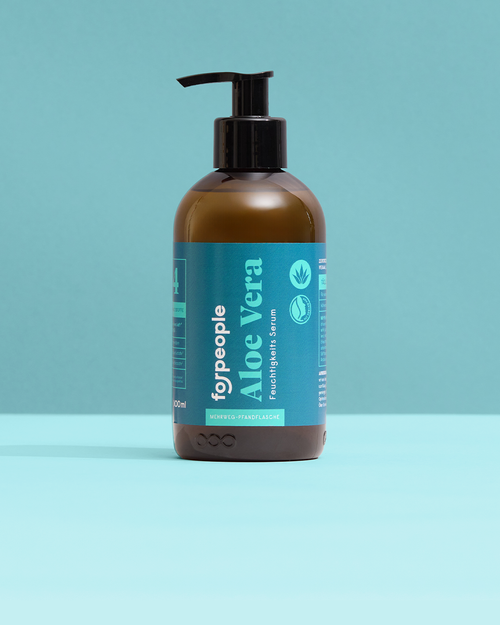
- Aloe Vera Serum 99.6%, 50 ml, €9.90: aloe vera juice with citric acid, potassium sorbate and sodium benzoate; no alcohol, perfume or essential oils; as a water-based first layer. Also available as Aloe Vera Serum 99.6% - Pump Bottle, 300 ml, €27.90.
- Face Oil - Lavender, 50 ml, €21.90: argan, rosehip, jojoba, borage and hemp oil with lavender essential oil; two or three drops on damp skin.
- Jojoba Oil - pure, 100 ml, €16.90: pure, unscented jojoba oil for face, body and hair.
More on this: Dry skin in winter: what helps against cold and heated air · Can face oil replace face cream? · The skin barrier explained simply · Red hands and cheeks in the cold
From the blog: Face and lips through the winter: a routine for every day
Sources
- Engebretsen KA, Johansen JD, Kezic S, Linneberg A, Thyssen JP (2016): The effect of environmental humidity and temperature on skin barrier function and dermatitis. Journal of the European Academy of Dermatology and Venereology 30(2): 223–249. https://doi.org/10.1111/jdv.13301
- De Paepe K, Houben E, Adam R, Hachem JP, Roseeuw D, Rogiers V (2009): Seasonal effects on the nasolabial skin condition. Skin Pharmacology and Physiology 22(1): 8–14. https://doi.org/10.1159/000159772
- Park EH, Jo DJ, Jeon HW, Na SJ (2023): Effects of winter indoor environment on the skin: Unveiling skin condition changes in Korea. Skin Research and Technology 29(6): e13397. https://doi.org/10.1111/srt.13397
- Herrero-Fernandez M, Montero-Vilchez T, Diaz-Calvillo P, Romera-Vilchez M, Buendia-Eisman A, Arias-Santiago S (2022): Impact of Water Exposure and Temperature Changes on Skin Barrier Function. Journal of Clinical Medicine 11(2): 298. https://doi.org/10.3390/jcm11020298
- Lambers H, Piessens S, Bloem A, Pronk H, Finkel P (2006): Natural skin surface pH is on average below 5, which is beneficial for its resident flora. International Journal of Cosmetic Science 28(5): 359–370. https://doi.org/10.1111/j.1467-2494.2006.00344.x
- Mijaljica D, Spada F, Harrison IP (2022): Skin Cleansing without or with Compromise: Soaps and Syndets. Molecules 27(6): 2010. https://doi.org/10.3390/molecules27062010
- Akdeniz M, Tomova-Simitchieva T, Dobos G, Blume-Peytavi U, Kottner J (2018): Does dietary fluid intake affect skin hydration in healthy humans? A systematic literature review. Skin Research and Technology 24(3): 459–465. https://doi.org/10.1111/srt.12454
- DermNet: Rosacea. Kuo O (March 2022), minor update September 2024. Accessed 29 October 2026. dermnetnz.org/topics/rosacea