If you know your skin reacts to a particular fragrance substance, that is the name you look for on the packaging. Since summer 2026 ingredient lists have been getting longer: after "Parfum" or an essential oil you will now more often see names such as Linalyl Acetate, Pinene or Lemongrass Oil. This page brings all the entries together in one place, each with the name that appears on the packaging, the common name and the typical source. Why essential oils contain these substances and how they oxidise in air is explained on Essential Oils and Fragrance Allergens; the other names in an ingredient list are translated on INCI names explained: our ingredients in plain English.
What "must be labelled" actually means
Perfume and aromatic compositions may appear in the ingredient list collectively as "Parfum" or "Aroma". There is one exception: the substances that Annex III marks accordingly in the "Other" column must also be named individually (Article 19(1)(g) of Regulation (EC) No 1223/2009, consolidated version). The threshold is more than 0.001% in products that stay on the skin or hair, such as creams, oils or lip balm, and more than 0.01% in products that are rinsed off, such as soap or shampoo. How the list as a whole is structured is explained on How to Read an INCI List.
The entry is information for people who already know they react to one of these substances, so that they can avoid products containing it (BVL). A name in the list says nothing about the exact amount, only that the threshold has been exceeded. What counts is the substance, not its source. Linalool from lavender oil is named just like added linalool, and the EU Scientific Committee on Consumer Safety (SCCS) stated that maximum levels for these substances also apply when they are present in a natural extract (SCCS 2012).
Another new feature is that the regulation sets a common name for 17 entries, under which the substances appear in the list (Regulation (EU) 2023/1545); an analysis of these grouping names also counts 17 (Vandamme et al. 2024). The oils of three lemongrass species therefore appear as "Lemongrass Oil", lavender and lavandin oils as "Lavandula Oil/Extract", and geranial and neral as "Citral". In the tables below you will first find the name that appears on the packaging and then the substances it covers. For some substances Annex III also sets maximum concentrations or limits for peroxides, for example for citral, benzyl salicylate, isoeugenol, limonene and pinene. Those are not the subject of this page.
Deadlines: what has applied since August 2026
Commission Regulation (EU) 2023/1545 is dated 26 July 2023 and entered into force on the twentieth day after its publication in the Official Journal, so in August 2023. Transitional periods apply, set out in the footnotes to the entries. For the completely new entries the text reads: cosmetic products that do not comply with the restrictions "may be placed on the Union market until 31 July 2026 and made available on the Union market until 31 July 2028" (Regulation (EU) 2023/1545). The same applies to the entries that were already in Annex III, provided the products comply with the restrictions applicable on 15 August 2023.
What this means in practice follows from two terms in the Cosmetics Regulation. "Placing on the market" is the first making available of a product on the market; "making available on the market" is any supply in the course of a commercial activity (Article 2, Regulation (EC) No 1223/2009). A product first placed on the market from 1 August 2026 must therefore take the new list into account. Stock that was already on the market by the end of July 2026 may still be supplied with the old labelling until 31 July 2028. Until then, old and new packaging will sit side by side on the shelf. If a name is missing from an older pack, that does not mean the substance is absent.
About the numbers: people used to speak of 26 fragrance allergens. Two of them are now banned in cosmetic products, namely HICC and 2-(4-tert-butylbenzyl)propionaldehyde, formerly listed as Butylphenyl Methylpropional (Annex II Nos 1380 and 1666, consolidated version). That is why Regulation (EU) 2023/1545 refers to 24 substances for the situation before its amendment (recital 5). In addition, the SCCS had identified 56 further fragrance substances that have clearly caused allergies in humans (recital 6 of Regulation (EU) 2023/1545). 24 plus 56 gives the frequently quoted figure of 80. Annex III itself contains 81 entries with a labelling requirement, and several of them group related substances or oils. The three tables below show all 81, checked against the consolidated version of 18 May 2026 and against the text of Regulation (EU) 2023/1545.
The 24 established entries
These substances already had to be named individually before 2023. The number is the reference number in Annex III. The source information comes from the SCCS opinion (SCCS 2012); a dash means that this source does not name a natural occurrence. That does not automatically mean the substance is only made synthetically.
| No. | Name in the ingredient list | Common name | Typical source |
|---|---|---|---|
| 45 | Benzyl Alcohol | benzyl alcohol | found in Peru balsam and narcissus extract, among others; today mostly synthesised |
| 67 | Amyl cinnamal | amyl cinnamaldehyde | – |
| 69 | Cinnamyl alcohol | cinnamyl alcohol | small amounts in Peru balsam and narcissus extract |
| 70 | Citral (covers geranial and neral) | citral | main component of lemongrass and litsea cubeba oil; small amounts in lemon and bergamot oil |
| 71 | Eugenol | eugenol | main component of clove oil; also in cinnamon bark, laurel and bay oil |
| 72 | Hydroxycitronellal | hydroxycitronellal | synthetic fragrance, only occasionally detected in essential oils |
| 73 | Isoeugenol | isoeugenol | small amounts in clove and ylang-ylang oil, Peru balsam |
| 74 | Amylcinnamyl alcohol | amylcinnamyl alcohol | – |
| 75 | Benzyl Salicylate | benzyl salicylate | – |
| 76 | Cinnamal | cinnamaldehyde | main component of cassia oil and Ceylon cinnamon bark oil |
| 77 | Coumarin | coumarin | sweet woodruff, melilot; also lavender and lovage oil |
| 78 | Geraniol | geraniol | palmarosa, geranium, citronella and rose oil; also lavender and jasmine oil |
| 80 | Anise alcohol | anise alcohol | – |
| 81 | Benzyl cinnamate | benzyl cinnamate | Peru balsam |
| 82 | Farnesol | farnesol | lemongrass, citronella, sandalwood and orange blossom oil, among others |
| 84 | Linalool | linalool | main component of coriander oil; also in lavender, lavandin, neroli and bergamot oil |
| 85 | Benzyl benzoate | benzyl benzoate | Peru balsam, ylang-ylang oil; today mostly synthesised |
| 86 | Citronellol | citronellol | rose and geranium oil (main component), citronella oil |
| 87 | Hexyl cinnamal | hexyl cinnamaldehyde | – |
| 88 | Limonene | limonene | citrus peel oils (orange, lemon, bitter orange); also spearmint and eucalyptus oil |
| 89 | Methyl 2-Octynoate | methyl heptine carbonate | – |
| 90 | alpha-Isomethyl ionone | alpha-isomethyl ionone | – |
| 91 | Evernia prunastri extract | oak moss extract | oak moss lichen |
| 92 | Evernia furfuracea extract | tree moss extract | tree moss lichen, grows on the bark of pines and firs |
The 57 new entries
Twelve of these entries were already in Annex III, but only with maximum concentrations or peroxide limits; what is new for them is the requirement to name them individually. Regulation (EU) 2023/1545 added the other 45 as numbers 327 to 371. The same applies to the source information as above.
Single substances
The esters stand out, such as linalyl acetate, geranyl acetate and eugenyl acetate. The SCCS had recommended treating substances that can be converted into known allergens like those allergens, for example linalool and its esters (SCCS 2012).
| No. | Name in the ingredient list | Common name | Typical source |
|---|---|---|---|
| 46 | 6-Methyl Coumarin | 6-methylcoumarin | – |
| 131 | Alpha-Terpinene | alpha-terpinene | – |
| 133 | Terpinolene | terpinolene | – |
| 157 | Rose Ketones (covers alpha-damascone, damascenone, delta- and beta-damascone) | damascones, rose ketones | – |
| 175 | 3-Propylidenephthalide | 3-propylidenephthalide | – |
| 324 | Methyl Salicylate | methyl salicylate | – |
| 327 | Acetyl Cedrene | acetyl cedrene | – |
| 328 | Amyl Salicylate | amyl salicylate | – |
| 329 | Anethole | anethole | main component of star anise, anise and fennel oil |
| 330 | Benzaldehyde | benzaldehyde | – |
| 331 | Camphor | camphor | rosemary, lavandin, spike lavender and sage oil |
| 332 | Beta-Caryophyllene | beta-caryophyllene | clove and laurel oil; also ylang-ylang oil |
| 333 | Carvone | carvone | main component of spearmint oil; caraway and dill oil |
| 334 | Dimethyl Phenethyl Acetate | dimethylbenzyl carbinyl acetate | – |
| 335 | Hexadecanolactone | – | – |
| 336 | Hexamethylindanopyran | – | – |
| 337 | Linalyl Acetate | linalyl acetate | main component of lavender and clary sage oil; also in bergamot, lavandin and neroli oil |
| 338 | Menthol | menthol | main component of peppermint oil |
| 339 | Trimethylcyclopentenyl Methylisopentenol | – | – |
| 340 | Salicylaldehyde | salicylaldehyde | bark of willow and aspen |
| 341 | Santalol | santalol (alpha- and beta-santalol) | main component of sandalwood oil |
| 342 | Sclareol | sclareol | – |
| 343 | Terpineol | terpineol (alpha-, beta-, gamma-terpineol) | narcissus extract, bitter orange peel and spike lavender oil |
| 344 | Tetramethyl acetyloctahydronaphthalenes | – | – |
| 345 | Trimethylbenzenepropanol | – | – |
| 346 | Vanillin | vanillin | vanilla pods, Peru balsam, styrax, clove oil; today mostly synthesised |
| 368 | Eugenyl Acetate | eugenyl acetate | clove oil, especially from the buds |
| 369 | Geranyl Acetate | geranyl acetate | ylang-ylang, neroli, lemongrass and palmarosa oil |
| 370 | Isoeugenyl Acetate | isoeugenyl acetate | – |
| 371 | Pinene | pinene (alpha- and beta-pinene) | main component of turpentine oil and of Pinus pumila needle oil; also in rosemary, eucalyptus and lemon oil |
Essential oils, balsams and extracts
Where the column "Name in the ingredient list" shows a grouping name, the regulation prescribes exactly that name. For the other entries, the respective INCI name appears.
| No. | Name in the ingredient list | Names covered | Common name and source |
|---|---|---|---|
| 109 | Pinus Mugo | Pinus Mugo Leaf Oil, Pinus Mugo Twig Leaf Extract, Pinus Mugo Twig Oil | Mountain pine (Pinus mugo) oil and extract: needles and twigs |
| 114 | Pinus Pumila | Pinus Pumila Needle Extract, Pinus Pumila Twig Leaf Extract, Pinus Pumila Twig Leaf Oil | Oil and extract of the East Asian dwarf pine Pinus pumila: needles and twigs |
| 122 | Cedrus Atlantica Oil/Extract | Cedrus Atlantica Bark Extract, Bark Oil, Bark Water, Leaf Extract, Wood Extract, Wood Oil | Atlas cedar oil and extract: bark, wood and needles |
| 124 | Turpentine | Turpentine | Turpentine, gum turpentine, turpentine oil: resin and wood of pines (Pinus species) |
| 154 | Myroxylon Pereirae Oil/Extract | Myroxylon Balsamum Pereirae Balsam Extract, Balsam Oil; Myroxylon Pereirae Oil, Resin, Resin Extract | Peru balsam and Peru balsam oil: balsam of the Myroxylon tree |
| 196 | Lippia citriodora absolute | Lippia citriodora absolute | Lemon verbena absolute; verbena essential oil itself is banned (Annex II No 450) |
| 347 | Cananga Odorata Oil/Extract | Cananga Odorata Flower Extract, Cananga Odorata Flower Oil | Ylang-ylang oil and extract: flowers of the ylang-ylang tree |
| 348 | Cinnamomum Cassia Leaf Oil | Cinnamomum Cassia Leaf Oil | Cassia leaf oil: leaves of Chinese cinnamon |
| 349 | Cinnamomum Zeylanicum Bark Oil | Cinnamomum Zeylanicum Bark Oil | Cinnamon bark oil: bark of the Ceylon cinnamon tree |
| 350 | Citrus Aurantium Flower Oil | Citrus Aurantium Amara Flower Oil, Citrus Aurantium Dulcis Flower Oil | Orange blossom oil (neroli): flowers of bitter and sweet orange |
| 351 | Citrus Aurantium Peel Oil | Citrus Aurantium Amara Peel Oil, Citrus Aurantium Dulcis Peel Oil, Citrus Sinensis Peel Oil | Orange peel oil: peel of bitter and sweet orange |
| 352 | Citrus Aurantium Bergamia Peel Oil | Citrus Aurantium Bergamia Peel Oil | Bergamot oil: peel of the bergamot orange |
| 353 | Citrus Limon Peel Oil | Citrus Limon Peel Oil | Lemon oil: lemon peel |
| 354 | Lemongrass Oil | Cymbopogon Citratus Leaf Oil, Cymbopogon Flexuosus Oil, Cymbopogon Schoenanthus Oil | Lemongrass oil: leaves and herb of three lemongrass species |
| 355 | Eucalyptus Globulus Oil | Eucalyptus Globulus Leaf Oil, Eucalyptus Globulus Leaf/Twig Oil | Eucalyptus oil: leaves and twigs of Tasmanian blue gum |
| 356 | Eugenia Caryophyllus Oil | Eugenia Caryophyllus Leaf Oil, Flower Oil, Stem Oil, Bud Oil | Clove oil: leaves, flowers, buds and stems of the clove tree |
| 357 | Jasmine Oil/Extract | Jasminum Grandiflorum Flower Extract, Jasminum Officinale Oil, Jasminum Officinale Flower Extract | Jasmine oil and extract: flowers of two jasmine species |
| 358 | Juniperus Virginiana Oil | Juniperus Virginiana Oil, Juniperus Virginiana Wood Oil | Oils of eastern red cedar, including Virginian cedarwood oil from wood and twigs |
| 359 | Laurus Nobilis Leaf Oil | Laurus Nobilis Leaf Oil | Bay laurel leaf oil: leaves of the laurel tree; laurel seed oil is banned (Annex II No 359) |
| 360 | Lavandula Oil/Extract | Lavandula Angustifolia, Lavandula Hybrida and Lavandula Intermedia, oil and extract in each case | Lavender and lavandin oil and extract: flowering tops of lavender and lavandin |
| 361 | Mentha Piperita Oil | Mentha Piperita Oil | Peppermint oil: from peppermint |
| 362 | Mentha Viridis Leaf Oil | Mentha Viridis Leaf Oil | Spearmint oil: spearmint leaves |
| 363 | Narcissus Extract | Narcissus Poeticus Extract, Narcissus Pseudonarcissus Flower Extract, Narcissus Jonquilla Extract, Narcissus Tazetta Extract | Narcissus extract: four narcissus species |
| 364 | Pelargonium Graveolens Oil / Flower Oil / Leaf Oil | Pelargonium Graveolens Oil, Pelargonium Graveolens Flower Oil, Pelargonium Graveolens Leaf Oil | Geranium oil: flowers and leaves of rose geranium |
| 365 | Pogostemon Cablin Oil / Leaf Oil | Pogostemon Cablin Oil, Pogostemon Cablin Leaf Oil | Patchouli oil: fermented patchouli leaves |
| 366 | Rose Flower Oil/Extract | Flower oils and extracts of Rosa Damascena, Alba, Canina, Centifolia, Gallica, Moschata and Rugosa | Rose oil and rose extract: flowers of seven rose species |
| 367 | Santalum Album Oil | Santalum Album Oil | Sandalwood oil: heartwood of white sandalwood |
Worth noting when reading: entry 366 only covers the flower oil of the dog rose (Rosa Canina Flower Oil). Fatty rosehip oil from the fruit, listed as Rosa Canina Fruit Oil, is not on the list. Likewise, entry 355 only applies to Eucalyptus globulus and entry 349 only to the oil from cinnamon bark.
Frequently asked questions
What does it mean when linalool or limonene appears in the ingredient list?
The substance is present above the threshold of 0.001% (stays on the skin) or 0.01% (rinsed off). The entry is meant for people who know they react to that substance. It says nothing about the exact amount.
Does the list of 26 fragrance allergens still apply?
No. Two of the 26 are now banned in cosmetics; the other 24 remain in Annex III. Regulation (EU) 2023/1545 adds 57 entries, 81 in total.
From when do the new names have to appear on the packaging?
For products first placed on the market from 1 August 2026. Stock placed on the market by 31 July 2026 may still be sold with the old labelling until 31 July 2028.
Is rosehip oil on the list?
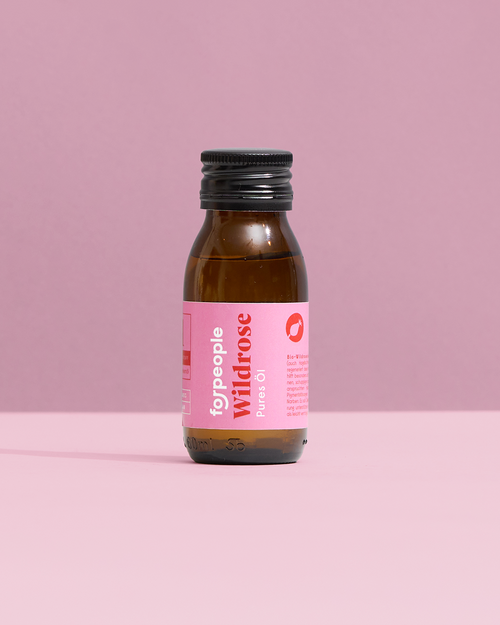
Only the flower oil of the dog rose (Rosa Canina Flower Oil), as part of "Rose Flower Oil/Extract". The fatty oil from the fruit, such as our Wild Rose Seed Oil - pure listed as Rosa Canina Fruit Oil, is not included. How the plant oils differ is shown on Argan, jojoba, almond or rosehip oil: how do they differ?.
Is a product without these names free of fragrance substances?
Not necessarily. A substance may be below the threshold, and "Parfum" can also contain fragrance ingredients that are not on the list. Until the end of July 2028 a pack may also still be labelled under the old rules. If you want to avoid fragrance substances altogether, check that neither Parfum nor essential oils appear in the list.
How do I find out which fragrance substance I react to?
A dermatologist can find out, usually with a patch test; how it works is described on Colophony allergy, propolis, beeswax: symptoms and advice. You should seek medical advice if your skin repeatedly turns red, burns or forms small blisters after using a product. What you can do after a reaction and whom to report it to is covered on Reacting to a cosmetic product: what to do, who to tell, returns.
Why does the regulation give peroxide values for limonene and pinene?
These substances change in contact with air, and peroxides are formed. Annex III therefore limits the peroxide content, to less than 20 mmol/L for limonene and to less than 10 mmol/L for pinene and the pine and turpentine oils; the value applies to the raw material, not to the finished product. Keeping products well closed, cool and dark helps at home too; more on Cosmetics Shelf Life: Hourglass Symbol and PAO After Opening.
Does the requirement also apply to soap?
Yes. For soap, shower gel and shampoo the higher threshold of 0.01% applies, because they are rinsed off.
At forpeople
If you want to avoid the fragrance substances in these tables, you will find products without essential oils whose ingredient list contains none of these names:
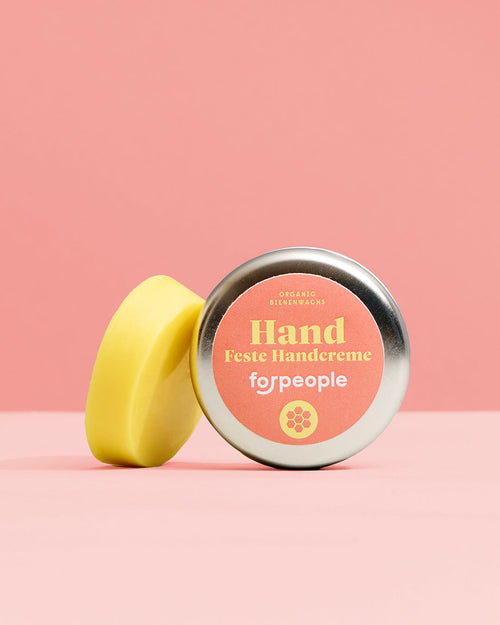
- Solid Hand Cream - Beeswax, 30 g, €9.90: for your hands, with beeswax, olive and sunflower oil.
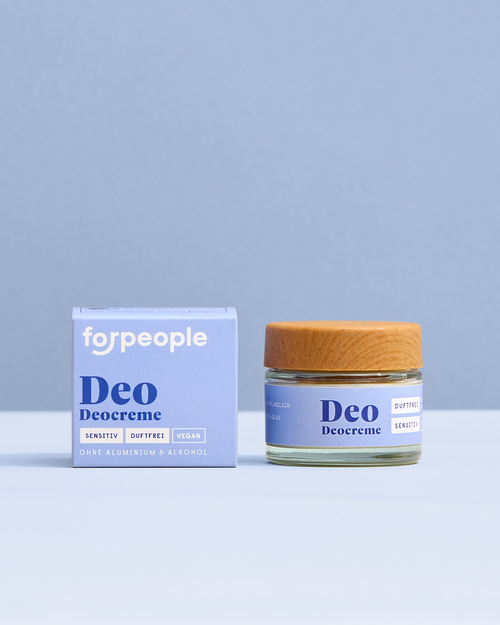
- Sensitive Deodorant Cream, 50 g, €8.90: deodorant cream without fragrances, with starch, shea butter and sodium bicarbonate. What matters with fragrance-free deodorants is explained on Fragrance-free deodorant: what to look for.
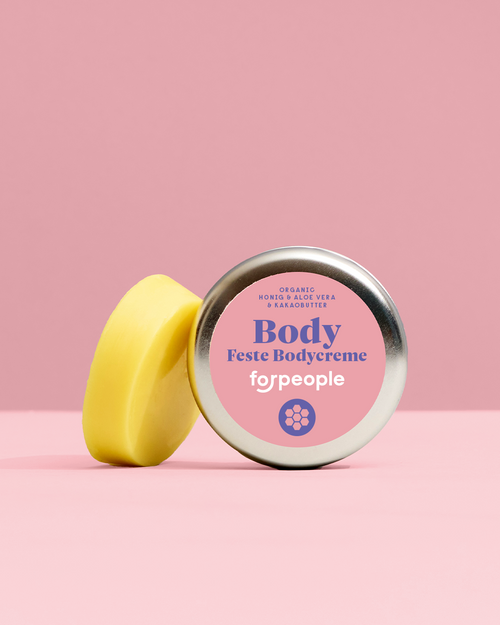
- Solid Body Butter - Beeswax & Aloe Vera, 40 g, €9.90: for the body, ideally after showering.
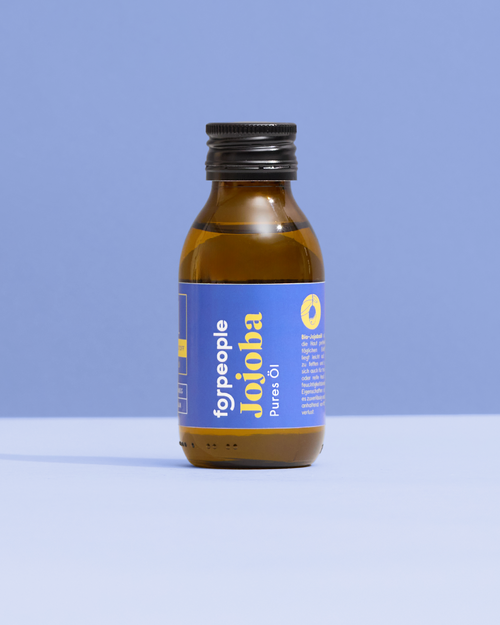
- Jojoba Oil - pure, 100 ml, €16.90: pure oil for face, body and hair.
Beeswax is not on the fragrance list, but it can trigger reactions itself. It is best to test new skincare on a small area first, as described in Trying a new product: how do I test it on a small area?, and to stop using it if your skin reacts.
More on this: Essential Oils and Fragrance Allergens · INCI names explained · Without fragrance and essential oils · Reacting to a cosmetic product: what to do
Sources
- European Commission (2023): Commission Regulation (EU) 2023/1545 of 26 July 2023 amending Regulation (EC) No 1223/2009 of the European Parliament and of the Council as regards labelling of fragrance allergens in cosmetic products. Official Journal of the European Union L 188, 27.7.2023, p. 1. https://eur-lex.europa.eu/legal-content/EN/TXT/?uri=CELEX:32023R1545
- Regulation (EC) No 1223/2009 of the European Parliament and of the Council of 30 November 2009 on cosmetic products, consolidated version of 18.5.2026 (Article 2, Article 19, Annexes II and III). https://eur-lex.europa.eu/legal-content/EN/TXT/?uri=CELEX:02009R1223-20260518
- Scientific Committee on Consumer Safety (SCCS) (2012): Opinion on fragrance allergens in cosmetic products. SCCS/1459/11, adopted 26–27 June 2012. https://ec.europa.eu/health/scientific_committees/consumer_safety/docs/sccs_o_102.pdf
- German Federal Office of Consumer Protection and Food Safety (BVL): Kennzeichnung von Duftstoffen. List of fragrance substances requiring labelling (non-binding extract from Annex III of Regulation (EC) No 1223/2009), accessed 28.10.2026. https://www.bvl.bund.de/DE/Arbeitsbereiche/03_Verbraucherprodukte/03_AntragstellerUnternehmen/02_Kosmetik/05_Kennzeichnung/02_Duftstoffe/bgs_fuerAntragsteller_Duftstoffe_node.html
- Vandamme C, Guillaume M, Pirnay S (2024): Allergens grouping names on packaging: Are the substances similar enough to ensure safety? The worst case scenarios question this. International Journal of Cosmetic Science 46(6): 895–904. https://doi.org/10.1111/ics.12979