What INCI means and how the list is built
INCI stands for International Nomenclature of Cosmetic Ingredients. In the EU, the Cosmetics Regulation (EC) No 1223/2009 requires every cosmetic product to list its ingredients under these names. The order follows the weight share: the largest share comes first. Ingredients below 1% may follow in any order. Colour pigments appear as CI numbers.
Plant ingredients carry the botanical name of the plant, followed by the part used: “Seed Oil” is an oil from the seeds, “Leaf Extract” an extract from the leaves, “Peel Oil” an oil from the peel. How to read a list step by step is explained on the page How to read an INCI list.
Plant oils and plant butters
| INCI name | Common name | Role in the formula | For example in |
|---|---|---|---|
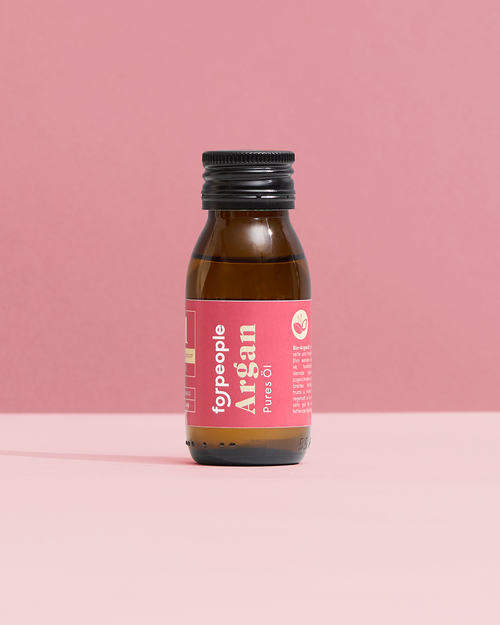
| Argania Spinosa Kernel Oil | Argan oil | Plant oil from the kernels of the argan tree, part of the oil phase | Argan oil – cold-pressed |
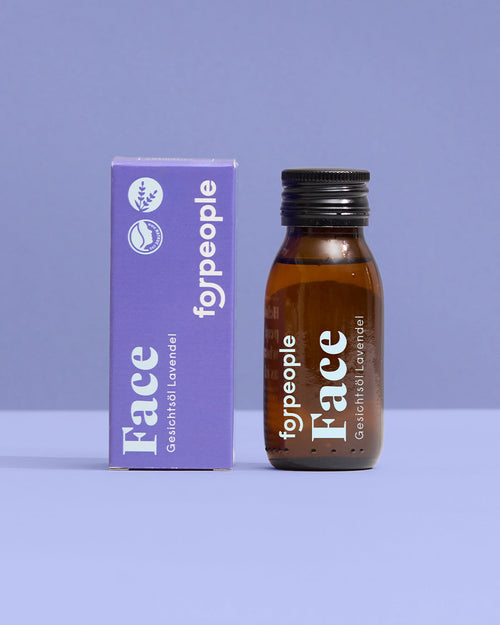
| Borago Officinalis Seed Oil | Borage seed oil | Plant oil, part of the oil phase | Face oil – Lavender |
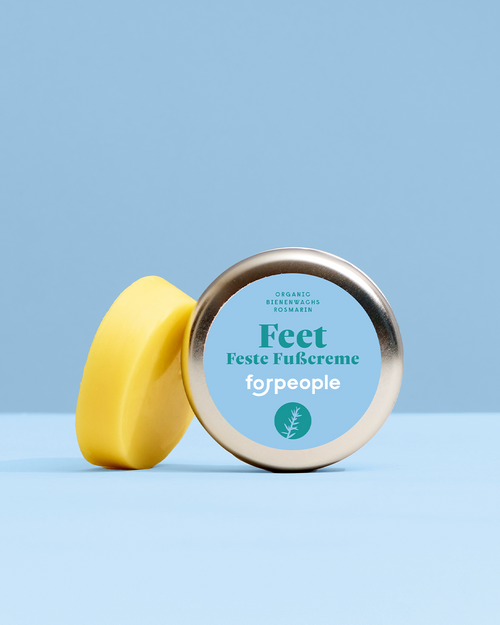
| Butyrospermum Parkii Butter | Shea butter | Plant butter from the nuts of the shea tree, solid at room temperature | Solid foot cream – Rosemary & Sage |
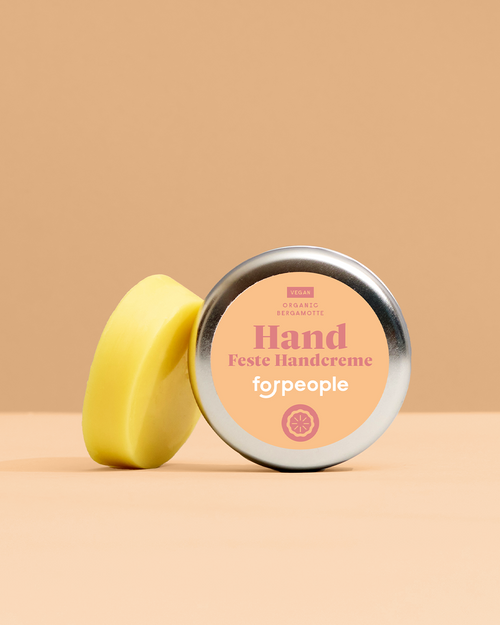
| Cannabis Sativa Seed Oil | Hemp seed oil | Plant oil from the seeds of the hemp plant | Solid hand cream – Bergamot |
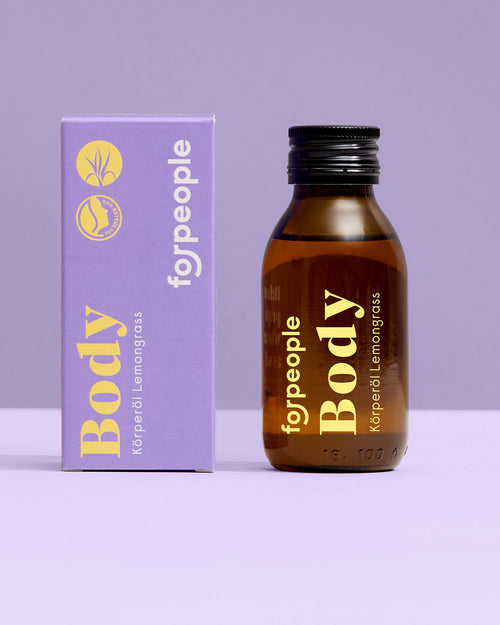
| Carthamus Tinctorius Seed Oil | Safflower oil | Plant oil, part of the oil phase | Body oil – Lemongrass |
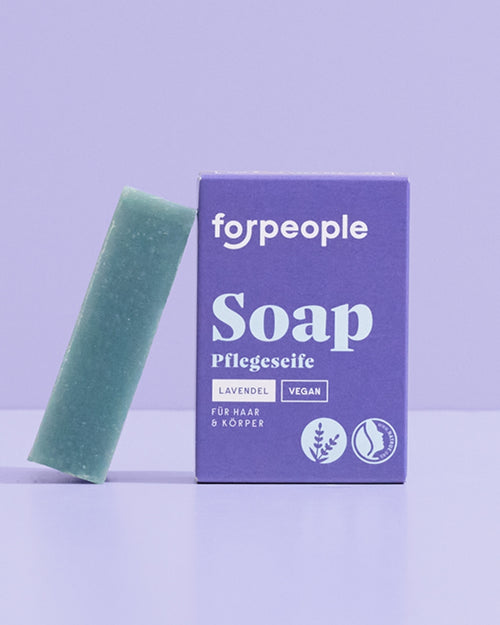
| Cocos Nucifera Oil | Coconut oil | Plant fat; in solid soaps one of the main ingredients that turn into soap during saponification | Solid soap – Lavender |
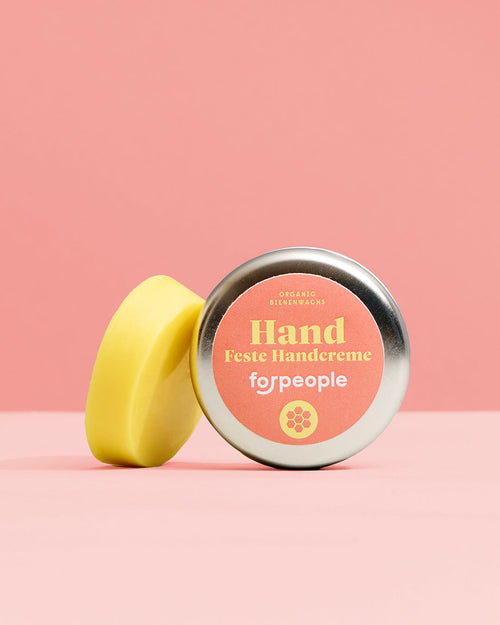
| Helianthus Annuus Seed Oil | Sunflower oil | Plant oil, part of the oil phase | Solid hand cream – Beeswax |
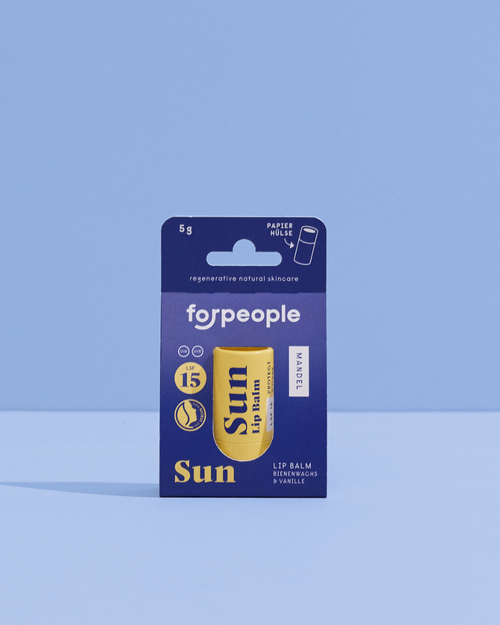
| Helianthus Annuus Hybrid Oil | Sunflower oil from high-oleic varieties | Plant oil, part of the oil phase | Lip balm – SPF15 Almond & Vanilla |
| Hippophae Rhamnoides Seed Oil | Sea buckthorn seed oil | Plant oil from the seeds of the sea buckthorn berry | Body oils |
| Olea Europaea Fruit Oil | Olive oil | Plant oil; in balms part of the oil phase, in soaps a main ingredient | SOS Pitch Salve – Larch Resin |
| Prunus Amygdalus Dulcis Oil | Sweet almond oil | Plant oil from sweet almond kernels | Almond oil – cold-pressed |
| Ricinus Communis Seed Oil | Castor oil | Thick plant oil from the seeds of the castor plant | Beeswax Salve – Larch & Mandarin |
| Rosa Canina Fruit Oil | Rosehip seed oil | Plant oil from rosehip seeds | Rosehip seed oil – cold-pressed |
| Sesamum Indicum Seed Oil | Sesame oil | Plant oil, part of the oil phase | Body oils |
| Simmondsia Chinensis Seed Oil | Jojoba oil | Strictly speaking a liquid plant wax, not an oil | Jojoba oil – cold-pressed |
| Theobroma Cacao Seed Butter | Cocoa butter | Plant butter from cocoa beans, solid at room temperature | Solid body butter – Beeswax & Aloe Vera |
| Caprylic/Capric/Myristic/Stearic Triglyceride | Neutral oil (triglyceride from plant fatty acids) | Fatty base in which the mineral UV filters are dispersed | Solid sunscreen SPF50 |
Waxes and resins
| INCI name | Common name | Role in the formula | More |
|---|---|---|---|
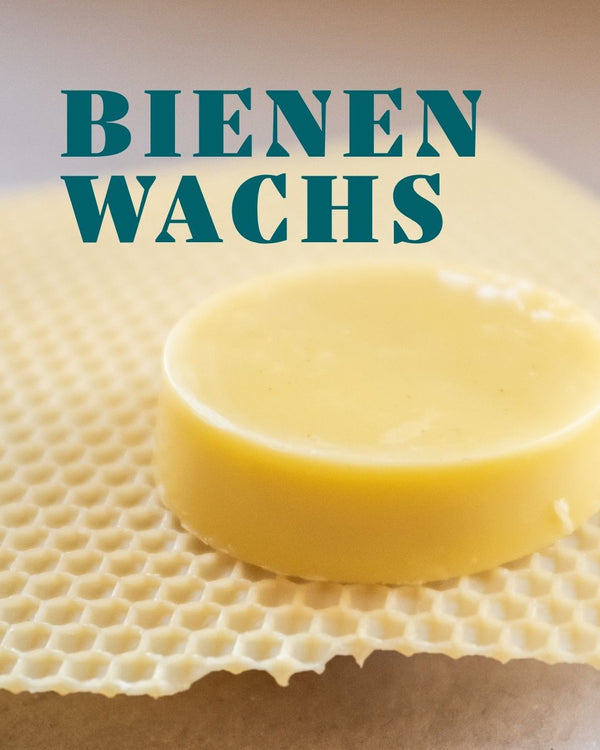
| Cera Alba | Beeswax | Gives solid creams, balms and lip balms their firmness | Beeswax in cosmetics |
| Euphorbia Cerifera Cera (also Euphorbia Cerifera Wax) | Candelilla wax | Plant wax, used instead of beeswax in vegan formulas | Candelilla wax or beeswax |
| Propolis Cera | Propolis wax | Wax containing propolis, the resin collected by bees | Propolis balm and bee resin |
| Larix Decidua Resin | Larch resin | Resin of the European larch, the defining ingredient of the pitch salve | Larch resin |
| Terebinthina Laricina | Larch resin (larch turpentine) | Resin balsam of the larch | Tree resin, pitch and wood tar |
If you react to resin or propolis, see the page Resin and propolis: notes on allergies.
Essential oils
Essential oils give our products their scent. We do not add perfume.
| INCI name | Common name | For example in |
|---|---|---|
| Abies Alba Leaf Oil | Silver fir needle oil | Beeswax Salve – Larch & Mandarin |
| Cinnamomum Zeylanicum Leaf Oil | Cinnamon leaf oil | Body oil – Cinnamon & Orange |
| Citrus Aurantium Bergamia Peel Oil, Citrus Bergamia Peel Oil | Bergamot oil | Solid hand cream – Bergamot |
| Citrus Aurantium Dulcis Peel Oil, Citrus Sinensis Peel Oil Expressed | Orange peel oil | Exfoliating soap – Coffee & Orange |
| Citrus Aurantium Peel Oil | Bitter orange oil | Soap – Coffee & Orange |
| Citrus Limon Peel Oil | Lemon oil | Solid soap – Rosemary & Lemon |
| Citrus Reticulata Peel Oil | Mandarin oil | Beeswax Salve – Larch & Mandarin |
| Curcuma Aromatica Root Oil | Wild turmeric oil | Body oil – Cinnamon & Orange |
| Cymbopogon Flexuosus Oil, Cymbopogon Citratus Leaf Oil | Lemongrass oil | Lip balm – Lemongrass |
| Eucalyptus Globulus Leaf Oil, Eucalyptus Radiata Flower/Leaf/Stem Oil | Eucalyptus oil | Solid soap – Eucalyptus & Sage |
| Lavandula Angustifolia Oil | Lavender oil (true lavender) | Face oil – Lavender |
| Lavandula Hybrida Grosso Herb Oil | Lavandin oil | Solid soap – Lavender |
| Rosmarinus Officinalis Leaf Oil | Rosemary oil | Solid foot cream – Rosemary & Sage |
| Salvia Officinalis Oil | Sage oil | Solid soap – Eucalyptus & Sage |
| Salvia Sclarea Oil | Clary sage oil | Solid foot cream – Rosemary & Sage |
Plant extracts, juices, powders and starch
| INCI name | Common name | Role in the formula | For example in |
|---|---|---|---|
| Aloe Barbadensis Leaf Juice | Aloe vera leaf juice | Main ingredient of the serum | Aloe Vera Serum 99.6% |
| Aloe Barbadensis Leaf Extract | Aloe vera leaf extract | Plant extract | Solid hand cream – Beeswax |
| Calendula Officinalis Flower, Calendula Officinalis Flower Extract | Calendula (flowers, flower extract) | Plant extract | Solid soaps |
| Hypericum Perforatum Flower/Twig Extract | St John’s wort (extract from flowers and twigs) | Plant extract | Solid foot cream – Rosemary & Sage |
| Curcuma Longa Root Extract | Turmeric (root extract) | Plant extract | Body oil – Lemongrass |
| Vanilla Planifolia Extract | Vanilla extract | Scent | Lip balm – SPF15 Almond & Vanilla |
| Coffea Arabica Seed Powder | Ground coffee | Exfoliating grain in the soap | Exfoliating soap – Coffee & Orange |
| Theobroma Cacao Seed Powder | Cocoa powder | Ingredient of the coffee soap | Exfoliating soap – Coffee & Orange |
| Solanum Tuberosum Starch | Potato starch | Powder that absorbs moisture | Sensitive Deodorant Cream |
| Zea Mays Starch | Corn starch | Powder that absorbs moisture | Deodorant cream – Lemon |
Minerals and colour pigments
| INCI name | Common name | Role in the formula | More |
|---|---|---|---|
| Zinc Oxide | Zinc oxide | Mineral UV filter, non-nano in our products | Zinc oxide in sunscreen |
| Titanium Dioxide | Titanium dioxide | Mineral UV filter, non-nano in our products | Zinc oxide or titanium dioxide |
| Silica | Silica (silicon dioxide) | Fine mineral powder for texture | Solid sunscreen SPF50 |
| Kaolin | Kaolin (white clay) | Fine mineral powder | Solid sunscreen SPF50 Mini – Ocean Blue |
| Sodium Bicarbonate | Baking soda (sodium bicarbonate) | Ingredient of the deodorant cream | Baking soda in deodorant |
| CI 77007 | Ultramarine blue | Colour pigment | Sunscreen Ocean Blue, Lavender soap |
| CI 77288 | Chromium oxide green | Colour pigment | Eucalyptus & Sage soap |
| CI 77491, CI 77492 (Iron Oxides) | Red iron oxide, yellow iron oxide | Colour pigments for the tinted shade | Sunscreen Light Sand |
What “non-nano” means and how particle size is measured is explained on the page Nano or non-nano: zinc oxide and titanium dioxide.
Auxiliary ingredients in soap and serum
| INCI name | Common name | Role in the formula |
|---|---|---|
| Aqua | Water | In solid soaps, used to dissolve the lye |
| Sodium Hydroxide | Sodium hydroxide (lye) | For saponification: reacts with the oils to form soap |
| Sodium Lactate | Sodium lactate (salt of lactic acid) | Common in soaps to make the bars firmer |
| Tocopherol | Vitamin E | Antioxidant: protects the oils in the formula from going rancid |
| Citric Acid | Citric acid | Adjusts the pH |
| Potassium Sorbate | Potassium sorbate | Preservative |
| Sodium Benzoate | Sodium benzoate | Preservative |
Our solid creams, balms and deodorant creams contain no water. Water, lye and preservatives are therefore only found in the soaps and in the aloe vera serum.
Fragrance components: limonene, linalool and co.
Many lists end with names such as limonene, linalool or pinene. These are components of the essential oils or of the larch resin in the formula; they are not added separately. The EU Cosmetics Regulation requires certain fragrance substances to be listed individually once they exceed 0.001% in a product that stays on the skin, or 0.01% in a rinse-off product. If you react to one of them, you can find it directly in the list. More on the page Essential oils and fragrance allergens.
| INCI name | Common name | Found for example in |
|---|---|---|
| Limonene | Limonene | Citrus peel oils |
| Linalool | Linalool | Lavender and bergamot oil |
| Linalyl Acetate | Linalyl acetate | Lavender oil |
| Citral | Citral | Lemongrass and lemon oil |
| Geraniol | Geraniol | Lemongrass oil |
| Geranyl Acetate | Geranyl acetate | Lavender oil |
| Citronellol | Citronellol | Lemongrass oil |
| Citronellal | Citronellal | Lemongrass oil |
| Coumarin | Coumarin | Lavender oil |
| Pinene | Pinene | Rosemary oil, fir needle oil, larch resin |
| Terpineol | Terpineol | Rosemary and eucalyptus oil |
| Terpinene, Alpha-Terpinene | Terpinene | Larch resin, citrus peel oils |
| Terpinolene | Terpinolene | Larch resin |
| Camphor | Camphor | Rosemary and sage oil |
| Beta-Caryophyllene | Beta-caryophyllene | Rosemary and sage oil |
What asterisks and numbers mean
Some INCI names are followed by symbols such as *, ** or ¹. These are not standardised. Their meaning is given on each product page directly below the list. In our products they usually mean:
| Symbol | Meaning |
|---|---|
| * | from certified organic farming |
| ¹ | from direct trade |
| ² | gently cold-pressed |
| ** | natural component of essential oils; in sunscreen and lip balm with SPF: mineral UV filter, non-nano |
Frequently asked questions
What is Cera Alba?
Cera Alba is the INCI name for beeswax. In our products with beeswax it appears under this name in the list, for example in the solid hand cream with beeswax.
What is Butyrospermum Parkii Butter?
It is shea butter, the fat from the nuts of the shea tree. Butyrospermum parkii is an older botanical name for the tree that is still used in INCI lists.
Why are limonene and linalool listed when no perfume is added?
Both are natural components of essential oils. The EU Cosmetics Regulation requires them to be listed individually above a certain share, even when they come from a plant oil.
Why is sodium hydroxide listed in the soap?
There is no soap without lye: during saponification it reacts with the oils to form soap. The list shows the ingredients we use for this.
In what order are the ingredients listed?
By weight share, largest first. Ingredients below 1% may appear at the end in any order.
What does “non-nano” mean for zinc oxide?
The particles are larger than the nano range. In the EU, nanomaterials must be marked “(nano)” in the list. More on the page Nano or non-nano.