








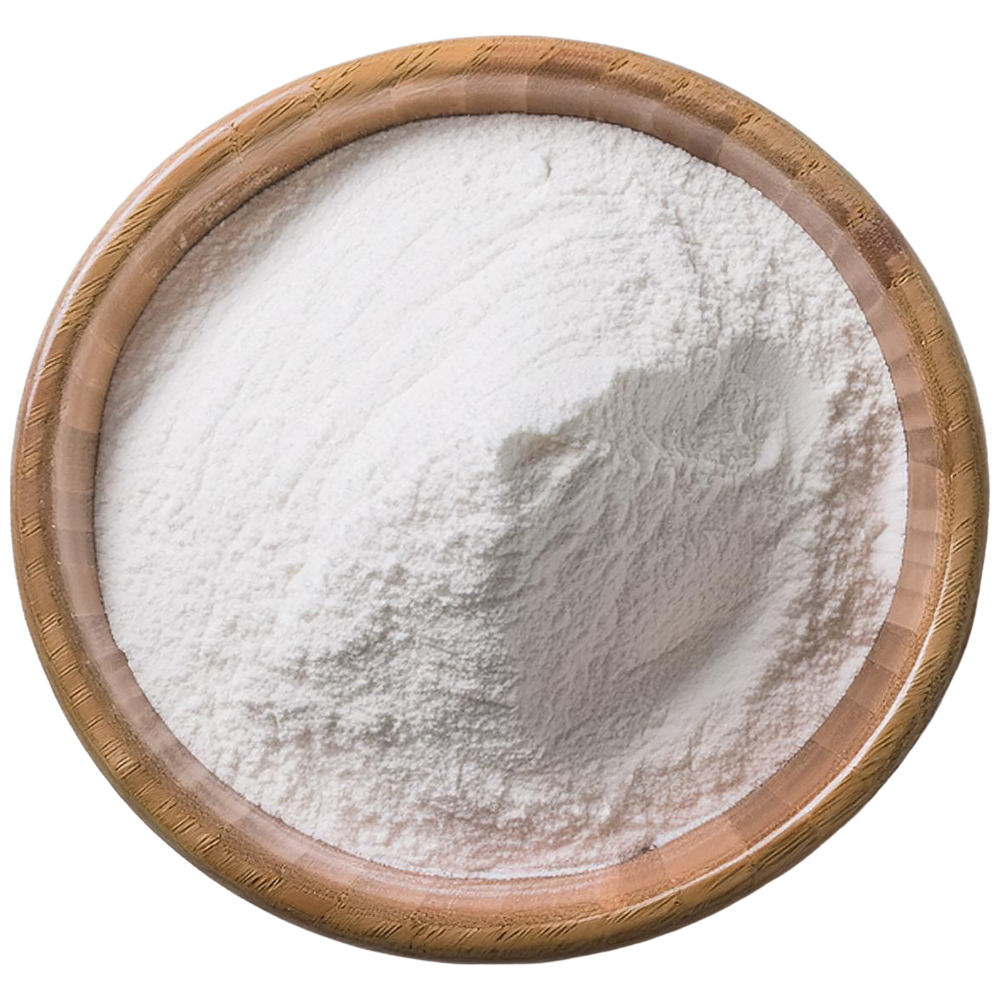


Profile
Zinc oxide is, for me, the only sun protection I'll put on kids without a second thought.
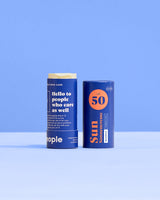
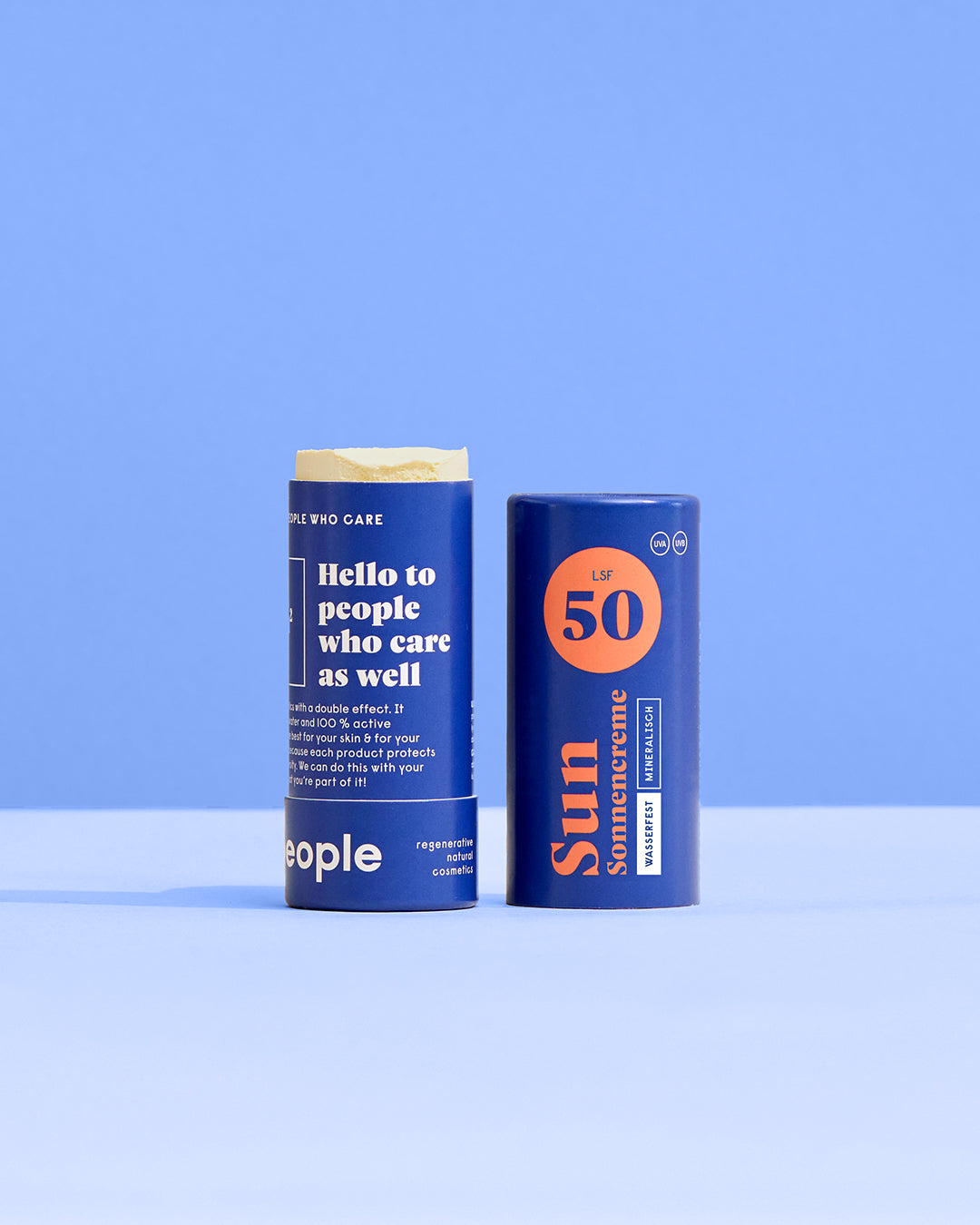
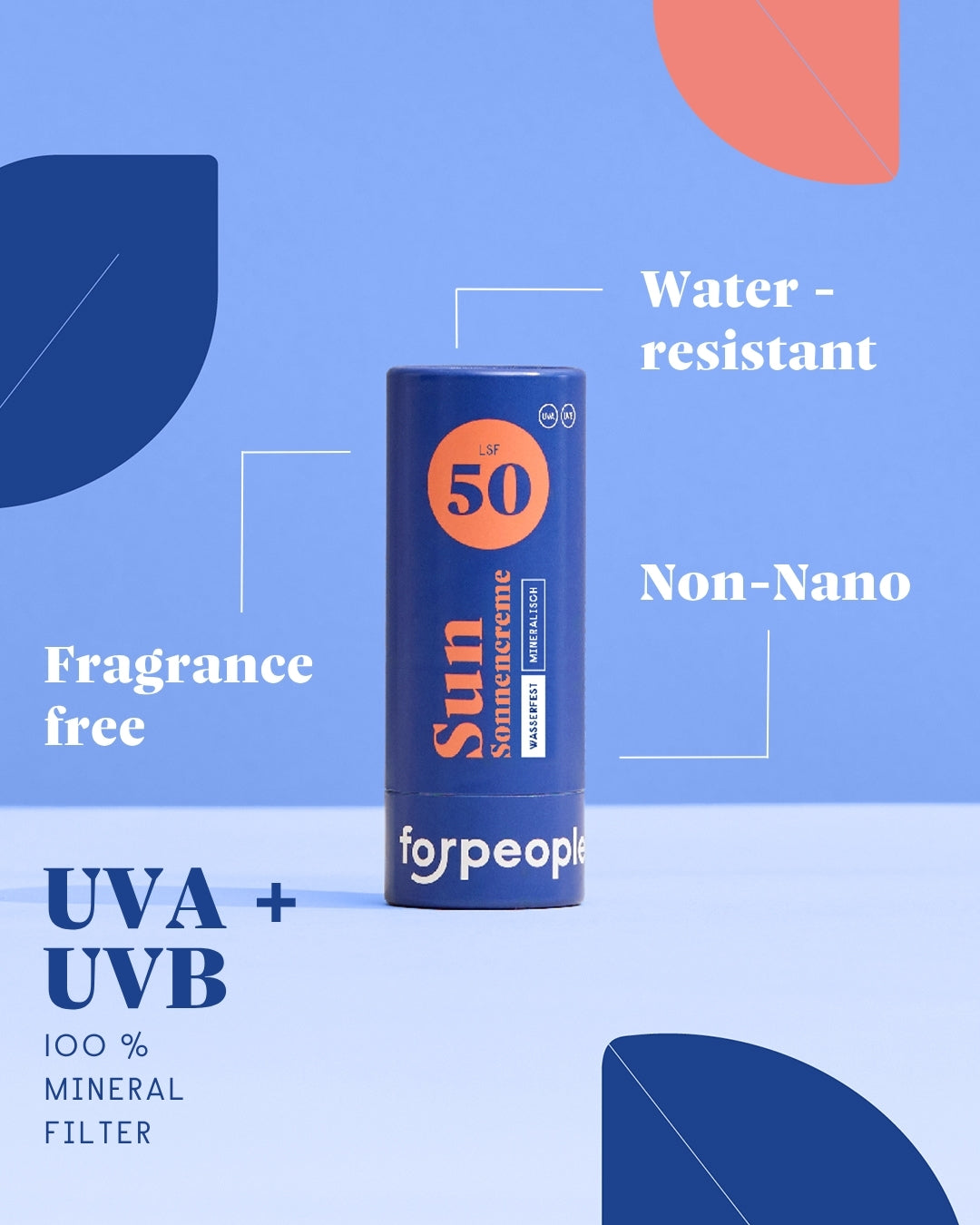
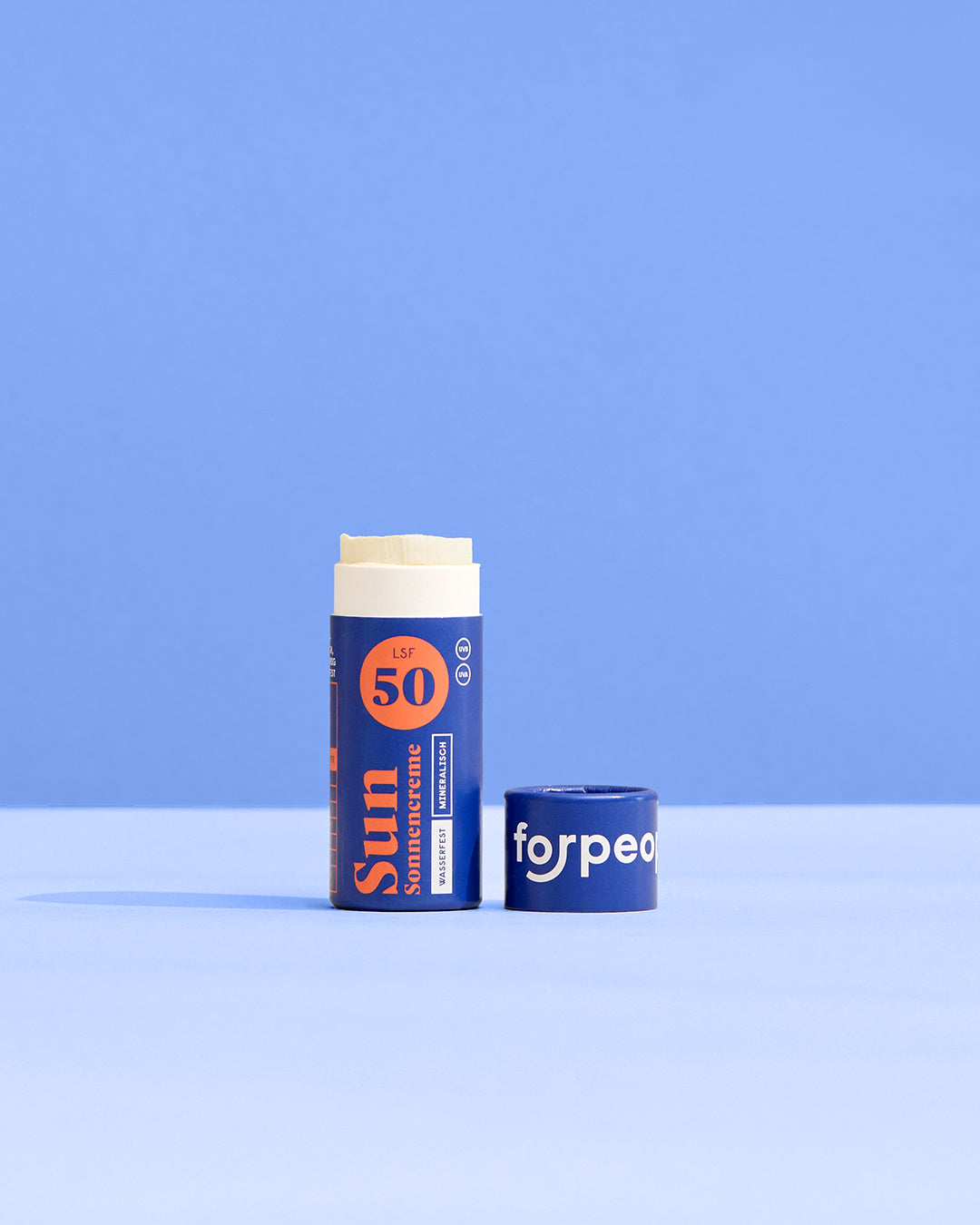
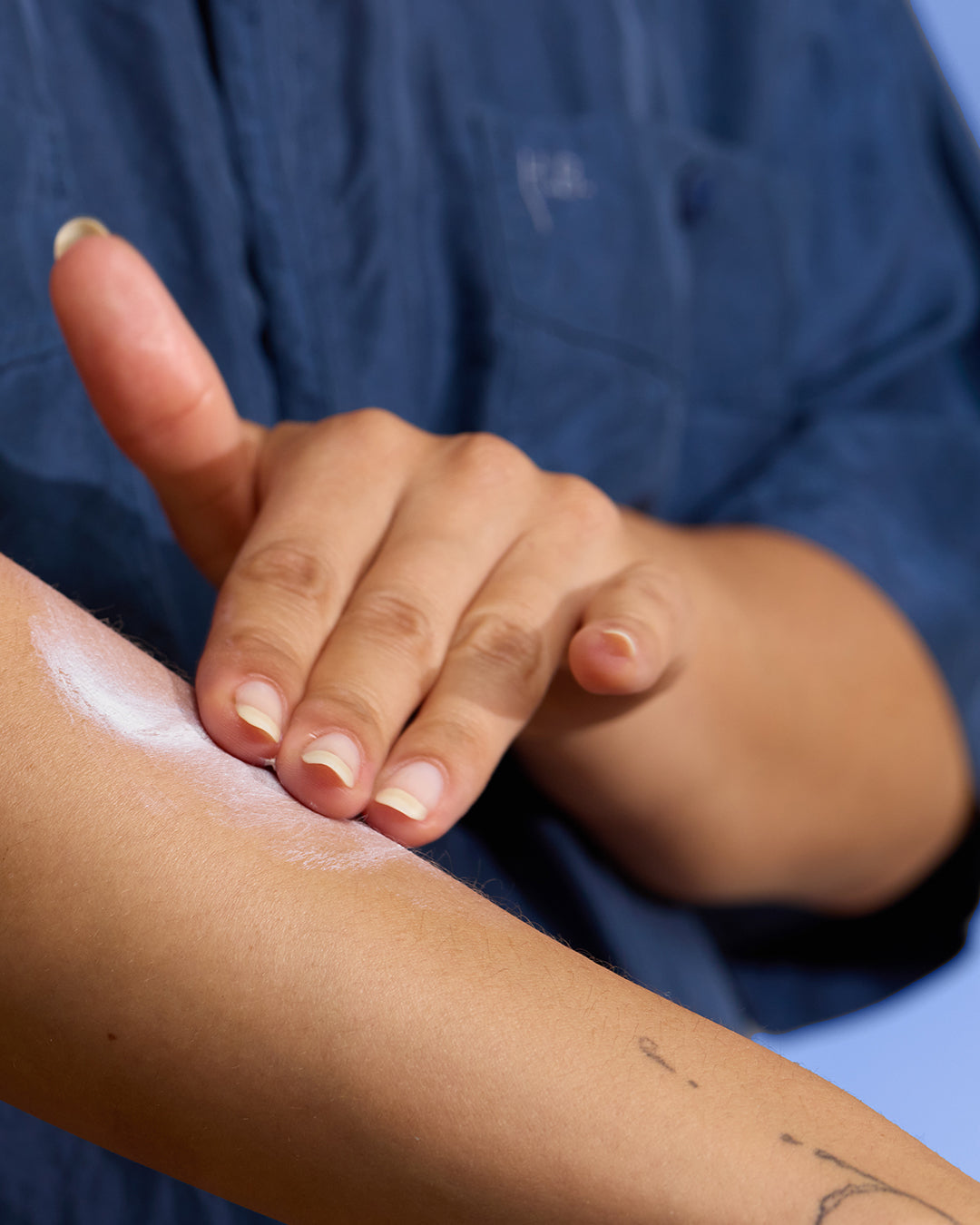
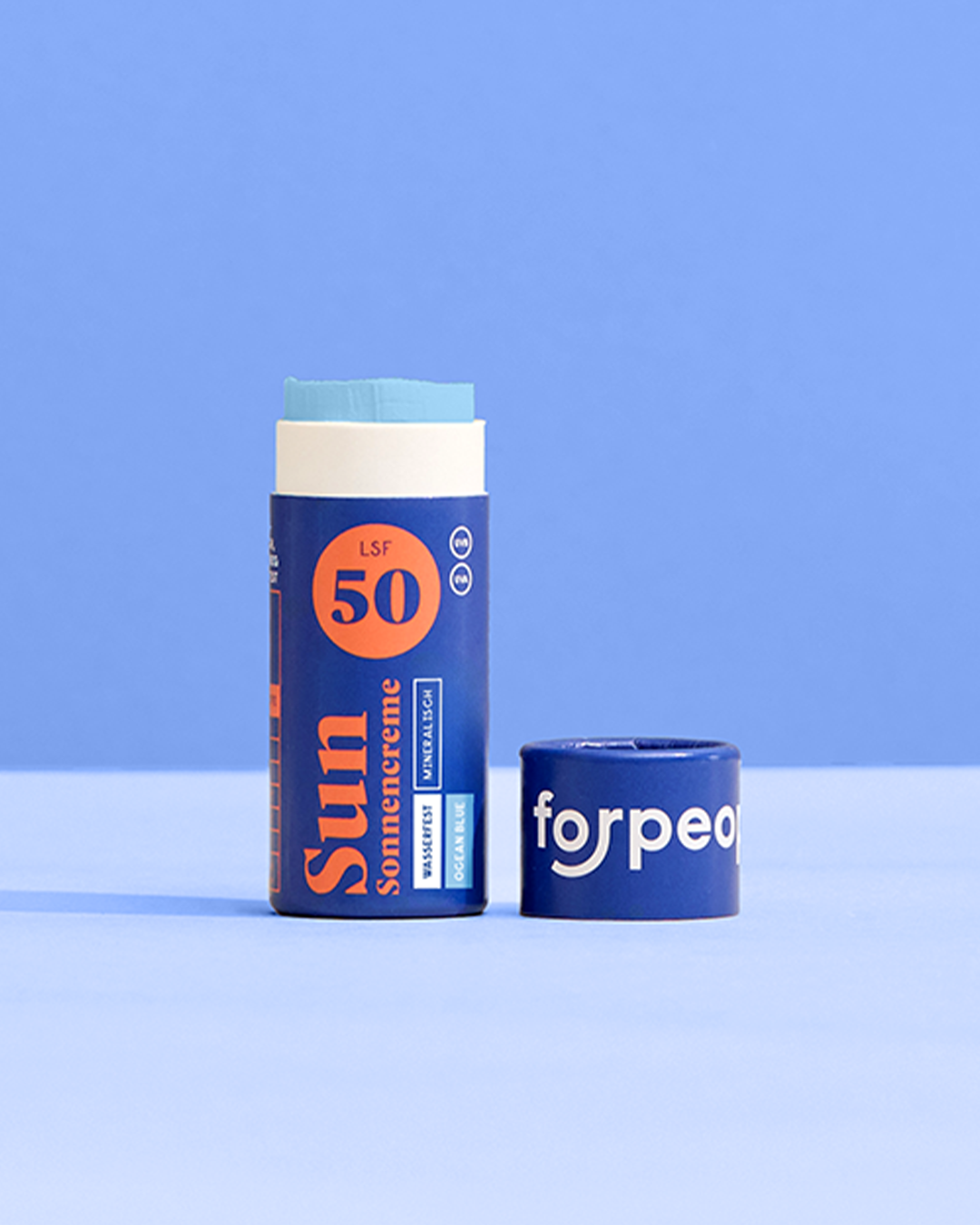
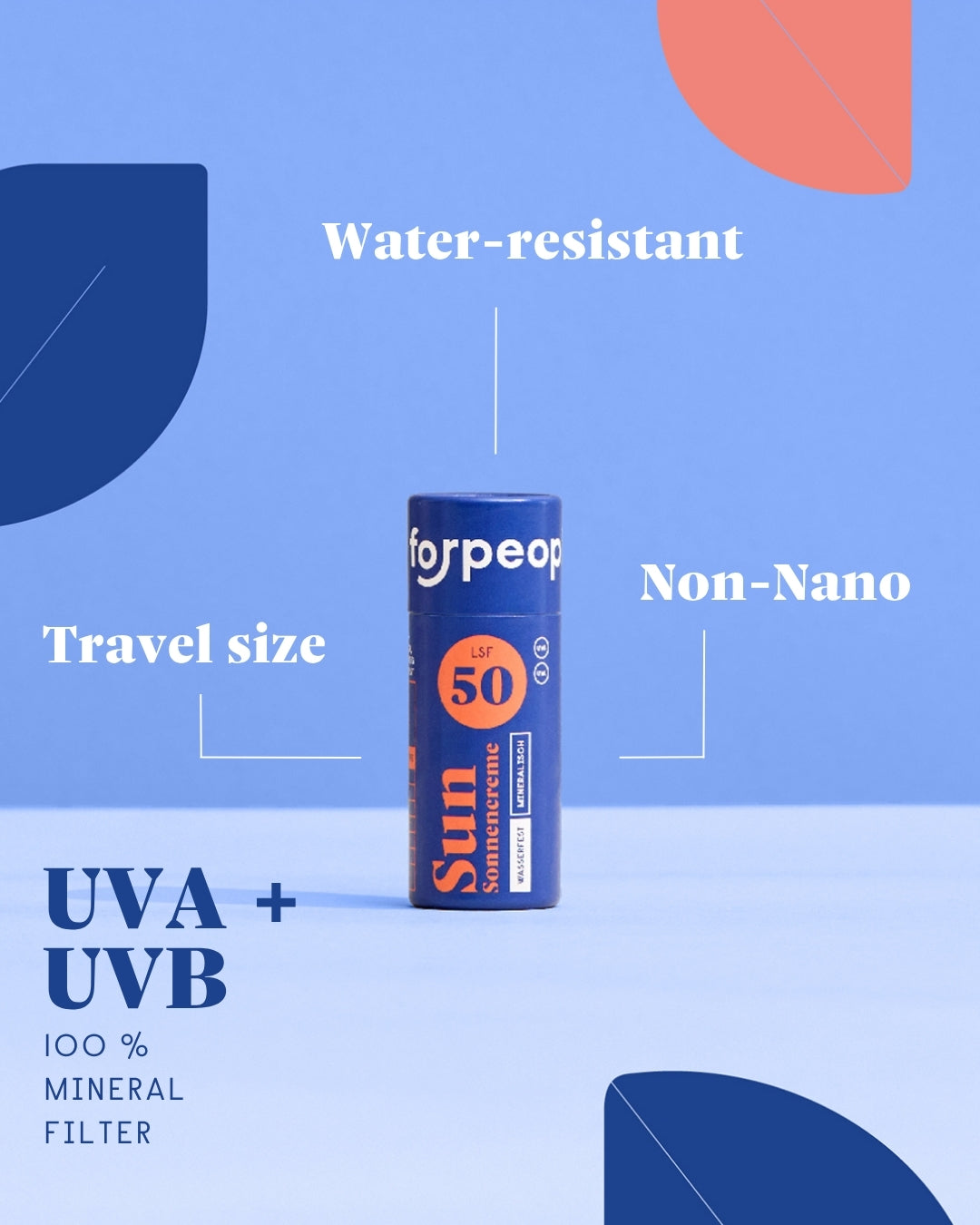
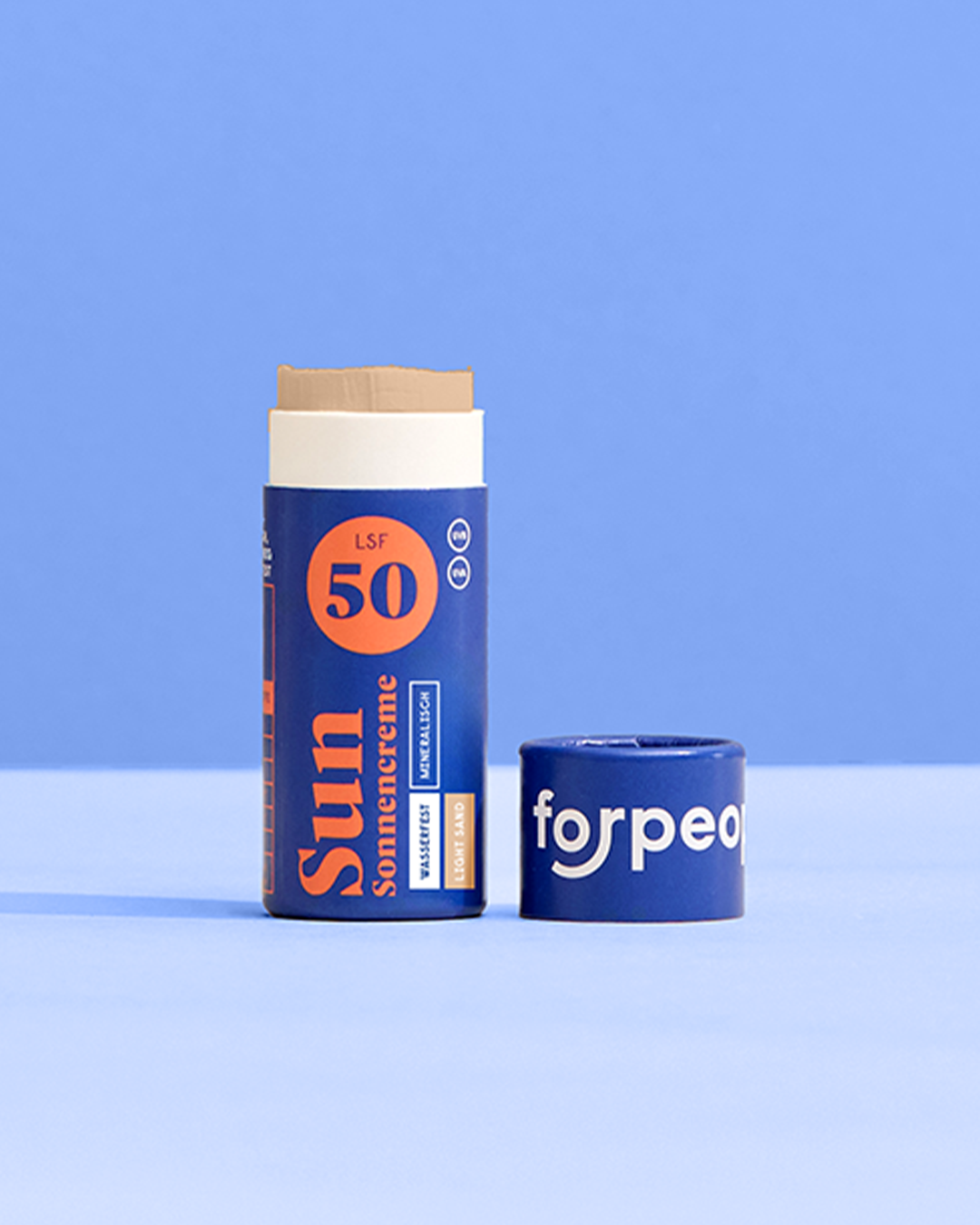
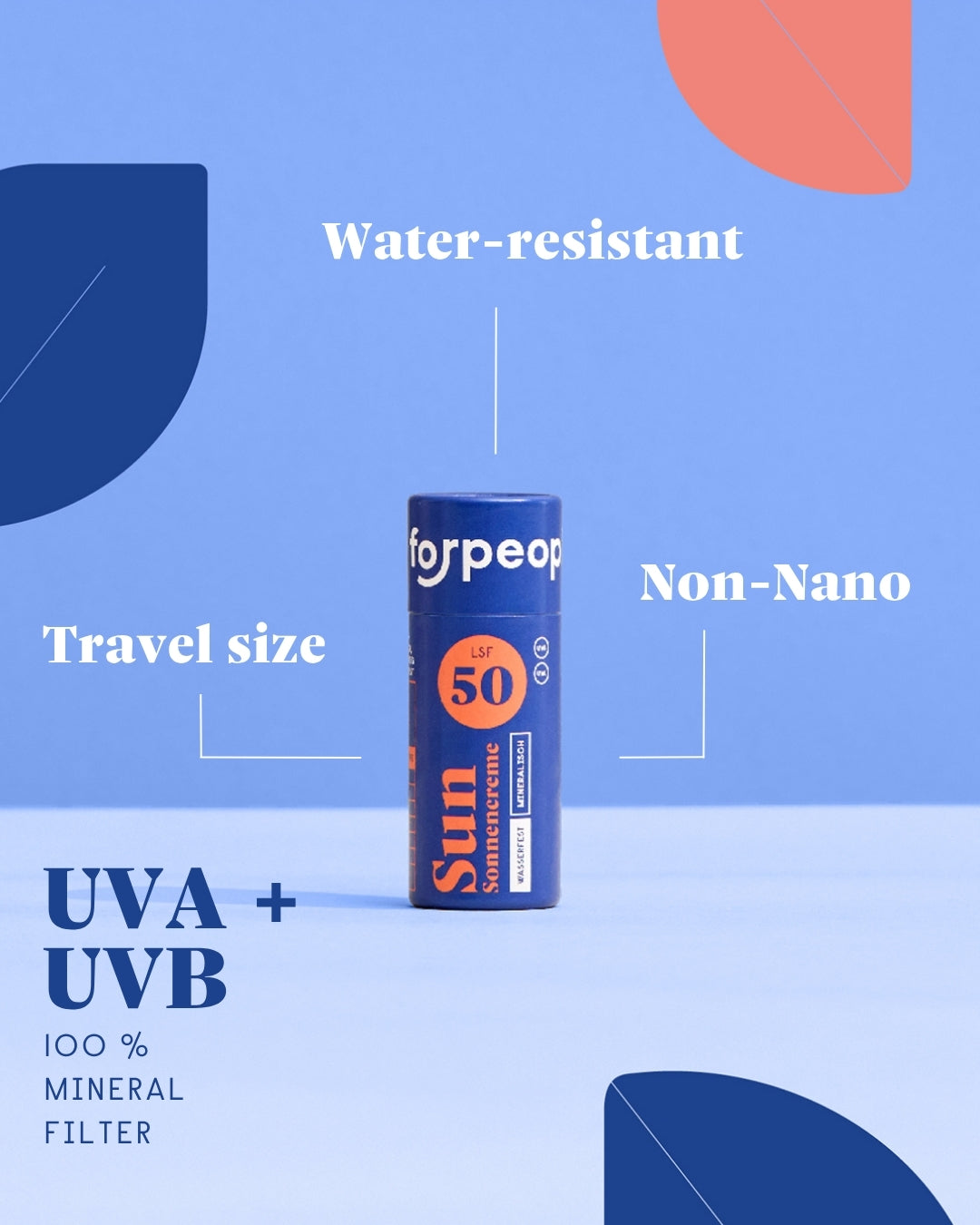
Mineral, non-nano, blocks the moment you put it on – with no hormonal load. It's in every one of our solid sunscreens with SPF50 and in the travel sizes too. Safe protection, no compromises.
Mineral UV filter without nanoparticles
Zinc oxide is a mineral UV filter that physically reflects UV-A and UV-B radiation. Unlike chemical filters, it doesn't penetrate the skin. We make a point of using non-nano quality (particles >100 nm) – which makes the filter especially gentle on skin and friendly to coral.
Zinc oxide in our mineral sunscreens
Which skin is zinc oxide right for?
Zinc oxide is the sun protection active with the highest skin tolerance.
How does zinc oxide work on the skin?
Three mechanisms that make zinc oxide the classic mineral sun protection.
Physical UV protection
Reflects UV-A and UV-B the moment you put it on – no soak-in time, no hormonal load.
Anti-inflammatory
Zinc oxide also has a soothing effect on irritated and inflamed skin – no surprise it's also in wound creams.
Stays on the skin
Unlike chemical filters, it doesn't get into the body – no hormonal concerns and suitable for pregnant women.
What can you use zinc oxide for?
High sun protection for face and body
The standard for delicate children's skin
Waterproof solid sunscreen for climbing, hiking, surfing
Preventing UV-driven skin aging
Gentle protection after peels or laser
For rosacea, couperose and sun allergy
When snorkeling and diving – reef-friendly
For skin irritations and wound care
Zinc oxide pairs especially well with …
The key partners in our mineral sunscreens.
Rounds out the protection – both mineral, both non-nano.
Learn moreMakes the sunscreen creamier and more nourishing.
Learn moreWaterproof texture for long-lasting protection.
Learn moreAnti-aging care to round out the UV protection.
Learn moreWhat do studies say?
„Chemical UV filters become detectable in blood plasma – mineral filters like zinc oxide do not."
„Non-nano zinc oxide offers UV protection equivalent to chemical filters without hormonal concerns."
„Mineral sun protection (non-nano) shows no harmful effects on coral reefs."
Glossary
Magazine


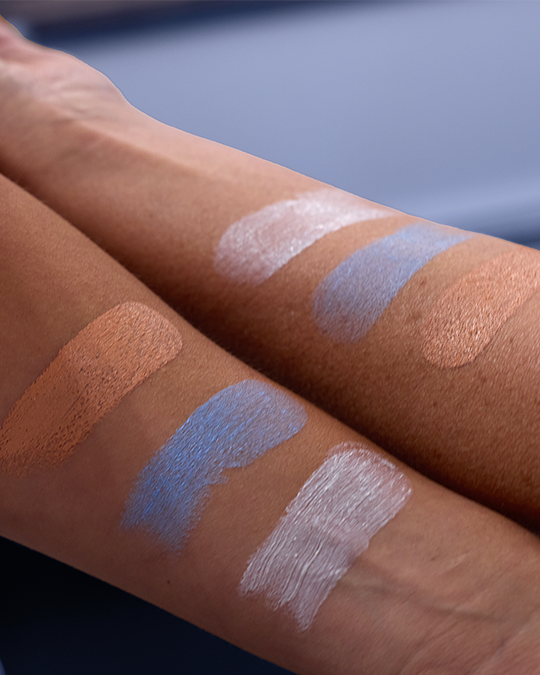
Sun allergy in children? Often the sunscreen is the problem – not the sun
Red patches, itching or little bumps after a day in the sun are quickly written off as a sun allergy. But in conversations with more than 30 customers we kept hearing something different: the skin ...
