







The problem: flakes and tightness on the ears
The skin on the rim of the ear becomes rough, fine flakes form behind the ears and end up on your collar, and sometimes the entrance to the ear canal itches. This is typical from autumn: after the first cold, windy days, when hats and headbands are worn again, when the heating is on and when headphones or earplugs stay in place for hours. People who wear glasses know the red, rough spot where the arm rests behind the ear. Most of these changes are dry skin. Some only look like it and belong in a doctor's practice; what to look out for is explained further down.
Why the ears get dry in autumn and winter
The outer ear stands in the wind. It sticks out from the head, its skin lies thinly over the cartilage, and it is exposed to cold and wind without protection. According to a review, low temperatures and low humidity reduce the skin's barrier function and make it more susceptible to mechanical stress (Engebretsen et al. 2016). Indoors, dry heated air is added; more in Humidity and skin: what dry heated air does and what helps. How important a hat that covers the ears is in real cold is shown by data on frostbite summarised in Cold cream: water-free, but no protection from frost.
Friction and trapped heat. A hat made of coarse wool rubs on the rim of the ear, glasses arms behind the ear, headphones on the outer ear. Earplugs and hearing aids keep warmth and moisture in the ear canal; they can cause contact dermatitis, and sweat and high humidity favour inflammation of the ear canal (DermNet: Otitis externa). Friction from rough clothing is one of the general causes of dry skin (DermNet: Dry skin). Why coarse wool itches is explained in Wool itches on the skin: why, and what helps.
Shampoo and water. Behind the ears and in the outer ear, residues of shampoo, conditioner or hairspray easily remain after washing your hair, and the fold behind the ear does not dry well. This is experience from practice; soap and cleansers are among the general causes of dry skin (DermNet: Dry skin).
Earrings. Nickel is one of the most common triggers of contact allergy, and because of earrings the earlobes are one of the typical sites; the skin then itches badly, turns red and forms blisters or becomes dry and thickened (DermNet: Nickel allergy).
Winter itself. Flakes behind the ears are not always dry skin. Seborrhoeic dermatitis affects areas rich in sebum such as the scalp, eyebrows, nasal folds, ears and the skin behind the ears, and it typically gets worse in winter (DermNet: Seborrhoeic dermatitis). It should be checked by a doctor, not treated with home remedies.
The solution step by step
| When | What you do | Why |
|---|---|---|
| Straight away | Do not scratch and do not put anything into the ear canal, not even cotton buds | Buds and scratching injure the skin of the ear canal; earwax protects and usually comes out on its own |
| Straight away | Leave out earrings if the earlobe itches or is red | Nickel is a common trigger of contact allergy on the earlobes |
| Every day | After washing your hair, rinse the outer ear and the fold behind the ear with clean water and pat dry well | Shampoo residue and moisture in the fold strain the skin |
| Every evening | Apply a small amount of a rich, fatty product thinly to the outer ear and behind the ear | The film slows evaporation; the thin skin over the cartilage dries out quickly |
| Every day | Keep headphones, earplugs and hearing aids clean and take breaks | Warmth and moisture in the ear canal favour irritation |
| Prevention | Outdoors, a hat or headband over the ears, with a smooth lining if it is wool | Cold, wind and coarse fibres dry out the outer ear |
| Prevention | On sunny days in the snow, protect the rims of the ears from the sun as well | The ears are among the most common sites of sun-related skin changes |
Sources for the table: Engebretsen et al. 2016, DermNet: Otitis externa, DermNet: Nickel allergy, NHS: Earwax build-up, DermNet: Actinic keratosis; the routines themselves are common practice.
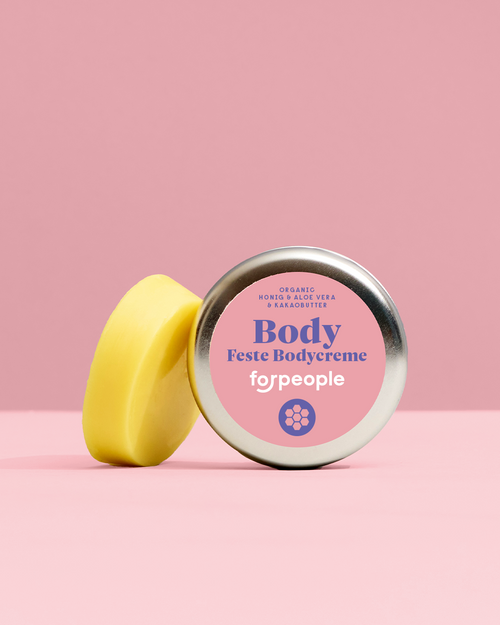
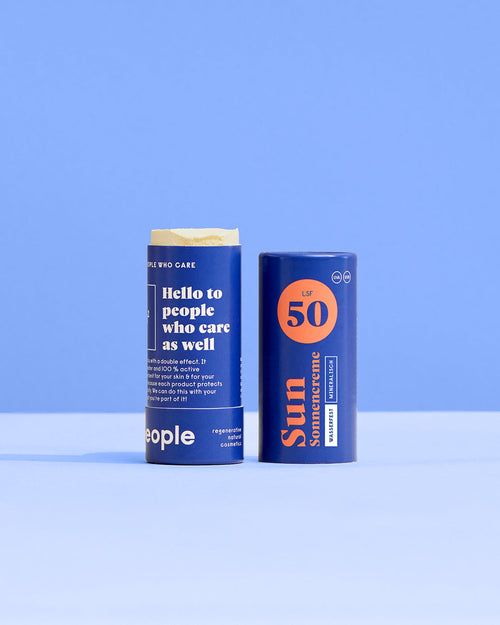
You do not need a special product for the outer ear. An unscented fatty ointment from the pharmacy is just as suitable as a body butter without essential oils. According to its ingredient list, the Solid Body Butter - Beeswax & Aloe Vera contains cocoa butter, olive oil, beeswax, sunflower oil, shea butter and aloe extract, no essential oils; its product page names it for dry or stressed areas of skin. On the head you use only a very small amount, and it does not go on the lips or near the eyes; more on this in Can I use body butter on hands, feet and face? If you prefer light care, first apply a few drops of Aloe Vera Serum 99.6%, according to its product page for face, body and hair, and put the butter thinly on top. For days in the snow there is the Solid Sunscreen SPF50 with zinc oxide and titanium dioxide; what matters in the mountains is explained in Sun protection in the mountains and on snow.
What helps – and what does not
| Measure or assumption | Assessment |
|---|---|
| Thin, rich care on the outer ear | helps dry skin; only on the outside, not in the ear canal |
| Hat or headband over the ears | helps against cold and wind |
| Cotton buds for cleaning | rather not; they injure the skin of the ear canal, and earwax usually comes out on its own |
| Dripping oil into the ear canal because it itches | not on your own initiative; itching in the ear canal should be checked by a practice, and drops are available after advice from a pharmacy |
| Ear candles | no benefit has been shown |
| Scratching off flakes behind the ears | rather not; the skin gets irritated and the cause remains |
| Scented cream or essential oils on the ear | if you tend to react, unscented care is the better choice |
Sources: DermNet: Otitis externa, NHS: Earwax build-up. The other entries are our assessment. Which fragrances have to be declared is explained in Essential oils and fragrance allergens; try a new product on a small area first, see Trying a new product: how do I test it on a small area?
Common mistakes
- Using cotton buds against itching and flakes in the ear. This rubs the skin of the ear canal, and earwax usually comes out on its own anyway.
- Putting cream into the ear canal. Care belongs only on the outer ear and behind the ear.
- Not rinsing out shampoo. Residues stay behind the ears particularly easily.
- Keeping earrings in despite itching. An itchy, red earlobe under earrings can be a nickel allergy.
- Taking reddish, flaky patches behind the ears for dry skin. This can be seborrhoeic dermatitis, which does not go away with care alone.
- Forgetting the ears when going out. A scarf protects the neck; only a hat or headband protects the ears.
When to get medical advice
Have your ears looked at by a GP, dermatologist or ear, nose and throat practice if
- the ear canal itches, hurts, feels full, you hear less well or fluid comes out; these can be signs of an inflamed ear canal (DermNet: Otitis externa) or of an earwax blockage (NHS: Earwax build-up),
- reddish, flaky patches keep coming back behind the ears, on the eyebrows or nasal folds; see also Dry, flaky skin on the forehead, eyebrows and nose,
- sharply defined, thick scales appear, on the ears or also on the scalp, elbows or knees,
- the earlobe under earrings itches, weeps or forms blisters; a patch test can clarify a nickel allergy,
- a rough, scaly or crusted spot on the rim of the ear does not go away, grows, hurts or bleeds; skin changes caused by sun damage are particularly common on the ears (DermNet: Actinic keratosis),
- the ears turn white, numb or blistered after cold.
Care keeps dry skin on the outer ear supple; it treats neither eczema nor inflammation.
Frequently asked questions
Why do I have dry skin on my ears?
Usually because of cold, wind and heated air, friction from hats, headphones and glasses arms, and shampoo residue. The skin of the outer ear lies thinly over the cartilage and dries out quickly.
What helps with dry skin behind the ears?
Rinse thoroughly after washing your hair and pat dry, apply a thin rich product in the evening and keep the arms of your glasses clean. If the skin underneath is red or the flakes keep coming back, have it looked at by a doctor.
Why does my ear itch?
Dry skin at the entrance of the ear canal can itch, but so can inflammation, eczema or an earwax blockage. Do not put anything into it, and have it looked at if it itches for a longer time, hurts or you hear less well.
Can I put cream into the ear canal?
No. Care belongs only on the outer ear and behind the ear. Drops for the ear canal are available after advice from a pharmacy or doctor's practice.
Are flakes behind the ears normal?
Fine, dry flakes are common in winter. Reddish, flaky patches that keep coming back can be seborrhoeic dermatitis, which often gets worse in winter; a dermatologist can clarify that.
Which cream is good for the ears?
An unscented, rich product in a small amount, for example a fatty ointment from the pharmacy or a body butter without essential oils. It goes only on the outer ear.
Can headphones dry out the ears?
They rub on the outer ear, and earplugs keep warmth and moisture in the ear canal; some materials can also trigger a contact reaction. Keeping them clean and taking breaks helps.
At forpeople
We do not have a dedicated product for the ears. A small amount of our body care without essential oils suits the outer ear; it does not belong in the ear canal.
Solid Body Butter - Beeswax & Aloe Vera, 40 g, €9.90: cocoa butter, shea butter, beeswax and plant oils, no essential oils.
Aloe Vera Serum 99.6%, 50 ml, €9.90: the light, watery layer underneath, without perfume and without essential oils.
Solid Sunscreen SPF50, 40 g, €17.90: mineral sun protection with zinc oxide and titanium dioxide for sunny days in the snow.
More on this: Dry skin in autumn: why it tips over and what helps · Dry skin in winter: what helps with cold and indoor heating · Washing hair with soap: hard water, acid rinse and the switch
From the blog: Skincare for days in the snow: hands, lips, face
Sources
- Engebretsen KA, Johansen JD, Kezic S, Linneberg A, Thyssen JP (2016): The effect of environmental humidity and temperature on skin barrier function and dermatitis. J Eur Acad Dermatol Venereol 30(2): 223–249. https://doi.org/10.1111/jdv.13301
- DermNet: Dry skin. Oakley A (1997), updated March 2022, accessed 29.10.2026. https://dermnetnz.org/topics/dry-skin
- DermNet: Otitis externa. Kim HEG (2024), reviewed by Coulson I, February 2024, accessed 29.10.2026. https://dermnetnz.org/topics/otitis-externa
- DermNet: Nickel allergy. Oakley A (1997), reviewed April 2023, accessed 29.10.2026. https://dermnetnz.org/topics/nickel-allergy
- DermNet: Seborrhoeic dermatitis. Gaffoor Bholah N, Gomez J, minor update July 2024, accessed 29.10.2026. https://dermnetnz.org/topics/seborrhoeic-dermatitis
- NHS: Earwax build-up. Last reviewed 05.01.2024, accessed 29.10.2026. https://www.nhs.uk/conditions/earwax-build-up/
- DermNet: Actinic keratosis. Coulson I (2024), minor update November 2025, accessed 29.10.2026. https://dermnetnz.org/topics/actinic-keratosis