






A day in the snow asks a lot of your skin: cold, dry air, wind, sun from above and radiation that the snow reflects from below. This post is for everyone who skis, sledges or hikes in winter. It contains a packing list and a daily routine for hands, lips and face. The background is in the linked guides.
What your skin faces in the snow
Sun, cold and dry air come together. The table shows what our guides explain about each.
| Factor | What is behind it | Read more |
|---|---|---|
| Sun and snow | UV radiation increases with altitude, by about 10 to 12% per 1,000 metres according to the WHO guide cited there. Fresh snow reflects up to 80% of UV radiation. In the cold you do not notice any of this: the warmth on your skin comes from infrared radiation, not from UV. | Sun protection in the mountains and on snow |
| Cold and wind | Cold air holds little moisture, and wind carries more of it away. A film of fat and wax protects the skin from drying out, but not from frost. | Cold cream: water-free, but no protection from frost |
| Dry air indoors | Heated air is dry, and the skin gives off more moisture. At the same time it produces less sebum in the cold. | Dry skin in winter |
| Lips | Lips have a thin outer layer, hardly any sebaceous glands and little pigment. Cold, wind and sun dry them out quickly. | Why do lips dry out so quickly? |
Packing list for hands, lips and face
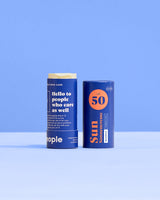
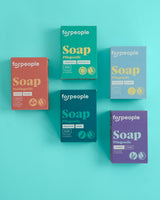
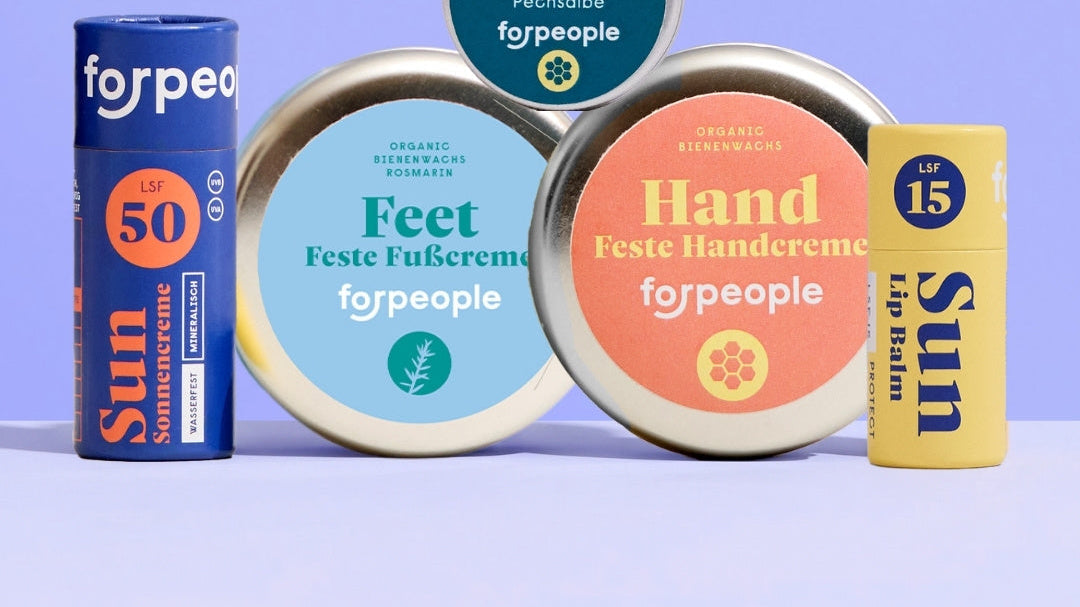
- Sunscreen with a high sun protection factor for face, ears and neck. Our Solid Sunscreen SPF50 (40 g) has a sun protection factor of 50, is mineral with zinc oxide and titanium dioxide, has been tested as water resistant and comes in a paper tube. For your jacket pocket there is the Solid Sunscreen SPF50 Mini (20 g).
- Lip care with UV filter: the Lip Balm - SPF15 Almond & Vanilla (5 g), made from beeswax, plant oils and shea butter, with zinc oxide and titanium dioxide.
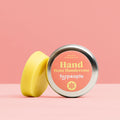
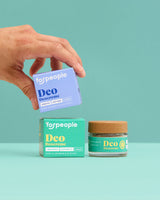
- Water-free hand cream: the Solid Hand Cream - Beeswax (30 g, metal tin), made from beeswax, olive oil and sunflower oil, with no added fragrance.
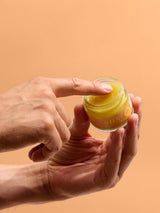
- A salve for rough spots in the evening: the Beeswax Salve Larch & Mandarin in a Glass Jar (50 g). It contains larch resin, propolis and essential oils; please read the notes on resin and propolis first.
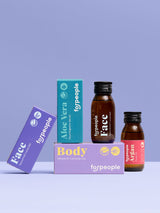
- Face care for the evening: for example the Face Oil - Lavender (50 ml), made from argan, wild rose, jojoba, borage and hemp seed oil, scented with lavender oil.
- What no cream replaces: gloves and a dry spare pair, a hat that covers your ears, a scarf for neck and chin, and sunglasses with side protection.
Travel-size sunscreen, lip balm with SPF 15 and solid hand cream are also part of the skincare Travel Set – for Your Carry-On, together with solid foot cream and a salve with larch resin.
If you are flying to your holiday: solid sticks are usually not treated as liquids at the checkpoint, solid creams in a tin are a borderline case, and salves and oils belong in the bag. In case of doubt, the screening staff decide. More under Solid Cream in Hand Luggage: Liquid or Not?
In the morning: apply before you head out
- Face: Apply sunscreen in your warm accommodation, not at the lift. According to the guide, the German Federal Office for Radiation Protection recommends applying it carefully and generously half an hour before going out. Two thin layers one after the other are better than one that is too sparing.
- Undersides: Because snow reflects radiation from below, the underside of your nose, your chin, neck and earlobes need sunscreen too. Add the bridge of the nose, forehead, cheeks, ears and the back of the neck.
- Lips: apply while you are still indoors, using a lip balm with UV filter.
- Hands: put a small amount of solid hand cream on the backs of your hands and your knuckles, then put on your gloves.
- Packing: Sunscreen and lip balm go in an inside pocket close to your body. Waxes and butters get harder in the cold; at body warmth they stay spreadable.
A solid sunscreen contains no water and leaves a film of fat and wax. According to the guide, you usually do not need an extra cold cream underneath on your face. If you use a water-based cream in the morning, apply it early enough that it has been absorbed before you go out: evaporating water cools the skin.
On the slopes: reapply and watch for warning signs
- Reapplying: after sweating, after wiping your nose and several times a day. Reapplying maintains the protection but does not extend it. "Water resistant" does not mean that the full protection remains either; more under SPF, UVA and water resistance.
- Under an overcast sky: apply anyway. According to the guide, up to 80% of UV radiation passes through light cloud.
- Lips: reapply often and thinly, especially after eating and drinking. Do not lick them; saliva dries the lips out even more.
- Hands: change wet gloves. If you are out without gloves, for example on an ascent in spring, put sunscreen on the backs of your hands as well. More under Sun protection for the backs of your hands.
- Warning signs: White, waxy or numb patches on the face mean: get somewhere warm straight away. If numbness persists or blisters appear, get medical help.
In the evening: cleanse and apply rich care
Wind, cold air and the dry air in the hut draw moisture from the skin over the day.
- Take a short, lukewarm shower. Hot water removes more of the skin's own oils.
- Cleanse your face so that the sunscreen is removed, then apply a rich care product, for example a face oil.
- Hands: more cream than in the morning. Rough spots on knuckles and fingers get a salve, applied thinly.
- Lips: a thicker layer of lip balm before you go to sleep.
What skincare cannot do in the snow
- No cream protects against frostbite. That applies to every salve, including ours. In Finnish studies summarised in the guide, people who used cold-protection ointments actually had frostbite on the face more often. The researchers suspect a false sense of safety. What protects against frost is clothing, face protection and timely breaks in the warmth.
- SPF 50 is "high protection", not "very high protection". The German Federal Office for Radiation Protection recommends SPF 50+ for high altitudes and snow, plus clothing, a hat and sunglasses. Our sunscreen has SPF 50. That makes it all the more important to apply generously, reapply often and use a hat, scarf and glasses. No sunscreen filters all UV radiation.
- SPF 15 on the lips is "medium protection". On a glacier or on long tours in spring, that is little. A scarf over mouth and chin and frequent reapplication help.
Do not use the products on injured skin. If you notice a skin reaction, stop using them. Treating cold injuries belongs in medical hands.



Leave a comment
This site is protected by hCaptcha and the hCaptcha Privacy Policy and Terms of Service apply.