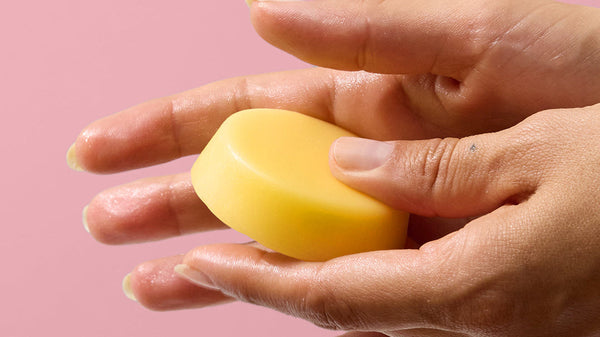
Two bottles in the bathroom cabinet, both yellow, both pressed: after months the almond oil still smells as it did on the first day, while the rosehip oil has changed after a warm summer. The difference lies not in quality but in chemistry. If you know the fatty acids in an oil, you can judge how it feels, how long it stays fresh and what it is suited for.
What a fatty acid is and why the double bonds matter
Edible fats and oils consist almost exclusively of triglycerides, that is, glycerol bound to three fatty acids. In addition there are small amounts of accompanying substances such as phospholipids, waxes, unsaponifiable components and free fatty acids (German Food Code guidelines for edible fats and oils 2020). The same applies to cosmetic oils, as they are the same raw materials. Fatty acids differ in two features: the length of the carbon chain and the number of double bonds. The shorthand C18:2 means 18 carbon atoms and two double bonds.
| Fatty acid | Shorthand | Double bonds | Group |
|---|---|---|---|
| Palmitic acid | C16:0 | none | saturated |
| Stearic acid | C18:0 | none | saturated |
| Oleic acid | C18:1 | one | monounsaturated (omega-9) |
| Linoleic acid | C18:2 | two | polyunsaturated (omega-6) |
| Alpha-linolenic acid | C18:3 | three | polyunsaturated (omega-3) |
| Gamma-linolenic acid | C18:3 | three | polyunsaturated (omega-6) |
| Ricinoleic acid | C18:1 with a hydroxyl group | one | special case in castor oil |
The rule of thumb: the more saturated fatty acids, the firmer a fat is at room temperature; the more double bonds, the more liquid it is. That is why shea and cocoa butter are solid, while almond and sunflower oil are liquid. Two oils in our range do not fit this pattern: jojoba oil is chemically a liquid wax and has no fatty acid profile like the others; more on this under Can jojoba oil go off? Shelf life and structure. Castor oil consists of up to 90 percent ricinoleic acid, a fatty acid with an additional hydroxyl group (Patel et al. 2016); it is strikingly viscous.
The fatty acid profiles of the oils and fats in our products
The table below shows the main fatty acids of the oils and fats used in our products. Where a standard sets ranges, the ranges are given; where only measurements of individual samples are available, the measured value is given. The figures are shares of all fatty acids and vary with variety, origin and harvest.
| Oil or fat (INCI) | Oleic acid | Linoleic acid | Alpha-linolenic acid | Notable |
|---|---|---|---|---|
| Olive oil (Olea Europaea Fruit Oil) | 55.0–83.0% | 3.5–21.0% | – | palmitic acid 7.5–20.0% (Codex 33) |
| Almond oil (Prunus Amygdalus Dulcis Oil) | 64–82% | 8–28% | up to 0.2% | very few saturated fatty acids (German guidelines) |
| Argan oil (Argania Spinosa Kernel Oil) | 43.0–49.1% | 29.3–36.0% | no more than 0.3% | palmitic acid 11.5–15% (Gharby & Charrouf 2022) |
| Sesame oil (Sesamum Indicum Seed Oil) | 34.4–45.5% | 36.9–47.9% | 0.2–1.0% | oleic and linoleic acid roughly equal (German guidelines) |
| Sunflower oil (Helianthus Annuus Seed Oil) | 14.0–39.4% | 48.3–74.0% | up to 0.3% | classic variety (German guidelines) |
| Sunflower oil, high in oleic acid | 75.0–90.7% | 2.1–17.0% | up to 0.3% | bred variety, often called “high oleic” (German guidelines) |
| Safflower oil (Carthamus Tinctorius Seed Oil) | 8.4–21.3% | 67.8–83.2% | up to 0.1% | a high-oleic variety has 70.0–83.7% oleic acid (German guidelines) |
| Hemp oil (Cannabis Sativa Seed Oil) | 12.5% | 55.2% | 18.9% | plus 2.2% gamma-linolenic acid; mean of 4 cold-pressed oils (Prescha et al. 2014) |
| Rosehip oil (Rosa Canina Fruit Oil) | 14.6% | 44.1% | 34.0% | mean of 4 cold-pressed oils (Prescha et al. 2014) |
| Shea butter (Butyrospermum Parkii Butter) | 34–61% | – | – | stearic acid 28–56%, 36 samples from 7 countries (Akihisa et al. 2010) |
| Cocoa butter (Theobroma Cacao Seed Butter) | 32.4–32.6% | 2.8–2.9% | under 0.1% | stearic acid 34.9–37.2%, palmitic acid 26.2–28.7%; samples from three countries of origin (Ozdemir et al. 2026) |
| Castor oil (Ricinus Communis Seed Oil) | about 3% | about 4% | under 1% | up to 90% ricinoleic acid (Patel et al. 2016) |
“–” means that the source gives no value. For rosehip oil the analyses vary widely; other studies found considerably less alpha-linolenic acid, see Argan, jojoba, almond or rosehip oil: how do they differ? The INCI name does not reveal which variety an oil is: classic and high-oleic safflower oil carry the same name. How to read the names is explained in INCI names explained: our ingredients in plain English.
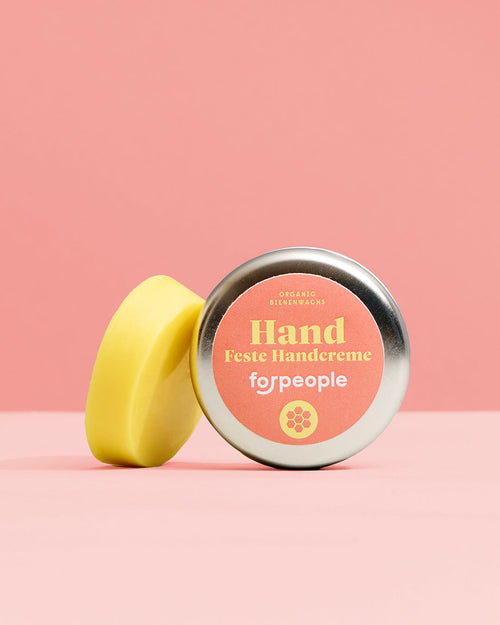
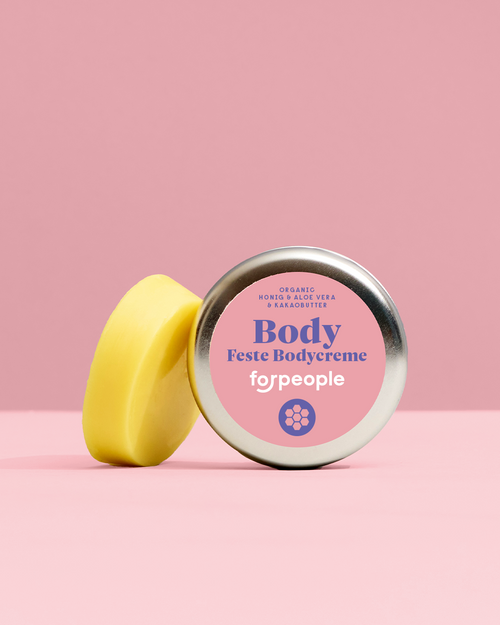
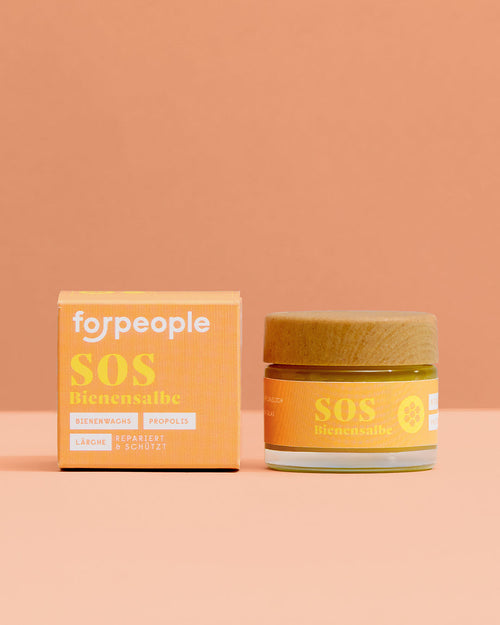
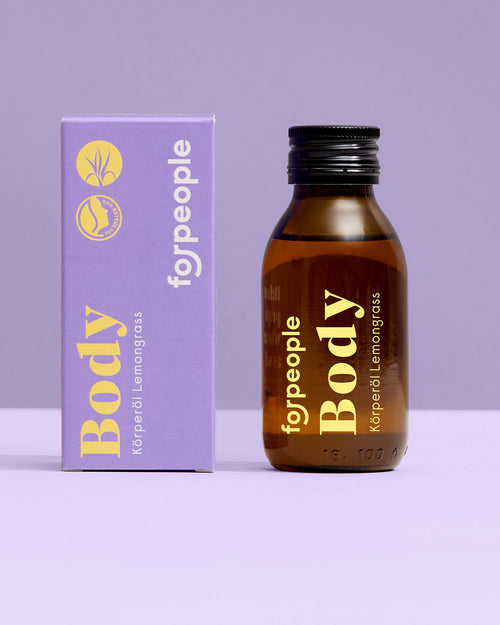
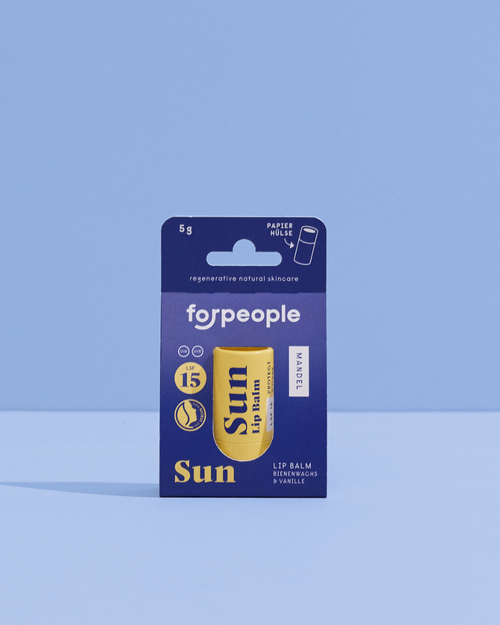
In our products these oils are mostly used in blends. The Solid Hand Cream - Beeswax combines olive oil, which is rich in oleic acid, with sunflower oil, which is rich in linoleic acid. The Solid Body Butter - Beeswax & Aloe Vera starts with cocoa butter and contains shea butter; the saturated fatty acids of these two butters make it solid. The Beeswax Salve – Larch & Mandarin in a Glass Jar relies on olive, almond and castor oil, in other words on oleic and ricinoleic acid. The Body Oil - Lemongrass is based on sesame and safflower oil, plus sea buckthorn seed oil and sunflower oil. The Lip Balm - SPF15 Almond & Vanilla lists “Helianthus Annuus Hybrid Oil”, the oil of a bred sunflower hybrid, and also tocopherol; the INCI does not say exactly which fatty acid distribution this oil has.
What the fatty acids mean for shelf life
Oils go rancid when oxygen attacks the fatty acids. The vulnerable spot lies next to the double bonds. In linoleic acid, one carbon atom sits between two double bonds; a radical forms there much more easily than in oleic acid. A study of cold-pressed sunflower oils gives about 50 instead of 75 kilocalories per mole for this, and oxidation rates for oleic, linoleic and linolenic acid in a ratio of 1 to 12 to 25 (Lužaić et al. 2023). That is an order of magnitude for the pure fatty acids, not a prediction for a particular bottle.
Accompanying substances shift the picture. Argan oil contains 60 to 90 milligrams of tocopherols per 100 grams (Gharby & Charrouf 2022). Castor oil is considered resistant to oxidation and comparatively long-lasting because of the hydroxyl group of its ricinoleic acid (Patel et al. 2016). A storage study of cold-pressed oils shows how this plays out in practice: the producers gave sesame and safflower oil a shelf life of 12 months, hemp and rosehip oil only 6 months. The fatty acid composition stayed practically the same over this period, but the peroxide value, a measure of the first oxidation products, rose; for hemp oil, for example, from an average of 3.2 to 8.7 milliequivalents per kilogram (Prescha et al. 2014).
For everyday use this means: store oils rich in linoleic and linolenic acid, such as rosehip, hemp or safflower oil, cool, dark and tightly closed, and use them up quickly. Oils rich in oleic acid and solid butters are more forgiving. What happens chemically when an oil goes rancid and which laboratory values exist is explained in Why does oil go rancid? Oxidation, key values and shelf life; how to notice it at home is covered in How to tell if a skin oil is rancid.
Linoleic acid in the skin: what research shows
Linoleic acid is essential: the body cannot make it itself. In the skin it has a task that goes beyond nutrition. Mice with a deficiency of essential fatty acids had a disturbed skin barrier. Linoleic acid applied to the skin quickly restored the barrier at the treated sites, even before the deficiency had been corrected throughout the body; the researchers conclude that linoleic acid plays a direct role in barrier function (Elias et al. 1980). Which skin lipids contain bound linoleic acid is explained on the page Ceramides and plant oils; how the barrier as a whole is built is described in The skin barrier explained simply.
The limits of these findings are clear: they are animal studies with a pronounced deficiency that hardly occurs in people with a normal diet. They do not show that an oil rich in linoleic acid changes the barrier lipids on healthy skin. We do not derive any effect for our products from them.
Oleic acid in the skin: the olive oil finding
There is a well-known study in humans relevant to oleic acid. 19 adults applied six drops of olive oil to one forearm twice a day for four to five weeks, and some of them applied sunflower oil to the other. After four weeks olive oil reduced the integrity of the outer layer of the skin and caused mild redness; sunflower oil preserved the outer layer and improved hydration (Danby et al. 2013). The two oils differ mainly in their fatty acids: olive oil is rich in oleic acid, sunflower oil in linoleic acid. Whether that alone explains the finding is not shown by the study. The detailed discussion is on Olive oil and sunflower oil on the skin.
It matters what was studied: pure oil, applied to the same spot for weeks. Olive oil in a salve with wax, other oils and thin application is a different situation, and there is no comparative study on that. If you use a pure oil on large areas every day, this finding suggests choosing an oil rich in linoleic acid or a blend. What oleic acid means for the question of blackheads is discussed in Comedogenic oils: where the scale comes from and what it is worth.
Oils by fatty acid type: a practical overview
| Type | Examples | Consistency | Shelf life after opening | What we use them for |
|---|---|---|---|---|
| rich in saturated fatty acids | shea and cocoa butter | solid, melts on the skin | comparatively long | solid creams, body butter, lip balm |
| rich in oleic acid | olive and almond oil, high-oleic sunflower oil | liquid, rather rich | medium to long | salves, hand cream, massage and body oil |
| mixed | argan and sesame oil | liquid | medium | face, hair, body oil |
| rich in linoleic acid | sunflower and safflower oil | liquid, light | shorter | foot cream, hand cream, body oil |
| rich in linoleic and linolenic acid | rosehip and hemp oil | thin | shortest | face in the evening; hemp oil also in the bergamot hand cream and lip balm |
| special cases | jojoba oil (wax), castor oil (ricinoleic acid) | liquid; castor very viscous | long | face, bergamot hand cream; salves, soaps |
The columns “consistency” and “shelf life” are derived from the fatty acids and the sources named above; they are an overview, not a measurement of our products. The uses correspond to the information on our product pages. How skin feel and absorption differ is explained in Greasy or well cared for? Why creams feel greasy; the difference between oils and butters is shown in Plant butters compared: shea, cocoa, mango.
When to seek medical advice?
Plant oils are care, not treatment. If your skin turns red, burns or develops wheals after using an oil, stop using it. If a reaction persists or keeps coming back, have it checked by a doctor. If you are allergic to nuts, ask a doctor before using almond or argan oil. If you have a skin condition, discuss a new oil with your dermatologist first instead of drawing your own conclusions from fatty acid profiles. Try a new oil on a small area first: Trying a new product: how do I test it on a small area?
Frequently asked questions
Is linoleic acid or oleic acid better for the skin?
That cannot be said in general. Linoleic acid has a role of its own in the skin barrier, shown in animal studies; pure olive oil, rich in oleic acid, loosened the outer layer of the skin in a study in humans. Both findings concern pure substances or pure oils, not finished formulations.
What does “high oleic” mean for sunflower oil?
It is oil from bred sunflowers with 75.0 to 90.7 percent oleic acid instead of the usual 14.0 to 39.4 percent (German guidelines). This makes it more stable against oxidation.
Why does an oil rich in linoleic acid go rancid faster?
Because oxygen attacks the carbon atom between two double bonds particularly easily. The more such sites there are, the faster the oil oxidises.
Do omega-3 fatty acids in oil do anything for the skin?
There is hardly any reliable data on applying them to the skin. What is certain is that alpha-linolenic acid oxidises fastest of all the fatty acids named here. So use up oils that contain a lot of it quickly.
Can I tell from the label how much linoleic acid an oil contains?
No. The INCI list names the plant and the plant part, not the variety and not the fatty acids. Only an analysis of the specific batch is reliable.
Why is shea butter solid and argan oil liquid?
Shea butter contains 28 to 56 percent stearic acid, a saturated fatty acid (Akihisa et al. 2010); argan oil consists mainly of oleic and linoleic acid. More on this under Shea butter: composition, origin and refining.
Is castor oil an ordinary plant oil?
Chemically it is a triglyceride like the others, but with one special feature: up to 90 percent of its fatty acids are ricinoleic acid with an additional hydroxyl group. It is very viscous and is considered comparatively stable against oxidation because of this hydroxyl group (Patel et al. 2016).
At forpeople
According to the ingredient list, each of our pure oils consists of just one oil, cold-pressed and from certified organic farming. Together they cover the fatty acid types from rich in oleic acid to rich in linolenic acid:
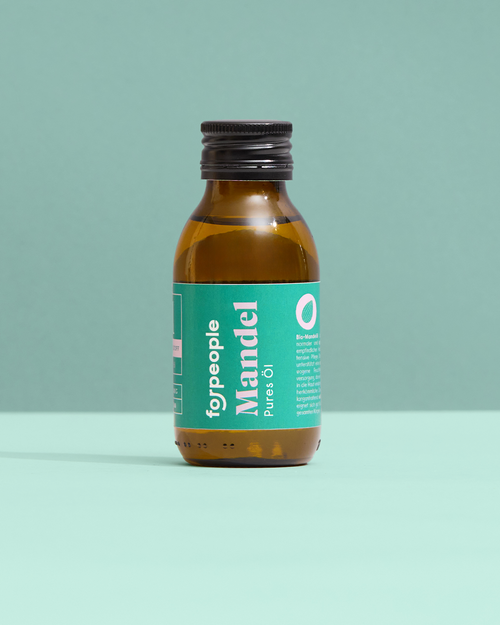
- Almond Oil - pure, 100 ml, €14.90: rich in oleic acid; according to the product page for skin, hair and lips and as a massage oil.
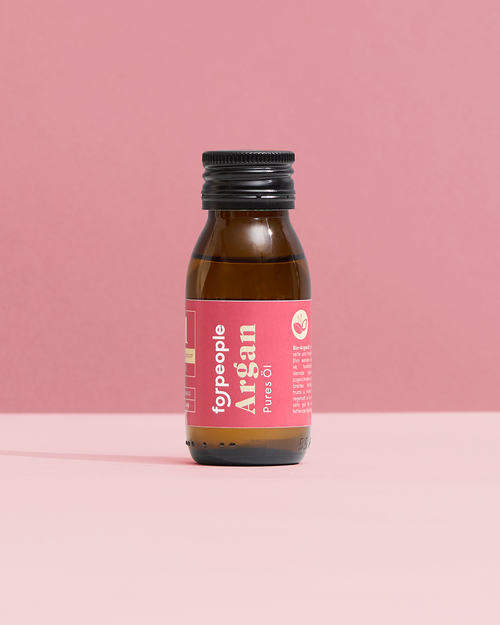
- Argan Oil - pure, 50 ml, €19.90: oleic and linoleic acid in a ratio of roughly three to two; according to the product page for the face in the evening and for hair.
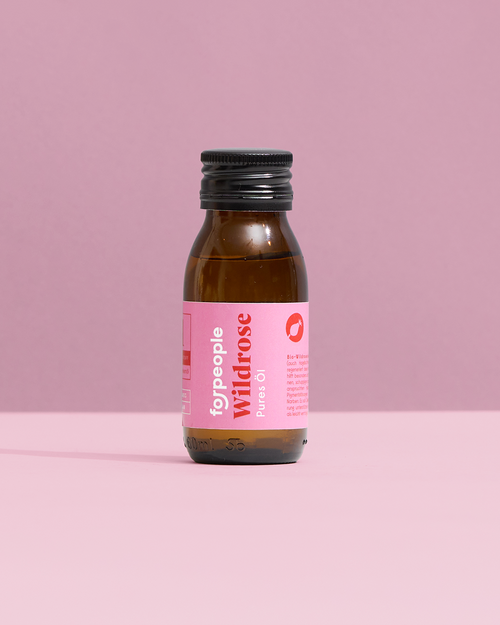
- Wild Rose Seed Oil - pure, 50 ml, €19.90: rich in linoleic and linolenic acid; store cool and dark, for the face in the evening.
- Body Oil - Lemongrass, 100 ml, €16.90: sesame, safflower, sea buckthorn seed and sunflower oil with lemongrass essential oil; for the body after showering.
All four pure oils are also available together in the Care Oil Set – 4 Organic Oils for Face, Body & Hair (€69.90). For all of them: close tightly, keep out of the sun, test anything new on a small area first.
More on this: Cold-pressed or refined: what the difference means for oils · Body Oil or Body Butter – Which One When? · Can a face oil replace face cream?
From the blog: What is in the solid body butter – and why
Sources
- Deutsche Lebensmittelbuch-Kommission (2020): Leitsätze für Speisefette und Speiseöle vom 02.07.2020 (BAnz AT 18.08.2020 B3), zuletzt geändert am 14.03.2024 (BAnz AT 18.04.2024 B2), Abschnitt 1.1.1 und Anlage 3. bmleh.de
- Codex Alimentarius Commission (2015): Standard for Olive Oils and Olive Pomace Oils, CODEX STAN 33-1981, Revision 2015, Abschnitt 3 (Fettsäurezusammensetzung). fao.org
- Gharby S, Charrouf Z (2022): Argan Oil: Chemical Composition, Extraction Process, and Quality Control. Frontiers in Nutrition 8: 804587. https://doi.org/10.3389/fnut.2021.804587
- Prescha A, Grajzer M, Dedyk M, Grajeta H (2014): The Antioxidant Activity and Oxidative Stability of Cold-Pressed Oils. Journal of the American Oil Chemists' Society 91(8): 1291–1301. https://doi.org/10.1007/s11746-014-2479-1
- Akihisa T, Kojima N, Katoh N, Ichimura Y, Suzuki H, Fukatsu M et al. (2010): Triterpene alcohol and fatty acid composition of shea nuts from seven African countries. Journal of Oleo Science 59(7): 351–360. https://doi.org/10.5650/jos.59.351
- Ozdemir O, Keskin-Cavdar H, Polat S, Unal MU (2026): Influence of Cocoa Liquor Origin on Cocoa Butter Composition and Color, Texture, and Rheological Properties of Milk and Dark Chocolates: A Preliminary Study. Food Science & Nutrition 14(8): e72130. https://doi.org/10.1002/fsn3.72130
- Patel VR, Dumancas GG, Kasi Viswanath LC, Maples R, Subong BJ (2016): Castor Oil: Properties, Uses, and Optimization of Processing Parameters in Commercial Production. Lipid Insights 9: 1–12. https://doi.org/10.4137/LPI.S40233
- Lužaić T, Kravić S, Stojanović Z, Grahovac N, Jocić S, Cvejić S et al. (2023): Investigation of oxidative characteristics, fatty acid composition and bioactive compounds content in cold pressed oils of sunflower grown in Serbia and Argentina. Heliyon 9(7): e18201. https://doi.org/10.1016/j.heliyon.2023.e18201
- Elias PM, Brown BE, Ziboh VA (1980): The permeability barrier in essential fatty acid deficiency: evidence for a direct role for linoleic acid in barrier function. Journal of Investigative Dermatology 74(4): 230–233. https://doi.org/10.1111/1523-1747.ep12541775
- Danby SG, AlEnezi T, Sultan A, Lavender T, Chittock J, Brown K, Cork MJ (2013): Effect of olive and sunflower seed oil on the adult skin barrier: implications for neonatal skin care. Pediatric Dermatology 30(1): 42–50. https://doi.org/10.1111/j.1525-1470.2012.01865.x