







The problem: dry, itchy skin on the back
Your back feels tight after showering, fine flakes trickle out of your jumper when you take it off, and in the evening it itches exactly where you cannot reach. Commonly affected are the skin between the shoulder blades, the lower back above the waistband and the areas under bra straps or rucksack straps. Some people know extremely dry, rough skin across the whole back, others individual flaky spots along the spine or on the shoulder. This is typical from October: the heating is on, showers get longer and hotter, and wool jumpers and thick jackets sit on the skin again.
The back has one disadvantage: you cannot see it and it is hard to reach. What you do not see, you moisturise less often, and changes are noticed later.
Why the back gets dry in autumn and winter
Hot water. In winter people like to stand under a warm shower for longer, and the back gets the spray the longest. In a study with 50 healthy volunteers, water loss through the skin rose after a hand bath in hot water from around 26 to around 59 g per hour and square metre; the authors recommend cold or lukewarm water (Herrero-Fernandez et al. 2022). Long and frequent baths as well as soap and cleansers are also among the causes of dry skin (DermNet: Dry skin). How temperature, duration and frequency interact in winter is covered in Itchy skin in winter: showering, care and when to see a doctor.
Shower gel and shampoo run down the back. Whatever you lather on your head and shoulders flows down your back. If you do not rinse thoroughly at the end, residues remain in the middle of the back and at the small of the back, where your hands hardly reach. This is an observation from practice; that contact with soap dries out the skin is documented (DermNet: Dry skin). How bar soap and shower gel differ is explained in Bar soap or shower gel: differences for skin and everyday use.
Clothing, straps and waistbands. Wool jumpers, waistbands, belts, bra straps and rucksack straps sit against the skin for hours and rub with every movement. Friction from rough clothing and residues of laundry detergent are among the known triggers of dry skin (DermNet: Dry skin). Metal parts such as bra hooks can contain nickel; people who are allergic to it get an intensely itchy, red rash at that spot, which becomes dry and thickened with longer contact (DermNet: Nickel allergy). Why coarse wool prickles is explained in Wool itches on the skin: why, and what helps.
Cold and heated air. According to a review, low temperatures and low humidity reduce the skin's barrier function and make it more susceptible to mechanical stress, which includes friction (Engebretsen et al. 2016). Indoors, warm heated air dries the skin out further; more under Humidity and skin: what dry heated air does and what helps.
The back gets left out when moisturising. You reach your arms and legs easily, your back only with contortions. Many people therefore moisturise everything except the back. In older people, the skin also produces less fat and bending becomes harder; aids for this are described in Dry skin in old age: causes, winter care and applying oil safely.
The solution step by step
| Step | What you do | Why |
|---|---|---|
| Straight away | Do not scrub with fingernails, a brush or a back scratcher; rinse the area with lukewarm water and pat dry | Scratching and rubbing wear down dry skin further |
| Every day | Shower briefly and with lukewarm water, use shower gel sparingly and not on the whole back; at the end, rinse your back with clean water | Hot water increases water loss through the skin; residues of soap and shampoo dry it out |
| Every day | Straight after patting dry, apply an oil to your still damp back | A film of fat works most clearly on slightly damp skin; oil runs over large areas more easily than a solid butter |
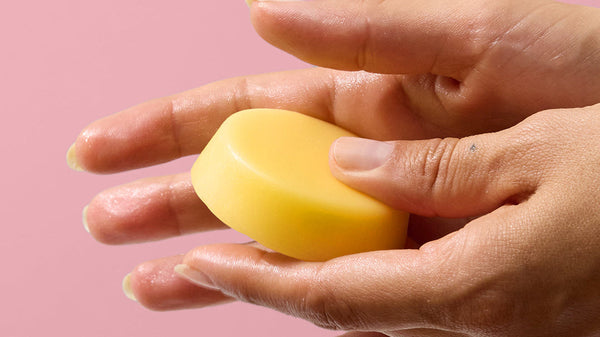
| Every day | Give rough individual spots, for example above the waistband or under the bra clasp, an extra layer of solid butter | That is where the friction is strongest, and a butter leaves a more noticeable film |
| Prevention | Wear a cotton top under wool; pad or loosen straps; wash new clothes before wearing them for the first time and rinse them well | Friction and detergent residues strain the skin |
| Prevention | Do not overheat rooms, and air them briefly with the window wide open | Dry, warm air draws water from the skin |
Sources for the table: Engebretsen et al. 2016, DermNet: Dry skin, Herrero-Fernandez et al. 2022, Sethi et al. 2016; the order is common practice. How soon to moisturise after showering is covered in How soon should you moisturise after a shower? The 3-minute rule.
How to moisturise your back without help. The following moves are based on experience, not measured rules:
- After showering, only pat yourself dry and stay standing on the bath mat. Oil does not belong in the shower, where it makes the floor slippery.
- Rub one or two squirts of oil between your palms.
- Reach one hand over your shoulder and smooth it flat over the upper shoulder blades; bring the other hand up from below with the back of the hand; the back of the hand often reaches the middle of the back better than the palm.
- For the area between the shoulder blades, use a long-handled lotion applicator from a medical supply store. An oil is easier to spread with it than a solid butter.
- Let it soak in briefly before you get dressed; more on stains in Does body oil stain? Clothes, bed linen, towels.
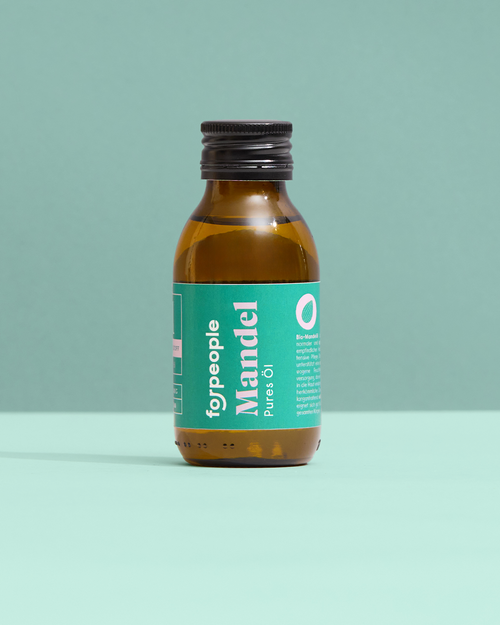
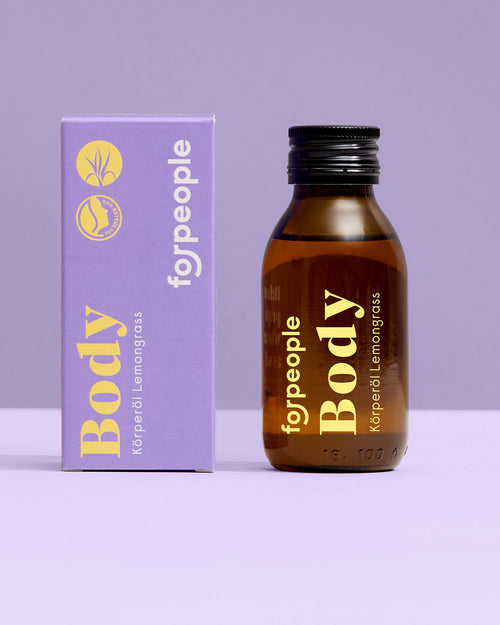
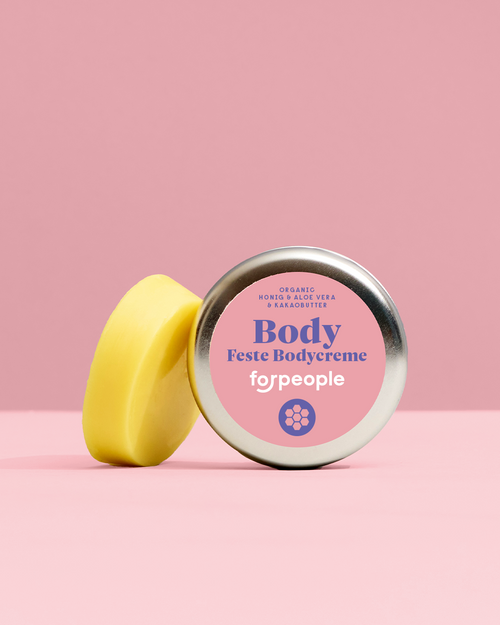
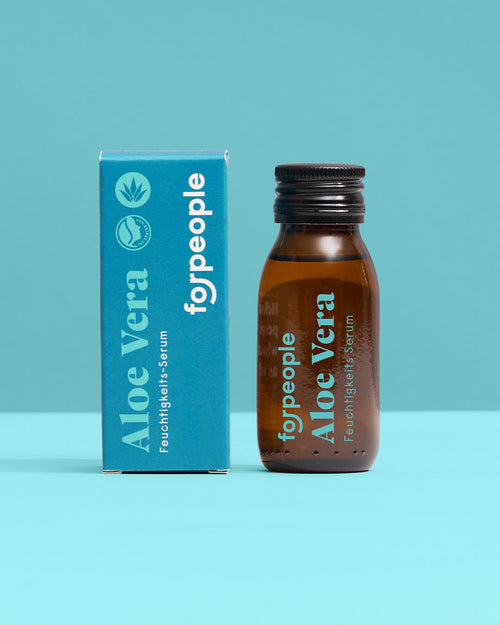
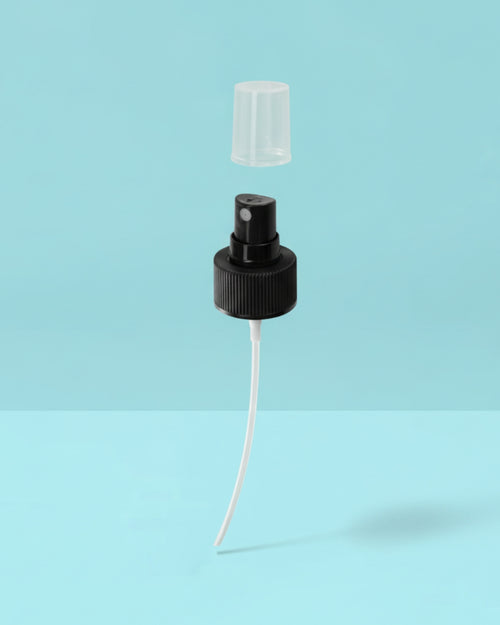
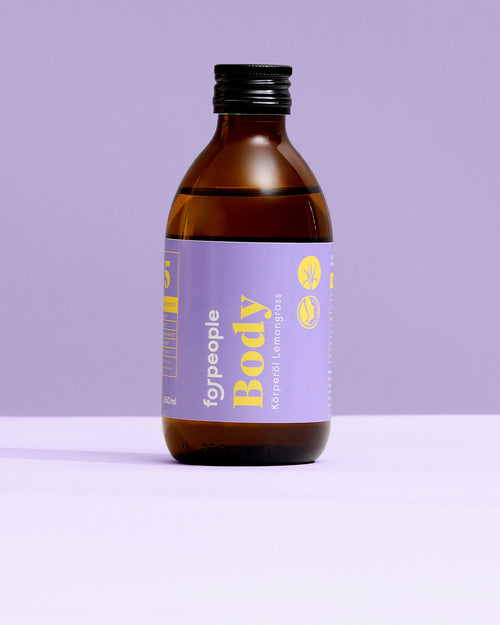
An oil is the right choice for the back. Almond Oil - pure is a single oil without added fragrance; its product page describes it for skin, hair and lips. If you like a scent and your skin is not irritated, use the Body Oil - Lemongrass with sesame, safflower, sea buckthorn seed and sunflower oil; it contains lemongrass essential oil and therefore does not belong on scratched or reddened areas. For rough individual spots, the Solid Body Butter - Beeswax & Aloe Vera is a good fit; according to its product page it is for dry or stressed areas of skin, and it contains no essential oils. If you want a watery layer first, fill the Aloe Vera Serum 99.6% into the Atomiser for Your Aloe Vera Serum and spray it over your shoulder onto your back before the oil follows; the principle is explained in Combining aloe vera serum with oil or solid cream. When oil and when butter is the better fit is shown in Body Oil or Body Butter – Which One When?
What helps – and what tends not to
| Measure or assumption | Assessment |
|---|---|
| Oil on your still damp back | helps; spreads easily and slows evaporation |
| A long-handled lotion applicator | helps if you cannot reach the middle of your back |
| Back brush, loofah or exfoliating glove on itchy, dry skin | better not; rubbing irritates the skin further, though on intact skin it is fine now and then |
| A back scratcher against the itch | brings brief relief but wears the skin down further |
| Showering hot "to make the itching stop" | better not; hot water increases water loss through the skin |
| Oil in the shower or in the bath water | makes the tub and floor slippery; better to apply it on the bath mat after showering |
| Baby oil or cooking oil from the kitchen | also provide fat; the differences lie mainly in skin feel, scent and shelf life |
Sources: DermNet: Dry skin, Herrero-Fernandez et al. 2022. The other entries are our assessment. What hard water adds to this is covered in Hard water and dry skin: what limescale does when you wash.
Common mistakes
- Leaving out the back. Exactly where shower gel and clothing have the most effect, no care arrives.
- Only moisturising in the evening. Straight after showering, the skin is still damp, and that is when a film of fat holds the water best.
- Leaving conditioner in your hair "to work" while it runs down your back. Rinse it off your back at the end.
- Scratching with a brush or scratcher. Pleasant for a moment, but afterwards the skin is more irritated.
- Scented oil on scratched skin. On irritated areas, an oil without essential oils is the better choice.
- Never looking at the skin on your back. If you do not check it, you notice new or changed moles late.
When to seek medical advice
Care keeps dry skin on the back supple; it does not treat a skin disease. Have your back looked at by your GP or a dermatologist if
- a spot between or below a shoulder blade keeps itching badly, burns or feels numb, often with a brownish patch; this can be notalgia paraesthetica, a benign but persistent irritation of the skin nerves that needs a medical assessment (DermNet: Notalgia paraesthetica),
- it prickles and itches after every contact with water without any visible rash; this kind of itch can be linked to blood disorders that sometimes only show up years later, which is why blood tests are part of the work-up (DermNet: Aquagenic pruritus),
- flaky patches appear on your back, chest or upper arms that are paler, darker or pinker than the surrounding skin; a yeast that is more common in warm, humid climates can be behind this (DermNet: Pityriasis versicolor),
- dry patches itch, weep, form blisters or carry sharply defined, thick scales; dry skin that starts to itch may already have turned into eczema (DermNet: Dry skin),
- an itchy rash stays under a bra clasp, belt or strap; a patch test clarifies a nickel allergy (DermNet: Nickel allergy),
- a mole is new, grows, changes colour or shape, itches or bleeds. In Germany, people with statutory health insurance can have a skin cancer screening every two years from the age of 35, in which the whole skin is examined; in addition, the German Cancer Information Service advises checking your own skin regularly (Krebsinformationsdienst 2025). For your back you need a second mirror or a second person,
- the itch affects your whole body, wakes you at night or persists despite two to three weeks of care; see Suddenly dry skin all over the body: causes and when to have it checked,
- a baby or toddler has dry, red or flaky patches on the back; that belongs in the paediatrician's practice.
An overview of which dry patches are usually harmless and which are not is given in Dry patches on the skin: when harmless, when to see a doctor?
Frequently asked questions
Why is the skin on my back so dry?
Usually because of long, hot showers, residues of shower gel and shampoo, friction from clothing and straps, dry heated air, and because the back gets left out when moisturising.
Why does my back itch although I cannot see anything?
Dry skin often itches before you can see anything. If the same spot on the shoulder blade always itches, or if it itches after every contact with water, have it checked by a doctor.
What helps dry skin on the lower back?
Do not wear waistbands and belts too tight, tuck a cotton top into your trousers, and care for the area after showering with oil and, if needed, an extra thin layer of solid butter.
How do I moisturise my back without help?
With oil on still damp skin: rub it between your hands, reach one hand over your shoulder and bring the other up from below with the back of the hand. For the middle there are long-handled lotion applicators.
Oil or cream for the back?
An oil is easier to spread over the large area and, with a lotion applicator, also reaches the middle. A solid butter is a good fit for individual rough spots.
Where do dry, flaky patches on the back come from?
Often from friction against waistbands, straps or belts. Flaky patches that differ in colour from the surrounding skin, weep or are sharply defined should be looked at by a doctor.
Can clothing dry out the skin on my back?
Coarse wool, tight waistbands and straps rub, and detergent residues can strain the skin. A layer of cotton underneath and well-rinsed laundry help.
Is dry skin on the back normal in older age?
It is common, because the skin produces less fat and moisturising gets harder. Common does not mean harmless, though: persistent itching should be checked. More under Dry skin in old age: causes, winter care and applying oil safely.
At forpeople
For the back we recommend oil, and the solid butter for individual rough spots.
Almond Oil - pure, 100 ml, €14.90: a single oil without added fragrance that spreads easily over large areas.
Body Oil - Lemongrass, 100 ml, €16.90, or as Body Oil - Lemongrass large with 250 ml for €34.90: sesame, safflower, sea buckthorn seed and sunflower oil with lemongrass essential oil.
Solid Body Butter - Beeswax & Aloe Vera, 40 g, €9.90: cocoa butter, shea butter, beeswax and plant oils, without essential oils.
More on this: Why does skin feel tight after a shower? · Body care on hairy skin: oil, lotion or butter? · Dry skin in winter: what helps with cold and indoor heating
From the blog: What is in the solid body butter – and why
Sources
- Engebretsen KA, Johansen JD, Kezic S, Linneberg A, Thyssen JP (2016): The effect of environmental humidity and temperature on skin barrier function and dermatitis. J Eur Acad Dermatol Venereol 30(2): 223–249. https://doi.org/10.1111/jdv.13301
- DermNet: Dry skin. Oakley A (1997), updated March 2022, accessed 29.10.2026. https://dermnetnz.org/topics/dry-skin
- Herrero-Fernandez M, Montero-Vilchez T, Diaz-Calvillo P, Romera-Vilchez M, Buendia-Eisman A, Arias-Santiago S (2022): Impact of Water Exposure and Temperature Changes on Skin Barrier Function. J Clin Med 11(2): 298. https://doi.org/10.3390/jcm11020298
- Sethi A, Kaur T, Malhotra SK, Gambhir ML (2016): Moisturizers: The Slippery Road. Indian J Dermatol 61(3): 279–287. https://doi.org/10.4103/0019-5154.182427
- DermNet: Nickel allergy. Oakley A (1997), reviewed by Coulson I, April 2023, accessed 29.10.2026. https://dermnetnz.org/topics/nickel-allergy
- DermNet: Notalgia paraesthetica. Ngo B (2025), earlier versions Oakley A (1998, 2016), reviewed by Coulson I, September 2026, accessed 29.10.2026. https://dermnetnz.org/topics/notalgia-paraesthetica
- DermNet: Aquagenic pruritus. Dedat A, Coulson I, April 2022, accessed 29.10.2026. https://dermnetnz.org/topics/aquagenic-pruritus
- DermNet: Pityriasis versicolor. Oakley A (1997), updated September 2014, revised August 2021, accessed 29.10.2026. https://dermnetnz.org/topics/pityriasis-versicolor
- Krebsinformationsdienst des Deutschen Krebsforschungszentrums (2025): Hautkrebs-Früherkennung. Updated 21.01.2025, accessed 29.10.2026. https://www.krebsinformationsdienst.de/hautkrebs/frueherkennung