







The problem: bumps, spots and stinging after shaving
In winter many people shave less often, and when they do, it is quick: in the shower, with a blade that has been in the bathroom for a while, against the grain because it gets smoother. Two days later the shins itch under the tights, the armpit stings when deodorant goes on, and small bumps sit on the thighs, sometimes with a dark hair visible underneath.
Ingrown hairs show up as itchy, raised bumps; on lighter skin they look red, on darker skin rather darker, and inflamed ones can hurt and contain pus. They occur mainly where people shave, such as legs and armpits, but also after waxing, plucking or threading; people with coarse or curly hair are affected more often (NHS, Ingrown hairs). Not everything after shaving is an ingrown hair. The overview is based on specialist sources and does not replace a diagnosis; only a medical examination brings clarity.
| What you see | What may be behind it | What fits now |
|---|---|---|
| Redness and stinging right after a close shave, gone after one or two days | razor burn, an irritation that usually clears within 24 to 48 hours (Ogunbiyi 2019) | cool, keep care simple, change your technique |
| Itchy, raised bumps, sometimes with a hair visible under the skin, days after shaving | ingrown hairs (NHS) | do not squeeze, take a break from shaving, prevention as below |
| Red, tender spots with pus heads around the hairs | folliculitis, i.e. inflamed hair follicles; shaving, plucking and waxing are among the triggers (AAD, Folliculitis) | break from shaving, see also Spots and rough skin on the buttocks |
| Many small, rough bumps, even without shaving, often on the upper arms and thighs | often keratosis pilaris | see Keratosis pilaris in winter |
| A hard, painful, warm lump that grows | boil or abscess (NHS, Boils) | do not squeeze; see "When to see a doctor" |
Why hairs grow in and what winter has to do with it
The sharp tip. A blade cuts the hair at an angle. As it grows back, the tip can enter the skin in two ways: curved, curly hairs grow back into the skin next to the follicle after a very close shave. Or the hair is pulled before it is cut, because the skin was stretched, shaved against the grain or with a blunt blade; then the tip springs back into the follicle and pierces its wall below the surface. The skin reacts to the hair like a foreign body, with itching, bumps and pustules, and on darker skin often with dark marks that can persist (Ogunbiyi 2019). This is described most often in the beard area, but also on the legs and armpits in women who shave there regularly (Ogunbiyi 2019).
Dry shaving and plucking. Shaving dry hair produces particularly sharp, bevelled tips; warm water makes the hair swell so that the cut edge ends up blunter. When plucking and epilating, hair fragments sometimes stay under the skin and can also trigger inflammation (Ogunbiyi 2019).
The skin gets shaved too. In studies on the armpit, a dry shave led to visibly lifted skin flakes and more scaling; shaved skin reacted more strongly to deodorant products in a test, histamine-induced itching was stronger, and daily shaving led to more visible irritation than weekly shaving (Marti et al. 2003).
Winter makes it worse. Cold, dry air weakens the skin barrier and makes it more susceptible to mechanical stress (Engebretsen et al. 2016), and that is exactly what shaving is. Then there are the habits of the cold season: longer gaps between shaves and then many long hairs at once, a blade that is rarely changed, and tight tights or thermal trousers rubbing over freshly shaved skin. How dry shins get in winter is explained under Why are shins dry and flaky in winter?
The solution step by step
| When | What you do | Why |
|---|---|---|
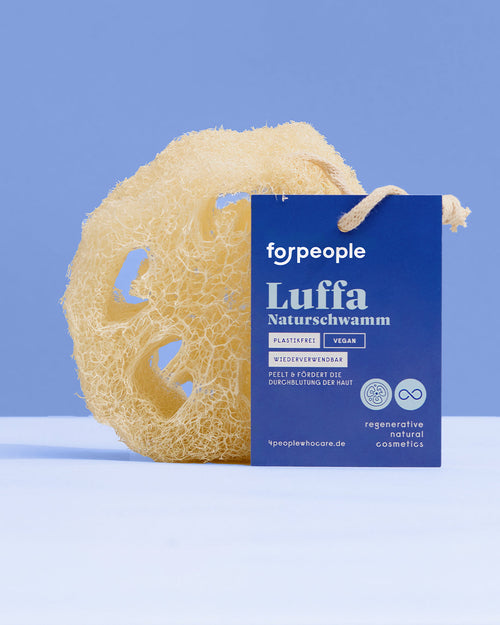
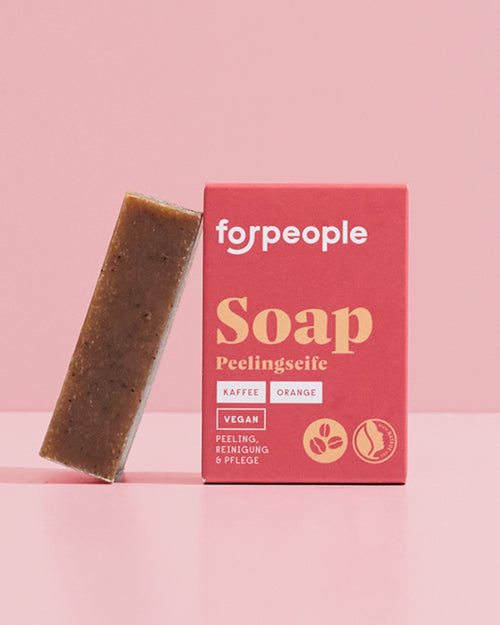
| The day before shaving or on days without shaving | Exfoliate the legs with light pressure, for example with the Luffa Shower Sponge - Cleansing & Exfoliation or the Solid Soap with Scrub – Coffee & Orange; leave out spots and irritated areas. | Exfoliating can help release trapped hairs (NHS); both product pages explicitly exclude freshly shaved, irritated or broken skin. |
| Before shaving | Take a warm shower first, then shave; keep the skin wet and apply shaving gel or foam. Do not use a scrub soap as a shaving product. | Warm, moist skin and swollen hairs can be cut more cleanly (AAD, How to shave), (Ogunbiyi 2019); for blade shaving, a specialist source advises plenty of shaving gel instead of soap (DermNet, Folliculitis). |
| While shaving | Shave in the direction of hair growth, do not stretch the skin, use as few strokes as possible and rinse the blade after each stroke. Do not shave completely smooth: leave about one millimetre. | Stretching, shaving against the grain and blunt blades encourage ingrown hairs (Ogunbiyi 2019); the NHS (NHS) and the AAD (AAD) recommend the same. |
| Blade | Change it after about five to seven shaves; let the razor dry outside the shower. | Blunt blades irritate; wet razors give germs good conditions (AAD). |
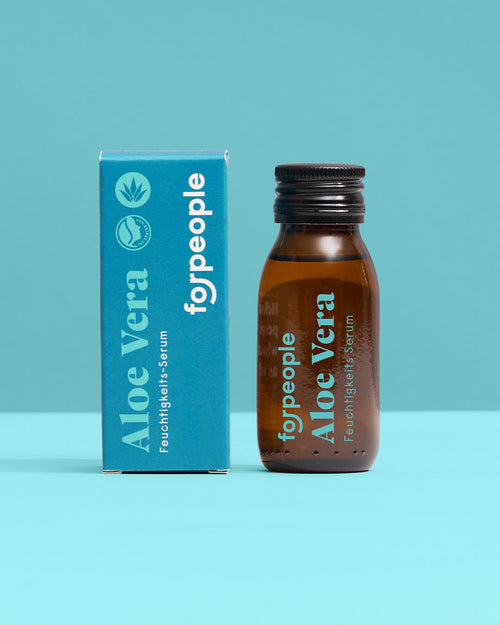
| Straight afterwards | Rinse with cool water or place a cool, damp cloth on the skin, pat dry; apply a thin layer of simple care without fragrance or alcohol, such as the Aloe Vera Serum 99.6%, on unbroken skin. | The cool cloth reduces irritation (NHS); the product page names the serum as light care after shaving on intact skin and advises testing it on a small area first. |
| On shaving day | Loose trousers instead of tight tights if possible; deodorant only once the underarm skin has settled. | Friction on freshly shaved skin irritates; details under Moisturising after shaving your legs and Deodorant after shaving. |
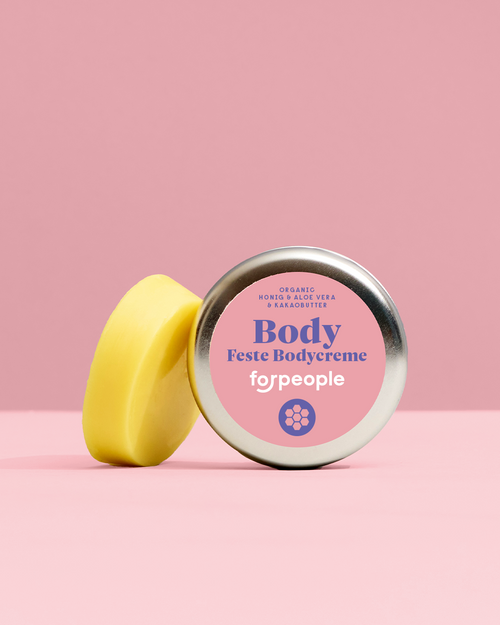
| On days without shaving | Moisturise dry legs with a water-free care, such as the Solid Body Butter – Beeswax & Aloe Vera. | Dry winter skin needs care; on shaving days themselves, stick to the simple care described above. |
| With spots and many ingrown hairs | Pause shaving, waxing and epilating for about 30 days; afterwards shave less often or with an electric razor. | Once the trigger is gone, folliculitis often clears on its own (AAD); not shaving is the most effective prevention (NHS). |
If you want to shave with oil instead of foam, the pros and cons are under Shaving with oil instead of foam: does it work? You can also make a scrub yourself, see Making a body scrub with oil and sugar.
What helps – and what rather doesn't
| Method or habit | Assessment |
|---|---|
| Digging out an ingrown hair with tweezers or a needle | no: scratching, picking and squeezing can damage the skin and cause infection (NHS); if needed, deep hairs are removed under sterile conditions at a medical practice |
| Exfoliating straight after shaving | no: the skin has just been stressed; exfoliate the day before or on days without shaving |
| Shaving dry or against the grain | rather not: creates sharp tips and encourages ingrown hairs (Ogunbiyi 2019) |
| Electric razor | useful if hairs often grow in: it shaves less closely (NHS), (DermNet) |
| Epilator, waxing, plucking | can also lead to ingrown hairs (NHS); torn-off hair fragments can remain under the skin (Ogunbiyi 2019) |
| Hair removal cream | an alternative according to the NHS (NHS); test on a small area first, see Trying new care products |
| Laser treatment | a longer-term solution for frequent problems (NHS); belongs in medical hands |
| Aftershave with alcohol or fragrance | rather not straight afterwards: freshly shaved skin reacts more strongly to applied products (Marti et al. 2003) |
Common mistakes
The most common mistake is exfoliating after shaving because the skin then feels so smooth; in fact you are rubbing over freshly stressed skin. The second: pulling the skin taut with your free hand to get a smoother shave, and then going over it again against the grain. Third: using a blunt disposable blade for weeks. Fourth: digging ingrown hairs out with tweezers until the spot bleeds. And fifth: carrying on shaving every day despite spots instead of giving the skin a break.
When to see a doctor
Ingrown hairs usually do not need medical help (NHS). Get advice if any of the following applies:
- Urgently, the same day: the spot is very painful, hot or swollen, you have a high temperature, feel hot and cold and shivery or very unwell overall (NHS).
- A hard, painful lump grows or leaks pus. Do not open boils yourself; see a doctor urgently if the skin around it is hot and swollen or if your immune system is weakened, for example by steroids or diabetes (NHS).
- Boils keep coming back, or one has not improved after two weeks (NHS).
- The spots persist for weeks despite a break from shaving, or dark marks and scars remain.
- Alongside the ingrown hairs, noticeably many strong, dark hairs grow on the chin, chest or abdomen, or your cycle is irregular. In women with ingrown hairs after shaving, hormonal causes of increased hair growth have been described more often (Ogunbiyi 2019); your GP or gynaecologist can clarify this.
Frequently asked questions
What should I do about ingrown hairs on my legs?
Do not squeeze and do not dig with tweezers. Take a break from shaving, exfoliate carefully on days without shaving if the skin is not inflamed, and at the next shave pay attention to the direction of growth, a sharp blade and shaving gel.
How do I get an ingrown hair out?
Ideally not yourself. Leave the spot alone, take a break from shaving and exfoliate carefully on days without shaving as long as it is not inflamed. If it sits deep and is inflamed, a medical practice will remove it with a sterile needle.
Exfoliate before or after shaving?
Before: the day before shaving or on days without shaving. Straight after shaving the skin is irritated, and exfoliating rubs it further.
Why do so many hairs grow in after epilating?
When hairs are pulled out, they can break off, fragments stay under the skin, and regrowing hairs find it harder to reach the surface. Waxing and plucking can also lead to ingrown hairs.
Razor bumps or razor burn: what is the difference?
Razor burn is an irritation right after shaving that usually passes after one or two days. Razor bumps are bumps and pustules around regrowing hairs that appear days later and stay as long as you keep shaving the same way.
My armpits sting after epilating or shaving. What helps?
Cool the skin, wait with deodorant until the skin has settled and keep care simple at first. Studies on the armpit show that shaved skin reacts more strongly to products. More under Deodorant after shaving.
Do men have different problems with ingrown hairs?
Most often it affects the beard, especially with curly hair. The same rules apply to shaved legs, chest or back. For hairy skin without shaving see Body care for hairy skin, for the beard Itchy, flaky beard.
Can an ingrown hair turn into an abscess?
Yes, if the spot becomes infected. Warning signs are severe pain, warmth, swelling, pus and fever. Then do not open it yourself, but have it examined by a doctor.
At forpeople
We have no product for ingrown hairs themselves. For prevention, these products fit, each for the purpose stated on its product page. Never exfoliate inflamed, irritated or freshly shaved skin.
- Luffa Shower Sponge - Cleansing & Exfoliation, €4.90: dried fibre structure of the sponge gourd for mechanical exfoliation in the shower, for the body.
- Solid Soap with Scrub – Coffee & Orange, 75 g, €8.90: soap with ground coffee for hands and body; contains essential oils of orange and bitter orange. Not a shaving product.
- Aloe Vera Serum 99.6%, 50 ml, €9.90: water-based care without a greasy film, perfume or essential oils; according to the product page also suitable after shaving on intact skin; test on a small area first.
- Solid Body Butter – Beeswax & Aloe Vera, 40 g, €9.90: water-free care for dry areas such as the shins, on days without shaving.
Read more: Cleaning and replacing a loofah sponge · Preventing chafing when running and cycling · Spots and rough skin on the buttocks
Sources
- NHS: Ingrown hairs. Last reviewed 1 Sep 2026. Accessed 29 Oct 2026. nhs.uk/conditions/ingrown-hairs
- Ogunbiyi A (2019): Pseudofolliculitis barbae; current treatment options. Clinical, Cosmetic and Investigational Dermatology 12: 241–247. https://doi.org/10.2147/CCID.S149250
- American Academy of Dermatology (AAD): How to shave. Undated. Accessed 29 Oct 2026. aad.org
- American Academy of Dermatology (AAD): Folliculitis. Undated. Accessed 29 Oct 2026. aad.org/public/diseases/a-z/folliculitis
- DermNet: Folliculitis. Oakley A, updated by Oakley A and Morrison C (April 2014). Accessed 29 Oct 2026. dermnetnz.org/topics/folliculitis
- Marti VP, Lee RS, Moore AE, Paterson SE, Watkinson A, Rawlings AV (2003): Effect of shaving on axillary stratum corneum. International Journal of Cosmetic Science 25(4): 193–198. https://doi.org/10.1046/j.1467-2494.2003.00186.x
- NHS: Boils. Last reviewed 20 June 2023. Accessed 29 Oct 2026. nhs.uk/conditions/boils
- Engebretsen KA, Johansen JD, Kezic S, Linneberg A, Thyssen JP (2016): The effect of environmental humidity and temperature on skin barrier function and dermatitis. Journal of the European Academy of Dermatology and Venereology 30(2): 223–249. https://doi.org/10.1111/jdv.13301