The problem: flakes in the beard and itching underneath
Light flakes lie on your dark jumper, the skin under your beard feels tight after showering, and in the warm office your chin and neck itch. Some people first notice it when they run their fingers through the beard and flakes fall out, others because of red patches along the edge of the beard line. Most causes are harmless, but not all are simple dryness. The overview is based on medical sources and does not replace a diagnosis: only a medical examination can give you certainty.
| What you see | What may be behind it | What to do now |
|---|---|---|
| Fine, white, dry flakes, the skin feels tight after washing, hardly any redness | dry skin under the beard | care as described below |
| Yellowish, greasy-looking scales on pink to red skin, often also on the eyebrows, the folds beside the nose, behind the ears or on the scalp; worse in winter, better in summer | seborrhoeic dermatitis (DermNet, Seborrhoeic dermatitis) | wash mildly, no oil on these areas, see a dermatologist |
| A new, short beard itches and scratches in the first weeks | short, stiff beard hairs | Why does a growing beard itch? |
| Skin-coloured or red bumps under the jawline and on the neck, ingrown hairs, after shaving the outlines | razor bumps, pseudofolliculitis (DermNet, Pseudofolliculitis barbae) | pause shaving or change technique |
| Small pus-filled pustules around individual beard hairs | inflammation of the hair follicles caused by bacteria or yeasts (DermNet, Folliculitis) | have it checked by a doctor |
| Strongly inflamed, lumpy areas with pustules and crusts, hairs can be pulled out easily; often after contact with cattle or horses | tinea barbae, a fungal infection of the beard (DermNet, Tinea barbae) | have it treated by a doctor |
| Round or oval bald patches with smooth, normal-looking skin and no flakes | alopecia areata (patchy hair loss) (DermNet, Alopecia areata) | see a dermatologist |
Flakes on the scalp are covered in Dry scalp or dandruff?, eyebrows and forehead in Dry, flaky skin on the forehead, eyebrows and nose.
Why beard flakes increase in winter
Seborrhoeic dermatitis is common, more common in men, more common in winter. It affects areas with many oil glands, including the scalp, eyebrows, the folds beside the nose, the ears and the beard. Flare-ups in winter and improvement in summer after sun exposure are typical (DermNet). In a large study in Rotterdam, seborrhoeic dermatitis was found in 14 percent of middle-aged and older people. Men were affected about twice as often, it was less common in summer than in winter, and people with dry skin had it more often (Sanders et al. 2018). Stress and lack of sleep are also associated with flare-ups (Borda and Wikramanayake 2015).
What the yeast has to do with it. Malassezia is a yeast that lives on everyone's skin and feeds on skin oil. It breaks down the fats in sebum and releases free fatty acids, which irritate the skin in some people (DermNet). Whether flaking occurs therefore depends less on the amount of yeast than on individual sensitivity (DeAngelis et al. 2005): in an experiment, oleic acid, one of these fatty acids, caused no visible change on the scalp of people without dandruff, but made the skin of people with dandruff flake (Borda and Wikramanayake 2015). For your skin care, this means: red areas with yellowish, greasy scales should not get even more fat before a doctor has looked at them.
Dry skin under the beard. The skin under the beard is the same facial skin as next to it, just harder to reach. In winter, hot showers, heated air and frequent shampooing dry it out. Shampoo or soap residue gets caught more easily in a dense beard than on smooth skin. On top of that, a scarf rubs against your chin and neck; why wool scratches is explained in Wool scratches the skin. And if you shave the outlines on your neck, each stroke also removes some of the outer skin layer; more in After shaving: what does facial skin need?
Itchy despite beard oil? There can be several reasons: the oil stays in the hair and does not reach the skin, it lands on unwashed skin with flakes and sebum, or seborrhoeic dermatitis is behind the itching, in which case oil is not the right choice. Many beard oils also contain essential oils for scent, and these can add strain to skin that is already irritated.
The solution step by step
| When | What you do | Why |
|---|---|---|
| Right away | Do not scratch with your nails or scrape off flakes; to loosen them, brush the beard after washing. | Scratching injures the skin and irritates it further. |
| When washing | Soak the beard with lukewarm water, massage a mild, soap-free cleanser down to the skin with your fingertips, rinse very thoroughly. Daily or every other day, depending on your beard. | For seborrhoeic dermatitis on the face, DermNet advises cleansing the skin thoroughly once or twice a day with a soap-free cleanser (DermNet). Thorough rinsing prevents residue from drying on the skin. |
| After washing | Pat with a towel, do not rub; blow-dry only on a lukewarm setting. | Hot air dries out the skin further. |
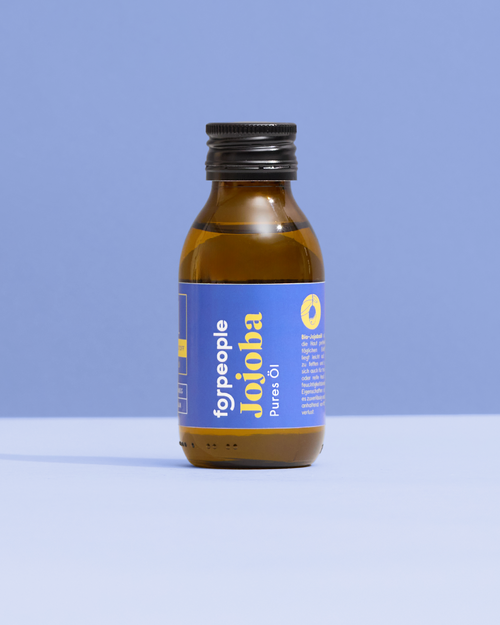
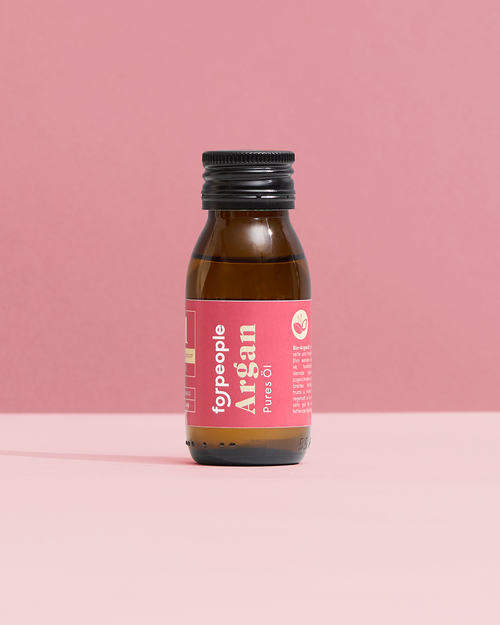
| With dry skin and no redness | Rub two or three drops of pure oil between your palms, massage it against the grain down to the skin, then brush with the grain, for example with Jojoba Oil - pure or Argan Oil - pure. | Oil on slightly damp skin slows evaporation; what oil does to beard hair and skin is explained in Beard balm or beard oil. |
| With yellowish, greasy scales on red skin | No oil or balm on these areas, wash mildly and make an appointment with a dermatologist. Shampoos or creams against the yeast are usually prescribed or recommended there. | Seborrhoeic dermatitis is treated with products against Malassezia, sometimes briefly with a mild cortisone cream (DermNet); which one is up to your doctor. |
| Outdoors | Wear a cotton or silk scarf under your wool scarf; keep hats and scarves clean. | Wool rubs against chin and neck. |
| When shaving the outlines | Use a sharp blade, shave with the grain, do not stretch the skin and go over each area only once if possible; take a break if razor bumps appear. | This is DermNet's advice for razor bumps (DermNet, Pseudofolliculitis barbae). More on shaving with oil: Shaving with oil. |
What helps – and what rather does not
| Home remedy or habit | Assessment |
|---|---|
| Scraping flakes out with a comb or your nails | no: injures the skin |
| Olive oil or lots of beard balm on yellowish, greasy scales | rather not: olive oil consists largely of oleic acid, which caused flaking in people with dandruff in an experiment (Borda and Wikramanayake 2015) |
| Pure oil on dry skin without redness | helps: a few drops after washing make the skin supple |
| Tea tree oil, apple cider vinegar and other home remedies | uncertain: herbal remedies are widely used, but their effect is uncertain (DermNet); essential oils and acids can add strain to irritated skin |
| Dandruff shampoo in the beard too | common in seborrhoeic dermatitis (DermNet); on the face, ask a pharmacist or doctor first how long to leave it on |
| Washing the beard less often so it does not dry out | not with flakes: flakes, sebum and yeast then build up |
| Hot showers and hot blow-drying | rather not: dries out the skin under the beard |
| Cortisone cream from the medicine cabinet | not on your own; on the face only as instructed by a doctor |
Typical mistakes
The most common mistake is to look after only the hair and forget the skin underneath: shampoo that only goes over the surface and oil that stays in the tips do not reach the flaking skin. The second: putting oil on an unwashed, flaky beard. Third: taking yellowish, greasy scales on red skin for dryness and applying more and more oil and balm. Fourth: not rinsing out shampoo and soap thoroughly. Fifth: putting a scented beard oil with essential oils on irritated skin and being surprised that it burns; more in Face cream burns.
When to seek medical advice
Dry skin under the beard usually improves within one to two weeks with washing and care. Have your skin examined by a GP or dermatologist if:
- yellowish, greasy-looking scales appear on red skin, especially if the eyebrows, folds beside the nose, ears or scalp are also affected (DermNet),
- pustules, lumps, crusts or weeping areas form (DermNet, Folliculitis),
- beard hairs fall out in an inflamed area or can be pulled out easily, especially if you work with cattle or horses (DermNet, Tinea barbae),
- round, smooth bald patches appear in your beard (DermNet, Alopecia areata),
- razor bumps on your neck keep coming back or leave dark marks and scars (DermNet, Pseudofolliculitis barbae),
- itching and flaking have not improved after two to three weeks of careful skin care.
See a doctor promptly if an area swells strongly, becomes hot and painful, or you develop a fever.
Frequently asked questions
Where does beard dandruff come from?
Usually from dry skin under the beard or from seborrhoeic dermatitis. Dry flakes are fine and white; with dermatitis they are yellowish, greasy and sit on red skin.
Is beard dandruff a fungus?
In seborrhoeic dermatitis, the yeast Malassezia is involved, which lives on everyone's skin; what matters is how sensitively the skin reacts to its metabolic products. A true fungal infection of the beard, tinea barbae, is something else: strongly inflamed, with pustules, and usually transmitted by animals.
Is beard dandruff contagious?
Seborrhoeic dermatitis is not contagious (Borda and Wikramanayake 2015). Tinea barbae rarely spreads from person to person; it usually comes from animals (DermNet, Tinea barbae).
Why does my beard itch despite beard oil?
Often the oil does not reach the skin, or it goes onto unwashed, flaky skin. With yellowish, greasy scales, oil can even be unfavourable, and fragrances in beard oil can irritate.
Why does my beard itch on my neck?
On the neck, collars and scarves rub, and the outlines are shaved. Red bumps there are often razor bumps caused by ingrown hairs.
How often should I wash my beard?
With flakes, daily or every other day, lukewarm and mild, with thorough rinsing. If your skin is dry, apply a few drops of oil down to the skin afterwards.
Do I have to shave off my beard?
No. Shaving can make care easier for a while, but it is not necessary. With razor bumps, a break from shaving actually helps.
At forpeople
We do not sell a beard shampoo or a dandruff treatment. For dry skin under the beard and for the beard hair, pure oils fit, which according to their product pages are meant for skin and hair. According to their safety information, they do not belong on irritated or broken skin, so not on red, inflamed areas.
- Jojoba Oil - pure, 100 ml, €16.90: pure jojoba oil, chemically mostly liquid wax esters, without fragrance; light and suitable for short beards and the skin underneath.
- Argan Oil - pure, 50 ml, €19.90: pure argan oil without added fragrance; for skin and hair.
More on this: Facial care for men · Ingrown hairs on the legs and armpits
Sources
- DermNet: Seborrhoeic dermatitis. Gaffoor Bholah N (March 2022), Oakley A (1997), updated by Gomez J (2017), minor update July 2024. Accessed 29 October 2026. dermnetnz.org/topics/seborrhoeic-dermatitis
- Sanders MGH, Pardo LM, Franco OH, Ginger RS, Nijsten T (2018): Prevalence and determinants of seborrhoeic dermatitis in a middle-aged and elderly population: the Rotterdam Study. British Journal of Dermatology 178(1): 148–153. https://doi.org/10.1111/bjd.15908
- Borda LJ, Wikramanayake TC (2015): Seborrheic dermatitis and dandruff: a comprehensive review. Journal of Clinical and Investigative Dermatology 3(2). https://doi.org/10.13188/2373-1044.1000019
- DeAngelis YM, Gemmer CM, Kaczvinsky JR, Kenneally DC, Schwartz JR, Dawson TL Jr (2005): Three etiologic facets of dandruff and seborrheic dermatitis: Malassezia fungi, sebaceous lipids, and individual sensitivity. Journal of Investigative Dermatology Symposium Proceedings 10(3): 295–297. https://doi.org/10.1111/j.1087-0024.2005.10119.x
- DermNet: Tinea barbae. Created 2003. Accessed 29 October 2026. dermnetnz.org/topics/tinea-barbae
- DermNet: Pseudofolliculitis barbae. Numan H, Gomez J (2016), Oakley A (1998), February 2022. Accessed 29 October 2026. dermnetnz.org/topics/pseudofolliculitis-barbae
- DermNet: Folliculitis. Oakley A, updated with Morrison C (April 2014). Accessed 29 October 2026. dermnetnz.org/topics/folliculitis
- DermNet: Alopecia areata. Oakley A (1997), updated by Bell H (May 2022), minor update July 2024. Accessed 29 October 2026. dermnetnz.org/topics/alopecia-areata