




What shaving does to underarm skin
Underarm skin is a special site even without shaving. Measurements show a weaker barrier there than at other body sites: more water evaporates through the horny layer (Watkinson et al. 2002). Added to this are warmth, moisture and friction in the skin fold. What the barrier does is explained in The skin barrier explained simply.
The blade takes more than hair. In one investigation, what was removed when shaving the underarm consisted on average of 36.1 per cent skin, more precisely horny layer (Turner et al. 2007). After a dry shave, images showed fine pale lines of lifted skin flakes (Marti et al. 2003). In the short term this shows as redness and dryness (Evans et al. 2012).
Shaved skin also reacts more strongly. In a standardised challenge test with histamine, the shaved underarm responded more clearly than the unshaved one (Turner et al. 2007). In a test on the forearm, the same antiperspirant products caused more irritation on skin that had been shaved beforehand. And in a four-week in-use study, those who shaved daily had more visible irritation than with one shave per week (Marti et al. 2003). The skin adapts to regular shaving; in shaved areas the epidermis was thicker. According to the authors, however, this is often not enough to prevent irritation.
Which ingredients can sting
| Ingredient | How it appears in the ingredient list | Why it can sting on freshly shaved skin |
|---|---|---|
| Alcohol | Alcohol, Alcohol denat. | Alcohol is not recommended for abraded and injured skin, also because of the burning sensation to be expected (Lachenmeier 2008). Freshly shaved skin is missing part of its horny layer. |
| Baking soda | Sodium Bicarbonate | Baking soda is slightly alkaline, the skin surface slightly acidic. On freshly shaved skin the underarm may be more likely to respond with redness or stinging; see Baking soda in deodorant. |
| Fragrances and essential oils | Parfum, Fragrance, names of essential oils, plus for example Limonene, Linalool, Citral | Whether a particular fragrance stings varies from person to person. Some have to be listed individually as possible allergens; see Essential Oils and Fragrance Allergens. |
| Aluminium salts in antiperspirants | for example Aluminum Chlorohydrate | In one test, antiperspirant products caused more irritation on shaved skin than on unshaved skin (Marti et al. 2003). |
| Grainy components | for example starch and baking soda in deodorant creams | Grains can cause additional friction when rubbed in. |
What is well documented is the greater irritability of shaved skin overall. Which individual substance stings for you depends on your skin, the amount and the gap since shaving. How to read ingredient lists is shown in How to Read an INCI List; the differences between the product types are explained in Deodorant or antiperspirant: what is the difference?
What helps: the routine
- Shave in the evening: That leaves several hours between shaving and deodorant. We do not know of a minimum waiting time established in studies; overnight is the simplest solution.
- Wet the skin first: Shave at the end of your shower or wet the underarm with warm water beforehand.
- Do not shave dry: Shaving gel, shaving foam or the lather of a soap lets the blade glide.
- Sharp, clean blade: A dull blade tempts you to use more pressure and more strokes. Both increase, as described for beard shaving, the probability and extent of shaving irritation (Maurer et al. 2016).
- Little pressure, few strokes: Raise your arm so that the skin lies flat, and do not go over the same spot several times.
- Rinse and pat dry: Rinse off lather residue with lukewarm water and pat the skin with a towel; do not rub.
- Wait: No deodorant straight afterwards. The next morning, apply it as usual; the steps are described in How to apply deodorant cream: how much, when, how often?
Frequency matters too: in the study mentioned, shaving less often meant less visible irritation.
Shaved in the morning, or stinging already?
If you have to shave in the morning, everything that lowers the strain counts: shave wet and with lather, rinse thoroughly, pat dry and apply the deodorant as late as possible. Use less than usual and spread it without rubbing.
- Wash it off: If it stings after application, wash the deodorant off with lukewarm water and pat the skin dry.
- Pause: Leave the deodorant off until redness and stinging have subsided.
- Avoid friction: Wear loose clothing and do not shave again while the skin is red. More on friction under Preventing chafing when running and cycling.
- Start small: Afterwards, start again with a small amount and watch your skin.
The forpeople deodorant creams after shaving
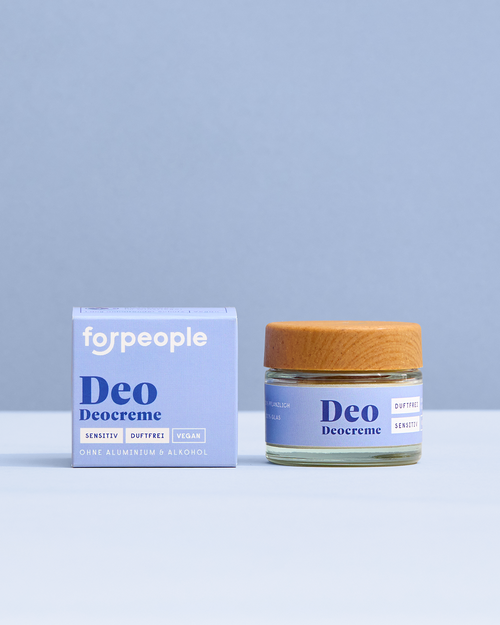
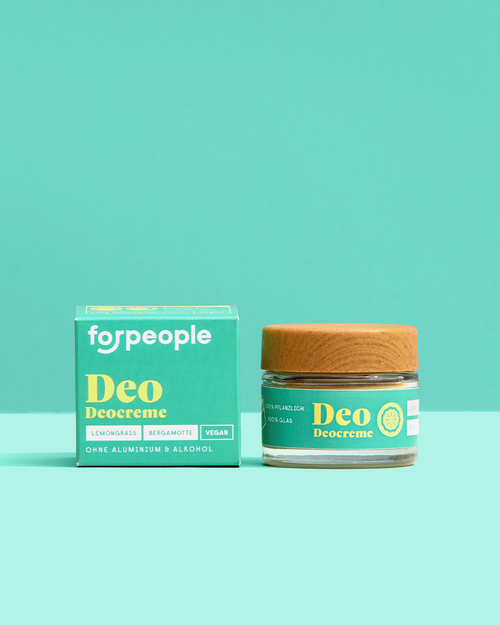
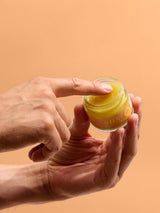
According to their ingredient lists, both deodorant creams from forpeople contain baking soda; it is in third place in each. They contain no alcohol. The Sensitive Deodorant Cream has no added fragrance and no essential oils. The Deodorant Cream - Lemon contains essential oils of bergamot and lemongrass and lists Limonene, Linalool, Citral, Citronellal and Geraniol.
“Sensitive” is a product name. It says nothing about how your skin reacts straight after shaving. The same therefore applies to both as to any deodorant: wait after shaving. Both are also slightly grainy, because baking soda and starch are fine powders. The product pages advise not to use the deodorant cream on injured or irritated skin and to stop using it if skin irritation occurs.
When to seek medical advice
A slight stinging that quickly fades after washing off is not unusual after shaving. Seek medical advice if redness or stinging does not subside despite a break of a few days or keeps coming back, if pustules, ingrown hairs, weeping or painful areas, lumps or swelling appear in the underarm, or if you suspect you are allergic to an ingredient. The same applies to very heavy sweating for no apparent reason and to sudden changes in sweat or body odour.
Frequently asked questions
How long should I wait with deodorant after shaving?
Several hours, most simply overnight. To our knowledge there is no documented minimum time. If it still stings the next morning, extend the gap or shave less often.
Does an alcohol-free deodorant sting less after shaving?
One possible trigger is gone. Baking soda, fragrances or aluminium salts can still sting on freshly shaved skin. The gap since shaving matters more than the question of a single ingredient.
Can I apply the Sensitive Deodorant Cream straight after shaving?
We advise waiting. The Sensitive Deodorant Cream has no added fragrance and no essential oils, but it does contain baking soda. More on this under Fragrance-free deodorant: what to look for with sensitive underarms.
The deodorant cream is grainy. Is that a problem after shaving?
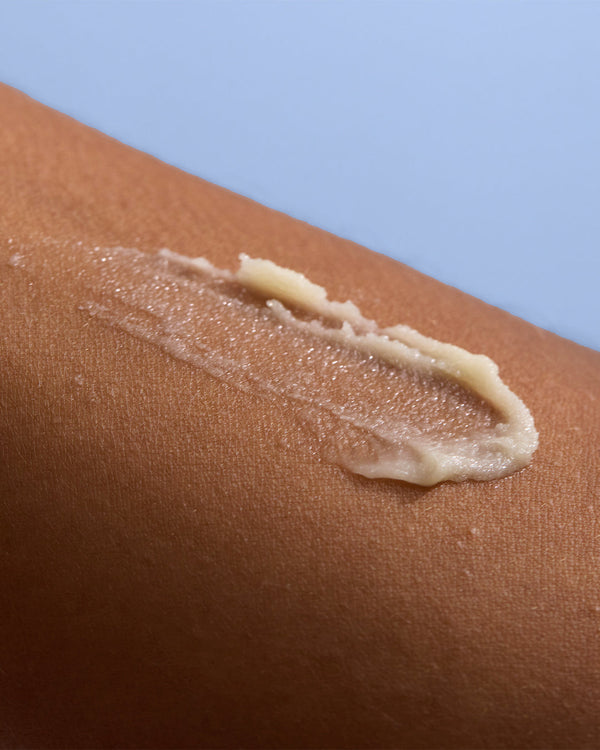
Grains can cause additional friction on freshly shaved skin. So always rub the portion soft between your fingertips first and spread it thinly. Straight after shaving you leave it off anyway.
Why does it sometimes only sting after a few days?
A reaction can also show up only after several days of use, for example when shaving, friction or a lot of cream come together. Pause use then; more under Baking soda in deodorant: why it's there and skin reactions.
Is trimming an alternative to wet shaving?
A trimmer or scissors shorten the hair without a blade being drawn directly across the skin. Whether that irritates underarm skin less has, to our knowledge, hardly been studied. Shaving is not a requirement for a deodorant cream; what matters is spreading it down to the skin.
At forpeople
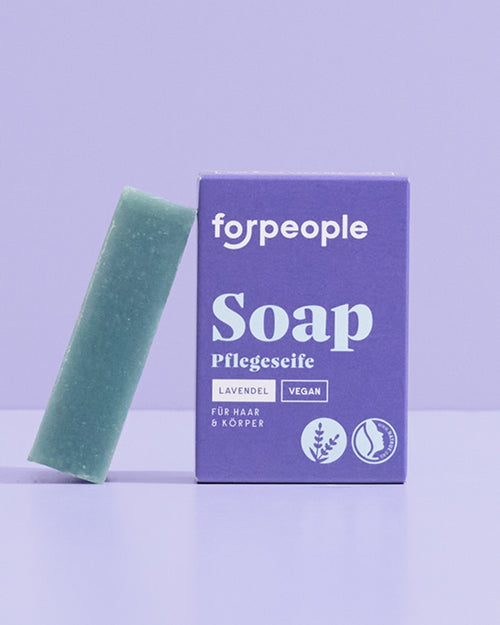
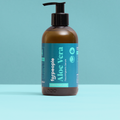
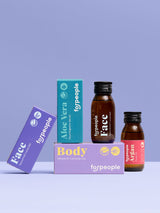
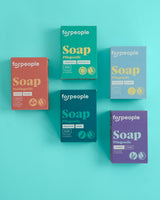
The Sensitive Deodorant Cream (50 g, €8.90) and the Deodorant Cream - Lemon (50 g, €8.90) contain no aluminium salts, no alcohol and no water, but both contain baking soda. For lather when shaving you can use a soap, for instance the Aloe Vera Soap – Lavender (75 g, €8.90); it contains lavender essential oil. All bar soaps from forpeople contain essential oils. If you want to avoid fragrances, use an unscented shaving gel. The Sensitive Deodorant Cream is also part of the set All-Round Set for Dry Skin (€89.90).
More on this: How to apply deodorant cream: how much, when, how often? · Deodorant without aluminium: how it works and switching · Without fragrance and essential oils: ingredients at a glance
From the blog: Deodorant Cream: How Well Does Natural Deodorant Cream Really Work?
Sources
- Watkinson A, Lee RS, Moore AE, Pudney PD, Paterson SE, Rawlings AV (2002): Reduced barrier efficiency in axillary stratum corneum. Int J Cosmet Sci 24(3): 151–161. https://doi.org/10.1046/j.1467-2494.2002.00133.x
- Turner GA, Moore AE, Marti VP, Paterson SE, James AG (2007): Impact of shaving and anti-perspirant use on the axillary vault. Int J Cosmet Sci 29(1): 31–38. https://doi.org/10.1111/j.1467-2494.2007.00361.x
- Marti VP, Lee RS, Moore AE, Paterson SE, Watkinson A, Rawlings AV (2003): Effect of shaving on axillary stratum corneum. Int J Cosmet Sci 25(4): 193–198. https://doi.org/10.1046/j.1467-2494.2003.00186.x
- Evans RL, Marriott RE, Harker M (2012): Axillary skin: biology and care. Int J Cosmet Sci 34(5): 389–395. https://doi.org/10.1111/j.1468-2494.2012.00729.x
- Lachenmeier DW (2008): Safety evaluation of topical applications of ethanol on the skin and inside the oral cavity. J Occup Med Toxicol 3: 26. https://doi.org/10.1186/1745-6673-3-26
- Maurer M, Rietzler M, Burghardt R, Siebenhaar F (2016): The male beard hair and facial skin – challenges for shaving. Int J Cosmet Sci 38 Suppl 1: 3–9. https://doi.org/10.1111/ics.12328