The problem: dry skin after an infection
The fever has gone, your nose has stopped running, and then you notice your skin: your face feels tight, your hands are rough, your lips cracked, your arms and legs flaky. Some people notice it while still in bed, when the skin feels dry and itchy after a sweaty night. After a stomach bug, the mouth and lips feel dry, and the skin looks dull too.
This is typical of cold season, because it coincides with the heating season. The skin usually recovers if you care for it consistently for a few days. How to protect the skin around your nose is explained in detail in Sore nose from blowing: what the skin needs now; this page is about the rest of the body.
Why the skin dries out after a cold or flu
Fever, sweating, vomiting, diarrhoea. The British health service names a high temperature, vomiting, diarrhoea and heavy sweating as reasons for dehydration. As signs of it, it lists thirst, dark urine, tiredness, dizziness and a dry mouth, lips and tongue; dry skin is not on the list (NHS 2026a). Whether drinking too little dries out the skin has been surprisingly poorly studied. A systematic review found only six studies in healthy adults; the evidence was weak, and drinking extra water slightly increased the moisture of the outer skin layer, especially in people who had drunk little before (Akdeniz et al. 2018). Drinking is still important during an infection; for the skin, though, it is only one part. More in Dry skin despite drinking plenty?
Heated air and a warm bed. When you are ill, you spend days in warm, often overheated rooms and under a thick duvet. Low humidity and low temperatures reduce the barrier function of the skin and make it more susceptible to mechanical stress (Engebretsen et al. 2016). Cold outdoor air has a particularly low relative humidity once it is heated indoors; the connections are explained in Humidity and skin: what dry heated air does and what helps.
Hot showers, hot baths. When you feel cold, you tend to shower or bathe long and hot. But warm water and soap remove fat from the outer layer of the skin; how much is explained in Itchy skin in winter: showering, care and when to see a doctor.
Hand washing and nose blowing. You should wash your hands after blowing your nose, coughing or sneezing (infektionsschutz.de 2025); with a cold, that is often dozens of times a day. Every wash takes fat from the skin. Why this dries out the hands is explained in Dry, cracked hands: causes and what helps. If you breathe through your mouth at night because your nose is blocked, your lips also dry out; see Why do lips dry out so quickly?
And the virus itself? For flu, COVID or other respiratory infections, we have found no reliable source stating that the virus dries out the skin directly. The reasons above are usually explanation enough. Rashes are a different matter; they need to be seen by a doctor, see below.
The solution step by step
| Step | What you do | Why |
|---|---|---|
| During the infection | drink enough, water first, so that your urine is light yellow and clear; with vomiting or diarrhoea, ask at the pharmacy for an oral rehydration solution | fever, vomiting and diarrhoea cost fluid |
| Every day: shower | briefly and lukewarm instead of long and hot; soap only where needed; pat dry | hot water removes fat from the outer skin layer |
| Every day: apply care | straight afterwards, apply a fat-based product to skin that is still slightly damp, especially on shins, arms and hands | a film of fat slows evaporation |
| Hands | wash after blowing your nose, coughing and sneezing, choose a comfortable water temperature, dry thoroughly and then apply hand cream | hot water is not needed for hygiene |
| Nose and lips | soft tissues, dab instead of rubbing; care for your lips during the day and before sleep | friction and mouth breathing dry these areas out further |
| Indoor air and bed | do not overheat rooms; change sweaty clothes and bedding | dry, warm air draws water from the skin |
| After the infection | continue your care until your skin feels normal again | the outer skin layer needs time to regain its balance |
Sources for the table: NHS 2026b (drinking with fever), NHS 2026a (rehydration solution), infektionsschutz.de 2025 (hand washing, water temperature), Engebretsen et al. 2016. Changing bedding and how long to continue care are common practice. When to moisturise after a shower is explained in How soon should you moisturise after a shower? The 3-minute rule.
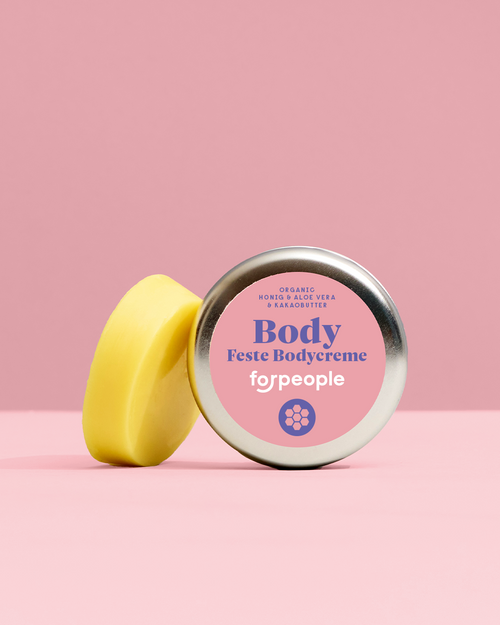
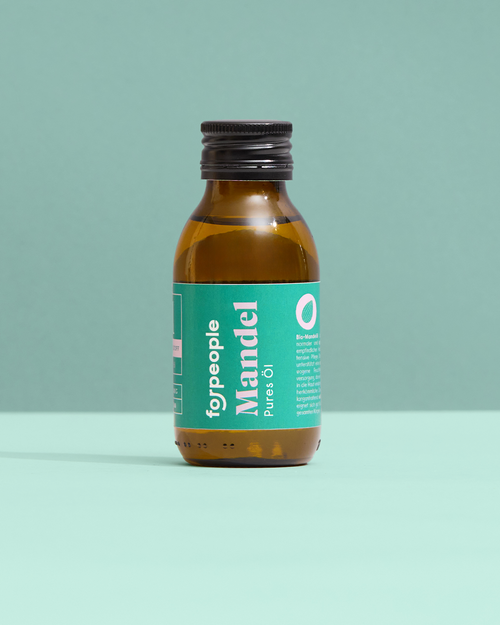
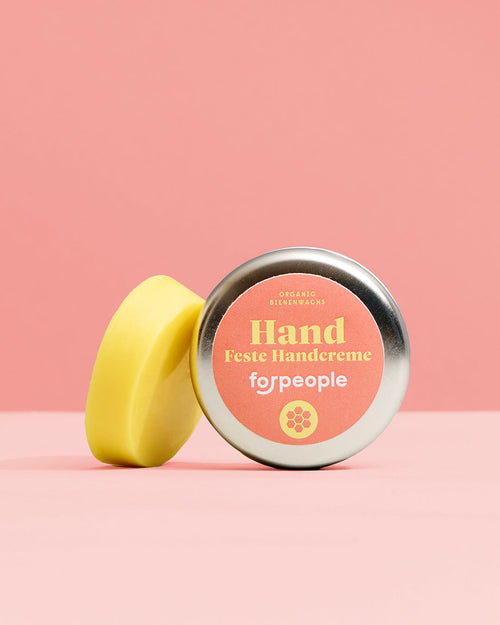
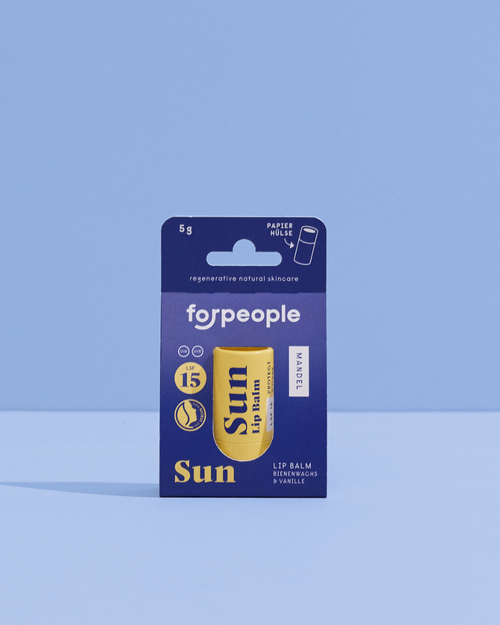
For care, each product's intended use applies. On the body, the Solid Body Butter - Beeswax & Aloe Vera, made from six ingredients without essential oils, is a good fit, and for large areas the Almond Oil - pure. The Solid Hand Cream - Beeswax is meant for hands after all that washing, and the Lip Balm - SPF15 Almond & Vanilla, without essential oils, for chapped lips. For the irritated skin around the nose, the advice on the sore nose page applies.
What helps, and what tends not to
| Measure | Assessment |
|---|---|
| Drinking plenty | important during fever, vomiting and diarrhoea; whether it visibly improves dry skin has hardly been studied |
| Fat-based care after washing | fits; the difference from water-rich creams is explained in Rich cream or moisturiser? What dry skin needs |
| A hot bath to warm up | tends not to help: it dries the skin out further; lukewarm and short is kinder to the skin |
| Washing hands in water as hot as possible | tends not to help: water temperature has no influence on how many germs are removed |
| Cold balm with essential oils on an irritated nose | tends not to help on irritated skin; more in Essential Oils and Fragrance Allergens |
| Removing flakes with a scrub or brush | tends not to help: friction puts extra strain on dry skin |
| Humidifier | possible if the air is very dry for a longer time; only with good hygiene, see the humidity page |
Sources: Akdeniz et al. 2018, infektionsschutz.de 2025; the other assessments are common practice.
Common mistakes
- Drinking too little because your throat hurts or nothing tastes right. Small sips spread over the day are easier.
- Turning up the heating and taking long, hot baths. Both warm you up, both dry out the skin.
- Washing your hands but not drying them or applying cream. Damp hands dry out particularly fast in heated air.
- Stopping your care as soon as the fever is gone. The skin needs a few more days.
- Taking every rash for dry skin. Red patches, small blisters or pustules after an infection need to be seen by a doctor.
When to get medical advice
Dry skin after an infection is usually harmless and can be cared for. Some signs, however, have nothing to do with dry skin.
Call the emergency number straight away (112 in Germany) or go to an emergency department if
- spots or a rash appear that do not fade when you press a drinking glass firmly against them, especially together with fever, a stiff neck, a severe headache, sensitivity to light or drowsiness; this can indicate meningitis (NHS 2026d),
- after a flu-like start or a new medicine, a rash forms blisters, the skin peels off or the mouth, eyes and lips become sore. This rare, severe reaction is usually triggered by medicines, and in children sometimes by infections such as a cold or flu (NHS 2026c).
See your doctor in the next few days if
- the skin on your palms and soles peels off in large flakes a few days after a rash with fever has faded. This has been described with scarlet fever (RKI 2024) and should be assessed by a doctor,
- the fever does not improve or gets worse despite treatment (NHS 2026b),
- you are hardly passing urine despite drinking, feel dizzy or cannot keep anything down,
- yellowish crusts, small blisters or weeping areas appear around the nose or mouth,
- weeks after the infection your skin is still dry, itches badly or shows new patches.
If you took medicines during the infection and your skin has changed since then, see Dry skin from medication. For cracked corners of the mouth after a cold, see Cracked corners of the mouth: causes, care and when to see a doctor.
Frequently asked questions
Why is my skin so dry after a cold?
Usually several things come together: fever and sweating, drinking too little, dry heated air, hot baths and frequent hand washing. With lukewarm washing and daily fat-based care, it usually recovers.
Can a fever dry out the skin?
Fever and sweating cost fluid, and sweaty nights in warm air are hard on the skin. The main signs of dehydration are thirst, dark urine and a dry mouth and lips.
Does drinking a lot help with dry skin?
The evidence is thin. In studies, drinking extra water slightly increased the moisture of the outer skin layer, especially in people who had drunk little before. It does nothing about the outside causes; for those you need care.
Why is my skin peeling after a fever?
Light flaking is usually dry skin. If the skin on your hands and feet comes off in large flakes a few days after a rash with fever has faded, this can happen after scarlet fever; have it looked at by a doctor.
Is dry skin after COVID typical?
In verified sources, we have not found a separate effect of the virus on the skin that explains dry skin. Fever, bed rest, heated air and frequent hand washing are usually explanation enough. If your skin stays changed for weeks or a rash forms, see a doctor.
What should I do about dry skin after a stomach bug?
First replace the lost fluid, ideally with an oral rehydration solution from the pharmacy if you have vomiting and diarrhoea. Care for your skin as usual: wash in lukewarm water, then apply a fat-based product.
Which care is right after a cold?
A fat-based product without essential oils for body and hands, and a lip balm for the lips. Special advice applies to the irritated skin around the nose; you will find it on the sore nose page.
At forpeople
Our products care for dry, unbroken skin; they have no effect on an infection. The following contain no essential oils.
Solid Body Butter - Beeswax & Aloe Vera, 40 g, €9.90: water-free, made from cocoa butter, olive oil, beeswax, sunflower oil, shea butter and aloe vera extract; for dry areas on the body.
Almond Oil - pure, 100 ml, €14.90: pure almond oil; spreads over large areas.
Solid Hand Cream - Beeswax, 30 g, €9.90: for dry, rough hands, for example after frequent washing.
Lip Balm - SPF15 Almond & Vanilla, 5 g, €7.90: beeswax, shea butter and plant oils with mineral UV filters; for chapped lips.
More on this: Dry skin in winter: what helps with cold and indoor heating · Hand sanitiser and hand cream: which comes first? · Dry lips in the morning: does lip balm overnight help?
Sources
- Engebretsen KA, Johansen JD, Kezic S, Linneberg A, Thyssen JP (2016): The effect of environmental humidity and temperature on skin barrier function and dermatitis. J Eur Acad Dermatol Venereol 30(2): 223–249. https://doi.org/10.1111/jdv.13301
- Akdeniz M, Tomova-Simitchieva T, Dobos G, Blume-Peytavi U, Kottner J (2018): Does dietary fluid intake affect skin hydration in healthy humans? A systematic literature review. Skin Res Technol 24(3): 459–465. https://doi.org/10.1111/srt.12454
- NHS (2026a): Dehydration. Last reviewed 1 May 2026, accessed 29 October 2026. https://www.nhs.uk/conditions/dehydration/
- NHS (2026b): High temperature (fever) in adults. Last reviewed 19 October 2026, accessed 29 October 2026. https://www.nhs.uk/symptoms/fever-in-adults/
- Bundesinstitut für Öffentliche Gesundheit (BIÖG), infektionsschutz.de (2025): Händewaschen. Last changed 23 June 2025, accessed 29 October 2026. https://www.infektionsschutz.de/haendewaschen/
- Robert Koch-Institut (2024): RKI-Ratgeber Streptococcus pyogenes-Infektionen. As of 1 February 2024. https://www.rki.de/DE/Aktuelles/Publikationen/RKI-Ratgeber/Ratgeber/Ratgeber_Streptococcus_pyogenes.html
- NHS (2026c): Stevens-Johnson syndrome. Last reviewed 4 March 2026, accessed 29 October 2026. https://www.nhs.uk/conditions/stevens-johnson-syndrome/
- NHS (2026d): Meningitis. Last reviewed 12 June 2026, accessed 29 October 2026. https://www.nhs.uk/conditions/meningitis/