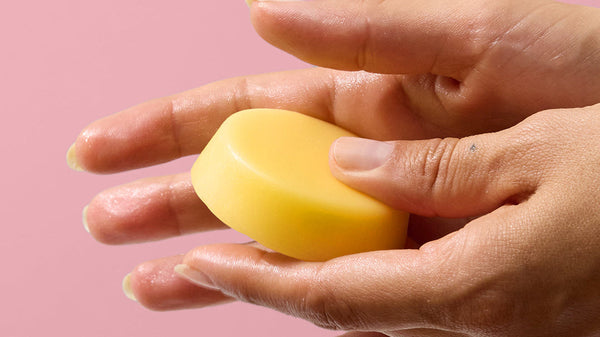
In short videos, beef tallow is shown as a face cream "like in the old days", in a small jar, often with a note about grass-fed cattle. The promises range from softer skin to fewer wrinkles. Here you can read what tallow is, what is known about it and what is not, and which fats behave in a similar way.
What beef tallow is made of
According to the international food standard, edible tallow is obtained by rendering fatty tissue from cattle and sheep; the grade "premier jus" is rendered at low heat from fresh fat of the heart, caul and kidneys of cattle. The standard describes tallow as off-white to pale yellow, with a characteristic smell but free from rancid or foreign odours. At most 12 grams per kilogram are unsaponifiable accompanying substances; the rest is fat (Codex Alimentarius 1999). The fats are mostly triglycerides, meaning glycerol with three fatty acids attached (Russell et al. 2024).
The fatty acids determine how hard a fat is and how it feels. Tallow contains a lot of palmitic and stearic acid, which are solid at room temperature, plus oleic acid and only small amounts of polyunsaturated fatty acids (Codex Alimentarius 1999). The table puts it next to the fats in our products.
| Fat (per 100 g) | Palmitic acid | Stearic acid | Oleic acid | Linoleic acid | In our products, for example |
|---|---|---|---|---|---|
| Beef tallow | 24.9 g | 18.9 g | 36.0 g | 3.1 g | none |
| Cocoa butter | 25.4 g | 33.2 g | 32.6 g | 2.8 g | Solid Body Butter - Beeswax & Aloe Vera |
| Shea butter | 4.4 g | 38.8 g | 43.5 g | 4.9 g | body butter, Solid Vegan Hand Cream - Bergamot |
| Olive oil | 11.3 g | 2.0 g | 71.3 g | 9.8 g | body butter, Beeswax Salve – Larch & Mandarin in a Glass Jar, hand creams |
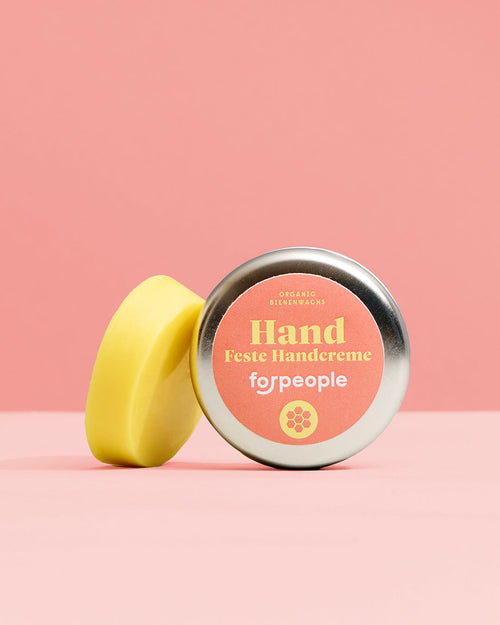
| Sunflower oil (high-linoleic) | 5.9 g | 4.5 g | 19.5 g | 65.7 g | body butter, Solid Hand Cream - Beeswax |
Source of the values: the US nutrient database FoodData Central (USDA 2019); details of our products according to their ingredient lists. Natural products vary: the food standard allows 20 to 30 % palmitic acid, 15 to 30 % stearic acid and 30 to 45 % oleic acid for tallow (Codex Alimentarius 1999).
In terms of fatty acids, cocoa butter comes closest to tallow: similar amounts of palmitic and oleic acid, somewhat more stearic acid, hardly any linoleic acid. Shea butter has less palmitic but more stearic acid. Oils such as olive and sunflower oil are liquid because unsaturated fatty acids predominate.
Is tallow "like your skin's own oil"?
This is the most common argument for tallow, and it is only partly true. Human sebum from the sebaceous glands contains two groups of substances that are characteristic of it: wax esters and squalene (Smith & Thiboutot 2008). Beef tallow, by contrast, consists almost entirely of triglycerides; for all unsaponifiable components together, which include squalene, the standard allows at most 1.2 % (Codex Alimentarius 1999). The lipids of the outer skin layer that form the skin barrier are different again: mainly ceramides, cholesterol and free fatty acids (Russell et al. 2024). More in The skin barrier explained simply.
A fat that is closer to sebum in one respect comes from a plant: jojoba oil consists of about 98 % wax, mainly wax esters (Gad et al. 2021). That does not imply any special effect either. What a film of fat reliably does on the skin is the same regardless of its origin: it reduces the evaporation of water. How much depends on the type of film; this is explained in Occlusion and TEWL: how a wax film protects your skin.
What studies show and what they do not
A review from 2024, a so-called scoping review, gathered the evidence. The authors searched two medical databases and included 19 papers. Most did not study humans. Several were not about tallow as skincare at all, but about tallow amines made from it in pesticides, or fat infusions in dairy cows. Studies with people concerned emulsions of enzymatically modified mutton tallow and walnut oil, rated by 83 and 78 participants respectively; both are by the same first author. On side effects, the authors found the most contradictions. Their conclusion: studies on human skin are missing, especially randomised controlled trials (Russell et al. 2024).
| What is said about tallow | What the evidence shows |
|---|---|
| "Like your skin's own oil" | only partly: tallow is almost entirely triglyceride, sebum also contains wax esters and squalene (Codex 1999; Smith & Thiboutot 2008) |
| "Full of vitamins A, D, E and K" | The US nutrient database measures no vitamin A and no vitamin K1 in beef tallow, 0.7 µg vitamin D and 2.7 mg vitamin E per 100 g; sunflower oil has 41.1 mg and olive oil 14.4 mg vitamin E (USDA 2019). We found no studies on whether vitamins from a tallow balm do anything in the skin. |
| "Smooths wrinkles" | no study in humans that measured wrinkles (Russell et al. 2024) |
| "Does not clog pores", "good for acne" | no studies (Russell et al. 2024); so it cannot be promised that tallow will not clog pores |
| "Helps with atopic dermatitis and eczema" | only one survey on emulsions of modified mutton tallow and one mouse experiment with a fat mixture, not pure beef tallow (Russell et al. 2024) |
| "Grass-fed is better" | we found no studies on skin |
What remains is undisputed and applies to any fat: a tallow balm leaves a film and keeps the skin supple. How that feels depends on the amount; in one comparison, tallow was considerably stickier than pumpkin seed oil (Russell et al. 2024). When a rich film of fat suits you and when watery care does is described in Rich cream or moisturiser? What dry skin needs.
When should you see a doctor?
Skin conditions such as acne, atopic dermatitis or eczema belong in medical care, not in a self-experiment with tallow. Have your skin checked if it turns red, itches or develops spots or bumps after a new balm and this does not settle once you stop. What to do in case of a reaction is covered in Reacting to a cosmetic: what to do, where to report, returns.
Shelf life, smell and what to look for when buying
Fats go rancid when they react with oxygen, producing compounds with an off smell. How quickly this happens depends on the fatty acid composition, on heat, light and oxygen; free fatty acids and metals such as iron speed it up (Choe & Min 2006). Tallow has few polyunsaturated fatty acids but also brings little vitamin E (USDA 2019). So keep a tallow balm cool, dark and tightly closed, and take it out with clean fingers or a spatula. If it smells of old fat instead of its own smell, it has gone rancid; how to tell is explained in How to tell if a skin oil is rancid. The storage tips are common practice.
Many tallow balms come from small manufacturers. A cosmetic product sold in the EU must first undergo a safety assessment and be notified to the European Commission (Regulation (EC) 1223/2009, Art. 10 and 13). The packaging shows the name and address of the responsible person, a batch number and the list of ingredients (Art. 19). For animal raw materials, there is an additional rule: category 1 and 2 material under EU law on animal by-products is prohibited in cosmetics (Annex II No. 419). If this information is missing, you do not know who stands behind the product. How to read the list and the shelf-life symbol is explained in Cosmetics Shelf Life: Hourglass Symbol and PAO After Opening. If you render and mix tallow yourself, you will find hygiene tips in Homemade cream: how long does it last, and how can it keep longer?
Beef tallow, deer tallow or plant butter?
Deer tallow is also rendered animal fat. Products with that name, however, often contain other fats and waxes, sometimes also petroleum jelly and paraffin; details are in Deer tallow: what is in it and what the alternatives are. Lanolin, the wool wax from sheep, is also an animal raw material, but chemically a wax and not a tallow; the difference from beeswax is described in Lanolin or beeswax: what is the difference? Classic German Melkfett (udder balm) contains no animal fat despite its name; see What is Melkfett (udder balm)? What it is made of and what it is for.
We do not use tallow. If you are looking for solid, water-free care with a similar fat profile, you will find it in plant butters; we name each product below for the purpose stated on its product page.
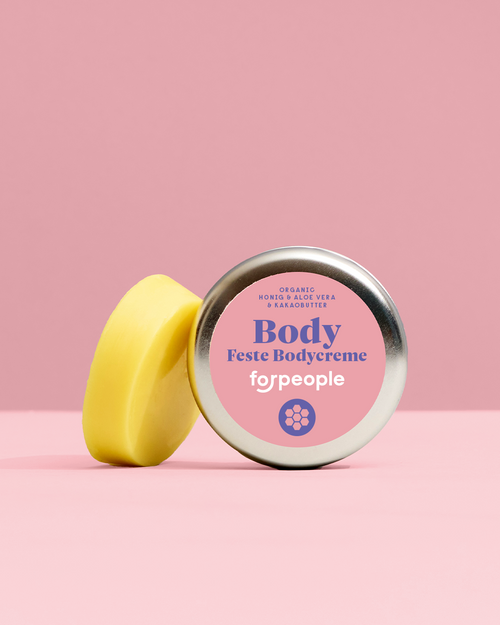
- For the body: The Solid Body Butter - Beeswax & Aloe Vera has cocoa butter as its first ingredient, plus olive oil, beeswax, sunflower oil, shea butter and aloe extract. Whether it also suits hands and feet is covered in Can I use body butter on hands, feet and face?
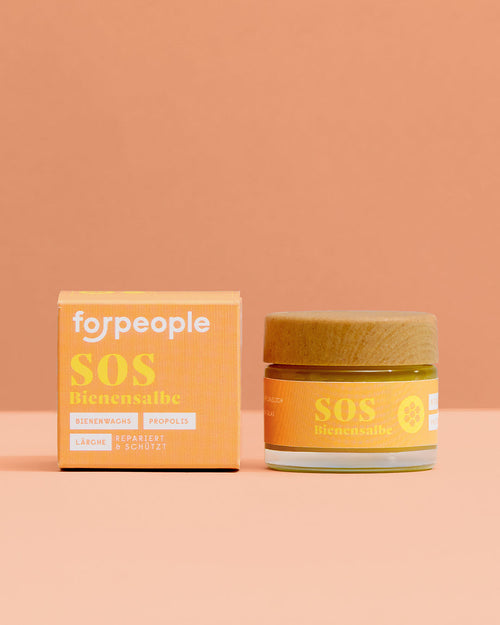
- For rough areas on hands, heels and elbows: The Beeswax Salve – Larch & Mandarin in a Glass Jar is tougher and stays put well. It contains larch resin, propolis and essential oils, substances some people react to.
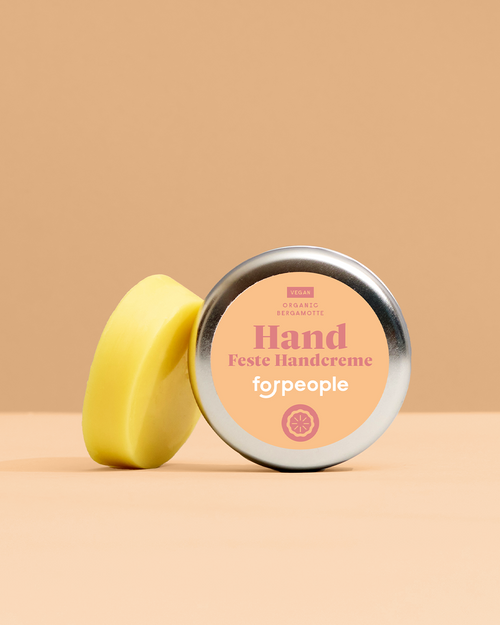
- For the hands, without animal raw materials: The Solid Vegan Hand Cream - Bergamot is vegan, with candelilla wax, jojoba oil, olive oil, shea butter and hemp seed oil; its scent comes from lemon and bergamot oil.
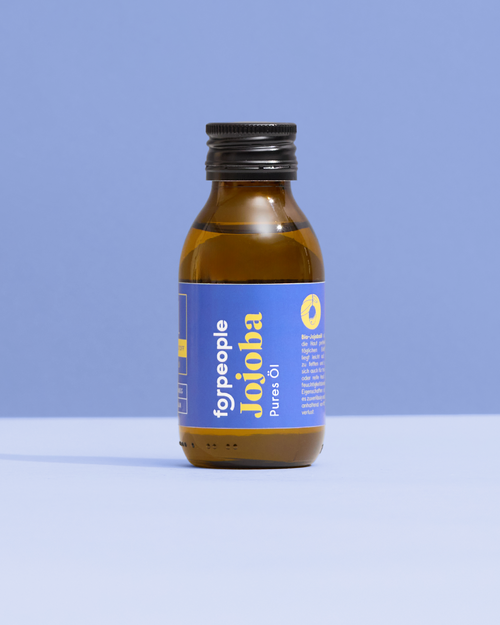
- For the face: Here an oil is a closer fit than a butter. Jojoba Oil - pure consists only of the oil itself; a few drops are enough. More in Face oil on oily skin: does that work?
Frequently asked questions
Is tallow good or bad for the skin?
Neither can be shown. Tallow is a solid fat that, like other fats, leaves a film on the skin. There are no studies on human skin for any special effects.
Is deer tallow the same as beef tallow?
Both are rendered animal fat, just from different animals. Products called deer tallow often contain other ingredients, such as waxes or mineral oils. The list of ingredients shows what is in them.
Does beef tallow smell?
Tallow has its own smell; the food standard calls it "characteristic". If it smells of old, rancid fat, it has gone off.
Should I apply it in the morning or the evening?
A rich film of fat tends to get in the way during the day, for example under make-up or on your hands. That is why many people use such balms in the evening. There is no rule based on studies.
Can tallow cause blemishes?
There are no studies on this. If your skin is prone to blackheads, try a new fat on a small area along the jawline first and stop if you get more blemishes.
Is there a vegan alternative to tallow?
Yes, balms made from plant butters, oils and plant wax. Cocoa butter has a fatty acid profile similar to tallow. Beeswax is vegetarian but not vegan.
At forpeople
We do not use tallow. These products are water-free or pure oil; the full ingredients are listed on the product pages.
- Solid Body Butter - Beeswax & Aloe Vera, 40 g, €9.90: for dry skin on the body; cocoa butter, olive oil, beeswax, sunflower oil, shea butter, aloe extract, no essential oils.
- Beeswax Salve – Larch & Mandarin in a Glass Jar, 50 g, €12.90: for dry, rough areas on hands, heels and elbows and thinly on dry lips; not for children under 3.
- Solid Vegan Hand Cream - Bergamot, 30 g, €9.90: vegan, for dry hands.
- Jojoba Oil - pure, 100 ml, €16.90: for face, body and hair.
For all of them: do not use on broken or irritated skin, and stop using them if your skin reacts.
Read more: Petroleum jelly or beeswax salve: the difference
From the blog: What is in the solid body butter – and why
Sources
- Codex Alimentarius (1999): Codex Standard for Named Animal Fats (CODEX-STAN 211-1999). In: FAO/WHO, Fats, Oils and Related Products, Section 3. Accessed 28.10.2026. https://www.fao.org/4/y2774e/y2774e05.htm
- U.S. Department of Agriculture, Agricultural Research Service (2019): FoodData Central, SR Legacy. Fat, beef tallow (FDC 171400); Oil, cocoa butter (171421); Oil, sheanut (171429); Oil, olive, salad or cooking (171413); Oil, sunflower, linoleic, approx. 65 % (171025). Accessed 28.10.2026. https://fdc.nal.usda.gov/food-details/171400/nutrients
- Russell MF, Sandhu M, Vail M, Haran C, Batool U, Leo J (2024): Tallow, Rendered Animal Fat, and Its Biocompatibility With Skin: A Scoping Review. Cureus 16(5): e60981. https://doi.org/10.7759/cureus.60981
- Smith KR, Thiboutot DM (2008): Thematic review series: skin lipids. Sebaceous gland lipids: friend or foe? Journal of Lipid Research 49(2): 271–281. https://doi.org/10.1194/jlr.R700015-JLR200
- Gad HA, Roberts A, Hamzi SH et al. (2021): Jojoba Oil: An Updated Comprehensive Review on Chemistry, Pharmaceutical Uses, and Toxicity. Polymers 13(11): 1711. https://doi.org/10.3390/polym13111711
- Choe E, Min DB (2006): Mechanisms and Factors for Edible Oil Oxidation. Comprehensive Reviews in Food Science and Food Safety 5(4): 169–186. https://doi.org/10.1111/j.1541-4337.2006.00009.x
- Regulation (EC) No 1223/2009 of the European Parliament and of the Council of 30 November 2009 on cosmetic products. OJ L 342, 22.12.2009, p. 59; Art. 10, 13, 19 and Annex II No. 419. https://eur-lex.europa.eu/eli/reg/2009/1223/oj