







The problem: recognising chilblains
A typical scene is a cold, wet day in late autumn or winter: slush seeps into your shoes and your socks stay damp for hours, or your hands sit in wet gloves while you cycle. In the evening or at night your toes start to itch and burn. The next morning individual toes are swollen and red to purple, sometimes with small, tender bumps on the skin. Less often the fingers, ears, nose or heels are affected.
A dermatology reference describes chilblains as tender or itchy bumps on the toes, fingers and ears after damp, cold weather without frost. They develop several hours after the cold, last more than 24 hours, itch or burn and are red or purple; the colour fades when pressed. Severe chilblains can blister or break open (DermNet: Chilblains). On brown and black skin the redness is harder to see (NHS: Chilblains).
Chilblains are not rare, but they are often mistaken for something else. In a Mayo Clinic case series of 104 patients, 79% were women and the average age was 38; the toes were affected in 82% and the fingers in 30% (Cappel and Wetter 2014). A review of 13 studies also found more women than men and most often the hands and fingers (Kapnia et al. 2022). Risk factors include smoking, low body weight, outdoor work, Raynaud's phenomenon and chilblains in the family (DermNet: Chilblains).
The table helps you sort things out. It does not replace a diagnosis; only a medical examination can give you certainty.
| What you see | When it appears | What it may be |
|---|---|---|
| Itchy or burning, swollen, red to purple patches or bumps | A few hours after damp cold above freezing, lasting more than 24 hours | Chilblains (DermNet: Chilblains) |
| Skin white and numb, later hard; blisters after rewarming | In frost, especially with wind | Frostbite, get medical care straight away (DermNet: Frostbite) |
| Individual fingers or toes suddenly turn white and blue, then red on rewarming; afterwards the skin looks normal again | Minutes after cold or stress | Raynaud's phenomenon (Maverakis et al. 2014) |
| Chilblain-like patches that persist beyond the cold season, sometimes with cracks or open areas | Even without obvious cold | Chilblain lupus, a form of lupus erythematosus (DermNet: Chilblain lupus erythematosus) |
| Itchy, scaly or sore skin between the toes, often between the fourth and fifth toe | Regardless of cold | Athlete's foot (DermNet: Tinea pedis) |
What normal redness after cold looks like and when it is harmless is explained in Red hands and cheeks in the cold: what is normal and what helps. Fingers that suddenly turn white have their own page: White fingers in the cold: recognising Raynaud's and protecting your hands.
Why chilblains develop in the cold, wet season
Damp cold, not frost. Chilblains are a non-freezing cold injury. Unlike frostbite, the tissue does not freeze (Kapnia et al. 2022). Typical triggers are cold, wet days just above zero, wet socks in leaky shoes and cold, damp rooms (DermNet: Chilblains). That is why chilblains can appear on cold, wet autumn days, before the first frost.
An exaggerated reaction of the blood vessels. In the cold, the small blood vessels in the skin narrow so that less heat is lost. In chilblains this reaction seems to be disturbed; a spasm of the vessels probably plays a part, but the exact cause is not known (Nyssen et al. 2020). Under the microscope, chilblains show inflammation: in an analysis of nine studies, 81% of tissue samples showed inflammatory cells around the blood vessels and 66% showed swelling of the upper dermis (Kapnia et al. 2022). That explains why the spots swell, itch and burn.
What increases the risk. In the same review, smoking and frequent contact with water at work were linked to the typical tissue changes (Kapnia et al. 2022). Britain's NHS also advises people with chilblains to avoid caffeinated drinks and decongestants for a blocked nose, because they can affect blood flow to the fingers and toes (NHS: Chilblains). If you need such products, ask at the pharmacy.
Usually there is no other illness behind it. In the Mayo case series, most patients had no underlying condition; 4% had a connective tissue disease and 3% a malignant blood disease (Cappel and Wetter 2014). Chilblains can, however, occur alongside other conditions, for example infections including COVID-19 and inflammatory diseases of the immune system, most commonly lupus erythematosus (Dubey et al. 2022). In chilblain lupus the patches persist beyond the cold months; around 18% of people with the non-inherited form later develop systemic lupus (DermNet: Chilblain lupus erythematosus). That is why recurring or unusual chilblains belong in medical hands.
The solution step by step
| Step | What you do | Why |
|---|---|---|
| Straight away | Take off wet socks, shoes and gloves, pat the skin dry and warm up slowly in a warm room in dry clothes | The NHS recommends drying the skin and warming it up slowly (NHS: Chilblains) |
| Straight away | Do not hold your feet or hands to the radiator or under hot water, and do not put a hot water bottle directly on the skin | The NHS advises against it; cold skin with reduced feeling also senses heat poorly |
| Straight away | Do not scratch, do not rub, do not open blisters; if the itching is strong, ask for advice at the pharmacy | Scratching can break the inflamed skin (NHS: Chilblains) |
| Every day | Wear dry, warm socks and waterproof shoes with enough room, take spare socks with you; gloves and a hat that covers your ears | Warm, dry clothing is the most important prevention (DermNet: Chilblains) |
| Every day | Keep moving, keep your home warm and dry, let damp shoes dry overnight | Exercise keeps hands and feet warm; cold, damp rooms encourage chilblains (DermNet: Chilblains) |
| Prevention | Do not smoke | Smoking is considered a risk factor (Kapnia et al. 2022) |
| Prevention | If you get chilblains every year, talk to your GP or dermatologist in autumn about what else may be an option | There are prescription treatments, but their benefit has not been confirmed in all studies (Nyssen et al. 2020) |
The simple measures are often enough: in the Mayo case series, the chilblains cleared completely in 23 of the 28 patients who were followed up, with warming, keeping dry and stopping smoking (Cappel and Wetter 2014). If your feet quickly get damp in your shoes, you will find tips on socks and shoes in Sweating in winter: causes and what you can do.
And the skin around them? You can care for dry, rough skin on your heels, the tops of your feet and your hands in winter as usual, as described in Dry feet in winter: what causes it, what helps? No cream belongs on the swollen spots themselves, least of all one with essential oils or fragrance; skincare products are not intended for irritated or broken skin. A cream does not protect against cold injury either, see Cold cream: water-free, but no protection from frost.
What helps – and what tends not to
| Habit or home remedy | Assessment |
|---|---|
| Warm, dry socks and spare socks for when you are out | helps: damp and cold are the triggers |
| Feet on the radiator, on a hot water bottle or in a hot foot bath in the evening | tends not to: the NHS explicitly advises against it (NHS: Chilblains) |
| Rubbing with snow or massaging firmly | no: rubbing puts extra strain on cold, inflamed skin |
| Hot-and-cold baths, onion, vinegar or camphor on the spots | we know of no studies on this; irritating home remedies do not belong on inflamed skin |
| Thick greasy cream as "frost protection" | does not protect against cold injury; clothing remains decisive |
| Stopping smoking and exercise | helps: stopping smoking is one of the recommended basic measures (Nyssen et al. 2020), exercise keeps hands and feet warm (DermNet: Chilblains) |
| Trying medicines from the home medicine cabinet | no: products that widen the vessels or contain cortisone belong in medical hands |
Common mistakes
The most common mistake is to keep walking in wet socks or to step into the previous day's still-damp boots the next morning. The second: squeezing thick winter socks into shoes that are too tight for them. That pressed toes warm up less easily is practical experience, not a study finding. Third, chilblains are mistaken for athlete's foot and treated with antifungal cream, or the other way round; what athlete's foot looks like is described in Dry feet or athlete's foot? Signs and when to see a doctor. Fourth: warming cold feet directly on the radiator in the evening. Fifth: putting up with chilblains every year without having them checked once. If you also have dry, cracked skin on your toes, see Dry, cracked skin on the toes.
When to seek medical advice
You need medical help straight away if skin stays white, hard and numb after frost or blisters form after rewarming. That suggests frostbite; the affected area should not be rubbed or warmed with direct heat (DermNet: Frostbite).
Have chilblains checked by a doctor soon if
- the skin has not improved after two to three weeks, pus comes out, or you have a fever, chills or feel very unwell (NHS: Chilblains),
- blisters, open or weeping areas develop (DermNet: Chilblains),
- chilblains come back every year (NHS: Chilblains), persist into spring and summer or appear without obvious cold (DermNet: Chilblain lupus erythematosus),
- you also have joint pain or swelling, rashes on the face, unusual tiredness or fingers that suddenly turn white,
- you have diabetes (NHS: Chilblains) or circulation or sensation problems in your feet; see Dry skin with diabetes: causes and care for feet and legs.
Your first point of contact is your GP or a dermatologist. If an underlying inflammatory condition is suspected, a rheumatology assessment may follow.
Frequently asked questions
What do chilblains look like?
Swollen, red to purple patches or small bumps, usually on the toes, less often on the fingers, ears or heels. They itch or burn and appear a few hours after damp cold. On dark skin the redness is harder to see.
How long do chilblains last?
Usually one to three weeks; as a rule they clear up on their own. With renewed cold they can come back, and some people get them every winter.
What can I do if I have chilblains?
Keep your feet or hands warm and dry, warm them up slowly, do not scratch and do not smoke. If the itching is strong, the pharmacy can advise you. Medicines that widen the blood vessels or dampen the inflammation are prescribed by a doctor.
Chilblains or athlete's foot: how can I tell the difference?
Chilblains are swollen, red to purple patches on or around the toes after damp cold. Athlete's foot tends to show as itchy, scaly or sore skin between the toes, regardless of the weather. Only a medical examination can tell for sure.
Chilblains or rheumatism?
Chilblains are not rheumatism; the joints are not involved. They can, however, occur with inflammatory diseases of the immune system, especially lupus erythematosus. If you also have joint problems, have this checked by a doctor.
Can you get chilblains in summer?
Ordinary chilblains develop in the cold, damp season. If chilblain-like patches persist beyond winter or appear without cold, there may be another cause, such as chilblain lupus. This should be checked by a doctor.
What helps with chilblains on the hands?
Gloves or mittens that stay dry, drying your hands thoroughly after washing and not warming them under hot water. If you work with water a lot, wear suitable protective gloves; in a review, frequent contact with water at work was linked to the typical tissue changes.
Does a cream help with chilblains?
No. Skincare can keep the dry skin around them supple, but it does not prevent chilblains and does not belong on the swollen spots. What matters is warmth, dryness and movement.
At forpeople
We have no product for chilblains themselves, and no cream protects against cold injury. For dry but unbroken skin on hands and feet in winter, two products without essential oils are suitable, each for the purpose stated on its product page:
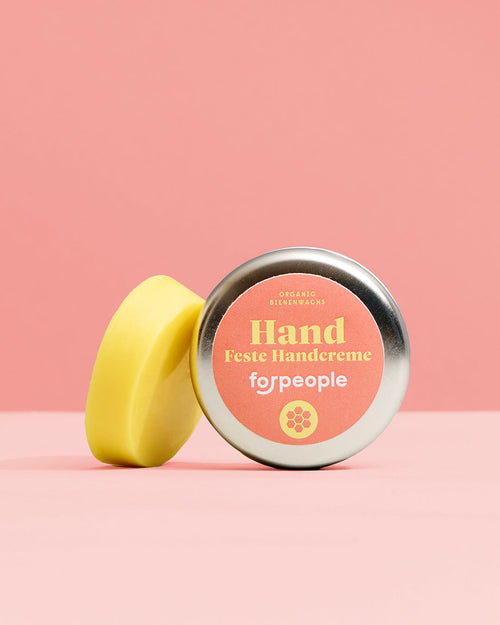
- Solid Hand Cream - Beeswax, 30 g, €9.90: according to the ingredient list beeswax, olive and sunflower oil, St. John's wort and aloe extract, without fragrance and without water; for dry, rough hands.
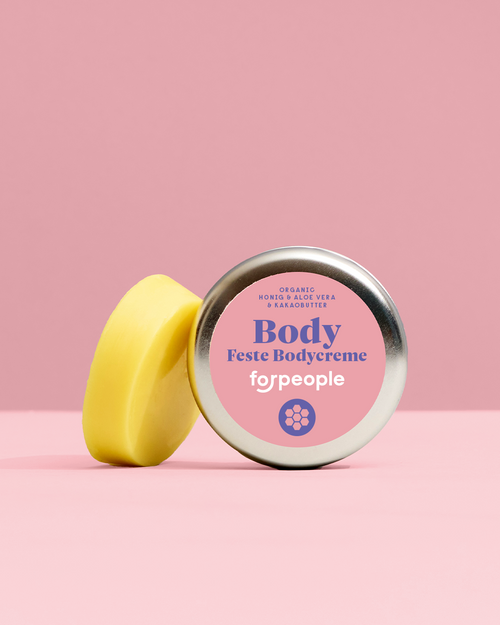
- Solid Body Butter - Beeswax & Aloe Vera, 40 g, €9.90: cocoa butter, olive oil, beeswax, sunflower oil, shea butter and aloe extract; for dry areas of skin on the body, including the feet and heels, see Can I use body butter on hands, feet and face?
Do not apply either to chilblains, blisters, open or irritated areas, and stop using them if your skin reacts.
More on this: Cold allergy (cold urticaria): hives from the cold – what to do? · Windburn on the face: red, burning skin after skiing and winter hiking
From the blog: Hands and feet through winter: a routine for morning and evening
Sources
- DermNet: Chilblains. Oakley A (1999), updated by Tang GT and Nixon R, February 2021, accessed 29.10.2026. https://dermnetnz.org/topics/chilblains
- NHS: Chilblains. Last reviewed 22.04.2026, accessed 29.10.2026. https://www.nhs.uk/conditions/chilblains/
- Cappel JA, Wetter DA (2014): Clinical characteristics, etiologic associations, laboratory findings, treatment, and proposal of diagnostic criteria of pernio (chilblains) in a series of 104 patients at Mayo Clinic, 2000 to 2011. Mayo Clinic Proceedings 89(2): 207–215. https://doi.org/10.1016/j.mayocp.2013.09.020
- Kapnia AK, Ziaka S, Ioannou LG, Flouri I, Dinas PC, Flouris AD (2022): Population Characteristics, Symptoms, and Risk Factors of Idiopathic Chilblains: A Systematic Review, Meta-Analysis, and Meta-Regression. Biology 11(11): 1651. https://doi.org/10.3390/biology11111651
- Nyssen A, Benhadou F, Magnée M, André J, Koopmansch C, Wautrecht JC (2020): Chilblains. Vasa 49(2): 133–140. https://doi.org/10.1024/0301-1526/a000838
- Dubey S, Joshi N, Stevenson O, Gordon C, Reynolds JA (2022): Chilblains in immune-mediated inflammatory diseases: a review. Rheumatology 61(12): 4631–4642. https://doi.org/10.1093/rheumatology/keac231
- DermNet: Chilblain lupus erythematosus. Verheyden MJ, Hadlow C, August 2019, accessed 29.10.2026. https://dermnetnz.org/topics/chilblain-lupus-erythematosus
- DermNet: Frostbite. Ngan V (2005), accessed 29.10.2026. https://dermnetnz.org/topics/frostbite
- Maverakis E, Patel F, Kronenberg DG, Chung L, Fiorentino D, Allanore Y et al. (2014): International consensus criteria for the diagnosis of Raynaud's phenomenon. Journal of Autoimmunity 48–49: 60–65. https://doi.org/10.1016/j.jaut.2014.01.020
- DermNet: Tinea pedis. Created 2003, updated by Stewart T, April 2018, accessed 29.10.2026. https://dermnetnz.org/topics/tinea-pedis