













From October to February, hands and feet have more to put up with than in the rest of the year: cold air outside, dry heated air indoors, frequent washing, gloves and closed shoes. This post describes what that does to the skin and sets out a short routine for morning and evening. It is for anyone whose hands and heels turn rough and dry in the cold season.
What winter does to hands and feet
Cold air holds little moisture. When it is heated indoors, its relative humidity drops further, and the skin gives off more water to the air. At the same time, the skin produces less sebum in the cold, which means less of its own oil. The guide Dry skin in winter explains how this fits together.
Hands and feet are affected in particular. The palms and the soles have no sebaceous glands. They lack the film of oil that the skin forms by itself elsewhere.
| Factor | What happens to the skin | What you can do |
|---|---|---|
| Cold and wind | The skin produces less sebum, and wind carries moisture away. | Wear gloves, even for short trips. |
| Heated indoor air | The air is dry, and the skin gives off more water. | Do not overheat rooms; air them briefly several times a day. |
| Frequent washing | Soap and warm water dissolve the skin's own lipids. | Wash with lukewarm water, dry your hands, then apply cream. |
| Closed shoes | In warm shoes and thick socks the skin gets damp and dries off again later. Sweat brings water and salts onto the skin, but no oil. | Wash your feet in the evening, dry them thoroughly and apply cream. |
You can read more about washing under Dry, cracked hands from frequent washing, and more about feet under Dry feet in winter.
Gloves made of fabric, wool or leather keep cold and wind away from your hands. Tight disposable and protective gloves at work are a different matter: a rich, oily cream should not go directly underneath them. The guide Hand cream under latex or nitrile gloves? explains why.
In the morning: brief and thin
- Dry your hands carefully after washing, including between the fingers.
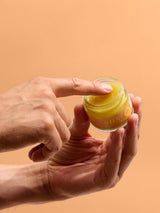
- Put a small amount of hand cream on the backs of your hands, knuckles and fingertips and massage it in until the skin no longer looks noticeably shiny.
- Dry your feet thoroughly after showering, including between the toes. Put socks on only once the skin is dry.
- Put on gloves before you go out.
During the day, the rule for hands is: apply a little cream after washing, and rather a little several times a day than a lot once. A water-free cream leaves a film on the skin and protects it from drying out in wind and cold. It does not protect against frost. The reasons are set out under Cold cream: water-free, but no protection from frost.
In the evening: with a little more time
In the evening you can use more cream. You do not need to touch anything afterwards, and your feet are no longer in shoes.
- Wash hands and feet with lukewarm water and dry them.
- Hands: a little more cream than in the morning, aimed at fingertips, nail edges and knuckles. If you like, pull thin cotton gloves over the top.
- Rough spots, for example at the edges of the thumbs or on the knuckles: apply a thin layer of a salve.
- Feet: rub the solid cream directly over heels and the balls of the feet, massage it in with your hands and put on cotton socks. Leave the spaces between the toes free.
- About once a week: smooth the hard skin on your heels with a pumice stone or a file, taking off the top layer only.
Why fingertips and heels in particular tend to crack is explained in the guides Cracked fingertips in winter and Why heel skin gets so thick and cracks. What the sock over the cream does is covered under Foot cream overnight with socks. Amounts and technique are shown in How do I apply a solid cream correctly?
Common mistakes
- Washing with hot water to warm up your hands. Hot water dissolves more of the skin's own lipids. Lukewarm is enough.
- Using too much cream. A solid cream contains no water that evaporates. If you take the amount you are used to from a tube, you end up with a shiny film on the skin.
- Reaching into the tin with wet fingers. Water does not belong on the cream. Dry your hands first, then apply.
- Forgetting your feet until spring. Dry hard skin becomes stiff and can crack at the edge of the heel. A little care every evening keeps it supple.
- Removing hard skin with a blade or a callus plane. A thin layer of hard skin protects the heel. If too much is taken off, the skin responds by forming new hard skin.
Winter care from forpeople
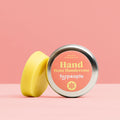
According to their ingredient lists, our solid hand and foot creams contain no water. You rub them directly over the skin, and the warmth of your skin softens the surface.
- Solid Hand Cream - Beeswax, 30 g in a metal tin: made from beeswax, olive oil and sunflower oil, with extracts of St. John's wort and aloe vera, with no added scent. When the tin is empty, you refill it with the Solid Hand Cream Refill - Beeswax.
- Solid Foot Cream – Rosemary & Sage, 40 g in a metal tin: made from sunflower oil, beeswax, olive oil and shea butter, with essential oils of rosemary, eucalyptus and clary sage. It contains eucalyptol and camphor and is not suitable for children under 7. For refilling there is the Solid Foot Cream Refill - Rosemary & Sage.
- Beeswax Salve Larch & Mandarin in a Glass Jar, 50 g: a salve made from olive oil, almond oil, castor oil, beeswax and larch resin for rough spots in the evening. It contains propolis and essential oils; please read the notes on resin and propolis first.
- Protection Set for Dry Hands, Feet & Lips: hand cream, foot cream, lip care and beeswax salve together.
Do not use the products on injured skin. If you notice a skin reaction, stop using them.
Frequently asked questions
How often should I apply cream in winter?
Your hands after every wash with a small amount, and a little more in the evening. Your feet once a day, ideally in the evening.
Does a rich cream protect against the cold?
It protects the skin from drying out in wind and cold, but not against frost. A film of cream does not warm the skin. Gloves, warm socks and dry shoes are still needed.
Why is my solid cream harder in winter?
Waxes become firmer in the cold. Hold the tin in your hand for a moment or rub your palm over the surface a few times. The warmth of your skin softens the top layer.
When should I get medical advice?
If cracks are deep, bleed or hurt, if the skin is very red or weeping, or if fingers or toes stay cold, discoloured or numb. If you have diabetes or circulation problems, changes to your feet should be looked at by a doctor or podiatrist.




Leave a comment
This site is protected by hCaptcha and the hCaptcha Privacy Policy and Terms of Service apply.