



What a short list does and does not do
The benefit is simple arithmetic: a substance that is not in the product cannot trigger anything. If your skin reacts to a product with five ingredients, five substances are possible causes, not thirty. How the list is structured is explained on the page How to Read an INCI List. The limits matter just as much:
| What the list shows | What it does not show |
|---|---|
| Which substances were used intentionally, in descending order of weight | The amount. Percentages are missing, and below 1% the order is free (Regulation (EC) No 1223/2009, Art. 19). |
| Each raw material as one entry | How many individual substances are in one entry. An essential oil or a plant extract is itself a mixture whose composition can vary (SCCS 2012). |
| Whether fragrance, water, a preservative or an emulsifier is included | Whether you tolerate the product. Only use will show that. |
| How many substances there are | How safe the product is. Every cosmetic product in the EU has to be safe and undergo a safety assessment, whether it has 5 or 40 ingredients (Regulation (EC) No 1223/2009, Art. 3 and 10). |
“Natural” does not mean “suits every skin”: in 2012 the EU's Scientific Committee on Consumer Safety (SCCS) classed a total of 82 fragrance substances as established triggers of allergy on skin contact in humans, 54 single chemicals and 28 natural extracts (SCCS 2012). More on this under Essential Oils and Fragrance Allergens.
Why water-free formulas can be shorter
Many entries in a classic cream are a consequence of the water. Water and oil do not mix, so an emulsifier is needed. Where there is water, germs can grow, so the product needs protection. This usually means preservatives, that is, substances intended to inhibit the development of micro-organisms (Regulation (EC) No 1223/2009, Art. 2).
A water-free formula made of oils, butters and waxes has no water phase. An emulsifier and a preservative are then generally not needed, and the list gets shorter; the background is on the page Preservation and Water in Cosmetics. This follows from how the product is built and is not a verdict on quality: in products that contain water, both have a job to do.
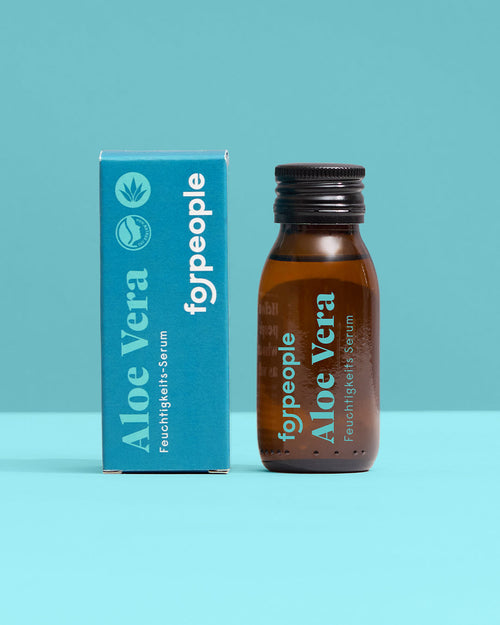
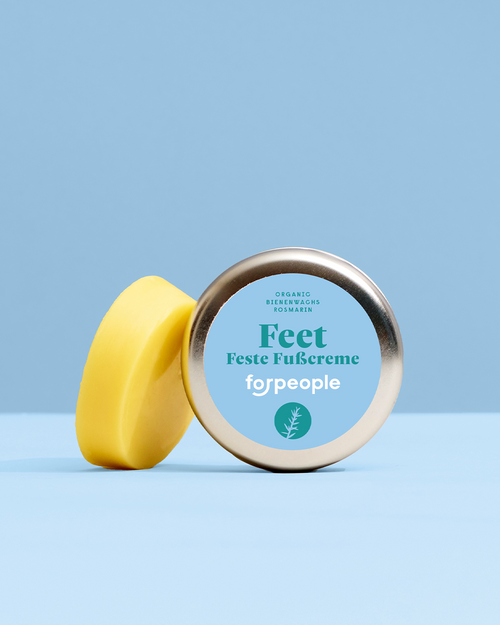
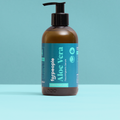
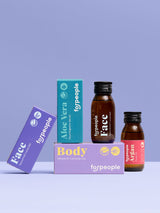
Conversely, short does not mean water-free. The Aloe Vera Serum 99.6% has four entries, but it is based on aloe leaf juice and therefore contains two preservatives. And water-free does not mean short: with its essential oils, the Solid Foot Cream – Rosemary & Sage comes to twelve entries.
How to compare two lists
- Back, not front: What counts is the list under “Ingredients”.
- Like with like: Compare cream with cream and soap with soap. A soap often has more entries, because several oils, lye and water are part of it.
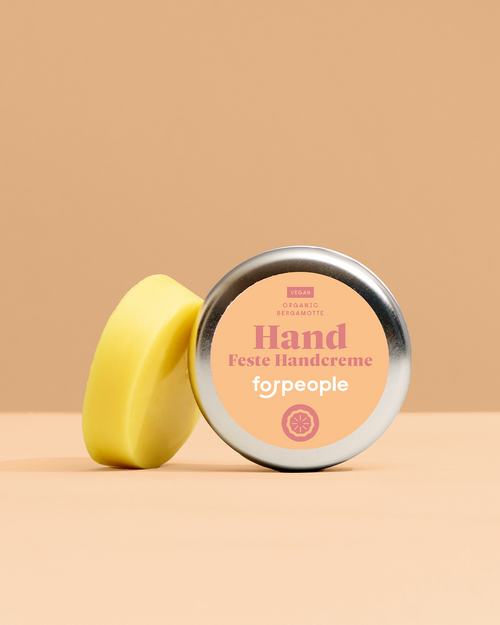
- Count correctly: Linalool, Limonene or Citral at the end of the list are often not substances added on their own, but constituents of an essential oil or a fragrance blend. Above 0.001% they have to be named individually in products that stay on the skin (Regulation (EC) No 1223/2009, Annex III). An example: the vegan Solid Vegan Hand Cream - Bergamot has eleven entries, seven raw materials and four individually named fragrance substances from lemon and bergamot oil.
- Look for fragrance: “Parfum”, essential oils with a Latin plant name and the individual substances mentioned, see Without fragrance and essential oils: ingredients at a glance.
- Look for water: If “Aqua” or a plant juice is at the front, you will usually also find preservatives and emulsifiers in creams and lotions.
- Look for your substances: A single entry you do not tolerate weighs more than ten you get on with. Remember the INCI name.
“Hypoallergenic” and “sensitive”: what the front of the pack tells you
In the EU, claims about cosmetics have to be truthful, supported by evidence and honest (Regulation (EU) No 655/2013). For “hypoallergenic” there is a technical document endorsed by the Working Group on Cosmetic Products, which is chaired by the European Commission: the term requires that the product has been designed to keep its allergenic potential low, and it does not promise a complete absence of risk. The document is not legally binding (Technical document on cosmetic claims 2017). It contains no rule of its own for “sensitive”; more on this under Fragrance-free deodorant: what to look for with sensitive underarms.
That the front of the pack and the list can differ is shown by an analysis from the USA, where different rules apply: of 174 best-selling body moisturisers, 18 carried the claim “hypoallergenic”, and 15 of those contained at least one substance from the test series of a North American specialist group for allergy testing (Xu et al. 2017). This cannot be transferred directly to Europe. The conclusion stays the same: read the list.
forpeople products by number of INCI entries
As of 3 October 2026, counted from the ingredient lists on the product pages; sets are not listed. Each name separated by a comma is one entry. The column “Breakdown” separates raw materials from individually named fragrance substances such as Linalool or Limonene, which are constituents of an essential oil or of the larch resin. Essential oils themselves count as raw materials. A dash means: no essential oil according to the INCI list. The list on the packaging is authoritative.
| Product | INCI entries | Breakdown: raw materials + individually named fragrance substances | Fragrance according to the INCI list |
|---|---|---|---|
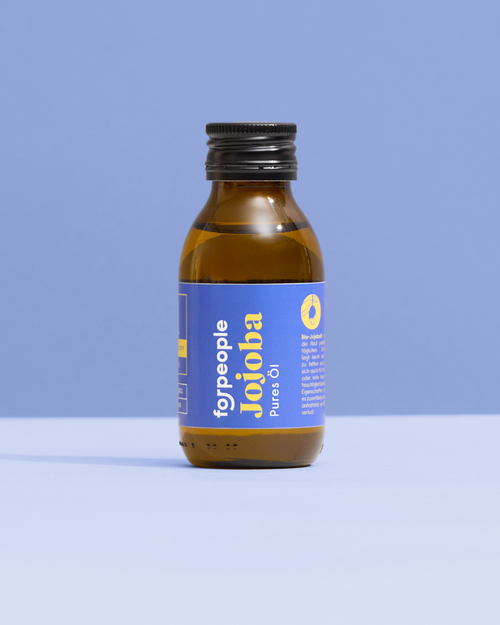
| Jojoba Oil - pure, Argan Oil - pure, Almond Oil - pure, Wild Rose Seed Oil - pure | 1 each | 1 + 0 | – |
| Aloe Vera Serum 99.6% (50 ml, 250 ml, pump bottle) | 4 | 4 + 0 | –; water-based, two preservatives |
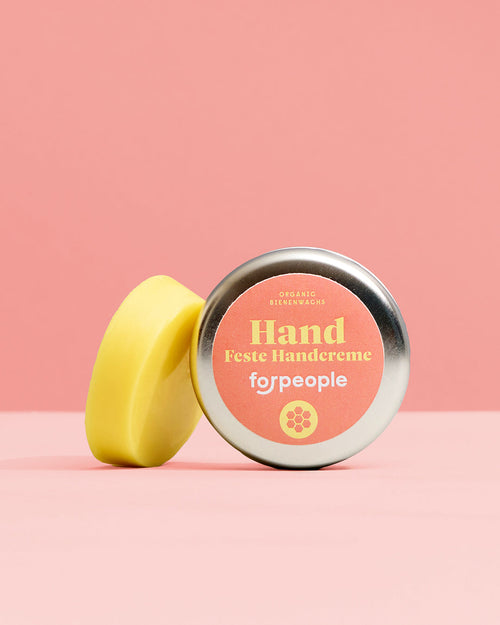
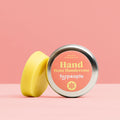
| Solid Hand Cream - Beeswax (also refill and 8 g tin) | 5 | 5 + 0 | – |
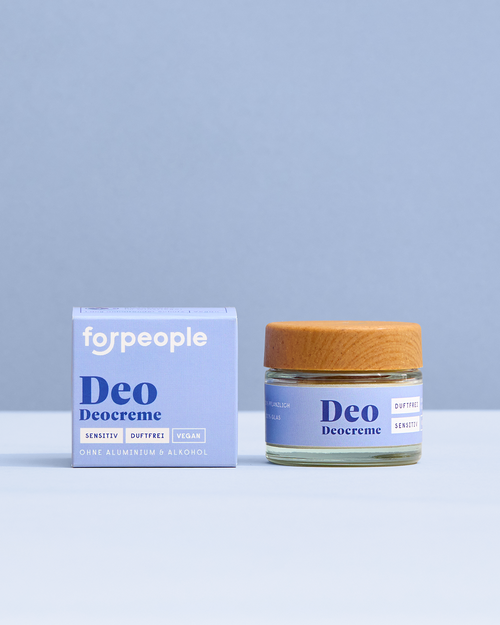
| Sensitive Deodorant Cream | 6 | 6 + 0 | – |
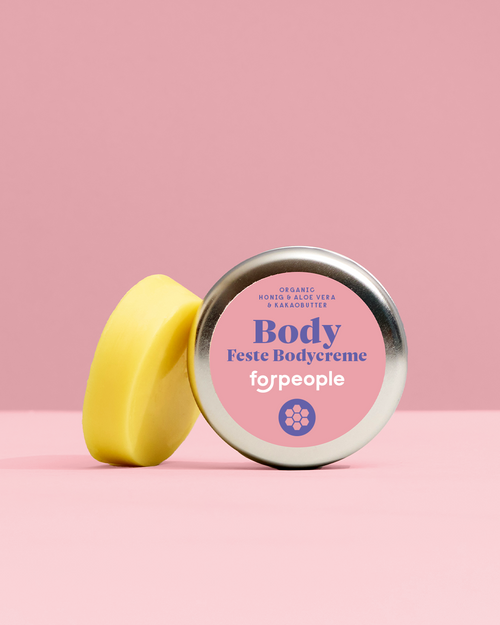
| Solid Body Butter - Beeswax & Aloe Vera (also refill and mini) | 6 | 6 + 0 | – |
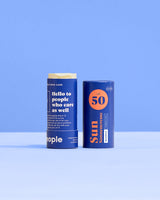
| Solid Sunscreen SPF50 (also mini) | 6 | 6 + 0 | – |
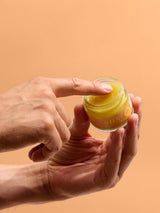
| SOS Pitch Salve - Larch Resin (glass jar and tin) | 7 | 3 + 4 | –; four constituents of the larch resin named individually |
| Solid Sunscreen SPF50 Mini - Shade LIGHT SAND, Solid Sunscreen SPF50 Mini - OCEAN BLUE | 8 each | 8 + 0 | –; with colour pigments |
| Face Oil - Lavender (also large) | 8 | 6 + 2 | Lavender oil |
| Body Oil - Lemongrass (also large) | 9 | 6 + 3 | Lemongrass oil |
| Body Oil - Cinnamon & Cloves | 9 | 6 + 3 | Oils from Curcuma aromatica, cinnamon leaf and orange |
| Lip Balm - Lemongrass | 10 | 7 + 3 | Lemongrass oil |
| Solid Vegan Hand Cream - Bergamot (also refill) | 11 | 7 + 4 | Lemon and bergamot oil |
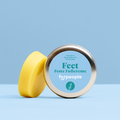
| Solid Foot Cream – Rosemary & Sage (also refill and travel size) | 12 | 9 + 3 | Rosemary, eucalyptus and clary sage oil |
| Lip Balm - SPF15 Almond & Vanilla | 12 | 12 + 0 | –; vanilla extract |
| Deodorant Cream - Lemon | 13 | 8 + 5 | Bergamot and lemongrass oil |
| Beeswax Salve Larch & Mandarin (glass jar and tin) | 16 | 10 + 6 | Mandarin, rosemary and fir oil; plus larch resin and propolis |
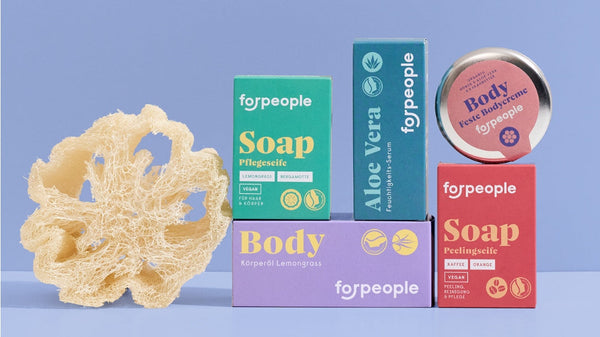
| Aloe Vera Soap - Lemongrass | 18 | 13 + 5 | Lemongrass and bergamot oil |
| Aloe Vera Soap with Scrub - Coffee & Orange | 18 | 15 + 3 | Orange and bitter orange oil |
| Aloe Vera Soap – Eucalyptus & Sage | 20 | 14 + 6 | Eucalyptus and sage oil |
| Aloe Vera Soap – Rosemary & Lemon | 21 | 14 + 7 | Rosemary and lemon oil |
| Aloe Vera Soap – Lavender | 23 | 14 + 9 | Lavandin and lavender oil |
Among the solid creams, the shortest list belongs to the Solid Hand Cream - Beeswax with five entries; the Sensitive Deodorant Cream, the Solid Body Butter - Beeswax & Aloe Vera and the Solid Sunscreen SPF50 have six each. They too consist of substances that individual people can react to: beeswax, plant oils, extracts of St. John's wort and aloe, and baking soda in the deodorant cream.
When to seek medical advice?
Seek medical advice if your skin reacts to many different products, if reactions keep coming back, or if redness does not subside after you stop using a product, the skin weeps, forms small blisters, swells or itches badly. Behind the impression “I react to everything” there can be a contact allergy to a single, widely used substance, or a skin condition such as atopic dermatitis. This cannot be read from the ingredient list. A skin specialist can use a patch test to check whether there is a contact allergy. Afterwards you know the names you have to avoid, and only then does the short list become a targeted tool.
Experts describe sensitive skin as unpleasant sensations such as burning, stinging or tingling in response to stimuli that do not normally provoke them, and that cannot be explained by a skin disease (Misery et al. 2017). Whether this applies to you is also something for the specialist to clarify.
Frequently asked questions
Is a cream with few ingredients automatically better tolerated?
No. It contains fewer possible triggers, but whether you tolerate the substances it does contain will only show in use. How to try a new product carefully is described on the page Trying a new product: how do I test it on a small area?
How many ingredients make a list short?
There is no fixed threshold. In the forpeople range, the lists run from one entry for the pure oils to 23 for the solid soap with lavender. Always compare within one type of product.
Are natural ingredients better tolerated than synthetic ones?
The origin of a substance says nothing about whether your skin tolerates it. Resins, propolis or essential oils are natural substances too, and people can react to them; more on this under Allergic to tree resin, colophony or propolis?
Does a product with a short list smell of nothing?
Not necessarily. Raw materials such as beeswax or shea butter have a smell of their own, even when no fragrance is added. More on this on the page Why does beeswax smell of honey, and why does the scent change?
Is “no preservatives” an advantage?
It follows from the formula. Water-free products generally manage without them, while products that contain water need protection against germs.
At forpeople
The pages of the individual products show the full INCI list. It tells you what is in the product and what is not; whether you tolerate a product will only show in use.
- Solid Hand Cream - Beeswax, 30 g, €9.90: five entries, no essential oil according to the INCI list
- Solid Body Butter - Beeswax & Aloe Vera, 40 g, €9.90: six entries, no essential oil according to the INCI list
- Sensitive Deodorant Cream, 50 g, €8.90: six entries, no essential oil according to the INCI list, contains baking soda. “Sensitive” is the product name and stands for the formula without added fragrance and without essential oils.
- Jojoba Oil - pure, 100 ml, €16.90: one entry
More on this: Without fragrance and essential oils: ingredients at a glance · Water-free cosmetics: what they are and what to look out for · Trying a new product: how do I test it on a small area?
From the blog: Less in the bathroom: a skincare routine with three products · What goes into the solid foot cream – and why
Sources
- Verordnung (EG) Nr. 1223/2009 des Europäischen Parlaments und des Rates vom 30. November 2009 über kosmetische Mittel, Art. 2, 3, 10 und 19 sowie Anhang III. ABl. L 342 vom 22.12.2009, S. 59. eur-lex.europa.eu/eli/reg/2009/1223/oj
- Verordnung (EU) Nr. 655/2013 der Kommission vom 10. Juli 2013 zur Festlegung gemeinsamer Kriterien zur Begründung von Werbeaussagen im Zusammenhang mit kosmetischen Mitteln. ABl. L 190 vom 11.7.2013, S. 31. eur-lex.europa.eu/eli/reg/2013/655/oj
- Sub-Working Group on Claims (2017): Technical document on cosmetic claims. Fassung vom 3. Juli 2017, Anhang III („Free from claims“) und Anhang IV („Hypoallergenic claim“), anzuwenden ab 1. Juli 2019. ec.europa.eu/docsroom/documents/24847
- Scientific Committee on Consumer Safety (SCCS) (2012): Opinion on fragrance allergens in cosmetic products. SCCS/1459/11, verabschiedet am 26.–27. Juni 2012. ec.europa.eu – sccs_o_102.pdf
- Xu S, Kwa M, Lohman ME, Evers-Meltzer R, Silverberg JI (2017): Consumer Preferences, Product Characteristics, and Potentially Allergenic Ingredients in Best-selling Moisturizers. JAMA Dermatol 153(11): 1099–1105. https://doi.org/10.1001/jamadermatol.2017.3046
- Misery L, Ständer S, Szepietowski JC et al. (2017): Definition of Sensitive Skin: An Expert Position Paper from the Special Interest Group on Sensitive Skin of the International Forum for the Study of Itch. Acta Derm Venereol 97(1): 4–6. https://doi.org/10.2340/00015555-2397