


What changes in the skin
The final menstrual period, the menopause, occurs on average at the age of 51. Even before that, the ovaries gradually produce less oestrogen and progesterone. Both hormones also act on the skin (IQWiG 2023).
Sebum: In women, sebum output declines gradually after the menopause; after the seventh decade of life it hardly changes any more. The authors name declining androgen production as the most likely explanation, not oestrogen (Pochi et al. 1979).
Lipids of the stratum corneum: A British research group compared 28 healthy white women aged 39 to 63: 7 before the menopause, 11 after it, and 10 after it who were taking hormone therapy. The samples came from sun-protected skin on the buttock. After the menopause the stratum corneum contained fewer ceramides, and they were shorter on average. In the group on hormone therapy this was absent or less pronounced. The higher the oestradiol level, the more and the longer the ceramides (Kendall et al. 2022). Ceramides are among the lipids that seal the stratum corneum; more on this under The skin barrier explained simply.
Established, assumed, open
- Established: Sebum output declines gradually after the menopause. In one small sample, the stratum corneum then contained fewer and shorter ceramides. Dry skin is widespread after the menopause: in a US survey from the early 1970s with 3,875 women, physicians found it in 36.2 per cent of those examined (Dunn et al. 1997). The survey includes no comparison with women before the menopause.
- Assumed: That the altered ceramides make the skin noticeably drier. The study did not measure dryness. That other body sites look similar to the buttock is something the research group expects; it did not measure it. It regards the hormones as the cause. That is not proven: the women before the menopause were around eleven years younger on average, and who took hormones was not decided by lot (Kendall et al. 2022).
- Open: How much the hormonal change dries out body skin. In a series of measurements on 150 women aged 18 to 80, the amount of sebum fell markedly with age, but the water content of the stratum corneum and water loss were only weakly related to age (Luebberding et al. 2013). Comparisons involving hormone therapy are inconsistent. In the US survey, women who had taken oestrogen had dry skin less often; that is an association, not proof of a cause (Dunn et al. 1997). In a study with 40 women who were assigned by lot to hormones or a placebo, the measurements, including skin hydration and surface lipids, did not differ significantly between the groups after seven months (Sator et al. 2007).
These papers describe relationships in the skin. They do not answer whether hormone therapy is an option for you. That is a medical decision that involves far more than the skin; this page neither recommends it nor advises against it. The ceramide study was co-funded by a cosmetics manufacturer.
Which care for which area
| Body area | What has proved useful | What to watch for |
|---|---|---|
| Legs, especially shins | oil on still-damp skin after showering; a solid butter on rough patches | on the leg the skin produces particularly little sebum |
| Arms, elbows, trunk | oil after showering; solid butter on the elbows | thin during the day so that nothing stays on your sleeve |
| Back, shoulders, décolleté | little: a water-based serum or a few drops of a light oil | where you sweat, a thick layer of fat soon feels sticky |
| Hands | solid cream after washing, richer in the evening | separate page: Why do hands get drier with age? |
The table describes common care practice, not measurements. The sebum figures for the leg are under Why are shins dry and flaky in winter?; the difference between oil and butter is shown under Body Oil or Body Butter – Which One When?
A routine for morning and evening
In the morning, after showering: Shower briefly with lukewarm water and pat yourself dry until the skin is still slightly damp. Then the rule is water-based before oil-based: first a water-based serum, then a few drops of oil on top. The order is explained under Combining aloe vera serum with oil or solid cream. Apply oil only once you are out of the shower; it makes the floor slippery.
In the evening: Shins, elbows and other rough patches get a solid butter or another round of oil. If you sweat at night, leave your upper body free or use only the water-based serum there. Hot flushes and sweats are the most common complaints of these years and can disturb sleep at night (IQWiG 2023). Skincare does not change that.
What skincare cannot do
- Cosmetics do not replace hormones and do not act on your hormone balance.
- An oil or a butter adds fat to the skin surface and slows evaporation. They do not change how many ceramides the skin produces. Our oils and the body butter contain no ceramides. Whether ceramides in skincare products make up for the difference that was measured is something the study did not examine.
- Oil and butter contain no humectants such as urea or glycerin, which bind water in the stratum corneum. How the two complement each other is explained under Urea or water-free cream? Rough heels and dry hands.
- Skincare does not change hot flushes, sleep or mood.
- It does not make skin firmer and does not alter pigment spots. An oil is not sun protection.
When to seek medical advice?
Cosmetics care for intact skin; they do not treat medical conditions. Dry skin has many possible causes; not everything that falls into these years is down to hormones. Have your skin looked at by a doctor if it itches severely or persistently, if it reddens, weeps or cracks, if sharply defined, scaly patches appear, if spots newly develop or change, if the dryness begins suddenly or coincides with a new medication, or if nothing changes after a few weeks of care.
If menopausal complaints are weighing on you, your gynaecologist or GP is the right place to go; questions about hormone therapy belong there too. Dry mucous membranes are a separate, medical matter; this page deals only with the skin on arms, legs and trunk. Do not apply skincare products to broken or irritated skin.
Frequently asked questions
Does the dry skin come from hormones or from age?
Probably from both. Sebum output declines gradually after the menopause, not abruptly, and a small study then found fewer and shorter ceramides. How large the share of the hormones is cannot be read reliably from the studies available.
Do I now need skincare with ceramides?
That cannot be concluded from the study. It measured differences in the stratum corneum but did not test any skincare products. Our oils and the body butter contain no ceramides.
What do I use if I sweat at night and my skin is still dry?
Go by body area. Give shins and arms rich care in the evening. On your upper body, use little or only a water-based serum.
Does the serum go on before or after the oil?
Before. Apply the water-based serum first, let it sink in briefly, then add a few drops of oil on top. The other way round, the serum beads on the film of oil.
Which oil do I choose if I do not want a scent?
A pure oil. According to its ingredient list, the jojoba oil consists of the oil alone. Body Oil Lemongrass contains lemongrass essential oil; the list names citral, geraniol and citronellol. How to test something new beforehand is described under Trying a new product: how do I test it on a small area?
At forpeople
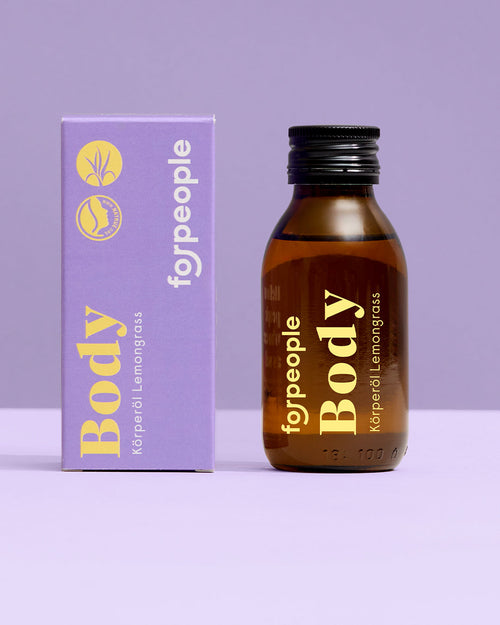
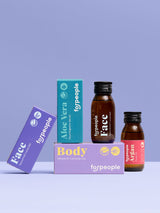
- Body Oil - Lemongrass, 100 ml, €16.90: sesame, safflower, sea buckthorn seed and sunflower oil with turmeric extract and lemongrass essential oil.
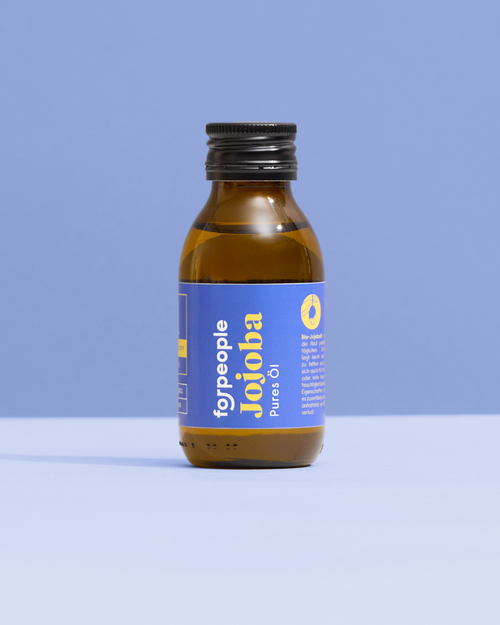
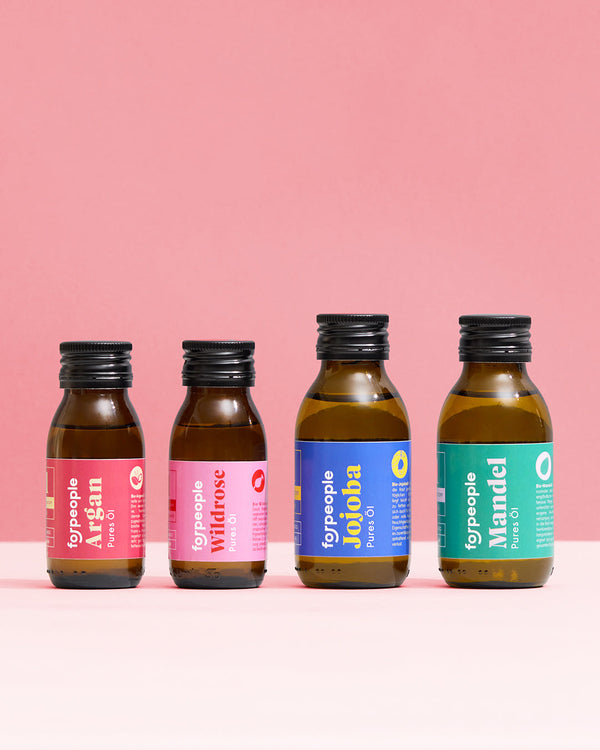
- Jojoba Oil - pure, 100 ml, €16.90: a single oil, with no added scent according to the ingredient list; chemically a liquid wax that feels light.
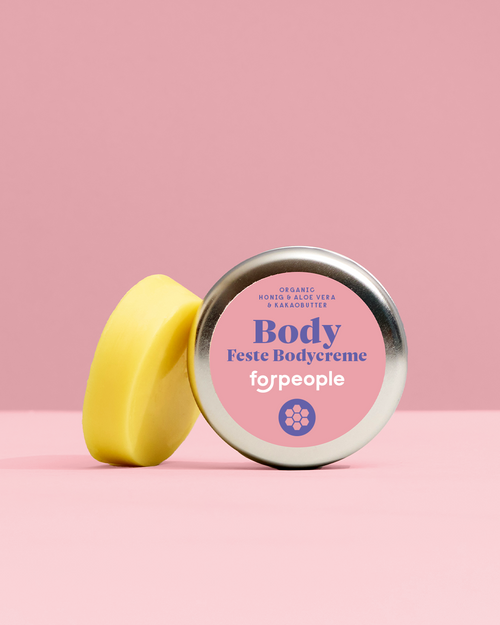
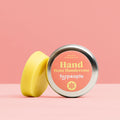
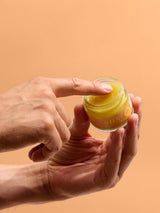
- Solid Body Butter - Beeswax & Aloe Vera, 40 g, €9.90: water-free, made of cocoa butter, olive oil, beeswax, sunflower oil, shea butter and aloe vera leaf extract; for very dry patches.
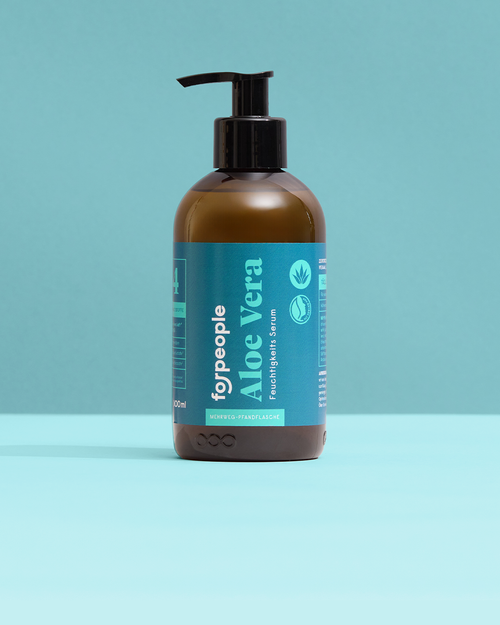
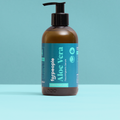
- Aloe Vera Serum 99.6% - Pump Bottle, 300 ml, €27.90: the water-based layer under oil or butter; according to the list, aloe vera leaf juice, citric acid and the preservatives potassium sorbate and sodium benzoate.
All four are for external use only. Do not use them on injured or irritated skin.
More on this: Why does body skin get drier with age? · Moisturising your body: morning or evening? · Jojoba oil: why it is a liquid wax
From the blog: Face & Body Oils: Which Oil Suits Which Skin Type?
Sources
- Pochi PE, Strauss JS, Downing DT (1979): Age-related changes in sebaceous gland activity. Journal of Investigative Dermatology 73(1): 108–111. https://doi.org/10.1111/1523-1747.ep12532792
- Kendall AC, Pilkington SM, Wray JR, Newton VL, Griffiths CEM, Bell M, Watson REB, Nicolaou A (2022): Menopause induces changes to the stratum corneum ceramide profile, which are prevented by hormone replacement therapy. Scientific Reports 12: 21715. https://doi.org/10.1038/s41598-022-26095-0
- Luebberding S, Krueger N, Kerscher M (2013): Age-related changes in skin barrier function – quantitative evaluation of 150 female subjects. International Journal of Cosmetic Science 35(2): 183–190. https://doi.org/10.1111/ics.12024
- Dunn LB, Damesyn M, Moore AA, Reuben DB, Greendale GA (1997): Does estrogen prevent skin aging? Results from the First National Health and Nutrition Examination Survey (NHANES I). Archives of Dermatology 133(3): 339–342. https://doi.org/10.1001/archderm.133.3.339
- Sator PG, Sator MO, Schmidt JB, Nahavandi H, Radakovic S, Huber JC, Hönigsmann H (2007): A prospective, randomized, double-blind, placebo-controlled study on the influence of a hormone replacement therapy on skin aging in postmenopausal women. Climacteric 10(4): 320–334. https://doi.org/10.1080/13697130701444073
- Institut für Qualität und Wirtschaftlichkeit im Gesundheitswesen (IQWiG) (2023): Wechseljahrsbeschwerden. gesundheitsinformation.de, aktualisiert am 2. Januar 2023. https://www.gesundheitsinformation.de/wechseljahrsbeschwerden.html