







The problem: the skin flakes after a cast, bandage or surgery
The cast is off, and underneath is skin you barely recognise: pale, dry and flaky, the hair looks darker, the arm or leg thinner. This is how patient leaflets from British hospitals describe it; they call the thinner limb normal, and the muscles build up again with movement (Royal Berkshire NHS 2025), (Kingston and Richmond NHS 2025). The skin needs a few days of care and patience.
Things look similar after an operation or a longer hospital stay. Around the scar the skin feels tight, at the edges of plasters it is red or rough, and over the whole body the legs and feet are often the driest. In a survey in six German hospitals and 14 nursing homes, 42.2 per cent of hospital in-patients had dry skin; severe forms were more common in hospital than in nursing homes, and the feet and legs were affected most often (Lichterfeld et al. 2016). If you are discharged in autumn or winter, your skin meets dry heated air at home.
Why the skin is so dry after a cast or surgery
Under a cast, everything stays put. The outer layer of the skin renews itself constantly. Its outermost cells normally come off unnoticed, through washing, drying and friction against clothing. This last step is easily disturbed; when it is, the skin becomes dry and flaky (Rawlings & Harding 2004). Under a cast, all of this is missing for weeks: no washing, no moisturising, nothing rubbing off the flakes. At the same time the cast has to stay dry, because damp padding irritates the skin (OrthoInfo). How the outer skin layer is built is explained in The skin barrier explained simply.
Plasters and adhesive dressings. Medical adhesives can take the top layer of skin with them when they are pulled off. A consensus paper describes such skin injuries as common but often overlooked; they can occur when the right technique is not used for applying or removing adhesive products (McNichol et al. 2013).
Hospital and bed rest. In hospital, you are often washed by others and can do less of your own skincare. In the German survey, people who could look after their own skin had dry skin less often; musculoskeletal conditions and cancer were associated with it more often (Lichterfeld et al. 2016). After an operation, new medicines are often added; which ones can dry out the skin is explained in Dry skin from medication.
Anaesthesia. We have found no evidence that the anaesthetic itself dries out the skin. The circumstances around it are more likely: disinfection, plasters, lying down, less care and dry indoor air.
Autumn and winter. Low humidity and low temperatures reduce the barrier function of the skin (Engebretsen et al. 2016). Freshly uncovered skin that is already dry feels this in particular; what helps is explained in Humidity and skin: what dry heated air does and what helps, how to shower in winter in Itchy skin in winter: showering, care and when to see a doctor.
The solution step by step
| Step | What you do | Why |
|---|---|---|
| After the cast comes off | wash the skin with lukewarm water and a little soap, pat dry with a clean towel | this is what patient leaflets recommend after cast removal |
| Flakes | do not rub, peel or scrape them off; do not remove thick dry patches | the skin underneath is sensitive and would otherwise get sore |
| Every day | apply an unperfumed, fat-based product to unbroken skin, several times a day if needed, until the skin looks normal again | it keeps the flakes supple until they come off |
| Wound and scar | leave out the wound, stitches and fresh scar until your doctor allows care there; do not soak the arm or leg until the wound is dry and closed | a wound is an entry point for germs; soaking can break down the skin |
| Showering and bathing | after an operation, shower as your doctor tells you; bath and sauna only once the wound has fully closed | showering is usually possible after 48 hours |
| Shaving | wait to shave your legs until the skin is back to normal | freshly uncovered skin is sensitive |
| Plasters | change plasters and adhesive dressings as the nursing team shows you, and pull them off slowly | removing them the wrong way can take the top layer of skin with it |
| After hospital | moisturise and look at your legs and feet every day, with help if needed; do not overheat rooms | feet and legs are the most frequently dry areas |
Sources for the table: Royal Berkshire NHS 2025, Kingston and Richmond NHS 2025, ÄZQ 2022, McNichol et al. 2013, Lichterfeld et al. 2016. "Pull off slowly" and "several times a day" are common practice. When to moisturise after a shower is explained in How soon should you moisturise after a shower? The 3-minute rule.
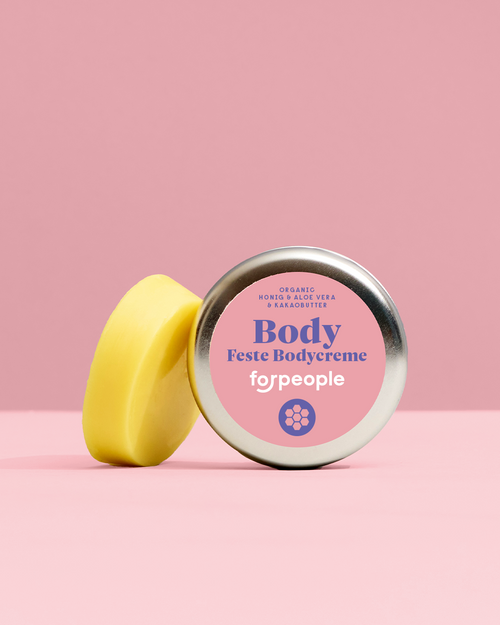
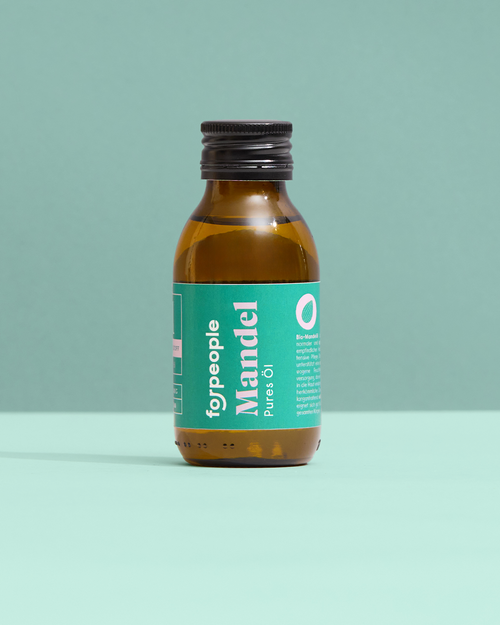
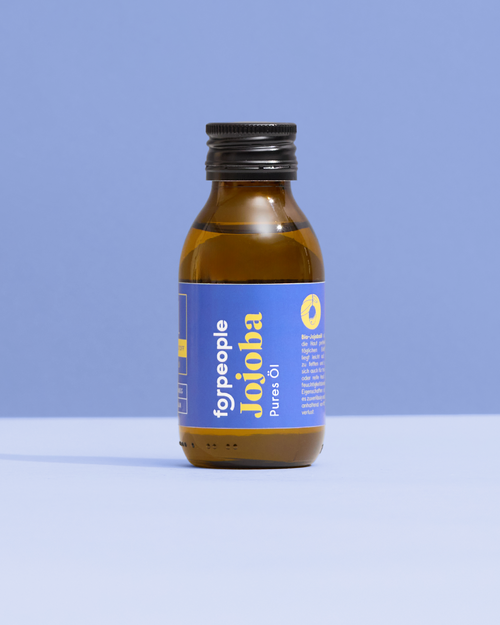
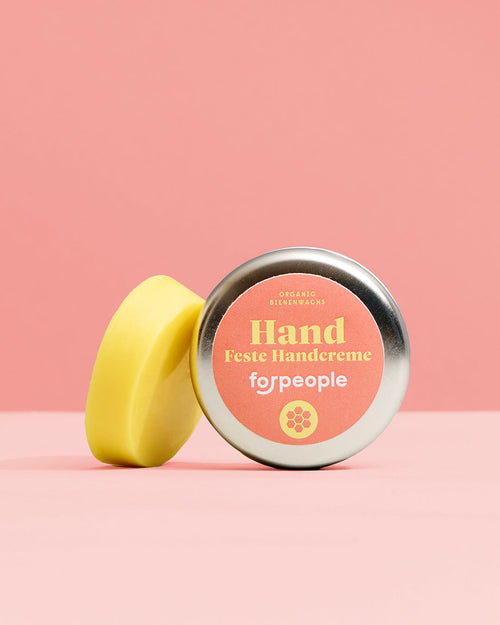
After a procedure, we only recommend care without essential oils and without perfume, and only for closed, unbroken skin. On a leg or arm, the Solid Body Butter - Beeswax & Aloe Vera, made from six ingredients, is a good fit. On larger areas, the Almond Oil - pure spreads more easily; according to its product page, the Jojoba Oil - pure is meant for dry and stressed areas of skin. After a cast on the hand or wrist, the Solid Hand Cream - Beeswax is made for the dry, rough hand. Leave out the wound, stitches and scar until your doctor gives the go-ahead. We make no claims about the appearance of scars.
What helps, and what tends not to
| Measure | Assessment |
|---|---|
| Unperfumed, fat-based care on unbroken skin | fits; this is what patient leaflets recommend after cast removal |
| Rubbing off flakes, scrubs, pumice stone or brush | tends not to help: the skin underneath is thin and quickly gets sore. The flakes come off bit by bit. |
| A long bath to soften the flakes | only once no wound is open; do not soak before then |
| Powder or deodorant under the cast when it itches | tends not to help; orthopaedic surgeons advise against it |
| Scratching under the cast with a knitting needle or coat hanger | tends not to help: risk of injury under the cast that nobody can see |
| Cream, oil or ointment on the wound, stitches or fresh scar | tends not to help as long as your doctor has not allowed it |
| Scented care, essential oils, home remedies with lemon or vinegar | tends not to help on freshly uncovered, sensitive skin; more in Essential Oils and Fragrance Allergens |
| Shaving right after the cast comes off | tends not to help; wait until the skin is back to normal |
Sources: Royal Berkshire NHS 2025, Kingston and Richmond NHS 2025, OrthoInfo, ÄZQ 2022.
Common mistakes
- Pulling off the flakes in one go. Whatever is still attached is not ready yet; underneath is thin, sensitive skin.
- Applying a thick layer to the scar as well before your doctor has given the go-ahead.
- Taking a long, hot bath to get rid of everything at once. This dries the skin out further and softens a wound that is still fresh.
- Scratching under the cast or sprinkling powder inside.
- Taking warning signs for "just dry skin". Pain, swelling and warmth have other causes.
- Only caring for the areas you can reach easily. After a hospital stay, the feet and lower legs in particular are dry; ask for help if bending down is difficult. Tips on applying care safely are in Dry skin in old age: causes, winter care and applying oil safely.
When to get medical advice
Care products are for dry, unbroken skin. For anything to do with the injury, the operation or the wound, your doctor's instructions apply.
While the cast is on, contact your doctor or the emergency department straight away if pain increases and the cast feels too tight, if your hand or foot feels numb or tingles, if there is burning, if there is marked swelling below the cast, or if you can no longer move your fingers or toes. Red or raw skin at the edge of the cast and itching that does not let up also need to be seen by a doctor (OrthoInfo).
After an operation, get medical advice promptly if the pain gets worse, the skin around the wound is red, warm and swollen, pus comes out, or you get chills and a fever. High fever, a fast pulse and confusion can be the beginning of blood poisoning (sepsis); then call the emergency number (112 in Germany) (ÄZQ 2022).
With a leg in a cast or after leg surgery, see a doctor straight away if one leg feels tense, heavy or has a pulling pain, if it swells, turns reddish to bluish or feels warmer than the other. These can be signs of a thrombosis; if a clot breaks off and reaches the lungs, it is life-threatening (APS 2016). If you suddenly become short of breath or have chest pain, call the emergency number.
See your doctor in the next few days if blisters form under a plaster or the skin tears, if a rash appears after a new medicine, or if after a few weeks of care the skin is still flaking, itching badly or cracking.
Frequently asked questions
Why is the skin so flaky after a cast?
Under the cast, the skin was not washed or cared for for weeks, and nothing rubbed off the outermost skin cells. They are still on the skin and are now coming off.
How do I get rid of the flakes after a cast?
Not by force. Wash the skin in lukewarm water, pat it dry and apply an unperfumed, fat-based product every day. The flakes then come off bit by bit on their own.
When can I moisturise my scar?
That is decided by the practice that operated or removes the stitches. Until then, leave out the wound, stitches and scar and care only for the skin next to them.
Why is my skin so dry after a hospital stay?
Frequent washing, little care, lying down, disinfection, new medicines and dry indoor air all come together. In one survey in German hospitals, more than 40 per cent of patients had dry skin, most often on the feet and legs.
Does anaesthesia cause dry skin?
We have not found any evidence of this. The circumstances around the operation are more likely. If your skin stays dry for weeks, mention it to your doctor.
Can I shower after the operation?
Usually after 48 hours, unless your doctor says otherwise. Avoid baths and the sauna until the wound has fully closed.
What should I do if it itches under the cast?
Do not push anything inside and do not sprinkle powder in. If the itching does not let up or the skin at the edge turns red and raw, tell your doctor.
Can I shave my legs after the cast comes off?
Better to wait until the skin looks normal again. Until then it is sensitive.
At forpeople
Our products are care for dry, unbroken skin. They do not belong on wounds, stitches or fresh scars. According to their ingredient lists, the following products contain no essential oils and no perfume.
Solid Body Butter - Beeswax & Aloe Vera, 40 g, €9.90: cocoa butter, olive oil, beeswax, sunflower oil, shea butter and aloe vera extract; for dry areas on arms and legs.
Almond Oil - pure, 100 ml, €14.90: pure almond oil for larger areas.
Jojoba Oil - pure, 100 ml, €16.90: pure jojoba oil, a liquid wax; for dry, stressed areas of skin.
Solid Hand Cream - Beeswax, 30 g, €9.90: for dry, rough hands, for example after a cast on the wrist.
More on this: Body Oil or Body Butter – Which One When? · Trying a new product: how do I test it on a small area? · Reacting to a cosmetic: what to do, where to report, returns
Sources
- Royal Berkshire NHS Foundation Trust, Plaster Room (2025): Cast removal aftercare. Patient information, February 2025. https://royalberkshire.nhs.uk/media/0jop5gk3/cast-removal-aftercare_feb25.pdf
- Kingston and Richmond NHS Foundation Trust (2025): Aftercare following cast removal. Patient information, updated 3 January 2025. https://www.kingstonandrichmond.nhs.uk/patients-and-families/patient-leaflets/aftercare-following-cast-removal
- American Academy of Orthopaedic Surgeons, OrthoInfo: Care of Casts and Splints. Contributed and/or updated by Alex Gornitzky, accessed 29 October 2026. https://www.orthoinfo.org/en/recovery/care-of-casts-and-splints/
- Ärztliches Zentrum für Qualität in der Medizin (ÄZQ) on behalf of BÄK and KBV (2022): Operationswunde – Infektionen verhindern oder früh erkennen. Patient information, August 2022. https://www.bundesaerztekammer.de/fileadmin/user_upload/BAEK/Patienten/Patienteninformationen/operationswunde-kip.pdf
- Aktionsbündnis Patientensicherheit (APS) (2016): Nach Operation oder Verletzung: Thrombose in den Beinen vorbeugen. Patient information, 2nd edition, October 2016. https://aps-ev.de/wp-content/uploads/2024/06/161024_Thrombose_WEB.pdf
- Lichterfeld A, Lahmann N, Blume-Peytavi U, Kottner J (2016): Dry skin in nursing care receivers: A multi-centre cross-sectional prevalence study in hospitals and nursing homes. Int J Nurs Stud 56: 37–44. https://doi.org/10.1016/j.ijnurstu.2016.01.003
- McNichol L, Lund C, Rosen T, Gray M (2013): Medical adhesives and patient safety: state of the science: consensus statements for the assessment, prevention, and treatment of adhesive-related skin injuries. J Wound Ostomy Continence Nurs 40(4): 365–380. https://doi.org/10.1097/WON.0b013e3182995516
- Rawlings AV, Harding CR (2004): Moisturization and skin barrier function. Dermatol Ther 17(Suppl 1): 43–48. https://doi.org/10.1111/j.1396-0296.2004.04s1005.x
- Engebretsen KA, Johansen JD, Kezic S, Linneberg A, Thyssen JP (2016): The effect of environmental humidity and temperature on skin barrier function and dermatitis. J Eur Acad Dermatol Venereol 30(2): 223–249. https://doi.org/10.1111/jdv.13301