



How a nail is built and why it splits
The nail plate consists of around 25 layers of tightly packed, keratinised cells and is 0.5 to 1 mm thick. Between the cells sit fats that hold the layers together. When this cohesion weakens, the nail peels into fine horizontal layers at the free edge. This is typical of people who wash their hands very often (Chessa et al. 2020).
According to the review, up to 20% of the population are affected, especially women over 50. With age, nails become more brittle anyway and grow more slowly (Reinecke & Hinshaw 2020).
What water does to the nail
A nail takes up a lot of water. In a laboratory experiment, pieces of nail in a water bath gained 22% in weight within two hours, and the longer they lay in the water, the more flexible they became (Finlay et al. 1980). In air, the nail gives the water off again. The review sees the frequent change between swelling and drying out as a cause of fractures between the cell layers (Chessa et al. 2020).
A study from Hanover compared 511 people in occupations with a lot of water contact with a large comparison group. Of the women, 50% had brittle nails, compared with 30.4% in the comparison group. Among the men there was no difference. The conclusion is in the title of the paper: wet work increases brittleness but does not cause it (Lubach & Beckers 1992).
It is often said that brittle nails are simply too dry. In a study with 102 participants, brittle nails contained 12.48% water on average and normal nails 11.90%; the difference was not significant. The authors' caveat: the clipped pieces of nail had lost water by the time they were measured (Stern et al. 2007). So water content alone does not explain the splitting.
What nail polish remover and manicures do
Nail polish removers are essentially solvents. They can dry out the nail and contribute to brittleness (Rieder & Tosti 2016). Solvents dissolve the fats between the cells and so weaken their cohesion (Chessa et al. 2020). Removers without acetone also work with solvents, for example ethyl acetate. We did not find evidence that they dry out the nail less.
Gel polish is removed by soaking the nail in pure acetone for 10 to 15 minutes; any remnants are scraped off. Thinner, weaker and brittle nails that split in layers have been described afterwards (Rieder & Tosti 2016). In the study on water content, the odds of brittle nails were a good three times higher among participants who had professional manicures (odds ratio 3.23). That is a statistical association, not proof of the cause (Stern et al. 2007).
| Trigger | What happens to the nail | What you can do |
|---|---|---|
| Water, washing up, frequent hand washing | The nail swells and dries again. The change loosens the cohesion of the cell layers. | For wet work, wear cotton gloves under vinyl gloves (Chessa et al. 2020). More under Rough hands from washing up and cleaning: what helps? |
| Nail polish remover with and without acetone | Solvents strip fats from the nail plate and dry it out. | Remove polish less often. Afterwards wash your hands and oil or cream your nails. |
| Removing gel and acrylic | Long soaking in acetone and scraping; the nail plate can become thinner. | Do not peel or lever it off. Plan breaks between applications. |
| Filing, and nails used as tools | Filing the surface makes the plate thinner and more prone to splitting. Levering puts stress on the free edge. | File only the edge, cut straight across, round the corners slightly (Reinecke & Hinshaw 2020). Use a tool for tins and labels. |
| Cold and heated indoor air | Hardly studied. In winter, dry air and frequent washing come together. | Gloves outdoors, care in the evening; see Dry skin in winter. |
Tight gloves over wet hands can themselves lead to splitting nails (Chessa et al. 2020). So dry your hands first; on cream underneath, see Hand cream under latex or nitrile gloves?
Does oil help?
For brittle nails, reviews advise less water and fewer detergents, gloves, and regular care with creams, ointments or oils (Chessa et al. 2020), (Reinecke & Hinshaw 2020). The first also notes that double-blind, controlled studies of such products are lacking. What there is:
- Oil does not bring water into the nail. In the laboratory experiment, pieces of nail did not become more flexible in mineral oil. But when the oil was applied after the water bath, the nail stayed flexible for longer (Finlay et al. 1980). What was tested were pieces of nail and mineral oil, not plant oils on the living nail.
- The data are thin. In the survey, frequent use of hand cream was even associated with brittle nails (Stern et al. 2007). Whether people who already have brittle nails simply use cream more often cannot be read from it.
So an oil can help the nail stay flexible for longer after washing, and it keeps the cuticle supple. It does not harden anything, and it does not glue split layers back together. This is how to go about it:
- Dry your hands after washing them.
- Put one drop of oil on a fingertip; it is enough for several nails. Massage it into the nail plate, the free edge and the cuticle.
- During the day, spread your hand cream over the nails and nail edges when you moisturise.
- Oil again in the evening, if you like with a thin layer of salve on the nail edges.
- Keep your nails short. Long nails dry out faster (Chessa et al. 2020).
On cuticles and hangnails: Dry, torn cuticles: how to care for them.
Hand cream and nail polish
Polish holds poorly on a film of fat. So care for your nails the evening before, and wash your hands with soap before polishing. Once the polish is dry, the oil goes back on the cuticle and edges. Polishing itself does not change the pH of the nail plate; what puts stress on the nail is removal, and polish that is worn for months and painted over again and again. The surface can then become rough and develop whitish patches (Chessa et al. 2020).
When to seek medical advice?
Have your nails looked at by a doctor if a nail changes colour or shows a dark streak, if it thickens, crumbles or lifts from the nail bed, if only individual nails are affected or all nails change suddenly, and if the nail edge is red, swollen or painful. A fungal nail infection, skin conditions or a thyroid disorder can also be behind brittle nails (Chessa et al. 2020). Whether food supplements make sense for you also belongs in that conversation.
Frequently asked questions
Does oil make fingernails harder?
No. Oil keeps the nail plate and cuticle supple. We did not find any evidence that care oils have a hardening effect.
Jojoba oil or almond oil: which should I use for my nails?
As far as we know, there is no comparison on nails. Chemically, jojoba oil is a liquid wax and only turns rancid slowly; almond oil is a classic fatty oil. More on this: Jojoba oil: why it is a liquid wax and Argan, jojoba, almond or rosehip oil: how do they differ?
How long does it take for a split nail to grow out?
According to a review, fingernails grow about 3 mm a month. So it takes several months for a nail to be renewed from base to tip.
Does the solid hand cream stay on the nail?
A thin film of wax and oil remains. Rub any excess into the cuticle. Before polishing, wash it off with soap.
Is the beeswax salve scented?
Yes, of mandarin and larch resin. It contains essential oils, resin and propolis; if you react to these, you will find guidance under Allergic to tree resin, colophony or propolis?
At forpeople
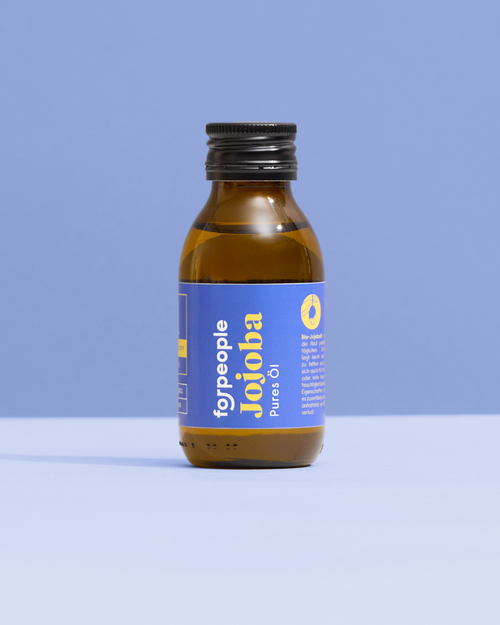
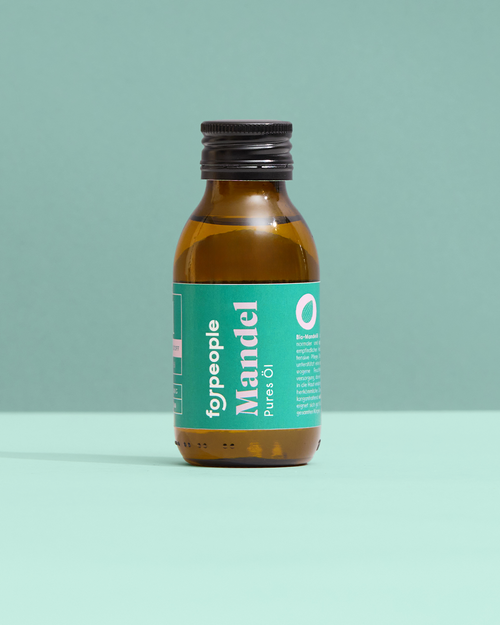
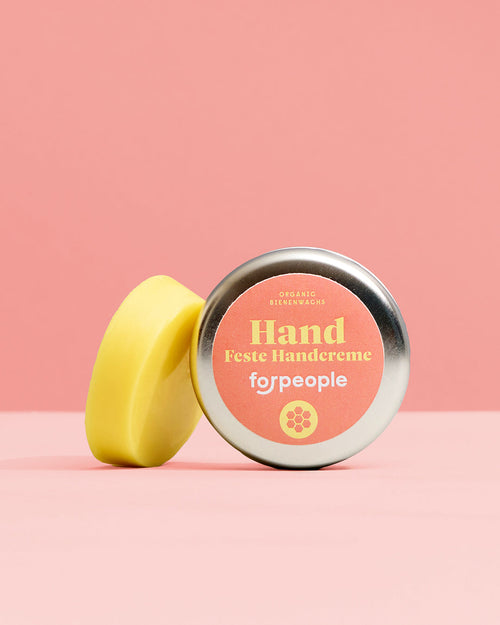
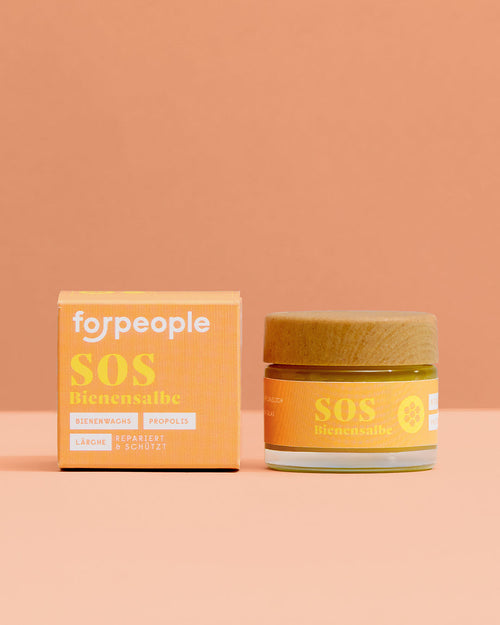
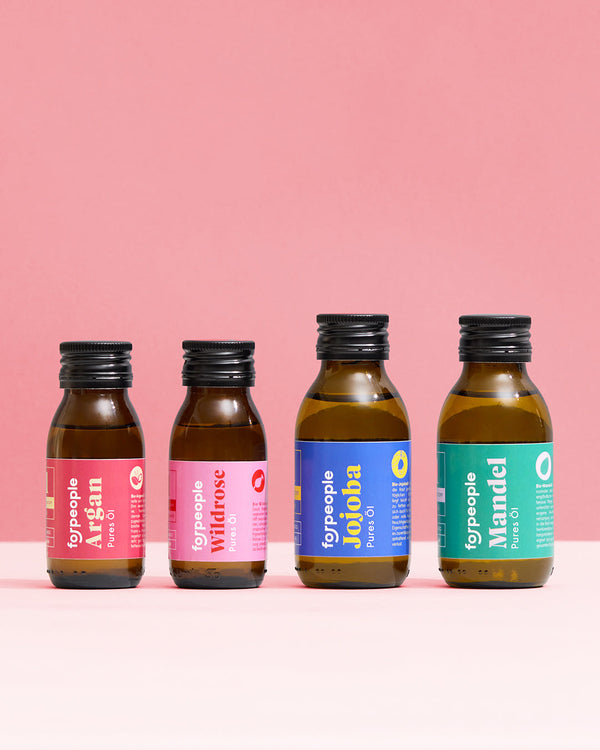
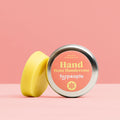
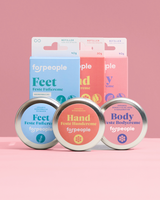
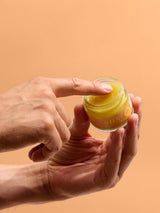
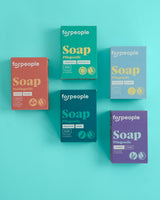
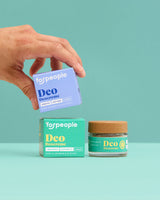
For nails and cuticles we offer two single oils: Jojoba Oil - pure (100 ml, €16.90) and Almond Oil - pure (100 ml, €14.90). According to their ingredients lists, both consist of a single oil, with no added fragrance. When you moisturise your hands, include the nails, for example with the Solid Hand Cream - Beeswax (30 g, €9.90) made of beeswax, olive oil and sunflower oil, St. John's wort extract and aloe extract. For the nail edges in the evening there is the softer Beeswax Salve Larch & Mandarin in a Glass Jar (50 g, €12.90); it is scented and contains larch resin, propolis and essential oils. None of these products hardens the nail. If you notice a skin reaction, stop using the product. More on this: Overnight hand mask: what it does and how to do it · Dry, cracked hands from frequent washing: what helps? · Why do hands get drier with age?
From the blog: Face & Body Oils: Which Oil Suits Which Skin Type?
Sources
- Chessa MA, Iorizzo M, Richert B et al. (2020): Pathogenesis, Clinical Signs and Treatment Recommendations in Brittle Nails: A Review. Dermatology and Therapy 10(1): 15–27. https://doi.org/10.1007/s13555-019-00338-x
- Stern DK, Diamantis S, Smith E et al. (2007): Water content and other aspects of brittle versus normal fingernails. Journal of the American Academy of Dermatology 57(1): 31–36. https://doi.org/10.1016/j.jaad.2007.02.004
- Lubach D, Beckers P (1992): Wet working conditions increase brittleness of nails, but do not cause it. Dermatology 185(2): 120–122. https://doi.org/10.1159/000247425
- Finlay AY, Frost P, Keith AD, Snipes W (1980): An assessment of factors influencing flexibility of human fingernails. British Journal of Dermatology 103(4): 357–365. https://doi.org/10.1111/j.1365-2133.1980.tb07257.x
- Rieder EA, Tosti A (2016): Cosmetically Induced Disorders of the Nail with Update on Contemporary Nail Manicures. The Journal of Clinical and Aesthetic Dermatology 9(4): 39–44. https://pmc.ncbi.nlm.nih.gov/articles/PMC4898583/
- Reinecke JK, Hinshaw MA (2020): Nail health in women. International Journal of Women's Dermatology 6(2): 73–79. https://doi.org/10.1016/j.ijwd.2020.01.006