The problem: you smell different than usual
Your shirt smells by midday, even though you showered in the morning. Your skin smells sour, of vinegar, of onions, your feet cheesy, your sweat of ammonia. Or someone in the family says you smell different than before. That is unpleasant and unsettling, especially when you read online that an illness could be hidden behind a smell.
Body odour is normal. It mainly develops because bacteria on the skin break down sweat, sebum and skin flakes; what counts as pleasant or unpleasant is also shaped by culture (DermNet: Bromhidrosis). If it changes, it is usually due to one of these building blocks: more or different sweat, different bacteria, different substances from food or medicines, or clothing that stores odour. Why a deodorant suddenly no longer does the job is explained in detail in Deodorant suddenly stopped working: possible reasons; this page is about the smell itself.
Why body odour changes – and what winter has to do with it
The basic mechanism. The sweat from the scent glands in the armpits and groin is rich in fat, sterile and odourless at first; it only starts to smell when bacteria break it down into volatile acids. The watery sweat we produce almost everywhere for cooling usually hardly smells (MSD Manual: Bromhidrosis). The scent glands only become active at puberty; that is why children smell different from teenagers and adults (DermNet: Bromhidrosis).
Sour, oniony, cheesy, like ammonia. Many of the notes people describe come from this completely normal chemistry. Bacteria produce, among other things, sulphur-containing substances from armpit sweat, which one study described as sweaty and onion-like (Troccaz et al. 2004); an oniony armpit odour therefore does not have to come from food. Typical foot odour is due to isovaleric acid, which a skin bacterium forms from a protein building block in sweat (Ara et al. 2006); the same substance is also found in mature cheese. Sweat also naturally contains urea and ammonia (Baker 2019).
Food and drink. Garlic, onions, asparagus, curry and alcohol can change body odour (DermNet: Bromhidrosis), (MSD Manual: Bromhidrosis). The British NHS advises not to overdo strong-smelling and spicy foods and alcohol (NHS: Body odour).
Hormones and life stages. Hormonal changes, exercise, heat and being overweight can make body odour stronger (NHS: Body odour). During menopause, hot flushes and night sweats are added; what that means for your deodorant is covered on the deodorant page.
The smell of age. A Japanese study found a substance called 2-nonenal, which smells greasy and grassy, in the body odour of people aged 40 and over; in younger people it was not detectable. It forms when certain fatty acids in skin oil react with oxygen (Haze et al. 2001). This is a single study, but it shows: a slightly different smell over the years is not a question of hygiene.
Medicines. Some medicines, such as certain antidepressants, can make body odour stronger (NHS: Body odour); penicillin and other active substances are also listed (DermNet: Bromhidrosis). This also applies during and after cancer treatment: changes in sweat and odour belong in a conversation with the treatment team. Do not stop any medicine on your own. If a rash appears after an antibiotic, read Skin rash after antibiotics.
Illnesses. Diabetes, kidney and liver diseases can make body odour stronger (NHS: Body odour). In a severe derailment of diabetes, ketoacidosis, the breath can smell fruity, similar to nail polish remover; but then thirst, frequent urination, nausea, stomach pain, deep breathing and tiredness come with it, and it is an emergency (NHS: Diabetic ketoacidosis). Very rare is an inherited metabolic disorder in which the body, breath and urine smell of fish; among other things it gets stronger before and during a period and under stress (DermNet: Trimethylaminuria). Bacteria in skin folds or on the soles of the feet can also cause an unpleasant odour (DermNet: Bromhidrosis).
What research can and cannot do. The body gives off hundreds of volatile substances, and illnesses can change their composition; laboratories are investigating whether such substances could be used for diagnosis in future (Shirasu & Touhara 2011). For everyday life this does not mean that you or the people around you can recognise an illness from a smell. What matters are other symptoms and an examination.
Winter. Under thermal underwear, fleece and thick jumpers made of synthetic fibres, you sweat when you move from outside to inside, and synthetic fibres hold on to odour. The British NHS therefore recommends natural fibres such as cotton, wool and silk and advises against wearing tight clothing made of synthetic fibres (NHS: Body odour). Jackets and jumpers are washed less often in winter; this is our assessment. More on layers and boots in Sweating in winter: causes and what you can do.
The following table sorts common descriptions according to the specialist sources named. It is a guide, not a diagnosis: an illness cannot be recognised from smell alone; only a medical examination gives clarity.
| What you notice | Common, harmless reasons | Have it checked if … |
|---|---|---|
| Sour, like vinegar, under the arms | bacteria break sweat down into acids; synthetic fibres hold odour | it appears suddenly and without an obvious reason |
| Oniony or sulphurous | sulphur-containing substances from armpit sweat; garlic, onions | other symptoms appear |
| Cheesy on the feet | bacteria break down sweat in closed shoes | the skin between the toes itches, is weepy or cracks |
| Like ammonia | sweat contains ammonia and urea, for example after exercise | it persists and your breath or urine also smell different |
| Fruity breath, like nail polish remover | concerns the breath, not the skin | with diabetes or with thirst, nausea, tiredness: act immediately |
| Fishy, on the body, breath and urine | very rarely a metabolic disorder | it persists; your doctor can have your urine tested |
| Slightly greasy, grassy, over the years | age-related odour from 2-nonenal | usually no cause for concern |
Sources for the table: NHS: Body odour, DermNet: Bromhidrosis, MSD Manual, Haze et al. 2001, Troccaz et al. 2004, Ara et al. 2006, Baker 2019, DermNet: Trimethylaminuria, NHS: Diabetic ketoacidosis.
The solution step by step
| Step | What you do | Why |
|---|---|---|
| Right away | Note since when, where and how it smells; plus food, new medicines, your cycle, exercise, other symptoms | This helps you spot patterns, and your doctor will have all the details later |
| Every day | Wash your armpits, groin and feet twice a day with soap and dry them thoroughly | removes sweat, odour substances and some of the bacteria |
| Every day | Change clothes and socks often; moisture-absorbing socks twice a day if needed | fabric stores sweat and odour |
| Every day | Deodorant or antiperspirant on clean, dry skin | deodorant works on the odour, antiperspirant reduces sweat |
| In winter | cotton, wool or silk directly on your skin; layers you take off indoors; air and wash jumpers and jackets | less sweating, less stored odour |
| Try it out | Cut down on garlic, onions, curry and alcohol for a few days, trim or shave armpit hair | shows whether the odour depends on it |
| If it persists | have it checked by a doctor, with your notes | diabetes, kidney and liver diseases and medicines can only be checked there |
Sources for the table: NHS: Body odour, DermNet: Bromhidrosis, MSD Manual. The notes are our suggestion.
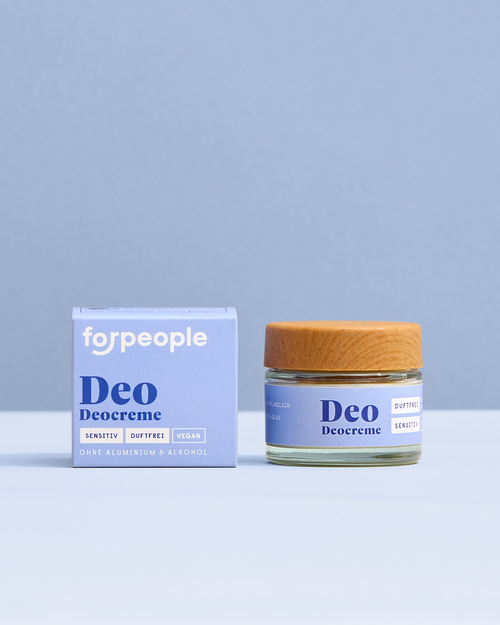
For the armpits we have the Sensitive Deodorant Cream: according to its product page it works on the odour; bicarbonate of soda binds odour substances, starch absorbs some moisture; it does not reduce the amount of sweat. It belongs on a clean, dry armpit, and a pea-sized amount is enough. Wash beforehand with water and soap, for example with the Aloe Vera Soap – Rosemary & Lemon, which according to its product page is intended for hands and body. How deodorants without aluminium salts work is explained in How do aluminium-free deodorants work?; the difference to an antiperspirant is explained in Deodorant or antiperspirant: what is the difference?
What helps – and what doesn't
| Measure | Assessment |
|---|---|
| Washing twice a day and drying well | helps; this is what the British NHS advises |
| Natural fibres on the skin, changing clothes often | helps; synthetic fibres and worn clothing hold odour |
| Antiperspirant if you sweat a lot | can help; it reduces the amount of sweat, a deodorant does not |
| Trimming or shaving armpit hair | can help; specialist sources list shaving as a general measure |
| Covering it up with perfume | rather not; the odour stays underneath, and a change is noticed later |
| Disinfecting soaps or creams just in case | only on medical advice; the data on them are thin |
| Suspecting an illness from the smell yourself | no; that does not work, what matters are other symptoms and an examination |
Sources: NHS: Body odour, DermNet: Bromhidrosis, MSD Manual. The entry on perfume is our assessment.
Common mistakes
- Showering more often and hotter, but drying badly. Damp armpits, groin and spaces between the toes remain a good environment for bacteria.
- Spraying deodorant on sweaty skin. It can do little against old sweat; wash first, then apply.
- Putting yesterday's shirt on again. Worn synthetic fibres quickly smell again.
- Covering up a change with fragrance for months. If symptoms appear, valuable time is lost.
- Stopping medicines because you suspect them. That belongs with your doctor or pharmacist.
- Withdrawing because of a smell. Body odour can be very distressing; that too is a good reason to seek medical help.
When to see a doctor
Your first port of call is your GP. Have yourself examined if
- the odour has changed and smells different than usual, or you suddenly sweat much more than usual (NHS: Body odour),
- the odour is new and not related to hygiene, food or clothing, or your breath and urine also smell different (DermNet: Bromhidrosis),
- you are also very thirsty, need to urinate often, lose weight without trying or are unusually tired; such symptoms should be checked by a doctor, for example with a blood sugar test,
- a child before puberty has a noticeable odour; in children a foreign body in the nose can also be behind it (DermNet: Bromhidrosis),
- the skin in skin folds or on the soles of the feet is red, softened or cracked; more in Sore skin under the breasts and in skin folds and, if your feet also burn or itch, in Burning feet,
- the odour persists despite self-help and it affects your self-esteem (NHS: Body odour).
Emergency: If you have diabetes and your breath smells fruity, together with nausea or vomiting, stomach pain, deep, rapid breathing, drowsiness or confusion, call 112 or go to the emergency department. These can be signs of ketoacidosis, which has to be treated in hospital (NHS: Diabetic ketoacidosis).
If you yourself notice an odour that others do not smell, your perception may also be involved; specialist sources name olfactory illusions and the persistent worry of smelling unpleasant as possible explanations (DermNet: Bromhidrosis). Your doctor can clarify this too.
Frequently asked questions
Why does my body suddenly smell different?
Usually because of more sweat, clothing, food, alcohol, hormones or a new medicine. If there is no obvious reason or other symptoms appear, have it checked by a doctor.
Why do I have body odour despite showering?
Often it is the clothing that smells, not the skin, or the armpit was still damp when you applied deodorant. Washing twice a day, drying well, wearing natural fibres and changing clothes often helps. More in Deodorant suddenly stopped working.
Does body odour change with age?
Yes. A Japanese study found a greasy, grassy-smelling substance from about the age of 40, which forms from skin oil. It has nothing to do with hygiene.
Can body odour change during menopause?
Hormonal changes can make body odour stronger, and hot flushes bring more sweat. Frequent washing, natural fibres and layers help in everyday life.
Can you smell diabetes in body odour?
Not in everyday life. In a severe derailment the breath can smell fruity, but then clear symptoms such as thirst, nausea and tiredness come with it, and it is an emergency.
Why does my sweat smell of ammonia?
Sweat naturally contains ammonia and urea, so it can smell like that after exercise. If it persists and your breath or urine also smell different, have it checked.
Why does my skin smell sour or of onions?
Bacteria break down armpit sweat into acids and sulphur-containing substances that smell sour or onion-like. Garlic and onions in your food can make this stronger.
Can cancer or other illnesses be recognised from body odour?
No. Researchers are investigating odour substances as possible clues, but neither you nor the people around you can identify an illness from a smell. If you are having cancer treatment, raise changes in sweat and odour with your treatment team.
At forpeople
No care product can fix a change in body odour caused by an illness. For everyday life we have:
Sensitive Deodorant Cream, 50 g, €8.90: potato starch, shea butter, bicarbonate of soda, sunflower oil, corn starch and candelilla wax; according to the ingredient list without added fragrance, without essential oils, without alcohol and without aluminium salts. It does not reduce the amount of sweat.
Aloe Vera Soap – Rosemary & Lemon, 75 g, €8.90: for hands and body, with essential oils of rosemary and lemon.
According to the product pages, deodorant cream and soap do not belong on injured or irritated skin. More on this: Bar soap or shower gel · How to apply deodorant cream · Skin microbiome and skincare
Sources
- NHS: Body odour (BO). Last reviewed 14 May 2025, accessed 30 October 2026. https://www.nhs.uk/conditions/body-odour-bo/
- DermNet: Bromhidrosis. Ngan V (2005), updated by Bandla M, Keefe M (June 2021), accessed 30 October 2026. https://dermnetnz.org/topics/bromhidrosis
- Das S: Bromhidrosis. MSD Manual Professional Edition, last updated June 2026, accessed 30 October 2026. https://www.msdmanuals.com/professional/dermatologic-disorders/sweating-disorders/bromhidrosis
- Haze S, Gozu Y, Nakamura S, Kohno Y, Sawano K, Ohta H, Yamazaki K (2001): 2-Nonenal newly found in human body odor tends to increase with aging. Journal of Investigative Dermatology 116(4): 520–524. https://doi.org/10.1046/j.0022-202x.2001.01287.x
- Troccaz M, Starkenmann C, Niclass Y, van de Waal M, Clark AJ (2004): 3-Methyl-3-sulfanylhexan-1-ol as a major descriptor for the human axilla-sweat odour profile. Chemistry & Biodiversity 1(7): 1022–1035. https://doi.org/10.1002/cbdv.200490077
- Ara K, Hama M, Akiba S, Koike K, Okisaka K, Hagura T, Kamiya T, Tomita F (2006): Foot odor due to microbial metabolism and its control. Canadian Journal of Microbiology 52(4): 357–364. https://doi.org/10.1139/w05-130
- Baker LB (2019): Physiology of sweat gland function: The roles of sweating and sweat composition in human health. Temperature 6(3): 211–259. https://doi.org/10.1080/23328940.2019.1632145
- DermNet: Trimethylaminuria. Dyall-Smith D (2010), accessed 30 October 2026. https://dermnetnz.org/topics/trimethylaminuria
- NHS: Diabetic ketoacidosis. Last reviewed 8 June 2023, accessed 30 October 2026. https://www.nhs.uk/conditions/diabetic-ketoacidosis/
- Shirasu M, Touhara K (2011): The scent of disease: volatile organic compounds of the human body related to disease and disorder. Journal of Biochemistry 150(3): 257–266. https://doi.org/10.1093/jb/mvr090