





Sage oil is the essential oil of common sage (Salvia officinalis), and a large part of it is thujone, along with camphor and 1,8-cineole. In cosmetics it mainly provides scent; an effect on the skin beyond that has not been shown. Do not confuse it with clary sage oil from Salvia sclarea: its make-up is quite different, and thujone is not one of its main components.
Sage oil and clary sage oil: two different oils
Several plants are sold under the name “sage”. The Latin name in a product’s ingredient list, the INCI, tells you which oil it contains. Our guide How to Read an INCI List explains how to read it.
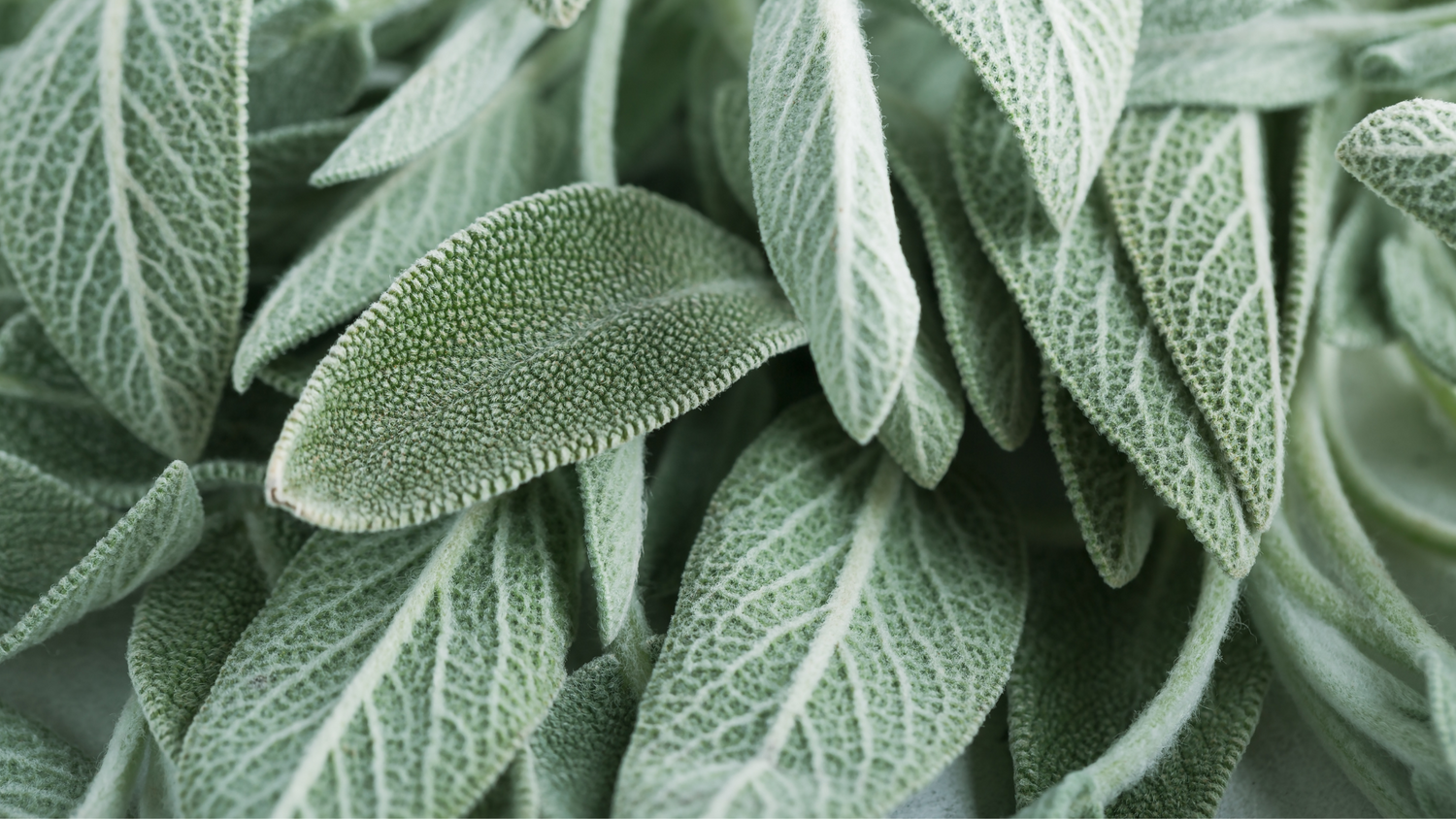
Common sage (Salvia officinalis) is the sage from the kitchen and the garden. Its essential oil is obtained from the leaves by steam distillation (SCCS 2012). Its composition varies a great deal depending on origin and harvest time; a high thujone content is typical (EMA 2016a).
Clary sage (Salvia sclarea) is a different species of sage. Its oil is distilled from the flowering tops and leaves. It consists mainly of linalyl acetate and linalool (SCCS 2012), two substances that also characterise lavender oil. Thujone is not one of its main components.
| Sage oil | Clary sage oil | |
|---|---|---|
| Plant | Common sage (Salvia officinalis) | Clary sage (Salvia sclarea) |
| INCI | Salvia Officinalis Oil | Salvia Sclarea Oil |
| Obtained from | leaves | flowering tops and leaves |
| Main components | α-thujone 10–60%, β-thujone 4–36%, camphor 5–20%, 1,8-cineole 1–15% | linalyl acetate 56–78%, linalool 6.5–24% |
| Scent | spicy, herbaceous, camphor-like | herbaceous, slightly sweet and floral |
| At forpeople in | Aloe Vera Soap – Eucalyptus & Sage | Solid Foot Cream – Rosemary & Sage |
The ranges for sage oil come from the assessment report of the European Medicines Agency (EMA 2016a), those for clary sage oil from the opinion of the EU Scientific Committee on Consumer Safety (SCCS 2012).
What is proven on the skin and what is not
In cosmetics, sage oil and clary sage oil are mainly fragrance ingredients. They give soaps and creams a spicy, herbaceous smell that fades gradually after you apply them.
Many texts credit sage oil with further effects on the skin. Such claims usually go back to laboratory tests with sage extracts or to sage leaves used as a medicine. We have not found a study in humans showing an effect of sage essential oil on the skin: a search of the PubMed research database for studies with sage oil or clary sage oil on the skin of volunteers returned no results (as of October 2026).
On top of that, sage leaves contain other substances besides the essential oil, such as rosmarinic acid. The EMA lists these separately from the essential oil (EMA 2016a). What is written about sage leaves, sage tea or extracts therefore does not automatically apply to the oil. As a medicine, sage leaf is used for other purposes; that is not what this article is about.
Thujone and safe use
Thujone is what sets sage oil apart from many other essential oils. According to the EMA, thujone is toxic in high doses and can cause seizures, as animal studies and case reports show. For medicines made from sage leaves, the EMA limits thujone to 6 mg a day for a maximum of two weeks. It has assessed sage oil itself negatively as a medicine: its benefits do not outweigh its risks (EMA 2016b).
These assessments concern medicines, mainly ones taken by mouth. They are still a good reason to be careful with pure sage oil. The EMA also cites reference works stating that sage oil is a moderate skin irritant and is not recommended for aromatherapy (EMA 2016a). In the EU, finished cosmetics have to pass a safety assessment before they are sold, which takes the formula and the way the product is used into account (Regulation (EC) No 1223/2009, Article 10).
- Never undiluted and never by mouth: The German Federal Institute for Risk Assessment (BfR) advises applying essential oils to the skin only in a strongly diluted form, otherwise they can irritate it (BfR 2026). Pure sage oil does not belong in your mouth.
- Do not mix your own rub with it: Because of the thujone, and because it can irritate the skin, it is better not to use sage oil in a home-made blend. How much essential oil goes into a blend of your own is explained in Mixing your own massage oil.
- Test first: Before using a new product for the first time, the BfR recommends trying it on a small patch of skin (BfR 2026). Our guide Trying a new product: how do I test it on a small area? shows you how.
- Keep away from eyes and broken skin: Products with sage or clary sage oil should not get into your eyes or onto broken or irritated skin.
- Look out for fragrance allergens: The SCCS describes individual cases of contact allergy to sage oils: in an older study, 4 out of 86 people with a known fragrance allergy reacted to 2 per cent clary sage oil (SCCS 2012). Linalool, one of its main components, is listed separately as a fragrance allergen in the INCI of the foot cream. Background: Essential Oils and Fragrance Allergens.
- Out of the reach of children: Sage oil contains camphor, which according to the BfR is generally not suitable for infants and young children (BfR 2026).
Sage at forpeople
We do not sell essential oils on their own. According to the ingredient lists, the two sage oils are in these products:
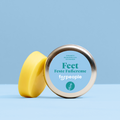
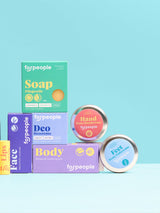
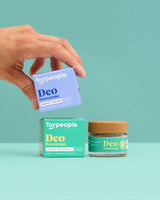
- Solid Foot Cream – Rosemary & Sage, 40 g, €9.90: it contains clary sage oil (Salvia Sclarea Oil), together with rosemary and eucalyptus oil. It does not contain oil from common sage. The refill without a tin is 40 g for €7.90.
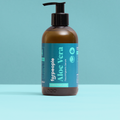
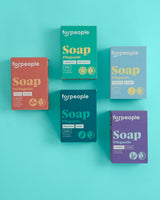
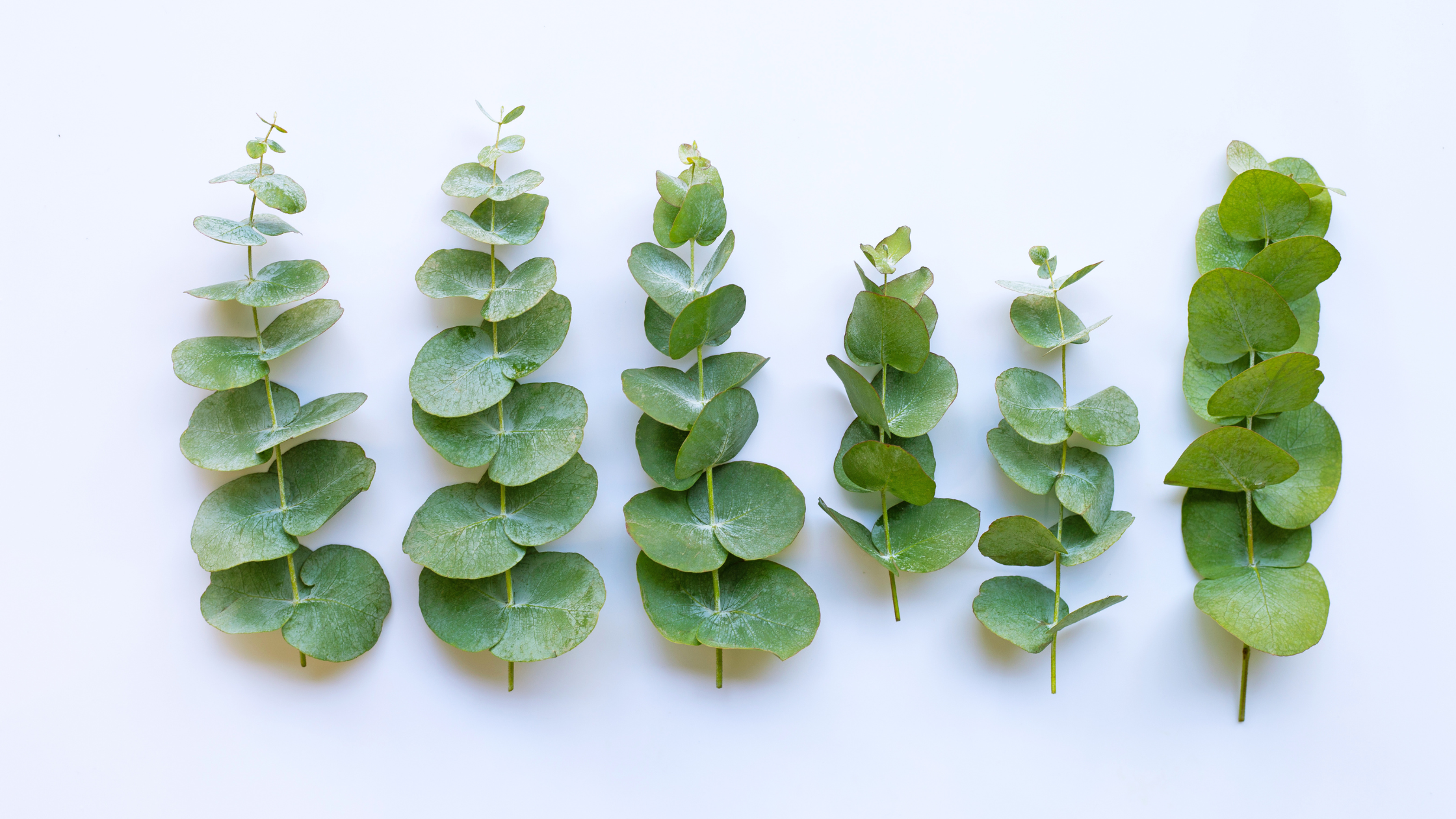
- Aloe Vera Soap – Eucalyptus & Sage, 75 g, €8.90: it contains oil from common sage (Salvia Officinalis Oil) and eucalyptus oil. You work the soap into a lather and rinse it off again.
You can read more about the raw material on Sage in foot cream: scent and use.
Frequently asked questions
What is the difference between sage oil and clary sage oil?
They come from two different plants. Sage oil from Salvia officinalis contains a lot of thujone and camphor, clary sage oil from Salvia sclarea mainly linalyl acetate and linalool. They smell different, too.
Can I use sage oil as a rub?
Pure sage oil is not suitable for that. It can irritate the skin and contains thujone. For a home-made rub it is better to leave sage oil out; a massage oil does not need any scent anyway.
Is there thujone in the foot cream?
The foot cream does not contain oil from common sage but clary sage oil. Its main components are linalyl acetate and linalool, not thujone.
What does sage oil smell like?
Spicy, herbaceous and camphor-like, similar to fresh sage leaves. Clary sage oil smells softer, herbaceous and slightly sweet.
Can sage oil go on my face?
Pure sage oil cannot. Keep products with sage oil away from your eyes.
Sources
- European Medicines Agency, Committee on Herbal Medicinal Products (2016a): Assessment report on Salvia officinalis L., folium and Salvia officinalis L., aetheroleum. Final. EMA/HMPC/150801/2015, 20 September 2016. ema.europa.eu
- European Medicines Agency, Committee on Herbal Medicinal Products (2016b): Public statement on Salvia officinalis L., aetheroleum. Final. EMA/HMPC/41843/2009 Corr. 1, 2 February 2016. ema.europa.eu
- Scientific Committee on Consumer Safety (SCCS) (2012): Opinion on fragrance allergens in cosmetic products. SCCS/1459/11, adopted 26–27 June 2012. ec.europa.eu
- Bundesinstitut für Risikobewertung (BfR, German Federal Institute for Risk Assessment) (2026): Ätherische Öle: Duftende Wirkungen mit Einschränkungen [Essential oils: fragrant effects with limitations]. FAQ of 2 September 2026. bfr.bund.de
- Regulation (EC) No 1223/2009 of the European Parliament and of the Council of 30 November 2009 on cosmetic products, Articles 3 and 10. OJ L 342, 22.12.2009, p. 59. eur-lex.europa.eu


Leave a comment
This site is protected by hCaptcha and the hCaptcha Privacy Policy and Terms of Service apply.