






Eucalyptus oil is distilled from the leaves and twigs of eucalyptus trees and consists largely of 1,8-cineole, also called eucalyptol. In cosmetics it provides a clear, fresh scent; a caring effect on the skin has not been shown. It only belongs on the skin in diluted form and never near the face or nose of infants and young children.
What eucalyptus oil is and what it is made of
Eucalyptus trees come from Australia. There are around 500 species there alone, and their oils differ considerably: some contain 80 to 85 per cent 1,8-cineole, others less cineole and more α-pinene instead (SCCS 2012). The European Pharmacopoeia describes eucalyptus oil as an essential oil obtained by steam distillation followed by rectification from the fresh leaves or branch tips of cineole-rich species, above all Eucalyptus globulus (EMA 2024a). Rectification means the oil is distilled a second time, which raises the cineole content.
The table shows what the Pharmacopoeia requires and, for comparison, two freshly distilled samples from Portugal:
| Oil | 1,8-cineole | α-pinene | Other components |
|---|---|---|---|
| Eucalyptus oil to Pharmacopoeia standard (rectified) | at least 70% | 0.05–10% | limonene 0.05–15%, β-pinene 0.05–1.5%, camphor up to 0.1% |
| Eucalyptus globulus, sample from Portugal | 64% | 20% | none other above 10% |
| Eucalyptus radiata, sample from Portugal | 48% | below 10% | p-cymene 13% |
Sources: Pharmacopoeia values from EMA 2024a; samples from Miguel et al. 2018, who only report components from 10 per cent upwards. In the INCI you can tell the species by its name, for example Eucalyptus Globulus Leaf Oil or Eucalyptus Radiata Flower/Leaf/Stem Oil.
What is proven on the skin and what is not
Scent: Eucalyptus oil smells clear, fresh and slightly camphor-like. This smell comes mainly from cineole. In creams and soaps, scent is its main job.
Fresh feeling: Many people perceive the scent as cool. There is a clue to this from the laboratory: in cell experiments, cineole activates the receptor TRPM8, which also responds to menthol and to low temperatures. But it needs far higher amounts to do so: in the same experiment, menthol worked at a concentration almost 2,000 times lower (Behrendt et al. 2004). Whether the small amount of eucalyptus oil in a cream produces a noticeable cooling sensation on the skin has not been studied.
Care and skin barrier: We have not found a study showing that eucalyptus oil cares for the skin or strengthens the skin barrier. A search of the PubMed research database for human studies on eucalyptus oil and the skin barrier, skin moisture or water loss from the skin returned no results (as of October 2026). In a cream, the care comes from oils, butter and wax. Our page The skin barrier explained simply describes what the skin barrier is.
As a medicine, eucalyptus oil is used for other purposes; that is not what this article is about.
Using eucalyptus oil safely
- Infants and young children: According to the German Federal Institute for Risk Assessment (BfR), they react far more sensitively to essential oils than adults do. Even the smallest amounts getting into their mouth or nose can trigger life-threatening spasms of the larynx, up to a stop in breathing; the BfR counts eucalyptus oil among the particularly problematic oils. Products with essential oils should not be used on their faces (BfR 2026). The EMA rules out medicines containing eucalyptus oil for children under 2, because preparations containing 1,8-cineole can trigger such a spasm of the larynx (EMA 2024b). Keep products with eucalyptus oil out of the reach of children.
- Only diluted: Essential oils only belong on the skin in a strongly diluted form (BfR 2026). The BfR’s Committee for Cosmetic Products recommends no more than 1 per cent eucalyptus oil in products that stay on the skin (BfR 2026).
- Keep away from eyes and broken skin: Eucalyptus oil should not be applied to broken or irritated skin. If it gets into your eyes from unwashed hands after applying it, it can irritate them (EMA 2024b). Wash your hands after use.
- Look out for fragrance allergens: The EU Scientific Committee on Consumer Safety (SCCS) counts eucalyptus leaf oil among the natural substances established as contact allergens in humans (SCCS 2012). It is rare, though: in an analysis of patch tests from 1993 to 2013, 2 out of 596 patients tested reacted to eucalyptus oil, or 0.34 per cent (Higgins et al. 2015, cited in EMA 2024a). More in our guide Essential Oils and Fragrance Allergens.
- Test first: Before using something for the first time, the BfR recommends trying it on a small patch of skin (BfR 2026). Our guide Trying a new product: how do I test it on a small area? shows you how.
Eucalyptus at forpeople
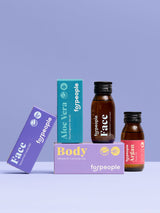
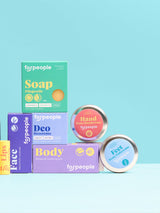
We do not sell essential oils on their own. According to the ingredient lists, eucalyptus oil is in two products, each from a different species:
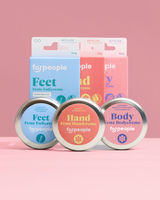
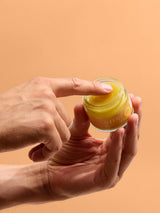
- Solid Foot Cream – Rosemary & Sage, 40 g, €9.90: with oil from Eucalyptus radiata, together with rosemary and clary sage oil. The cream is water-free and made for the feet, for example before and after hiking. The refill without a tin is 40 g for €7.90.
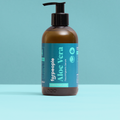
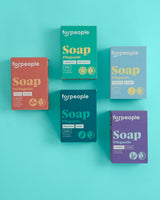
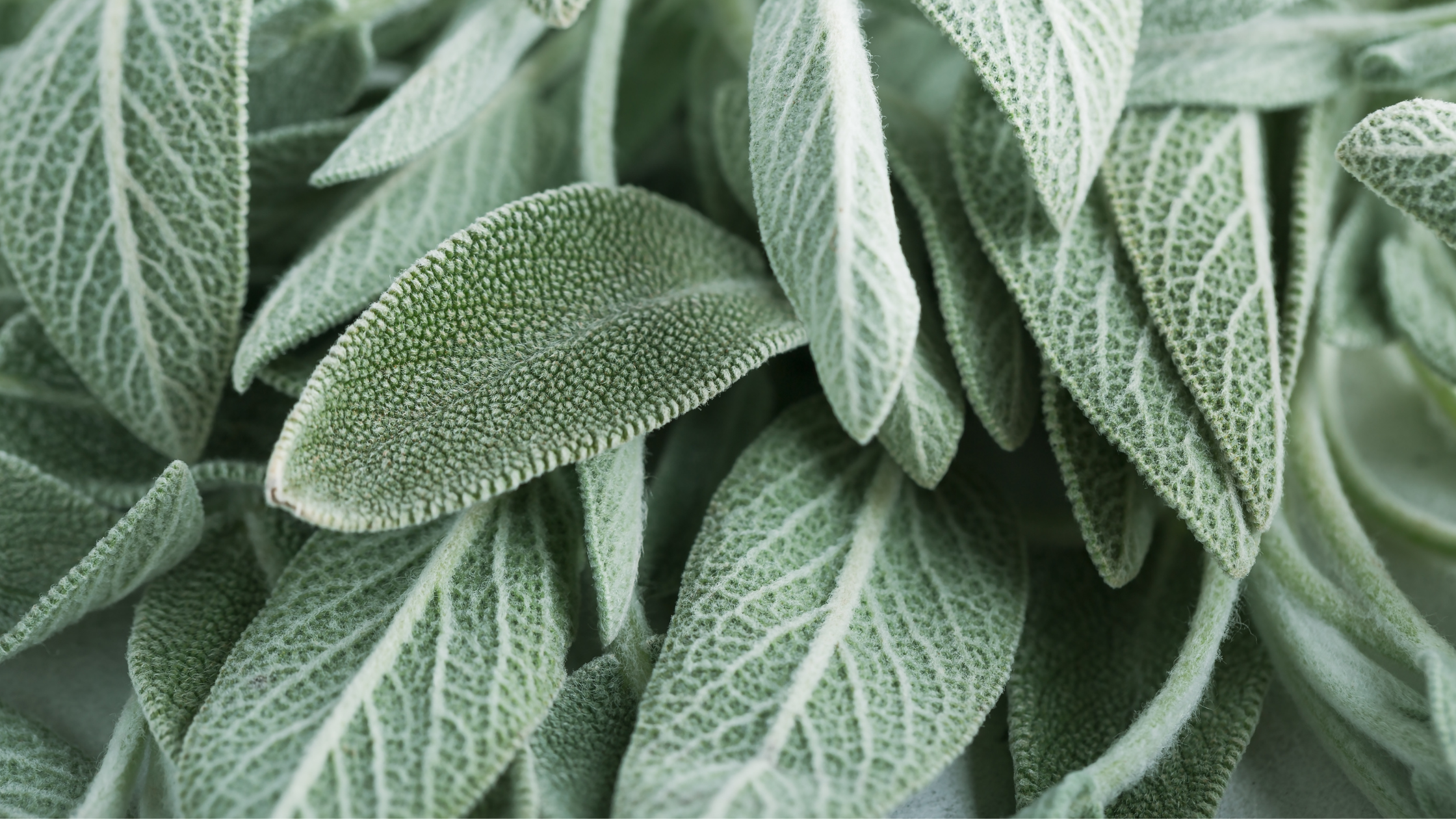
- Aloe Vera Soap – Eucalyptus & Sage, 75 g, €8.90: with oil from Eucalyptus globulus and oil from common sage, for rinsing off.
If you would rather avoid fragrance: the page Without fragrance and essential oils shows which products contain no essential oils. You can read more about the raw material on Eucalyptus in cosmetics: scent and use.
Frequently asked questions
What is eucalyptus oil good for?
In cosmetics, mainly for its scent. It is clear and fresh and is often perceived as cool. A caring effect on the skin has not been shown.
Does eucalyptus oil strengthen the skin barrier?
We have found no evidence for that. In a cream, the skin is cared for by oils, butter and wax, not by the scented oil.
Is eucalyptol the same as eucalyptus oil?
No. Eucalyptol is another name for 1,8-cineole, the main component of eucalyptus oil. The oil also contains other substances such as α-pinene and limonene.
What is the difference between Eucalyptus globulus and Eucalyptus radiata?
They are two species of tree. Both produce oils in which 1,8-cineole dominates; how much of it there is and which other substances come with it depends on species, origin and processing.
Why should eucalyptus oil be kept away from infants’ faces?
Because even small amounts in their mouth or nose can trigger a dangerous spasm of the larynx. Keep products with eucalyptus oil out of the reach of children.
Sources
- Bundesinstitut für Risikobewertung (BfR, German Federal Institute for Risk Assessment) (2026): Ätherische Öle: Duftende Wirkungen mit Einschränkungen [Essential oils: fragrant effects with limitations]. FAQ of 2 September 2026. bfr.bund.de
- European Medicines Agency, Committee on Herbal Medicinal Products (2024a): Assessment report on Eucalyptus globulus Labill.; Eucalyptus polybractea R.T. Baker; Eucalyptus smithii R.T. Baker, aetheroleum. Final – Revision 1. EMA/HMPC/320282/2023, 20 November 2024. ema.europa.eu
- European Medicines Agency, Committee on Herbal Medicinal Products (2024b): European Union herbal monograph on Eucalyptus globulus Labill.; Eucalyptus polybractea R.T. Baker; Eucalyptus smithii R.T. Baker, aetheroleum. Final – Revision 1. EMA/HMPC/320292/2023, 20 November 2024. ema.europa.eu
- Scientific Committee on Consumer Safety (SCCS) (2012): Opinion on fragrance allergens in cosmetic products. SCCS/1459/11, adopted 26–27 June 2012. ec.europa.eu
- Behrendt HJ, Germann T, Gillen C, Hatt H, Jostock R (2004): Characterization of the mouse cold-menthol receptor TRPM8 and vanilloid receptor type-1 VR1 using a fluorometric imaging plate reader (FLIPR) assay. British Journal of Pharmacology 141(4): 737–745. doi:10.1038/sj.bjp.0705652
- Miguel MG, Gago C, Antunes MD, Lagoas S, Faleiro ML, Megías C, Cortés-Giraldo I, Vioque J, Figueiredo AC (2018): Antibacterial, Antioxidant, and Antiproliferative Activities of Corymbia citriodora and the Essential Oils of Eight Eucalyptus Species. Medicines (Basel) 5(3): 61. doi:10.3390/medicines5030061


Leave a comment
This site is protected by hCaptcha and the hCaptcha Privacy Policy and Terms of Service apply.