The problem: white dots, lines or patches in the nail
Suddenly there is a white dot in the middle of a fingernail, sometimes several, sometimes a short white line across it. They do not hurt, they do not itch, and over time they move towards the tip of the nail. They are especially noticeable in children. Other people notice a milky, rough surface or chalky patches after removing gel polish; on the toes there are sometimes white, crumbly areas.
White discolouration is the most common colour change of the nails (DermNet: White nail). Different things can be behind the same impression, but telling them apart is easier than it sounds. Three questions matter: is the white in the nail, on the nail or under the nail? Does it grow out? And are single nails affected, or all of them?
Why nails get white spots
A small injury, trapped air. The nail is formed in the nail root, the matrix, under the rear skin fold. If it is knocked or pressed, individual cells do not keratinise quite normally. Tiny disruptions form in the nail plate with air trapped in them; light is scattered there, and the spot looks white instead of translucent pink (DermNet: White nail). Because the spot only emerges from under the skin fold some time later, hardly anyone remembers the cause.
The most common triggers. Nail biting, manicures, knocks and tight shoes are named (DermNet: White nail). A review also names over-zealous manicures, injuries to the nail fold and, for white bands across the nail, manicure mistakes and picking off chipped nail polish. On the toes, bands form from pressure on nails that are too long, for example in shoes (Iorizzo et al. 2022). Less often, skin conditions such as psoriasis or alopecia areata are behind it (Iorizzo et al. 2022).
The calcium myth. Punctate leukonychia is the most common form of white nails, especially in children. It is not related to a reduced calcium or iron content of the nail plate, as is often believed (Iorizzo et al. 2022). The same review lists zinc deficiency as a rare cause, based on a short letter from 1974; in everyday life that is no reason to take zinc. What vitamins and minerals have to do with skin and nails, and why supplements without a medical finding make little sense, is explained in Dry skin and vitamin deficiency.
White on the nail: cosmetics and fungus. Artificial nails and frequent nail polish remover can dry out the upper layers of the nail plate; this shows as fine, scaly white patches that can be scraped off (Iorizzo et al. 2022). A case report describes thinner, brittle nails with such patches after gel polish that was removed with acetone and peeling (Chen et al. 2012). A superficial fungal nail infection needs to be distinguished from this: flaky white patches and pits on the surface of the nail plate (DermNet: Fungal nail infections), more often on the toes.
White under the nail: a hint about the whole body. Rarely, the cause lies not in the nail but in the nail bed underneath. Then the white fades when you press on the nail and does not grow out. This includes two white transverse lines that cannot be felt and are associated with a lack of protein in the blood, and nails that are almost completely white with only a narrow dark band at the tip. This form has been described with, among others, liver cirrhosis, chronic kidney disease, heart failure, diabetes, iron and zinc deficiency and an overactive thyroid (DermNet: White nail). Continuous white bands across all nails can occur after chemotherapy or poisoning (DermNet: White nail).
And winter? White spots have little to do with the season. Indirectly it plays a part: before the holidays, gel and polish are applied and removed more often, dry, torn cuticles tempt you to pick and cut, and tight winter boots press on the toenails. This is our assessment.
The following table sorts the most common pictures according to the specialist sources named. It is a guide, not a diagnosis; only a medical examination gives clarity.
| What you see | Often behind it | Grows out? |
|---|---|---|
| Single white dots in a few nails | small injury to the nail root: knocks, manicure, nail biting | yes, with the nail |
| White line across one or a few nails | manicure, pushing back the cuticle, picked-off polish; on the toes pressure in the shoe | yes |
| Rough, milky patches that scrape off after gel, artificial nails or a lot of remover | dried-out upper nail layers | yes, the damaged layer grows out |
| Chalky white, crumbly areas on the surface, often on the toes | possible superficial fungal nail infection | no, can spread |
| Whole nails white, white fades with pressure, bands across all nails | possible sign of a general illness or medicines | often not |
Sources for the table: Iorizzo et al. 2022, DermNet: White nail, DermNet: Fungal nail infections.
The solution step by step
| Step | What you do | Why |
|---|---|---|
| Straight away | Check briefly: single dots or many nails? On or in the nail? Does the white fade with pressure? | Most dots are harmless; whole white nails or bands across all nails should be checked |
| Straight away | Take a photo and note the date | That way you can see after a few weeks whether the spot moves towards the tip |
| Every day | Do not cut the cuticle or push it back hard, do not bite or pick at your nails | Pressure and injuries at the nail root are the most common trigger |
| Every day | Include nails and cuticles when you apply cream after washing your hands; wear gloves for wet work | Specialist sources name regular moisturising as helpful; it keeps nail and cuticle supple |
| With gel and polish | Take breaks, do not pick or peel off gel but have it removed properly; use remover sparingly | Peeling and frequent remover damage the upper nail layers |
| On the toes | Cut nails straight and not too long, shoes with enough room at the front | Pressure on the free edge of the nail can cause white bands |
| Wait | Let the spot grow out; fingernails take about six to nine months, toenails considerably longer | There is no treatment for white spots caused by injury |
Sources for the table: Iorizzo et al. 2022, DermNet: White nail, NHS: Nail problems, AAD 2025. According to the British health service, toenails grow back within up to 18 months after an injury (NHS: Nail problems). The photo is our suggestion.
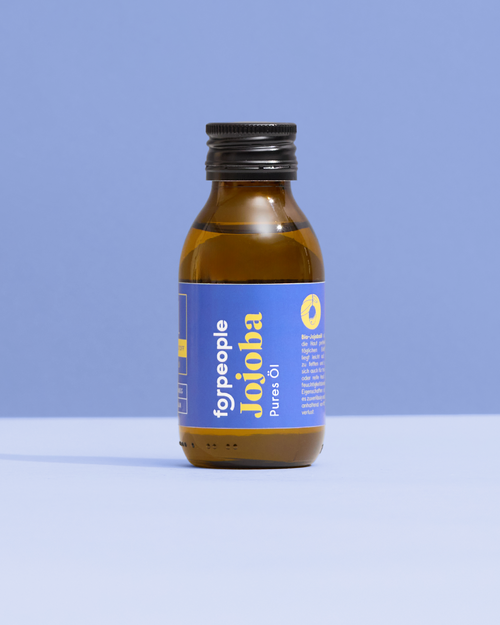
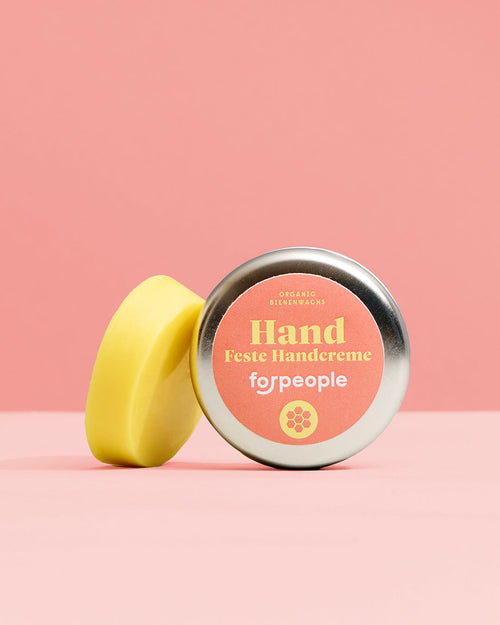
For daily care, the product page of our Jojoba Oil - pure explicitly mentions nails and cuticles: one drop is enough for several nails, massage it in and let it absorb briefly. When you apply cream to your hands, include the nails, for example with the Solid Hand Cream - Beeswax, which according to its product page is meant for dry, rough hands after washing. We say one thing honestly: oil and cream do not make a white spot disappear. They keep nail and cuticle supple so that less tears during a manicure. Why nails become brittle in the first place is explained in Brittle fingernails: what water and polish remover do to them; how to care for your cuticles without cutting them in Dry, torn cuticles: how to care for them.
What helps – and what does not
| Belief or remedy | Assessment |
|---|---|
| “White spots mean calcium deficiency” | no; according to the review they are not related to calcium or iron in the nail |
| Calcium, zinc or iron tablets just in case | rather not; deficiencies are a rare cause, and supplements without a medical finding carry their own risks |
| Looking after the cuticle, no biting or picking | sensible; avoids new injuries at the nail root |
| Nail oil or hand cream | sensible as care; the spot itself still only grows out |
| Filing or buffing away a white spot | no; the white is usually inside the nail, filing only makes the plate thinner |
| Painting over chalky patches on the toes and waiting | rather not; a possible fungal infection should be checked first |
| Peeling off gel yourself | no; peeling damages the upper nail layers |
Sources: Iorizzo et al. 2022, DermNet: White nail, Chen et al. 2012. The entries on filing and painting over are our assessment.
Common mistakes
- Buying supplements just in case. The spot grows out in months anyway, and the myth only persists because that happens regardless.
- Pushing back or cutting the cuticle hard at every manicure. Right underneath it sits the nail root, where the nail is formed.
- Picking off gel polish when it lifts at the edges. The upper nail layers come off with the polish.
- Hiding chalky patches on the toes under polish. If it is a fungus, it stays unnoticed underneath.
- Taking whole white nails for a cosmetic flaw. Then a medical look is worthwhile.
- Raising the alarm in children. Single dots are the most common form in children and are usually the result of knocks while playing.
When to seek medical advice
Single white dots that grow out with the nail do not need an examination. Have your nails looked at by your GP or a dermatologist if
- whole nails turn white, or the white fades with pressure and does not grow out,
- white bands run across several or all nails at the same time, especially fingers and toes; according to the review, medicines and general illnesses should then be ruled out as the cause (Iorizzo et al. 2022),
- a nail also thickens, crumbles, turns yellowish or brownish or lifts from the nail bed; this can be a fungal infection (DermNet: Fungal nail infections), more in Dry feet or athlete's foot?,
- your nails change shape, for example curving inwards like a spoon; according to the British health service this can be a sign of anaemia due to iron deficiency (NHS: Nail problems),
- you also feel unwell, lose weight without trying, have fluid in your legs or have a known liver, kidney or heart condition, diabetes or a thyroid condition,
- the skin around the nail is red, swollen and painful; then it is not about spots but about an inflammation, see Inflamed nail fold (paronychia): how to recognise it, what helps and when to see a doctor.
At the practice, questions and a look at the nails are often enough. If the cause is unclear, nail samples for fungi and blood tests, for example of liver and kidney function, can help (DermNet: White nail).
Frequently asked questions
Which deficiency is behind white spots on the nails?
Usually none. The typical white dots come from small injuries to the nail root. Zinc deficiency has been described as a rare cause; without other symptoms it is unlikely.
Are white spots a sign of calcium deficiency?
No. According to a dermatological review, they are not related to the calcium content of the nail. This is a widespread misconception.
Do white spots have to do with iron deficiency?
The typical dots do not. With iron deficiency, spoon-shaped nails are described rather, and iron deficiency is one of the possible causes of almost completely white nails. Only a blood test shows whether there is a deficiency.
Can white spots come from the thyroid?
Thyroid conditions are not listed in the specialist sources as a cause of single dots. An overactive thyroid has been described with nails that are almost completely white. If you have such nails or other symptoms, talk to your GP.
Why do children so often have white spots on their nails?
Children often knock their fingers and toes while playing. Single dots are the most common form in children and grow out.
I have white spots after Shellac or gel polish. What now?
Usually the upper nail layers dried out or were peeled off during removal. Give your nails a break, look after nails and cuticles and have gel removed properly in future. If the skin around the nails itches or turns red, an allergy may be behind it; see Gel nail allergy: signs, acrylates and what to do now.
What do white spots on the toenails mean?
Often pressure in the shoe or a knock. Chalky, crumbly areas on the surface can, however, also be a superficial fungal nail infection; a doctor can clarify this with a nail sample.
How long does it take for a white spot to go?
It grows out with the nail: on the fingers in about six to nine months, on the toes considerably longer.
At forpeople
There is no care product against white spots; they grow out. For nails and cuticles that you want to protect and keep supple in the meantime, we have:
Jojoba Oil - pure, 100 ml, €16.90: pure jojoba oil without added fragrance; according to its product page also for nails and cuticles.
Solid Hand Cream - Beeswax, 30 g, €9.90: beeswax, olive and sunflower oil, St John's wort and aloe extract, without essential oils; water-free, in a refillable metal tin.
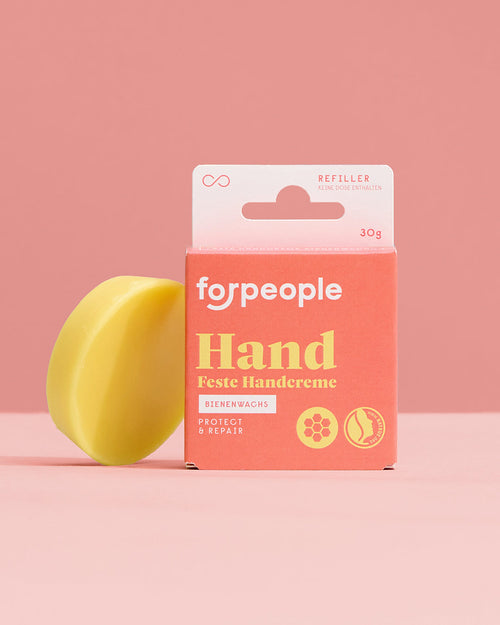
Solid Hand Cream Refill - Beeswax, 30 g, €7.90: the same formula for refilling.
More on this: Argan oil for skin, hair and nails: how to use it · Dry, cracked skin on the toes · Dyshidrosis: itchy blisters on hands and feet
Sources
- Iorizzo M, Starace M, Pasch MC (2022): Leukonychia: What Can White Nails Tell Us? American Journal of Clinical Dermatology 23(2): 177–193. https://doi.org/10.1007/s40257-022-00671-6
- DermNet: White nail – Leukonychia. Mardiros L, Numan H (2022), reviewed by Coulson I, accessed 29.10.2026. https://dermnetnz.org/topics/white-nails
- DermNet: Fungal nail infections. Hillan A (2022), reviewed by Coulson I, accessed 29.10.2026. https://dermnetnz.org/topics/fungal-nail-infections
- Chen AF, Chimento SM, Hu S, Sanchez M, Zaiac M, Tosti A (2012): Nail damage from gel polish manicure. Journal of Cosmetic Dermatology 11(1): 27–29. https://doi.org/10.1111/j.1473-2165.2011.00595.x
- NHS: Nail problems. Last reviewed 12.03.2024, accessed 29.10.2026. https://www.nhs.uk/conditions/nail-problems/
- American Academy of Dermatology (AAD): 11 dermatologists’ tips for healthy nails. Last updated 10.02.2025, accessed 29.10.2026. https://www.aad.org/public/everyday-care/nail-care-secrets/basics/healthy-nail-tips