



Certified organic cosmetics are natural cosmetics for which an independent certifier has checked that a defined share of the ingredients comes from controlled organic farming. Neither "natural cosmetics" nor "organic cosmetics" is defined by law; what the terms mean is set by private standards such as NATRUE and COSMOS. A seal therefore mainly tells you which rules a product was checked against.
What the law covers – and what it doesn't
In the EU, all cosmetics fall under the same Regulation (EC) No 1223/2009: it governs safety, labelling and advertising, but has no separate category for "natural" or "organic" cosmetics. Claims must be truthful, supported by evidence and not misleading. The EU organic regulation, which governs "organic" for food, does not apply to cosmetics as finished products. That is why organic cosmetics rely on private standards with independent checks.
What the seals require
| Standard | Levels | Organic requirement |
|---|---|---|
| NATRUE | natural, organic | For the organic level, at least 95% of the natural plant and animal ingredients come from controlled organic farming or certified wild collection. |
| COSMOS | COSMOS NATURAL, COSMOS ORGANIC | For ORGANIC, at least 95% of the physically processed agro-ingredients (such as oils, butters, waxes) are organic, and at least 20% of the total product (10% for certain product types). |
Both standards work with positive lists of permitted substances and processes and are checked by approved, independent bodies. The details are on our page Natural cosmetics: the law, ISO 16128, NATRUE and COSMOS.
How much organic is inside?
The ingredient list tells you. Ingredients from organic farming are usually marked with an asterisk, and the footnote gives the share. Water and minerals cannot be "organic"; that is why a product with a lot of water often has a lower organic share of the total product than a water-free formula. How to read the list is explained in How to read an INCI list.
What a seal does not tell you
- A seal is not a statement about how a product works on the skin.
- It says nothing about whether a product suits your skin. Natural substances such as essential oils can also cause skin reactions; more in Essential oils and fragrance allergens.
- A statement such as "x% of natural origin according to ISO 16128" is the manufacturer's own calculation, not a certification.
At forpeople
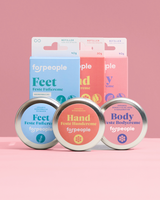
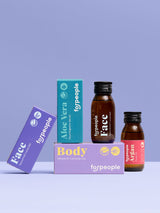
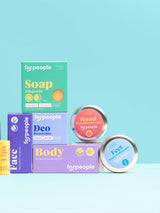
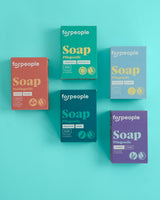
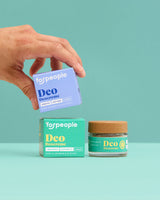
Which seals apply to which forpeople product is shown on the certifications page and on each product page. You can spot the organic ingredients by the asterisk in the ingredient list. More: Water-free cosmetics · Natural cosmetics standards · How to read an INCI list



Leave a comment
This site is protected by hCaptcha and the hCaptcha Privacy Policy and Terms of Service apply.