

















Discover products with castor oil:




Castor oil
Castor oil is rich in ricinoleic acid and forms a dense, glossy film on the skin. This helps protect dry skin from drying out and keeps chapped lips supple.
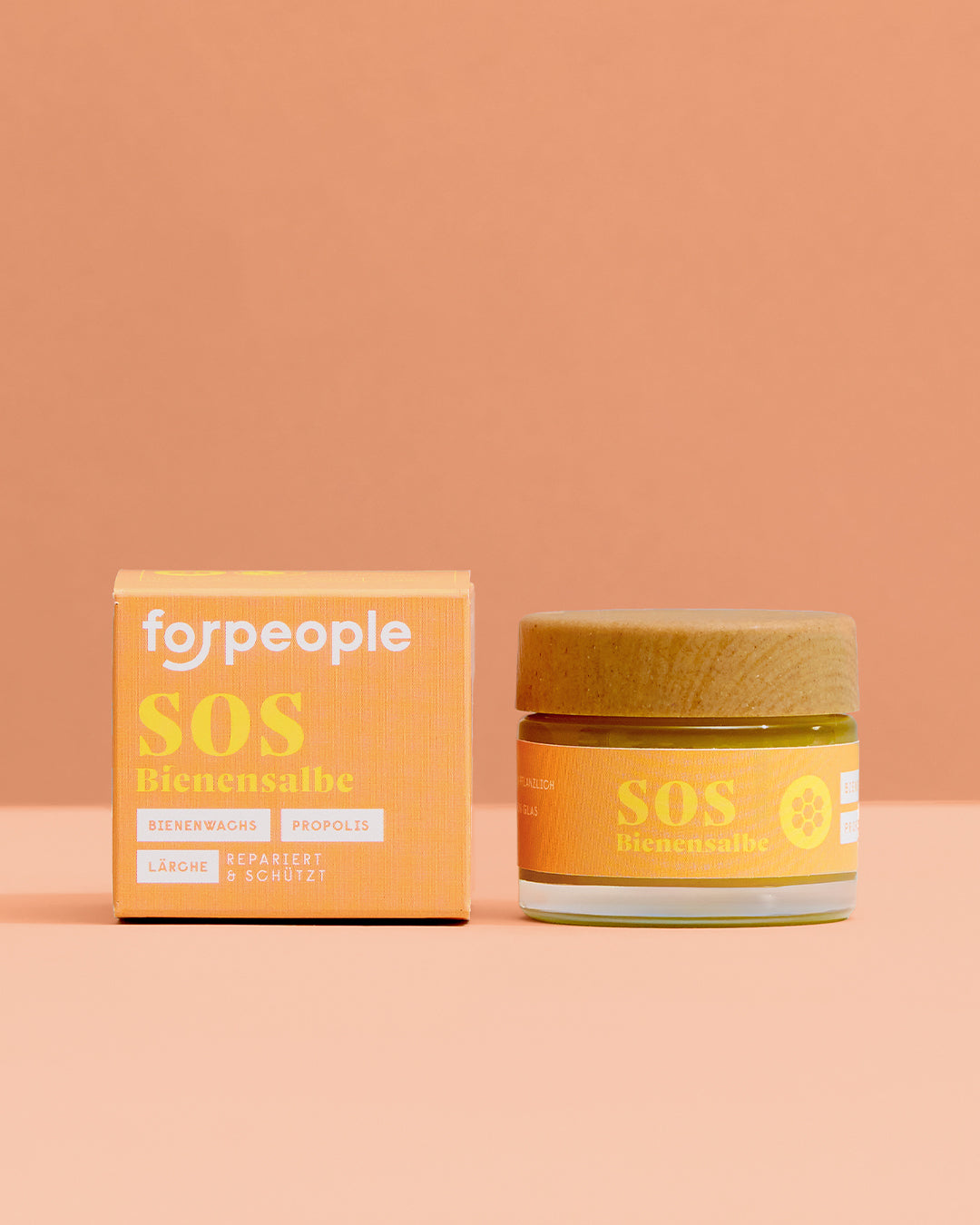
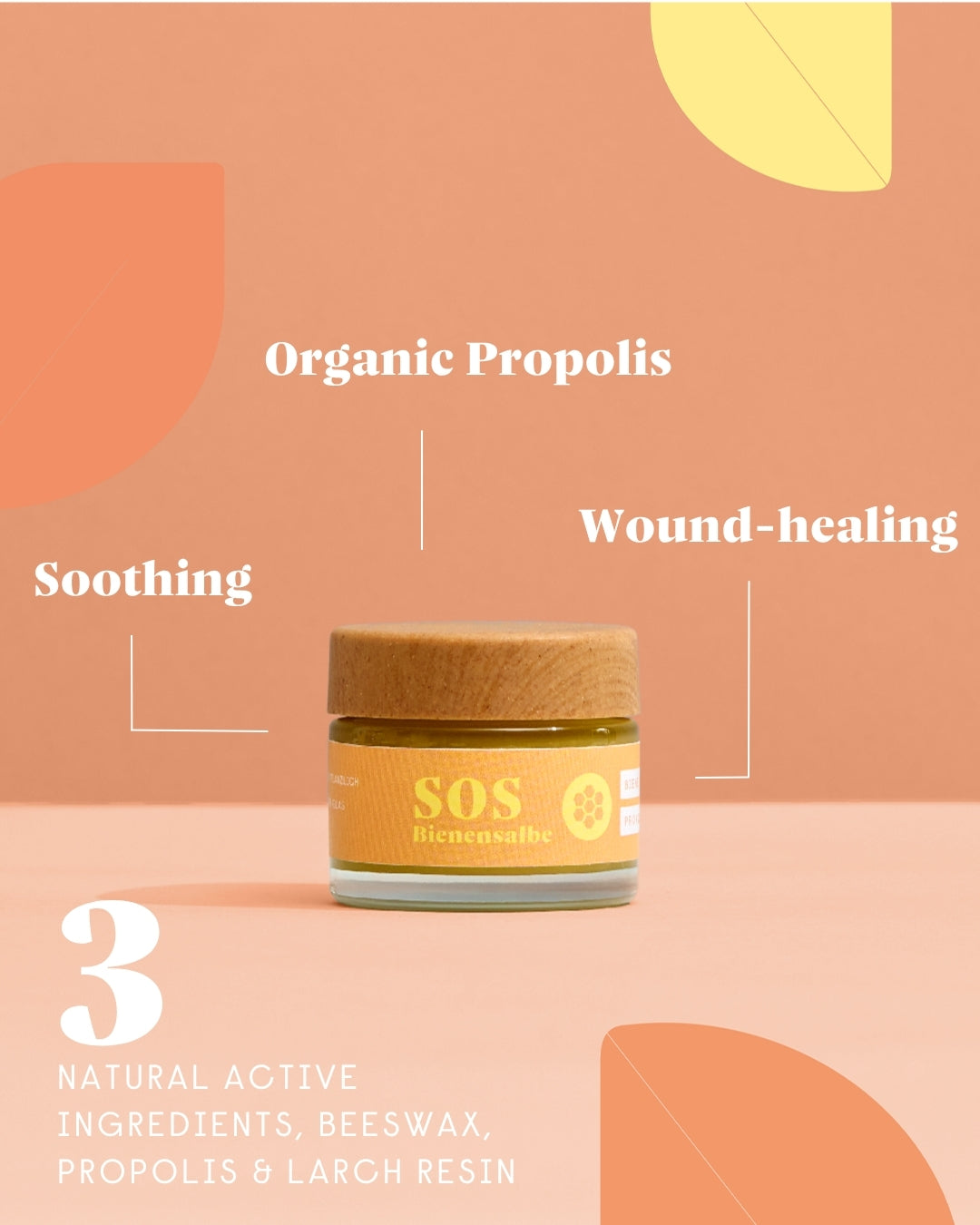
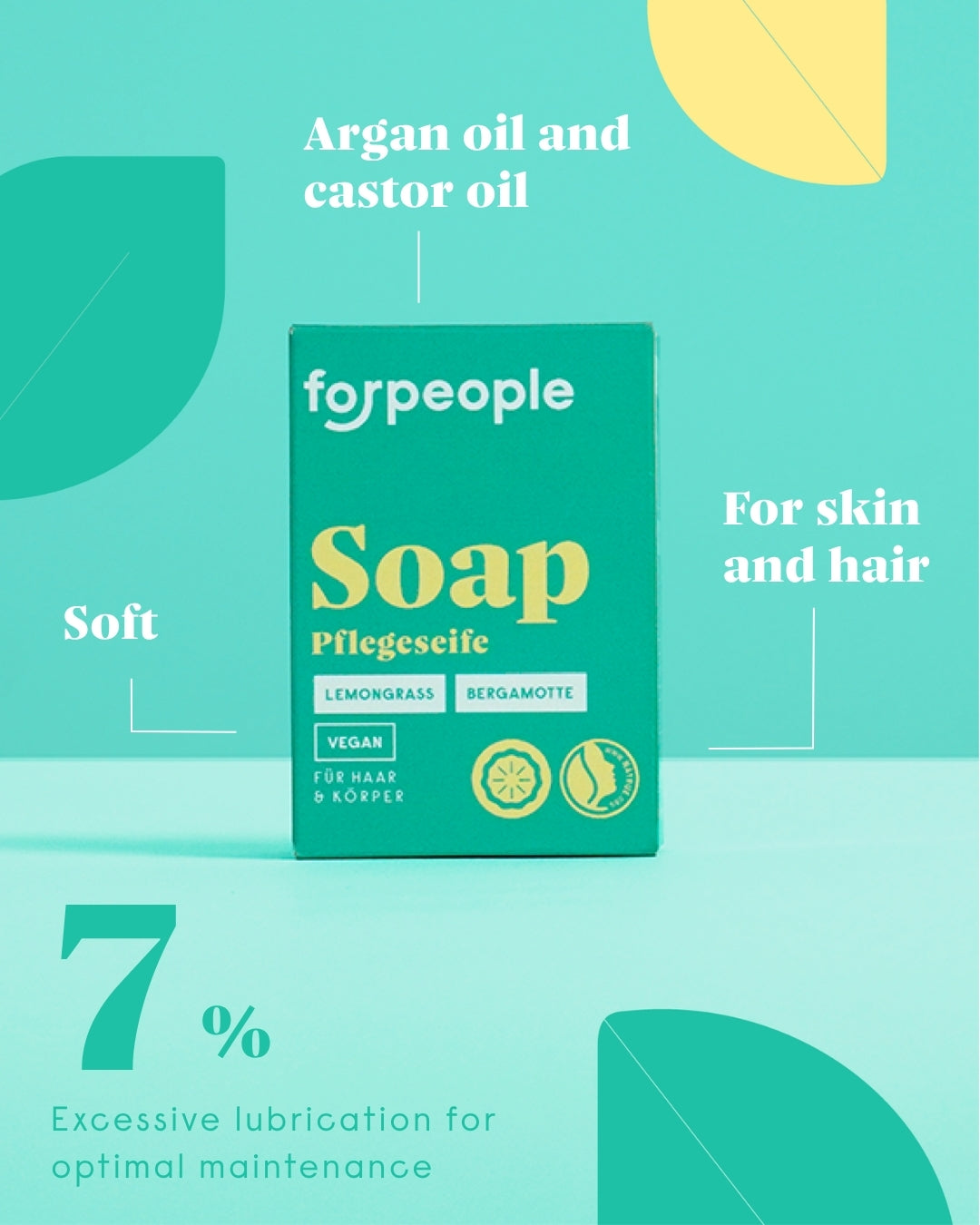
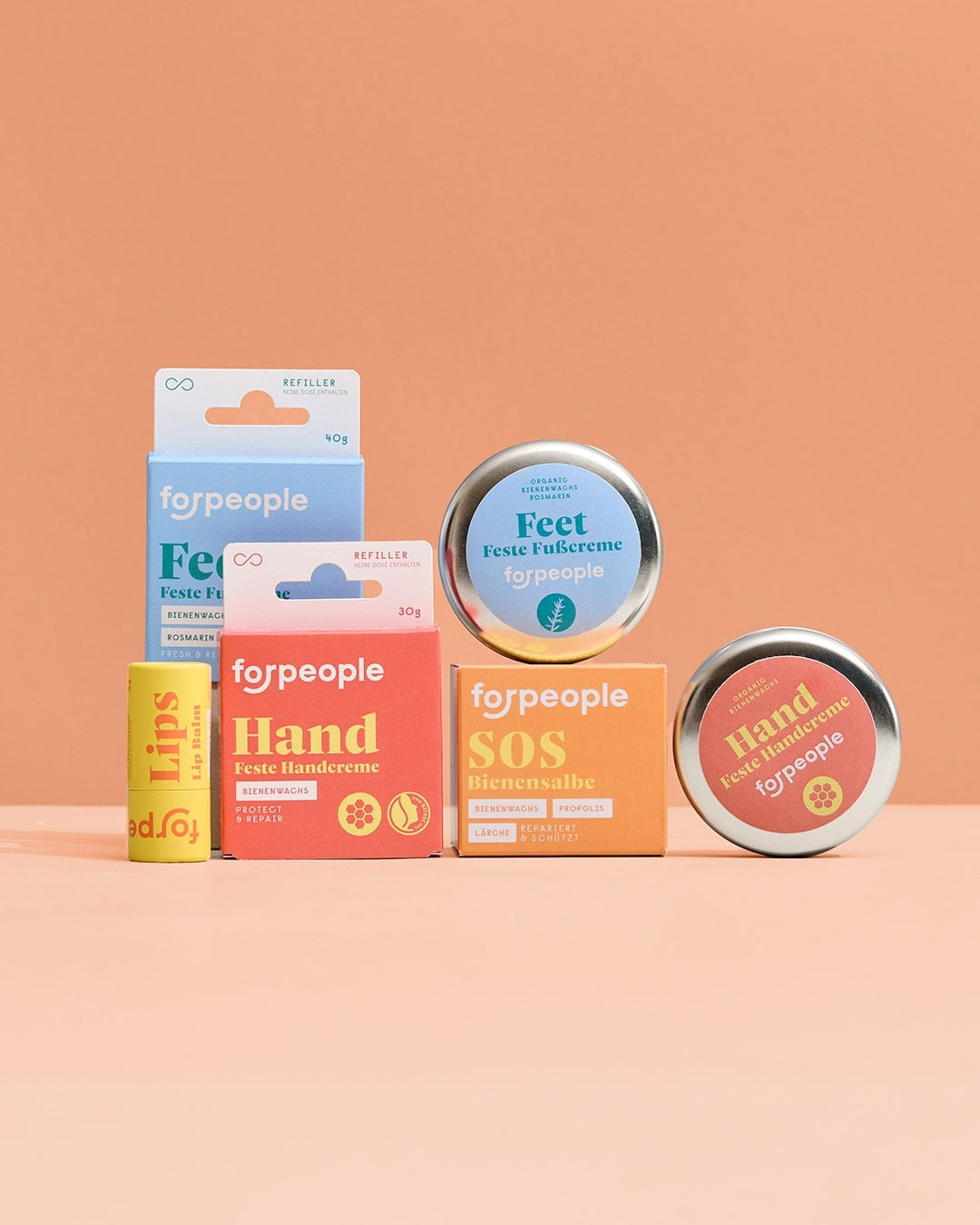
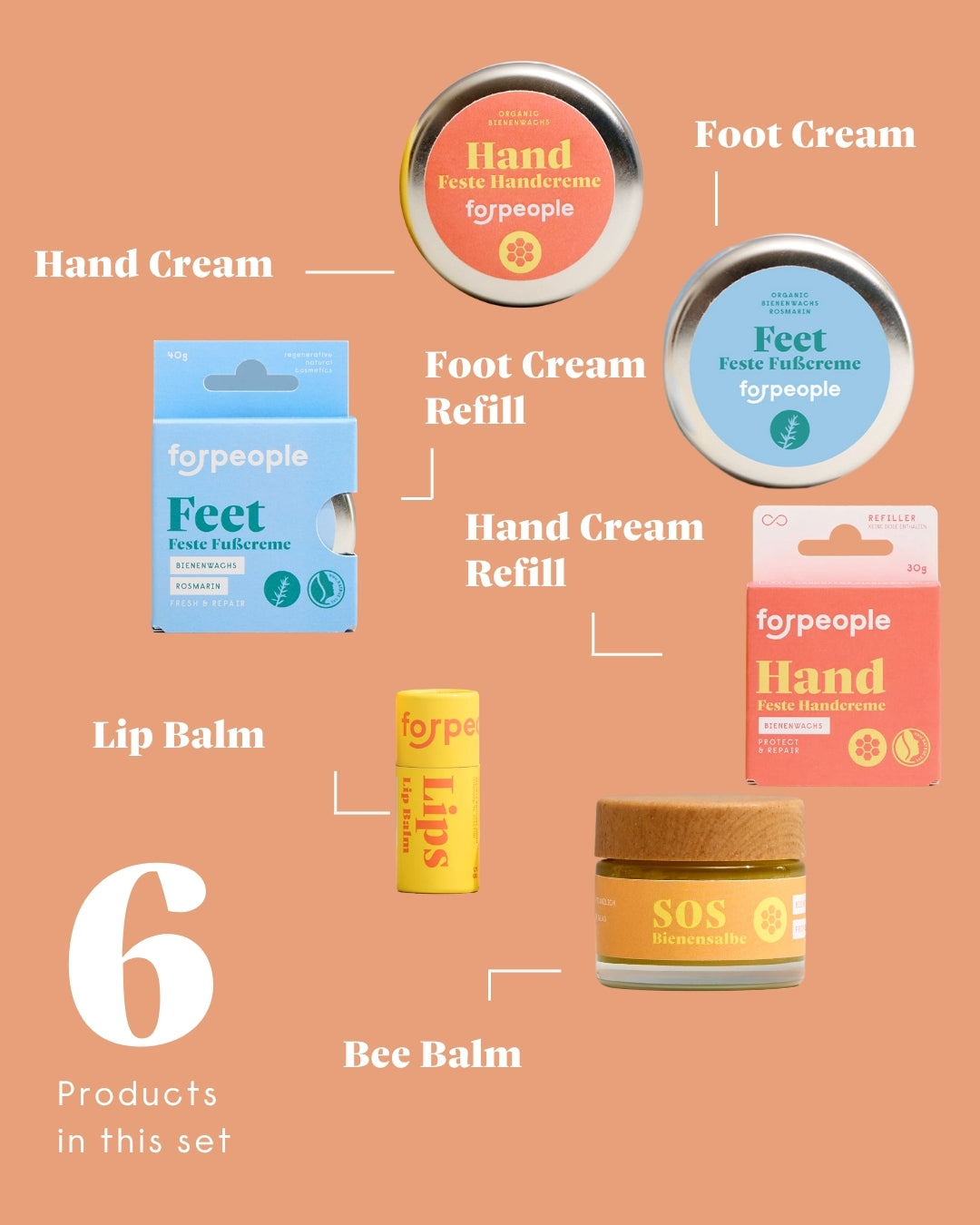
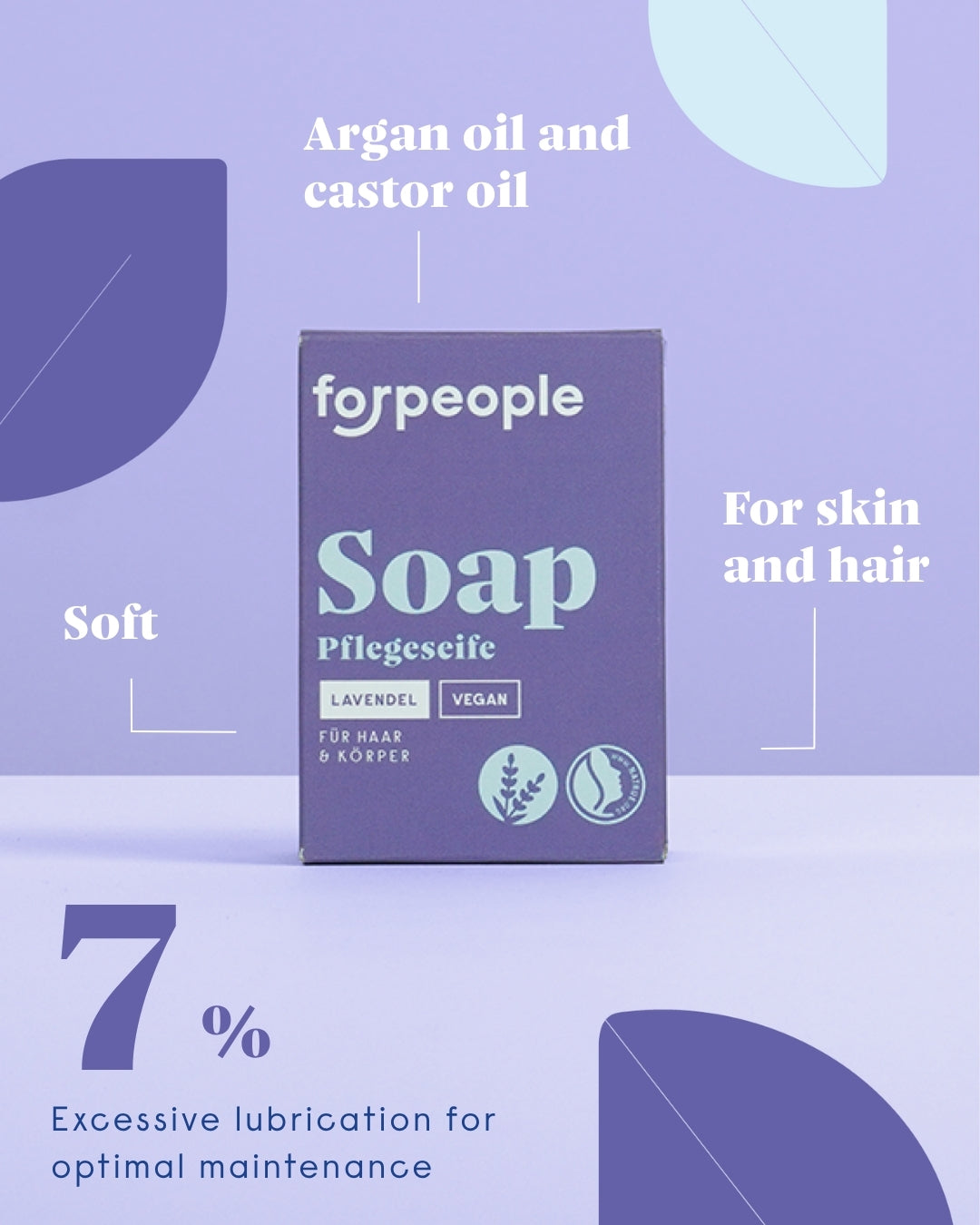
At forpeople, according to the ingredient lists, it is found in the Beeswax Salve and the bar soaps: see products with castor oil.

Origin
Castor oil is obtained from the seeds of the castor oil plant (Ricinus communis). Most of it comes from India, which accounts for over 90% of global exports; the plant is also grown in Africa and South America. For cosmetics, the seeds are usually cold-pressed.
The seeds contain ricin, a toxic protein. It does not pass into the oil. Our castor oil comes from certified organic farming.
100% Organic
We use organic castor oil from certified organic farming. Under the EU organic regulation, chemically synthesised pesticides and mineral fertilisers are generally not permitted.
According to the ingredient lists, it is found in our Beeswax Salve (glass jar and tin) alongside olive and almond oil, and in the bar soaps. The Beeswax Salve also contains larch resin and propolis; see our allergy notes.

FAQ
The most common questions about castor oil
What is castor oil and what does it do to the skin?
Castor oil is pressed from the seeds of the castor oil plant (Ricinus communis). Up to 90% of its fatty acids are ricinoleic acid. On the skin, the thick oil forms a glossy film that keeps it supple and helps protect it from drying out.
What is castor oil used for in skincare?
Castor oil is mainly found in lipsticks and lip balms, salves and soaps. In lip care it adds shine; in salves it helps create a soft, spreadable texture. Used on its own, it is often applied to rough areas such as elbows or heels. At forpeople, it is in the Beeswax Salve and the bar soaps, not in the lip balms.
Is castor oil good for your skin?
Castor oil is a skin-care oil: it forms a film on the skin and helps protect it from drying out. In 2007, the expert panel of the US Cosmetic Ingredient Review assessed it as safe for cosmetics at the usual concentrations. Contact allergies are rare but have been described, mainly from lipsticks. Try any new product on a small area of skin first.
How is castor oil applied?
Castor oil is very thick. Used on its own, a small amount is enough, ideally in the evening, as it absorbs slowly. For the lips, a thin film will do. It is usually blended with other oils, butters or waxes, for example in salves. Keep it away from your eyes.
Is there a difference between castor oil and organic castor oil?
Organic castor oil comes from certified organic farming under the EU organic regulation, which generally does not permit chemically synthesised pesticides or mineral fertilisers. This does not fundamentally change the oil's fatty acids or texture.
Magazine
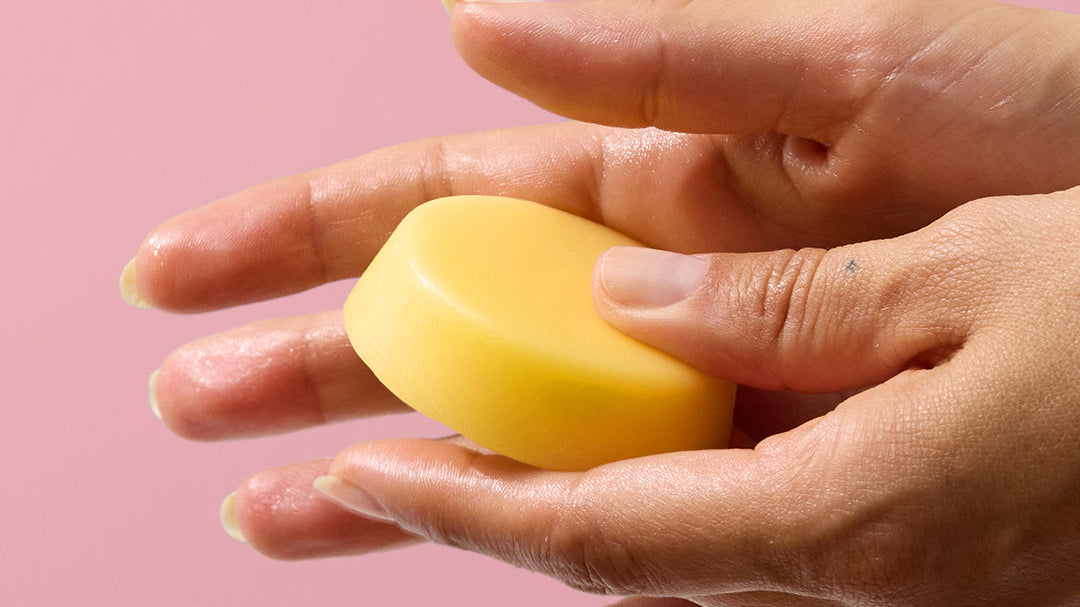
What is in the solid body butter – and why
The solid body butter is made from six raw materials. What each does in the formula, why there is no water in it, where the scent comes from and how tin, refill and travel size belong together.
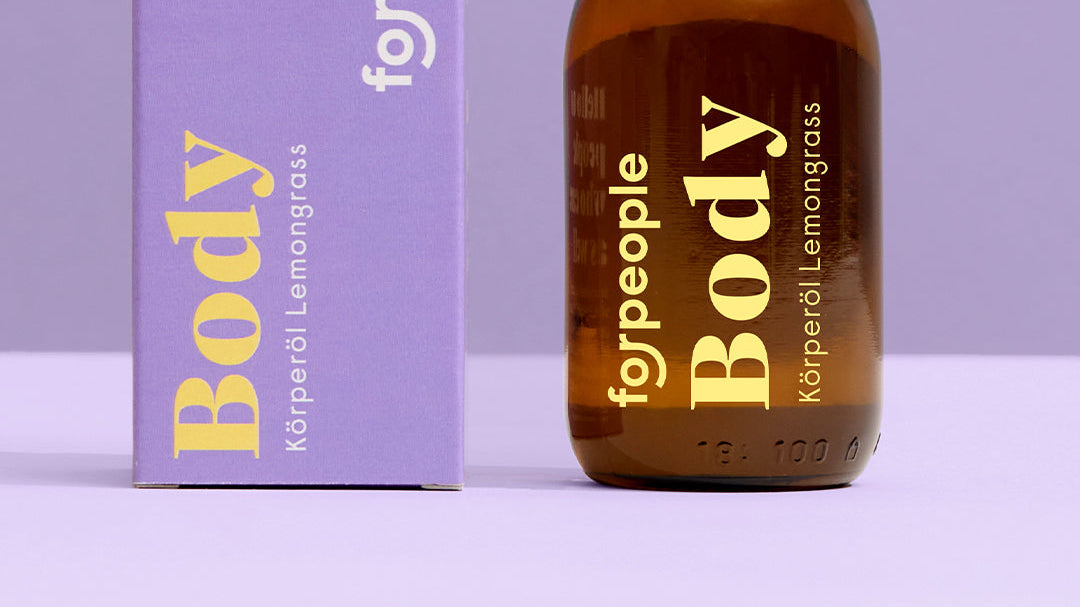
Preparing a massage at home: oil, warmth, towels
A warm room, a firm surface, two towels and an oil within reach: this is how you prepare a massage at home. With notes on warming the oil and on skin, floor and laundry afterwards.
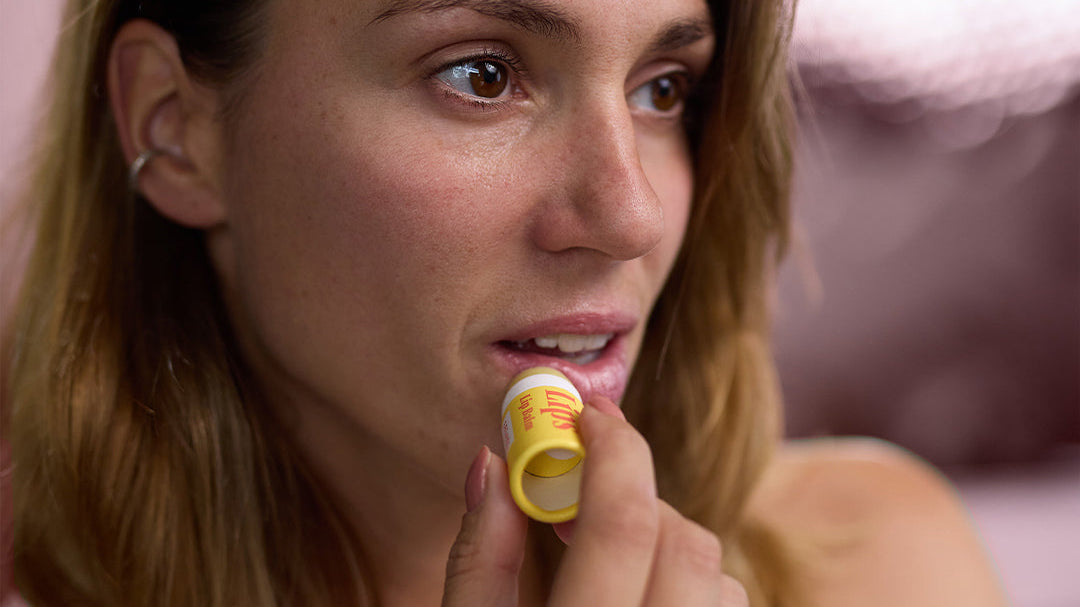
Face and lips through winter: a routine for every day
Cold air outside, dry heated air inside: a short routine for face and lips in the morning, on the go and in the evening, plus the mistakes that happen most often in winter.
