















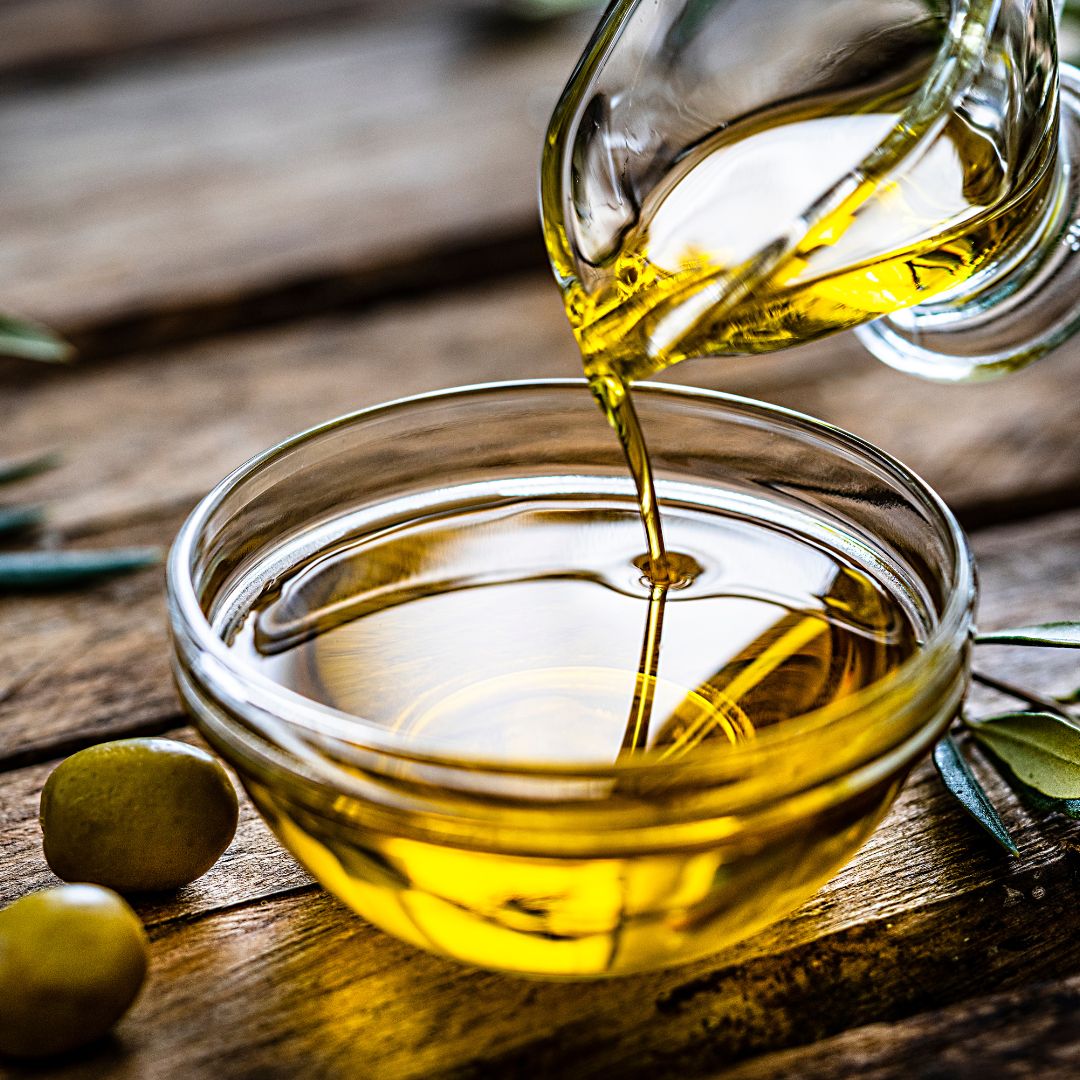


Profile
A classic Mediterranean oil with a long history
Olive oil has been obtained from the fruit of the olive tree (Olea europaea) since antiquity. Oleic acid makes up 55 to 83% of its fatty acids (Codex standard for olive oils). Virgin olive oil also contains vitamin E and polyphenols. In salves, it combines with beeswax and resin to form a soft, spreadable mixture. If you react to resin or propolis, please read our allergy notes first.
Olive oil in our balms
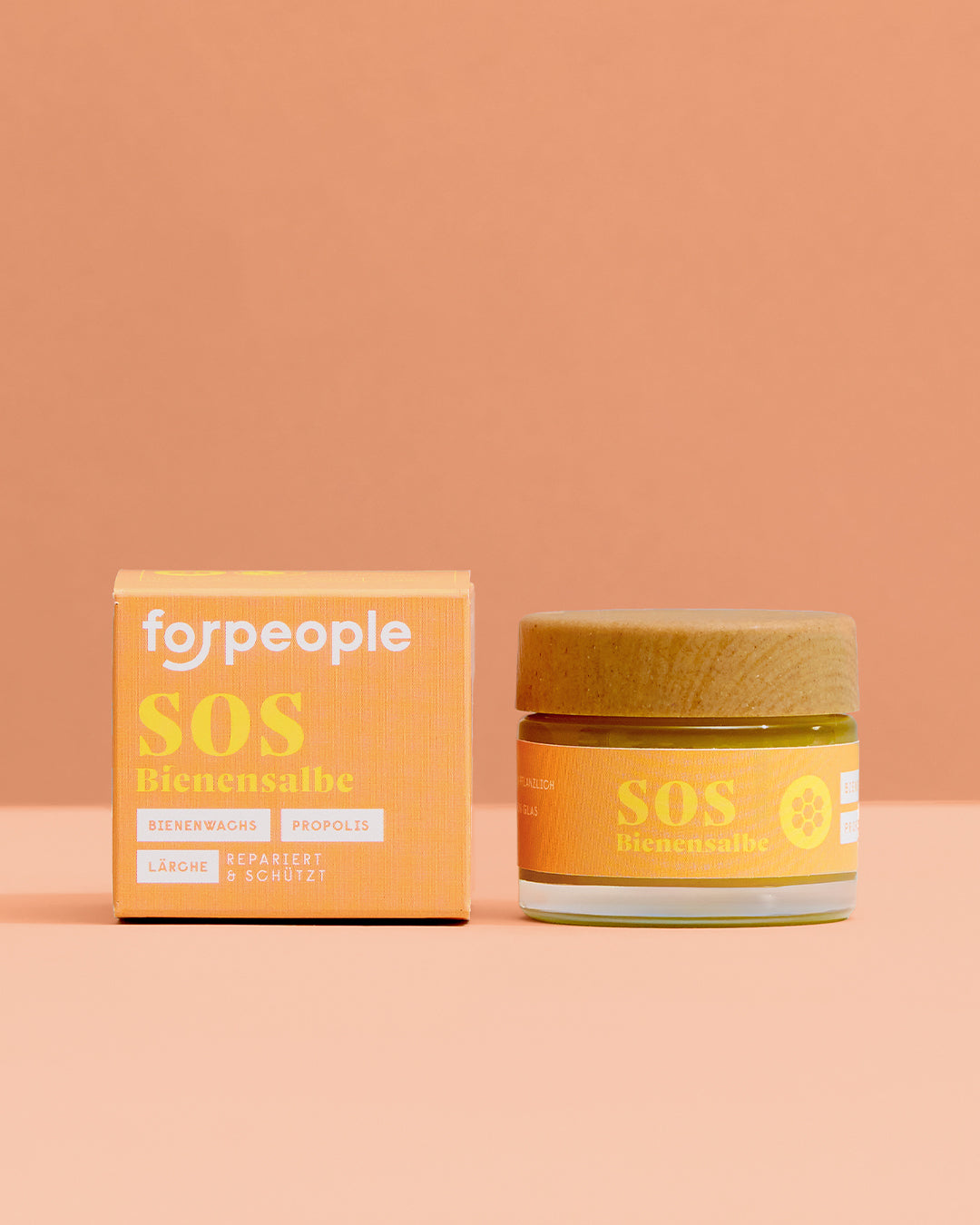
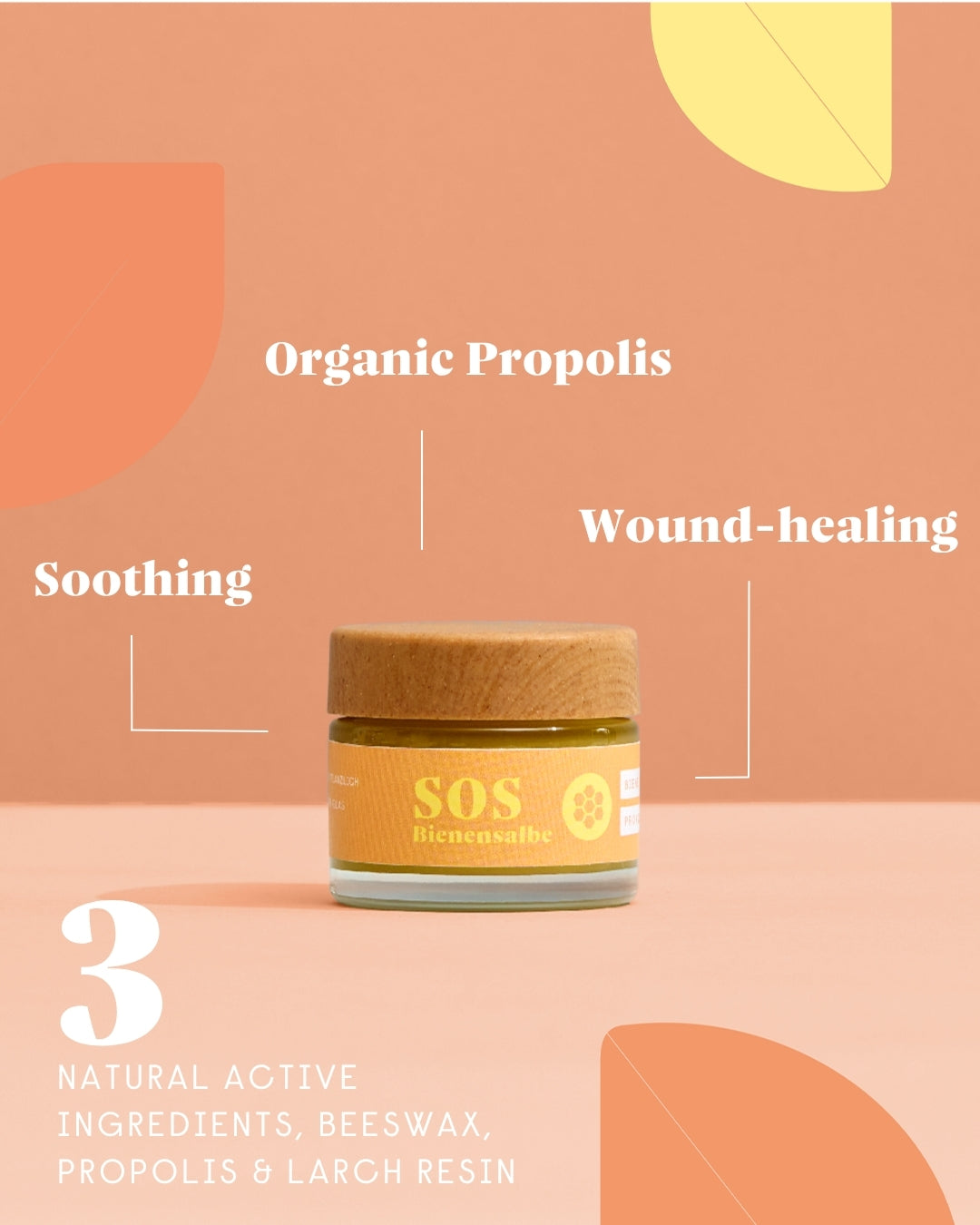


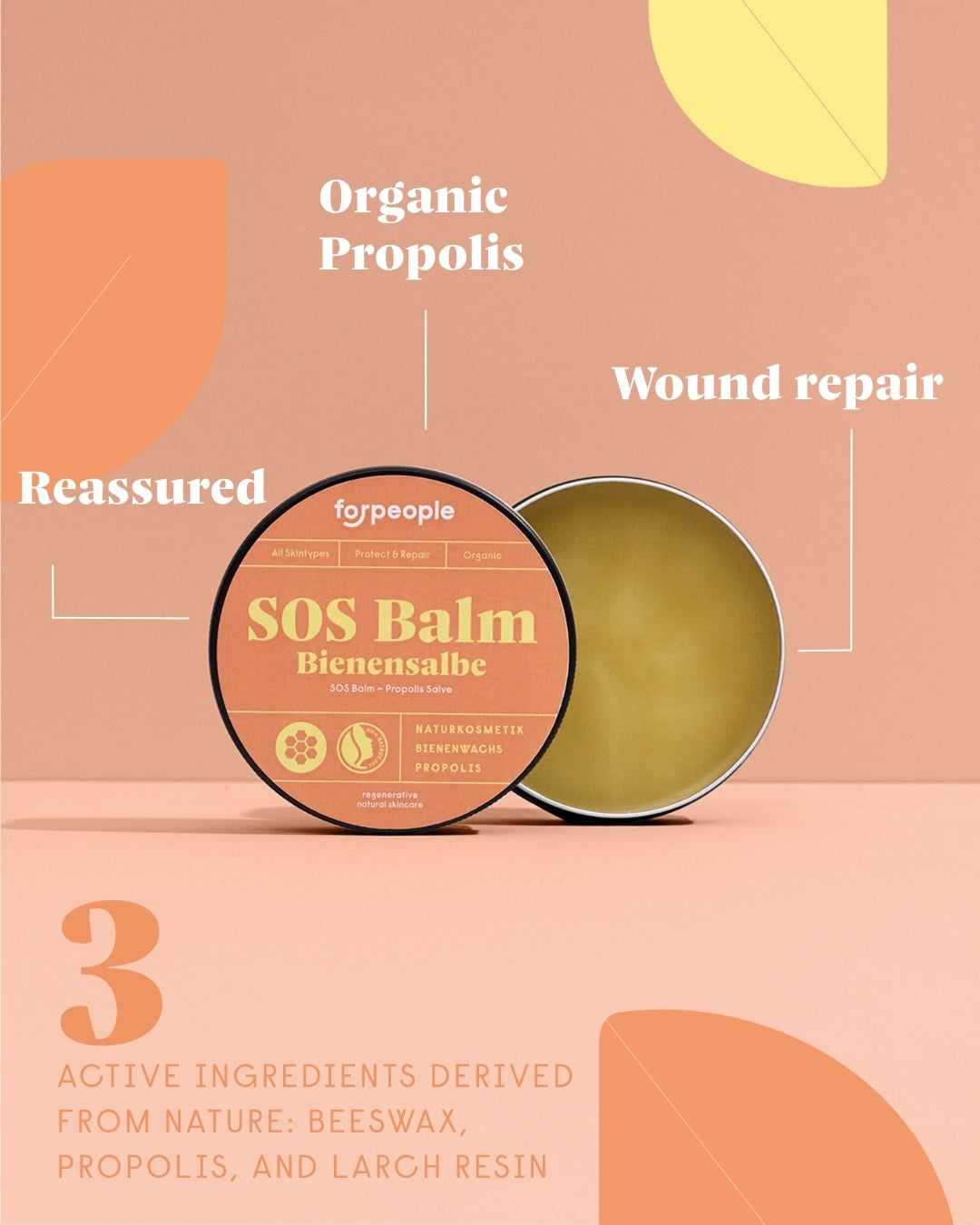

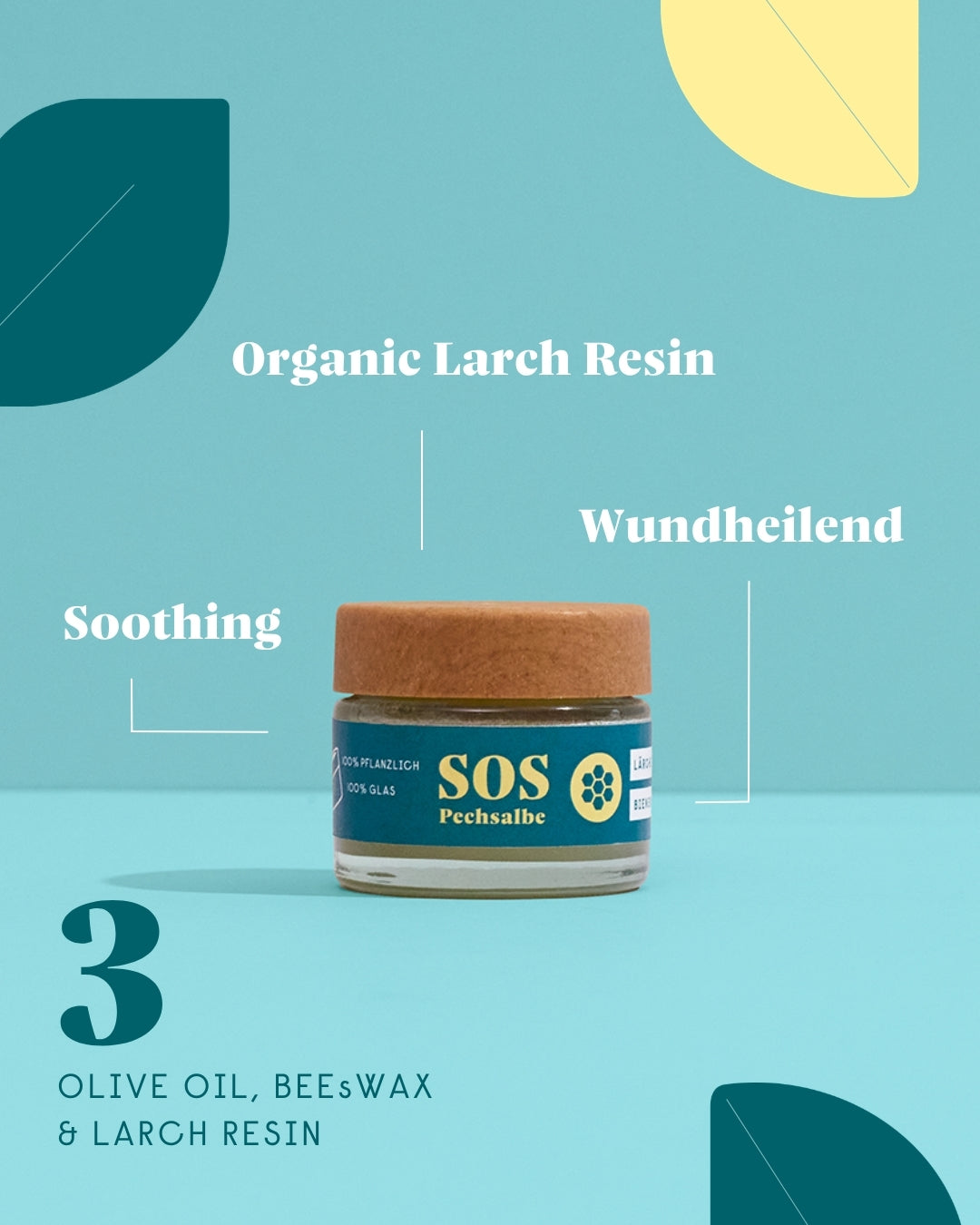
Olive oil on different skin types
How olive oil feels and what it does on the skin, depending on your skin type.
What does olive oil do on the skin?
Three properties that define olive oil in skin care.
Rich in oleic acid
Oleic acid is the main fatty acid. In a small study, pure olive oil applied to the same area for weeks weakened the outer layer of the skin (Danby et al. 2013).
Natural antioxidants
Vitamin E and polyphenols slow down oxidation, so the oil stays fresh for longer.
A protective film
Forms a film on the skin that slows water evaporation and keeps it supple.
What can you use olive oil for?
Rich skincare after showering
A classic carrier oil in pitch balm & bee balm
For stressed hands and nails
An ingredient of the solid foot cream, with sunflower oil and beeswax
Loosens make-up before cleansing
Listed first in our bar soaps
Olive oil pairs especially well with …
The classic partners in Mediterranean and Alpine tradition.
Glossary
Magazine
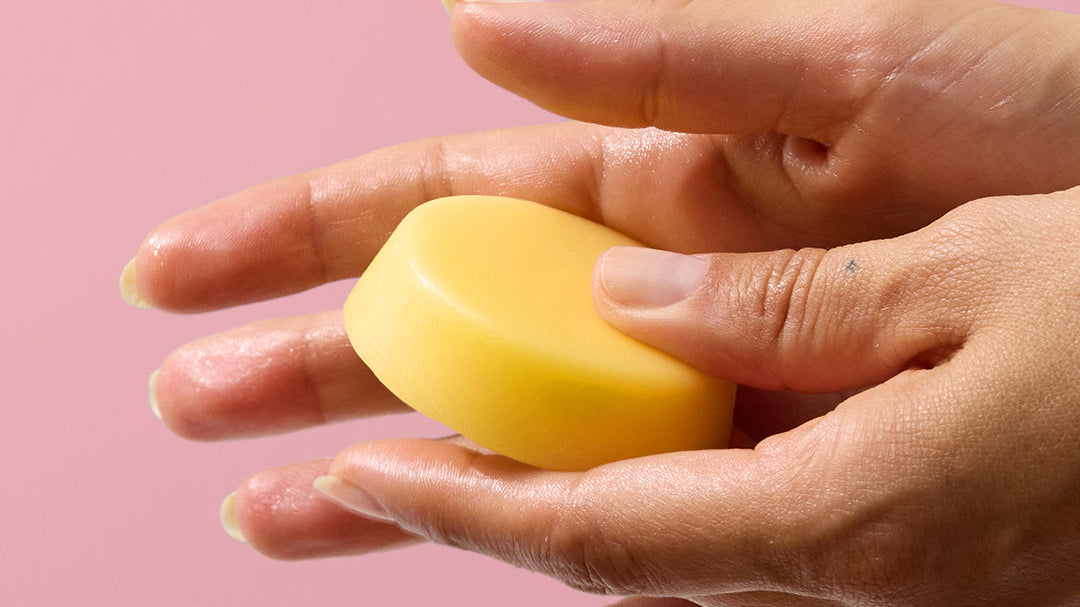
What is in the solid body butter – and why
The solid body butter is made from six raw materials. What each does in the formula, why there is no water in it, where the scent comes from and how tin, refill and travel size belong together.
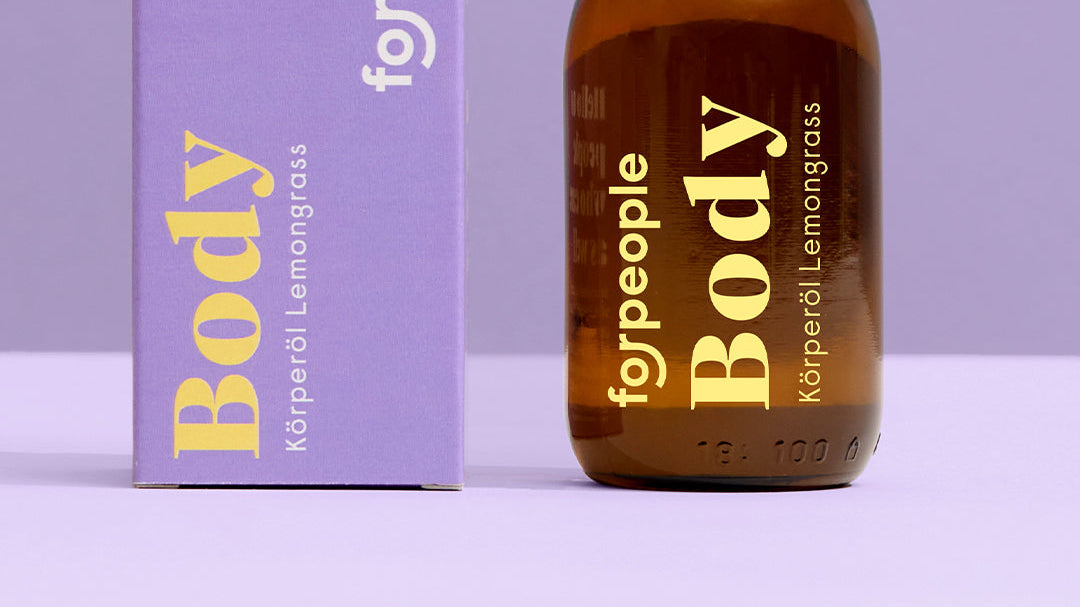
Preparing a massage at home: oil, warmth, towels
A warm room, a firm surface, two towels and an oil within reach: this is how you prepare a massage at home. With notes on warming the oil and on skin, floor and laundry afterwards.
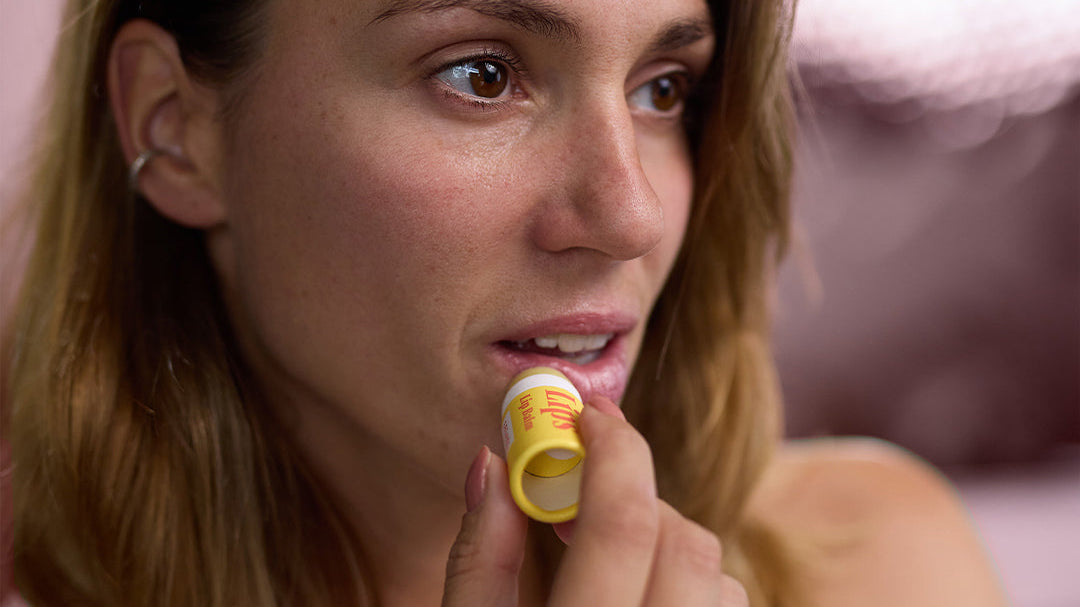
Face and lips through winter: a routine for every day
Cold air outside, dry heated air inside: a short routine for face and lips in the morning, on the go and in the evening, plus the mistakes that happen most often in winter.
