










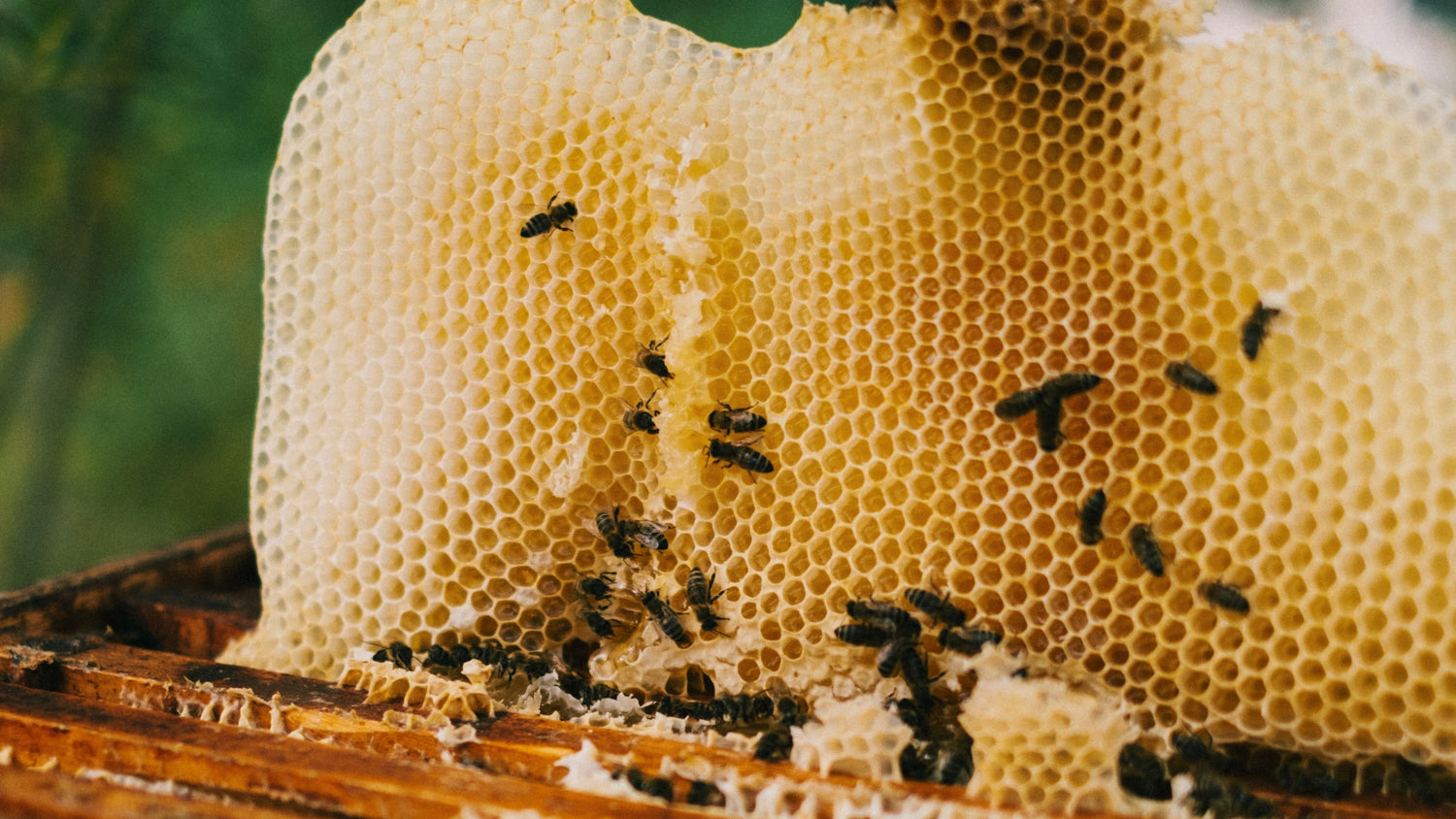
Can you imagine everything that would happen if bees went extinct? These little creatures have a huge influence not only on other species, but also on us and our lives. Around a third of our food and commercial agriculture depend on bees. Thanks to the way they pollinate blossoms, fruit, vegetables, nuts and a lot more become foods we simply take for granted. Bees pollinate about 80% of all native wild and crop plants and so secure the survival of biodiversity.
In the mid-2000s, though, the great bee die-off began. Of the more than 500 wild bee species in Germany, half are now threatened with extinction. There are several reasons for this.
One of them, for example, is the malnutrition of the bees, caused by an increase in monocultures and widespread arable farming. In the fields the bees find either very one-sided food or too little food. There are no longer enough wildflower meadows where bees can find varied food.
Another reason is the insecticides and pesticides spread on the plants to protect against pests. These can be deadly for bees. They disrupt the bees' sense of direction and weaken their immune system.
These days bees are dying more and more often because they can no longer find nesting sites in nature and are also attacked more heavily by parasites and pathogens.
Many bees fall victim to climate change too. Because winters are milder, they fly out for longer and use up more energy, so they don't live as long and can produce fewer offspring. Climate change also intensifies the droughts, during which fewer plants bloom and the bees have less food.
What is especially alarming for us, though, is that the absence of bees reduces the harvest more than a lack of fertiliser or too little water does.
So if the bee die-off keeps going or even gets worse, many of our favourite foods could soon disappear. The missing pollination will also lead to lower biodiversity. Fewer bees means fewer plants can be pollinated, so they die out. Animals that depend on these plants as a food source will feel this hard. This tiny pollinator therefore holds a fundamental role in our ecosystem, and without it our world will look very different and a lot emptier.
If you now feel like doing something about the bee die-off yourself, here are a few tips. You can, for example, support floral diversity by planting a wildflower meadow in your garden or herbs on your balcony. You can also create nesting sites for wild bees with piles of deadwood, open patches of soil and dry stone walls. It's also important to avoid pesticides wherever you can. That means reaching for organic products when you shop and firmly steering clear of heavily contaminated ones.
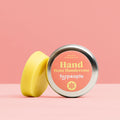
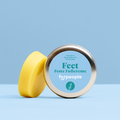
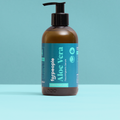
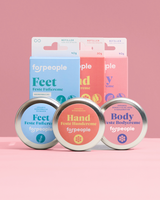
With our products from 4peoplewhocare you can support the bees too. For every product, several square metres of wildflower meadow are planted. In turn, we use the bees' beeswax in many of our products. That's how we create a natural cycle.


Leave a comment
This site is protected by hCaptcha and the hCaptcha Privacy Policy and Terms of Service apply.