

















Profile
A versatile plant oil from sunflower seeds
Sunflower oil is obtained from the seeds of the sunflower (Helianthus annuus). Classic sunflower oil contains about 62% linoleic acid and naturally contains vitamin E, mainly α-tocopherol. In solid creams and lip care, it makes wax and butter smoother and spreads easily.
Sunflower oil in our solid skincare
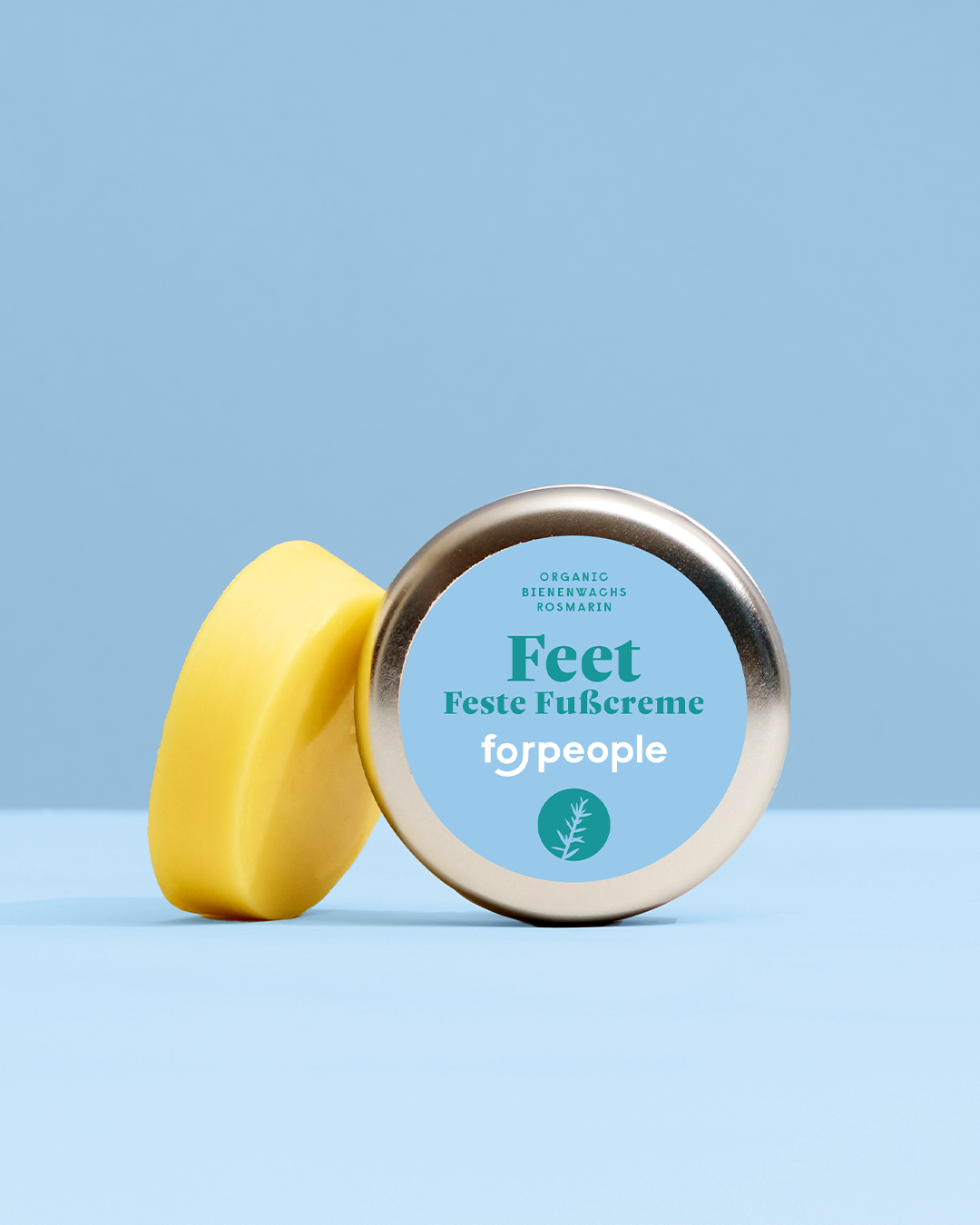
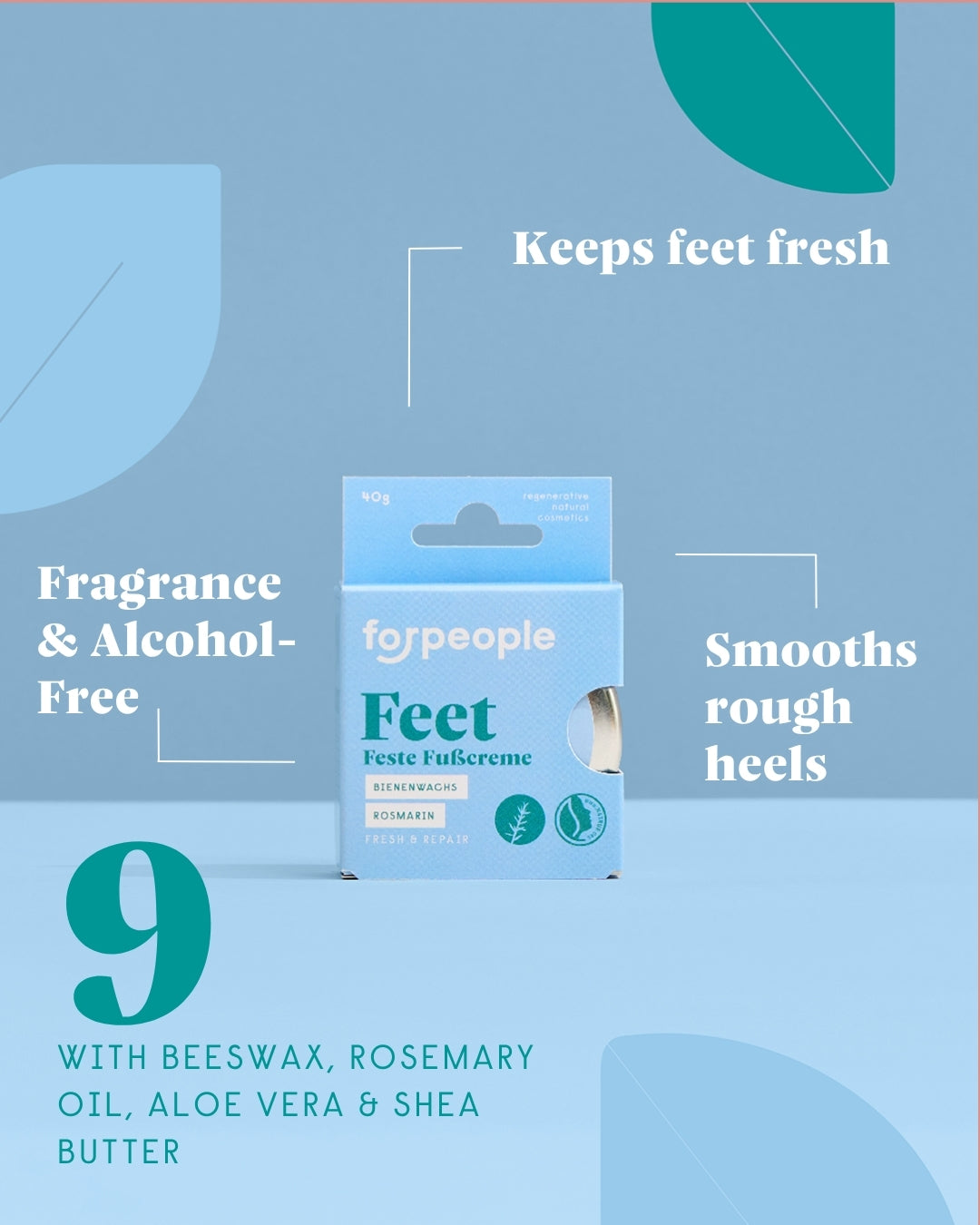
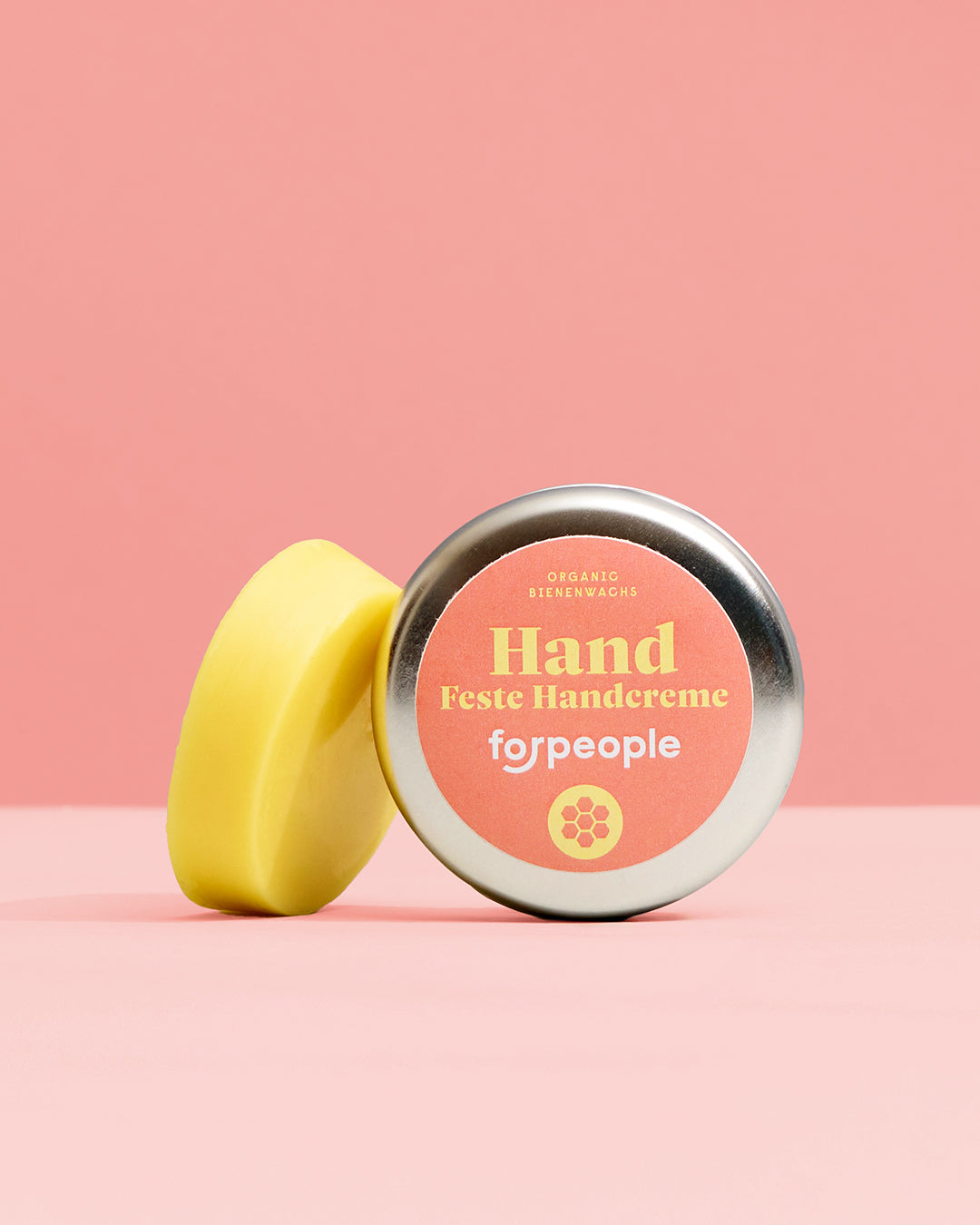
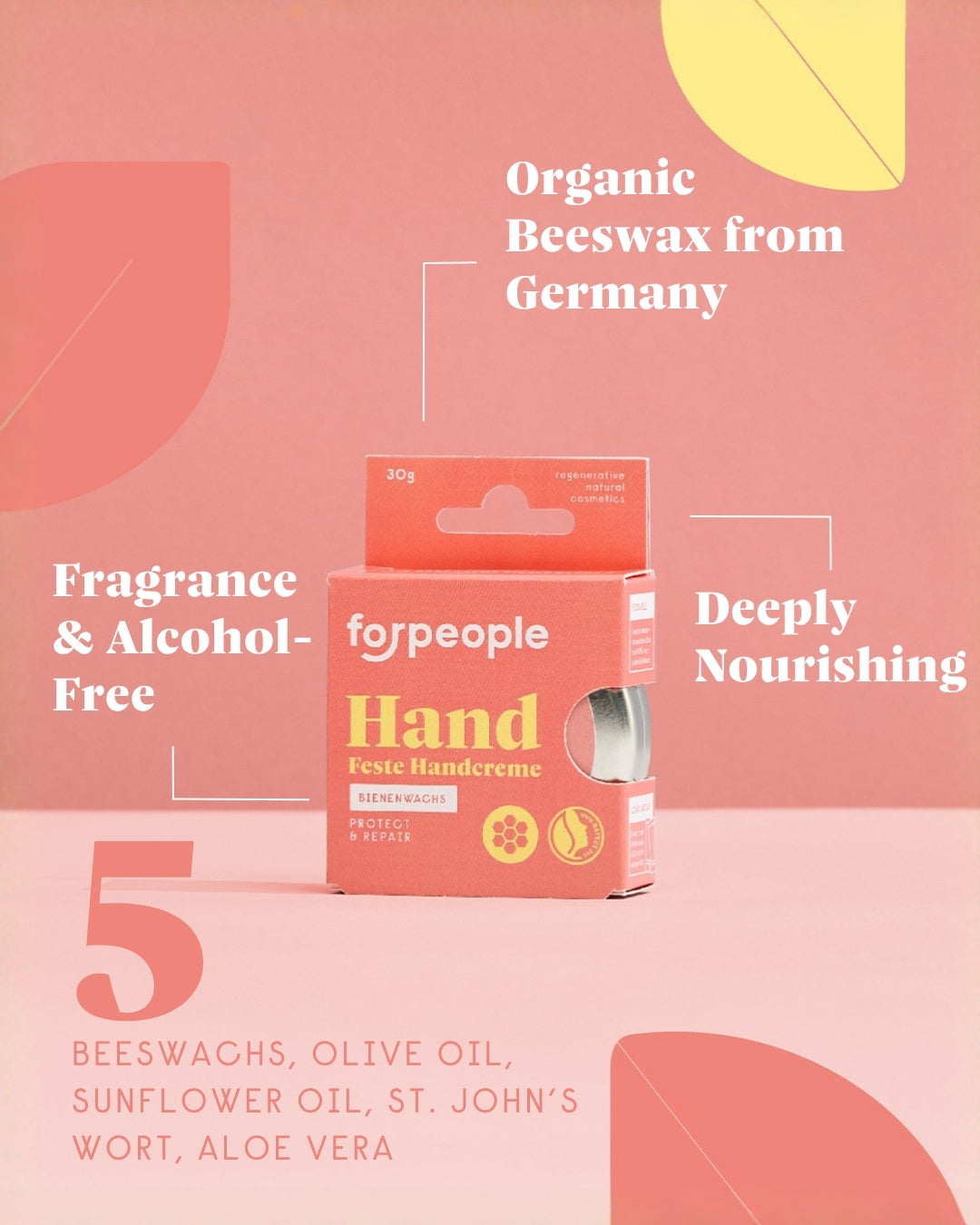

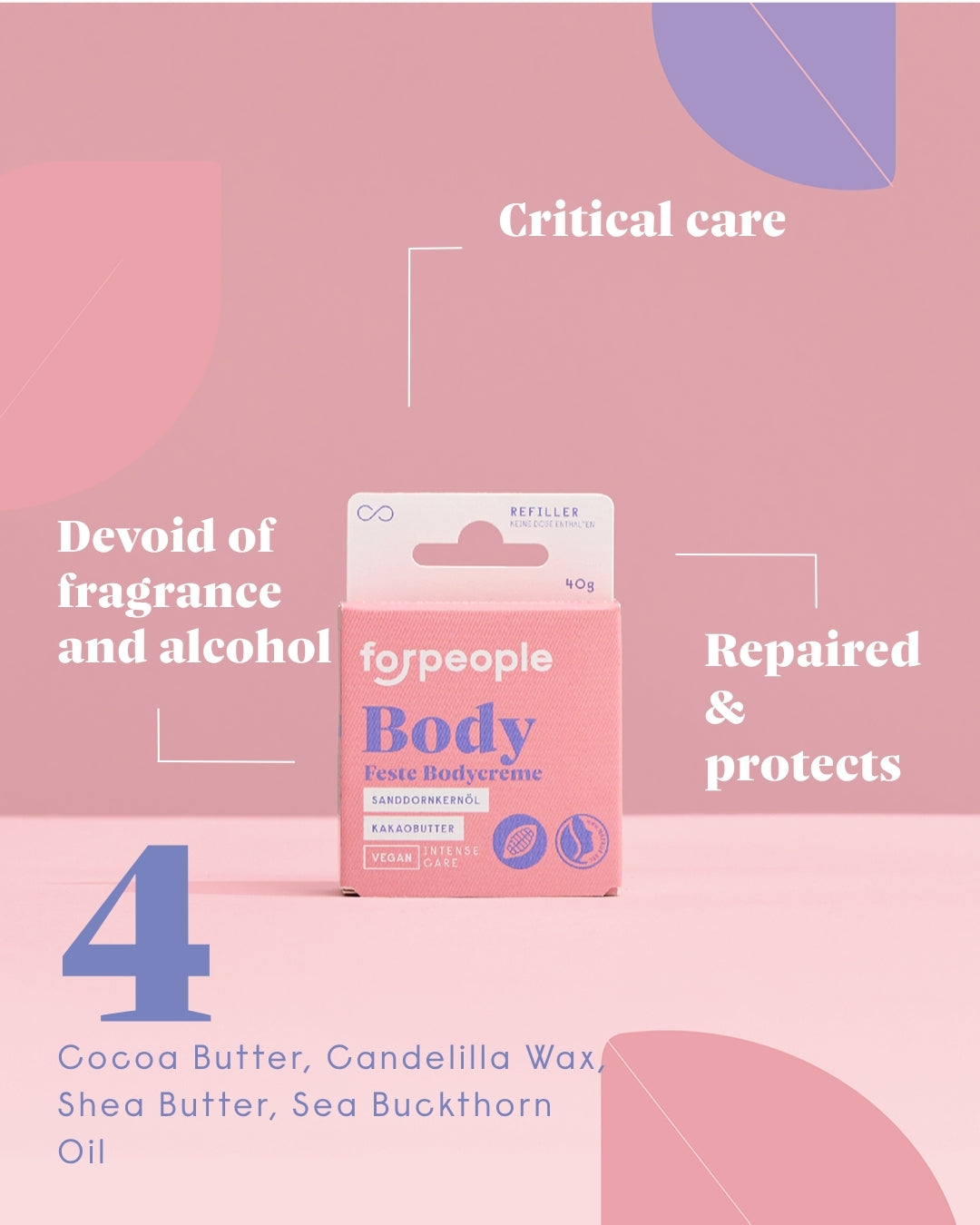
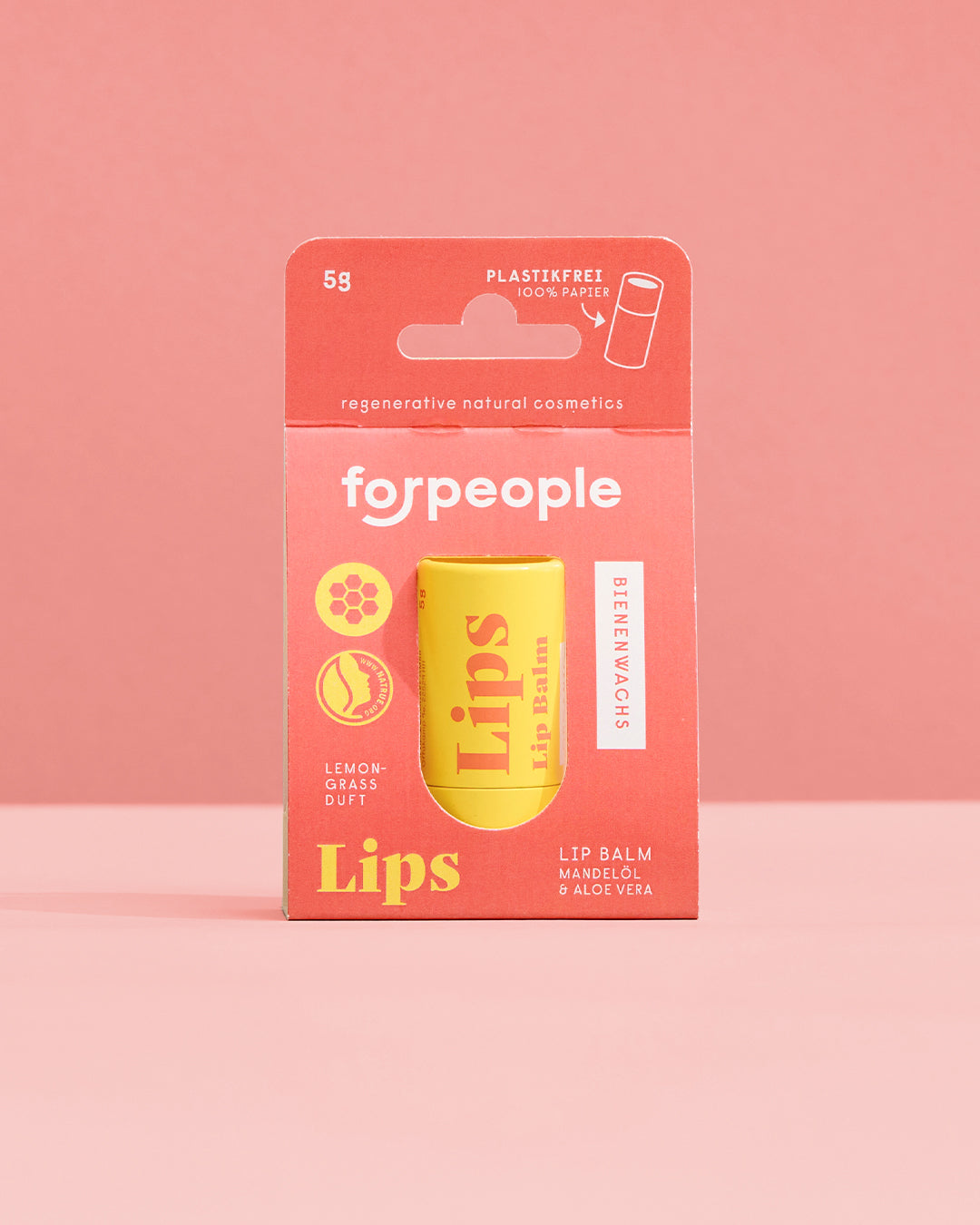
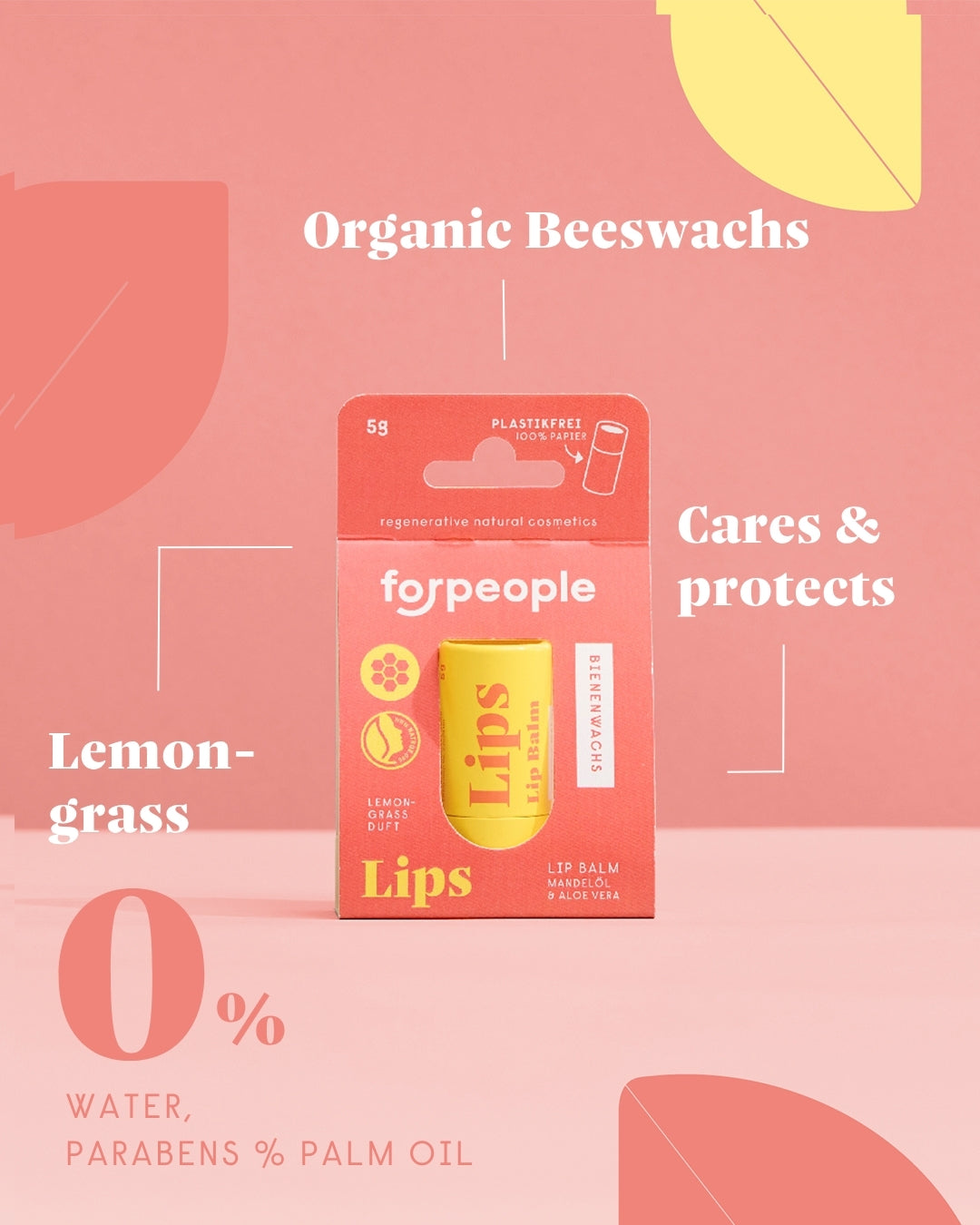
How does sunflower oil feel on different skin types?
Sunflower oil is thin and spreads easily; how much film remains depends on the amount.
How does sunflower oil work on your skin?
Three properties that make sunflower oil a versatile carrier oil.
Linoleic acid
Linoleic acid is an essential fatty acid; the body cannot make it itself.
Vitamin E
Over 93% of the vitamin E in sunflower oil is α-tocopherol (Shahidi & de Camargo 2016); it helps protect the oil from going rancid.
Carrier oil
Dissolves and distributes fat-soluble ingredients such as essential oils within the formula.
What can you use sunflower oil for?
Light care after showering
A light massage oil with good slip
Dissolves make-up as a cleansing oil
A classic carrier oil in salves
In our lip balms, including the one with SPF 15
For stressed, dry hands
Sunflower oil pairs especially well with …
Typical partners for sunflower oil in solid formulas.
Creamy and light: a typical base blend, for example in our lip balms.
Learn moreA classic balm base – wax + sunflower oil.
Learn moreA mineral UV filter, together with titanium dioxide, in our SPF 15 lip balm.
Learn moreTwo light oils we combine in our lip balms.
Learn moreGlossary
Magazine
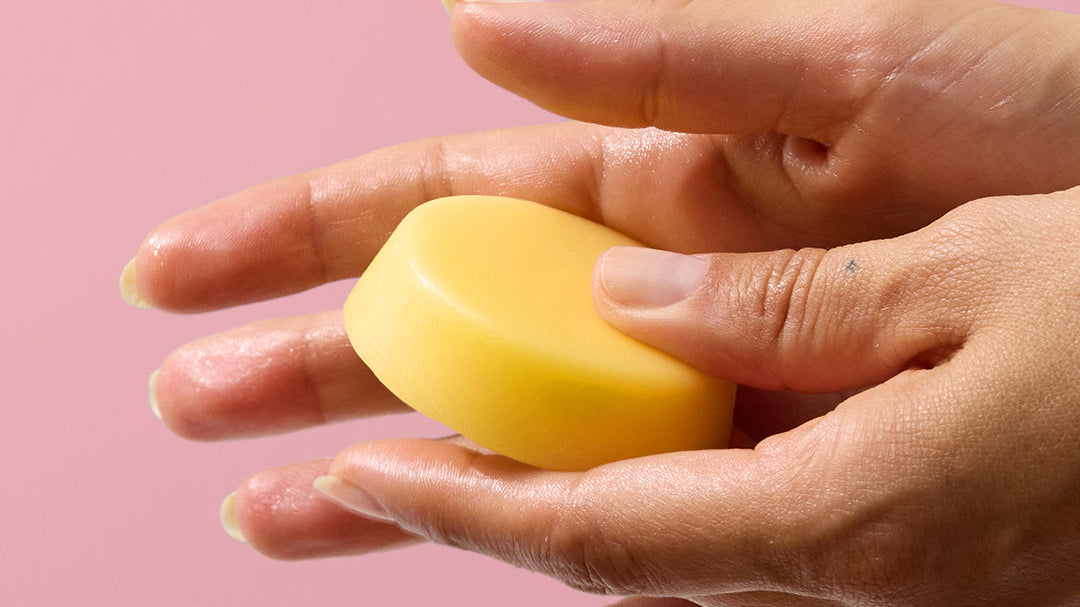
What is in the solid body butter – and why
The solid body butter is made from six raw materials. What each does in the formula, why there is no water in it, where the scent comes from and how tin, refill and travel size belong together.
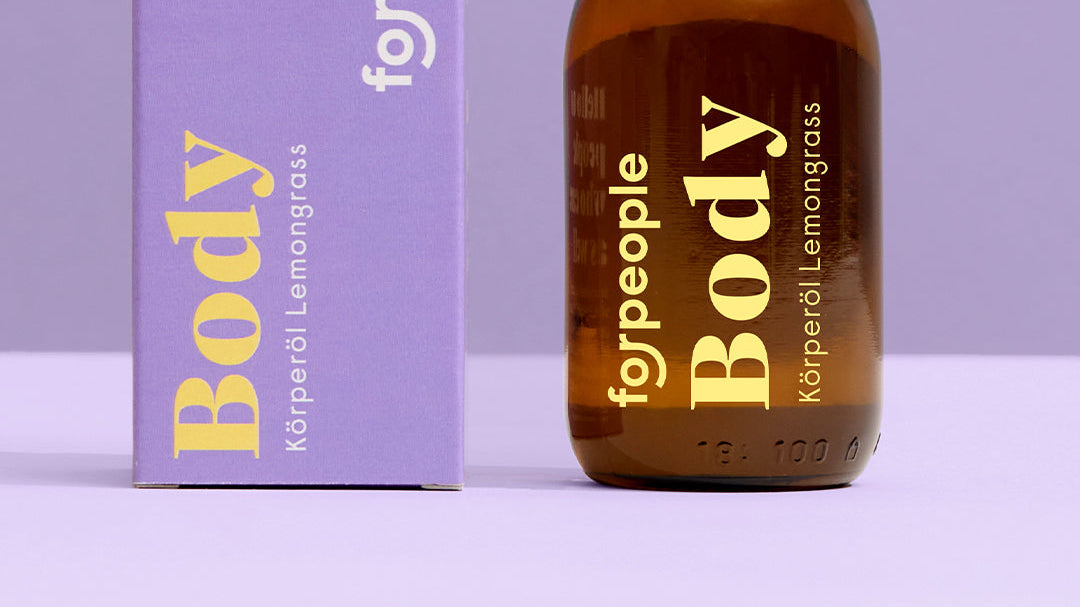
Preparing a massage at home: oil, warmth, towels
A warm room, a firm surface, two towels and an oil within reach: this is how you prepare a massage at home. With notes on warming the oil and on skin, floor and laundry afterwards.
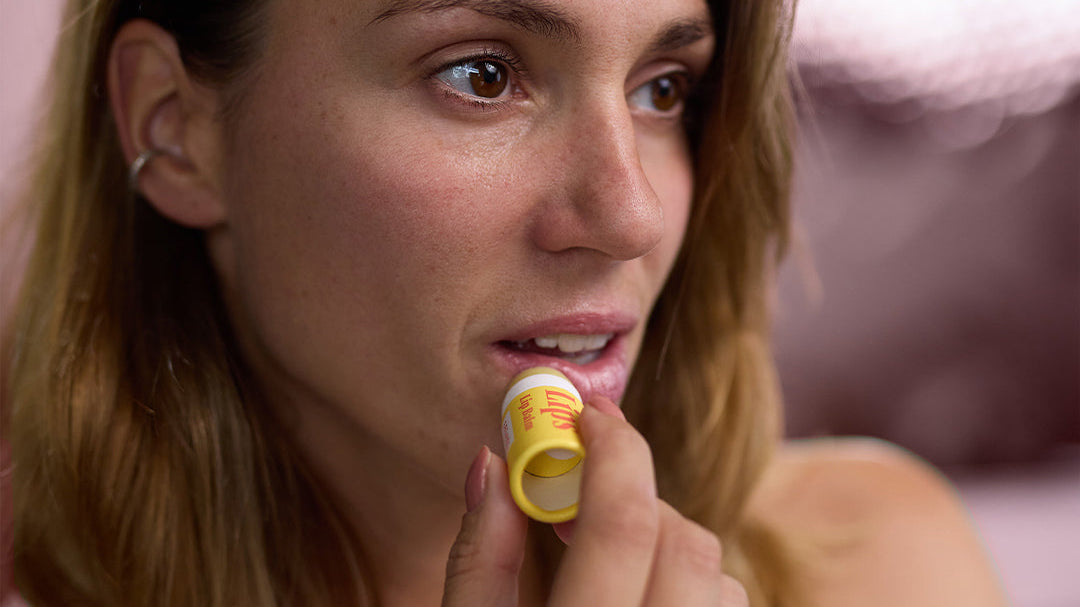
Face and lips through winter: a routine for every day
Cold air outside, dry heated air inside: a short routine for face and lips in the morning, on the go and in the evening, plus the mistakes that happen most often in winter.
