





Profile
Shea butter is the heart of our care for dry skin.
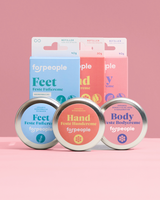
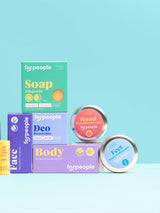
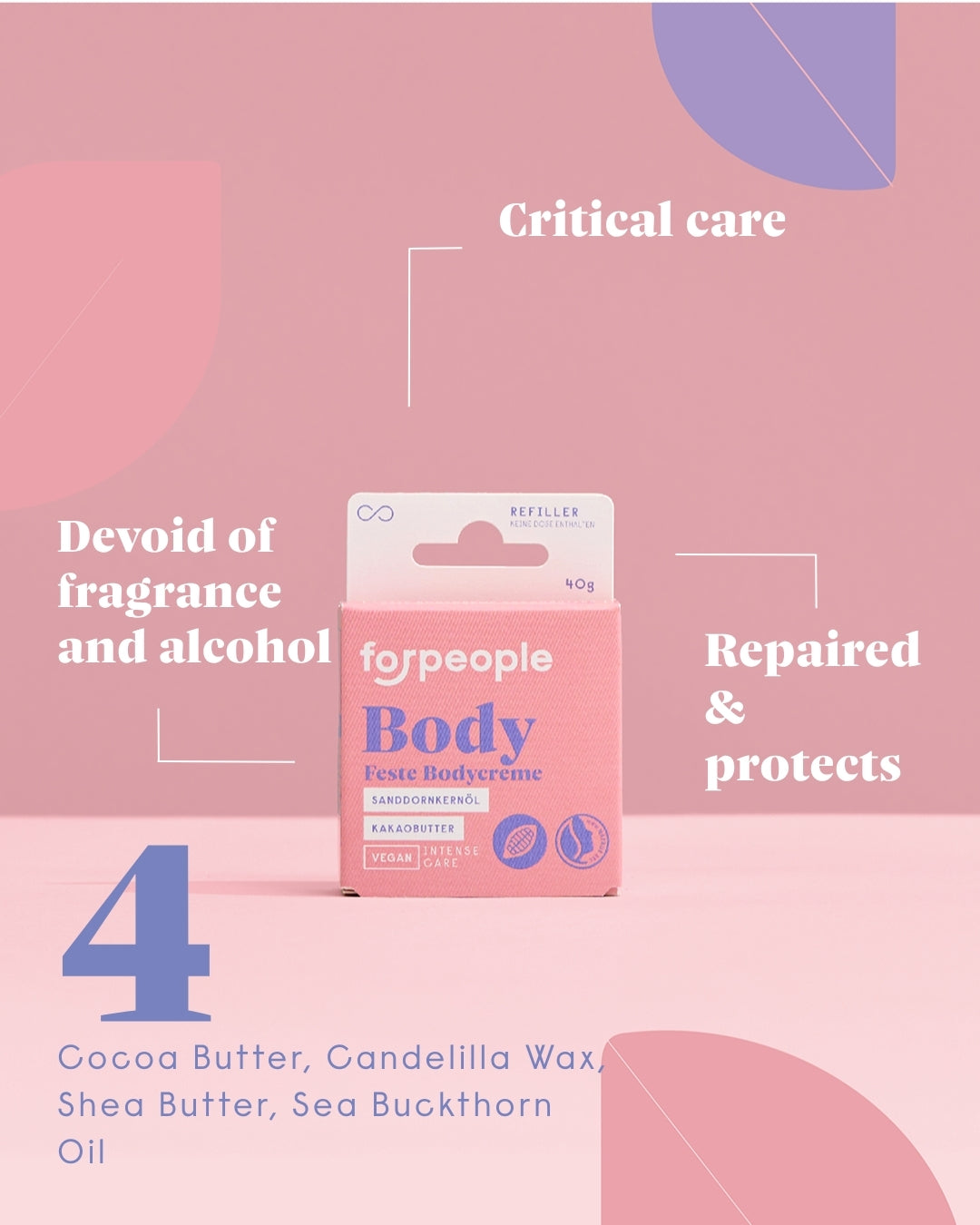
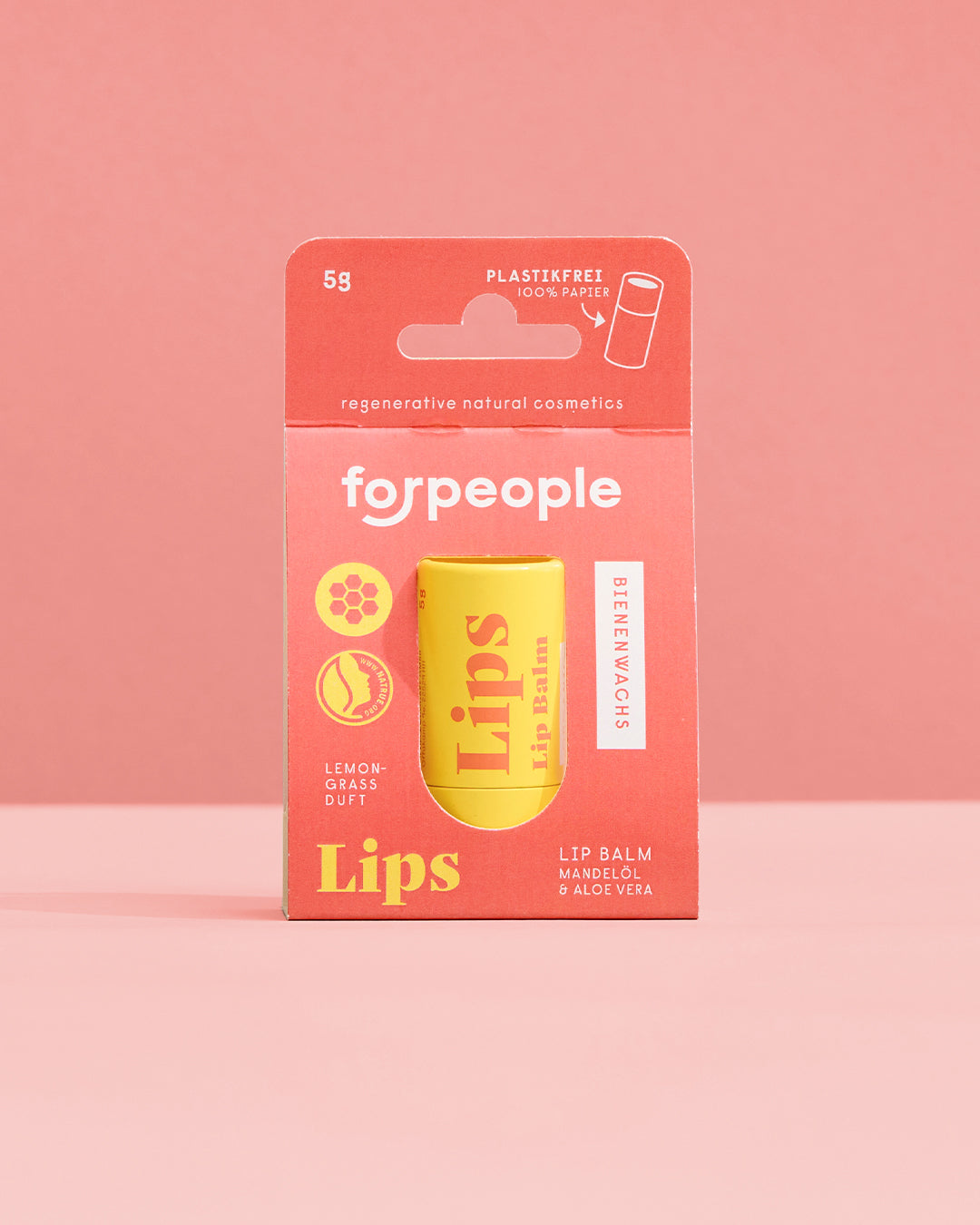
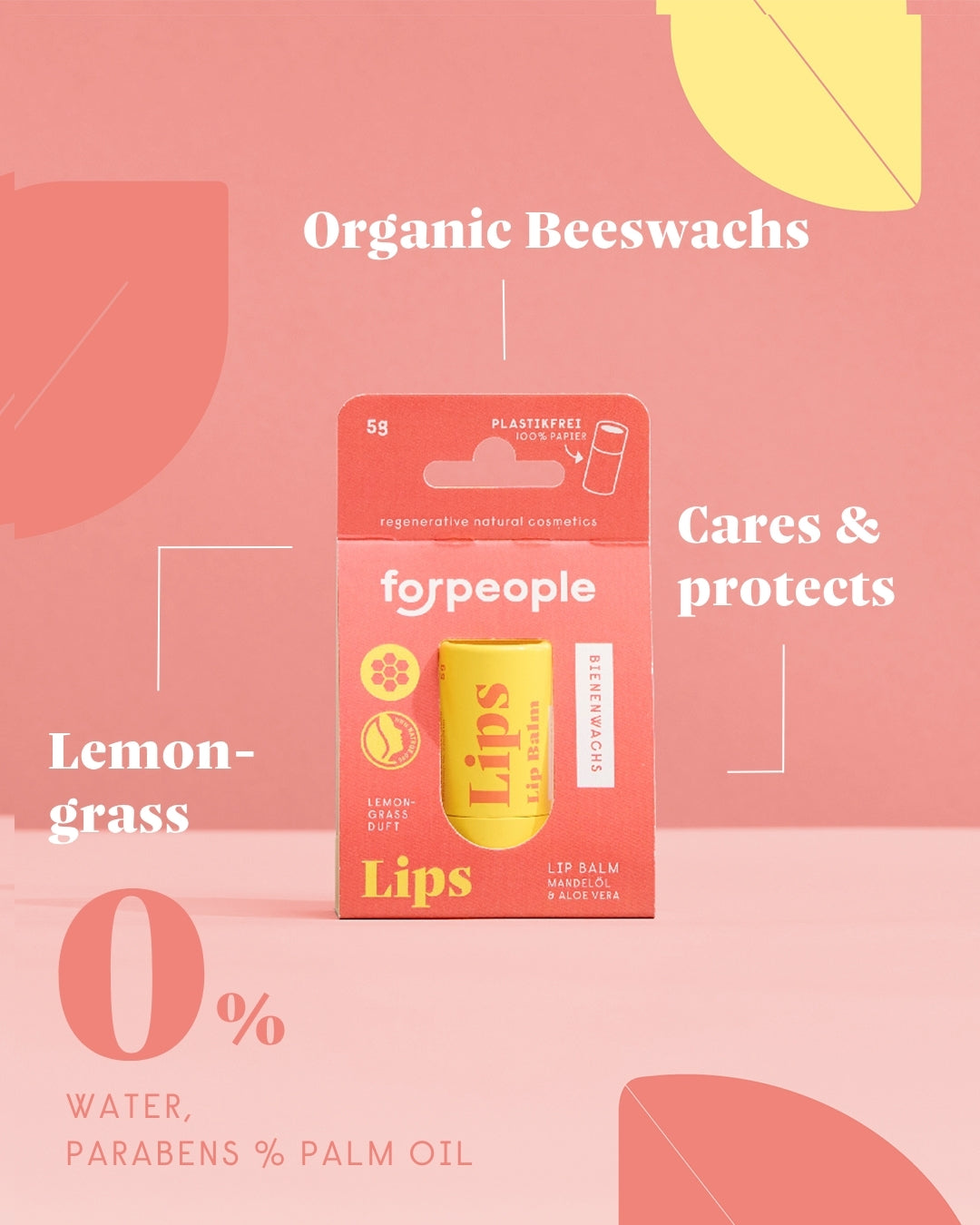
Shea butter sinks in without feeling heavy, rebuilds the skin barrier and makes even very stressed skin noticeably softer. We use it in our Lemongrass Lip Care and our Solid Body Butter – always in certified organic quality.
Rich care butter from West Africa
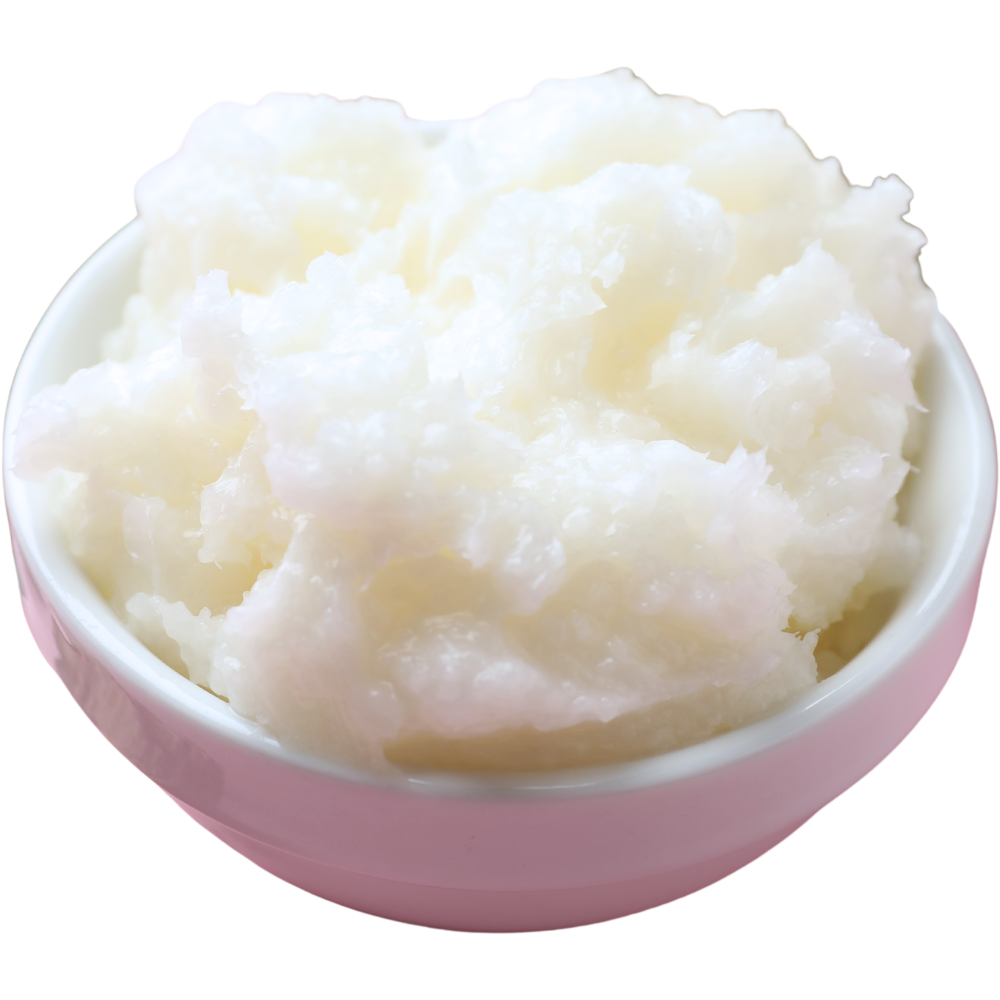
Shea butter is pressed from the nuts of the shea tree (Vitellaria paradoxa). It has a solid, creamy texture, melts on skin contact and is rich in nourishing fatty acids, vitamin E and allantoin. That makes it one of the most versatile care butters in natural cosmetics.
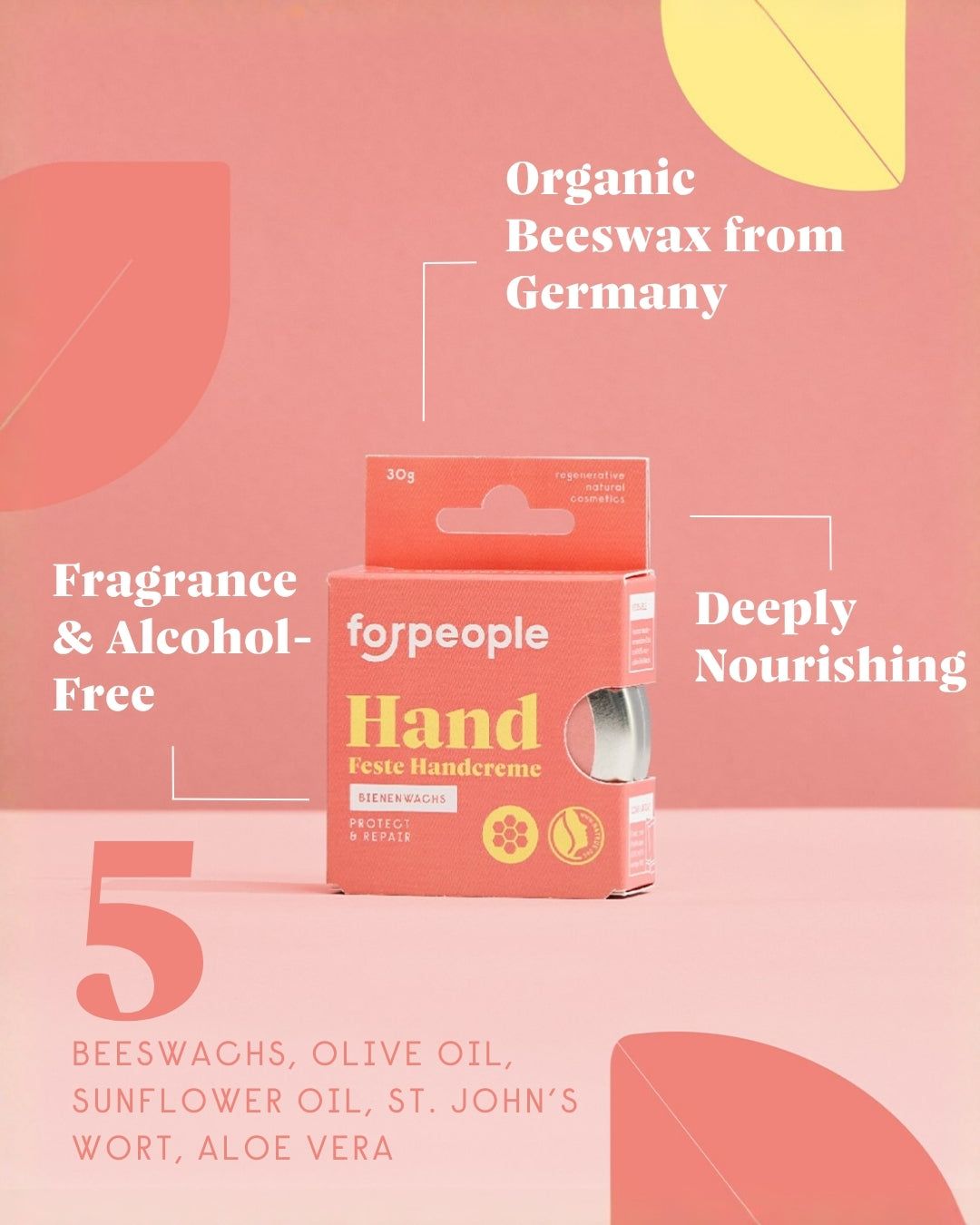
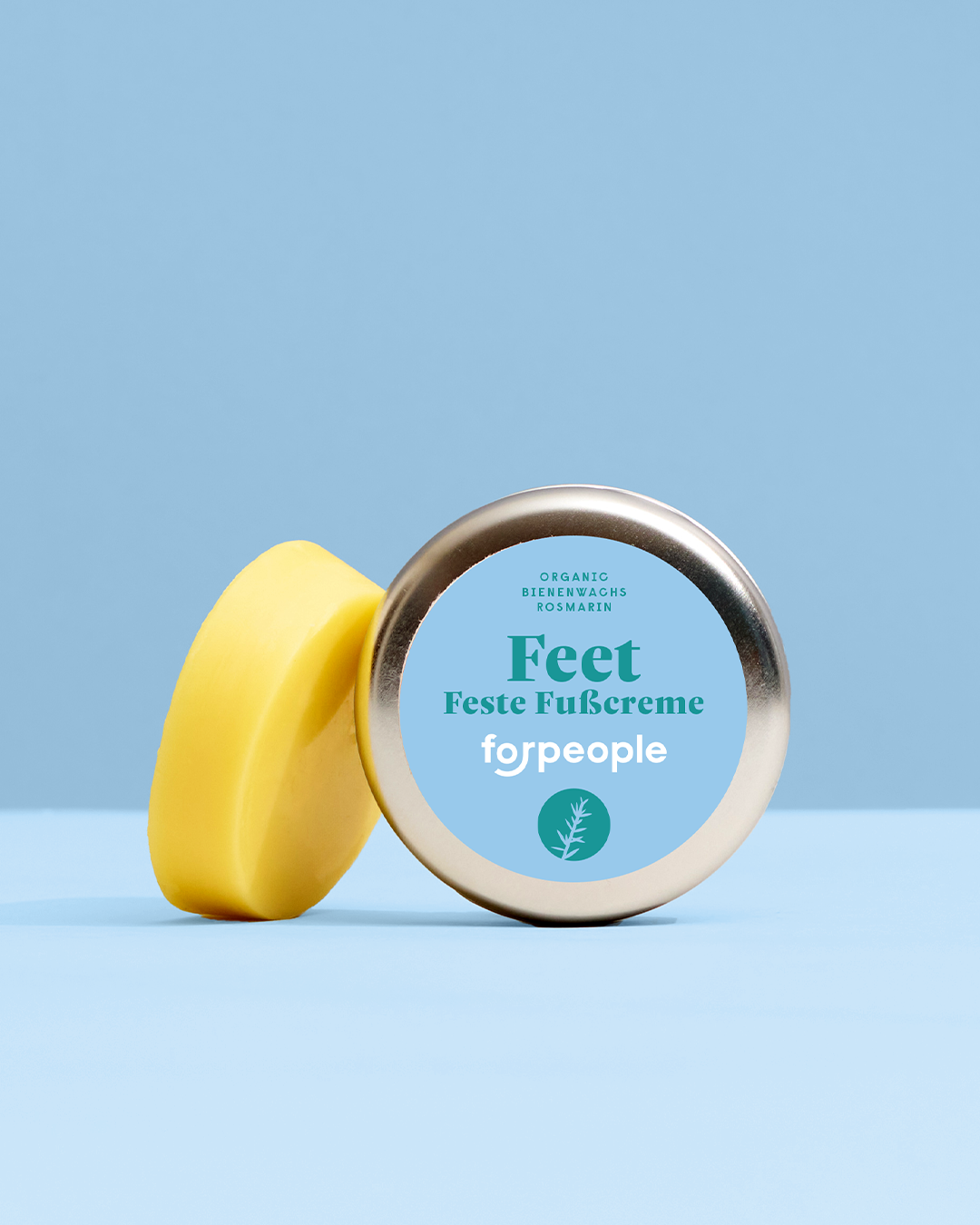
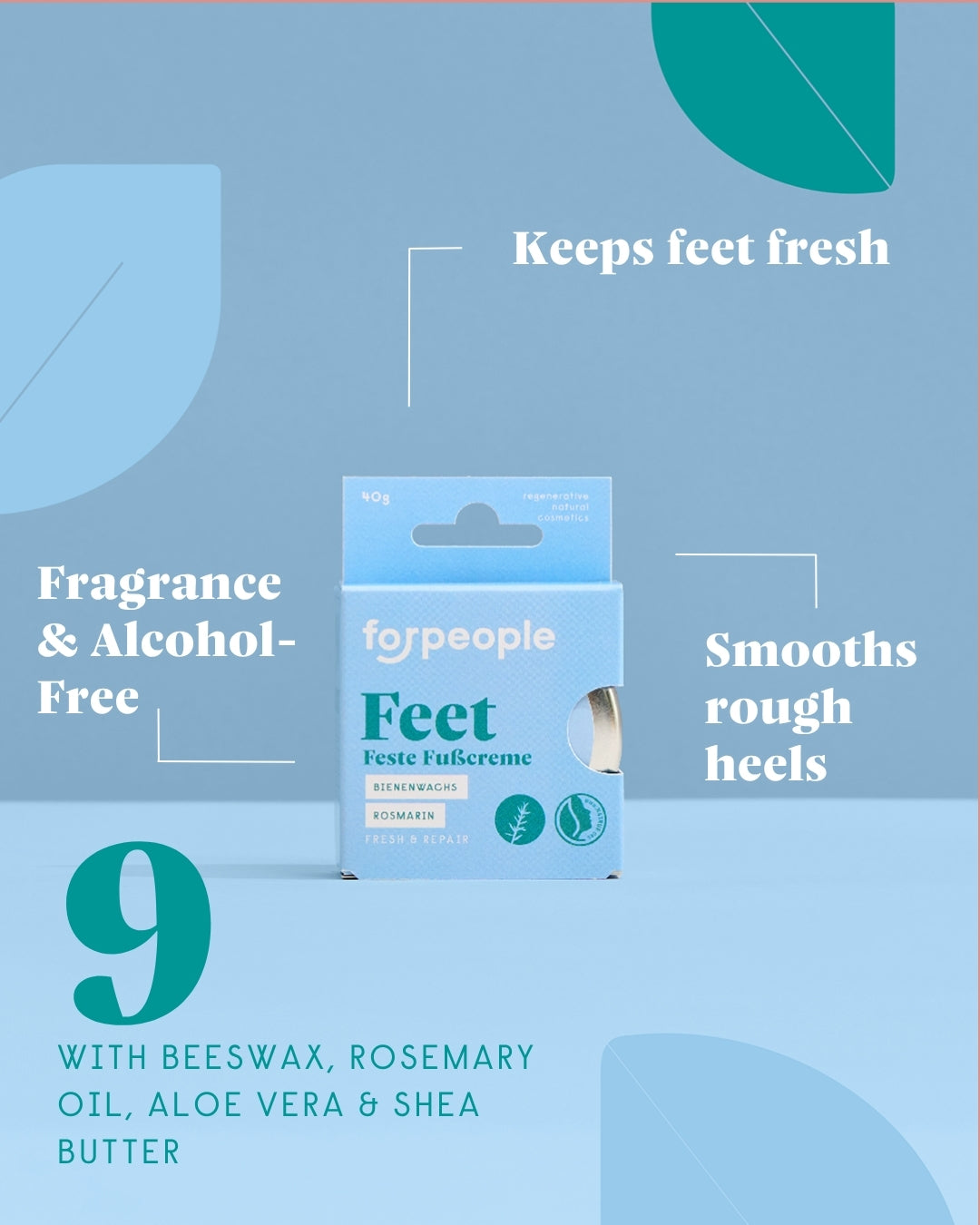
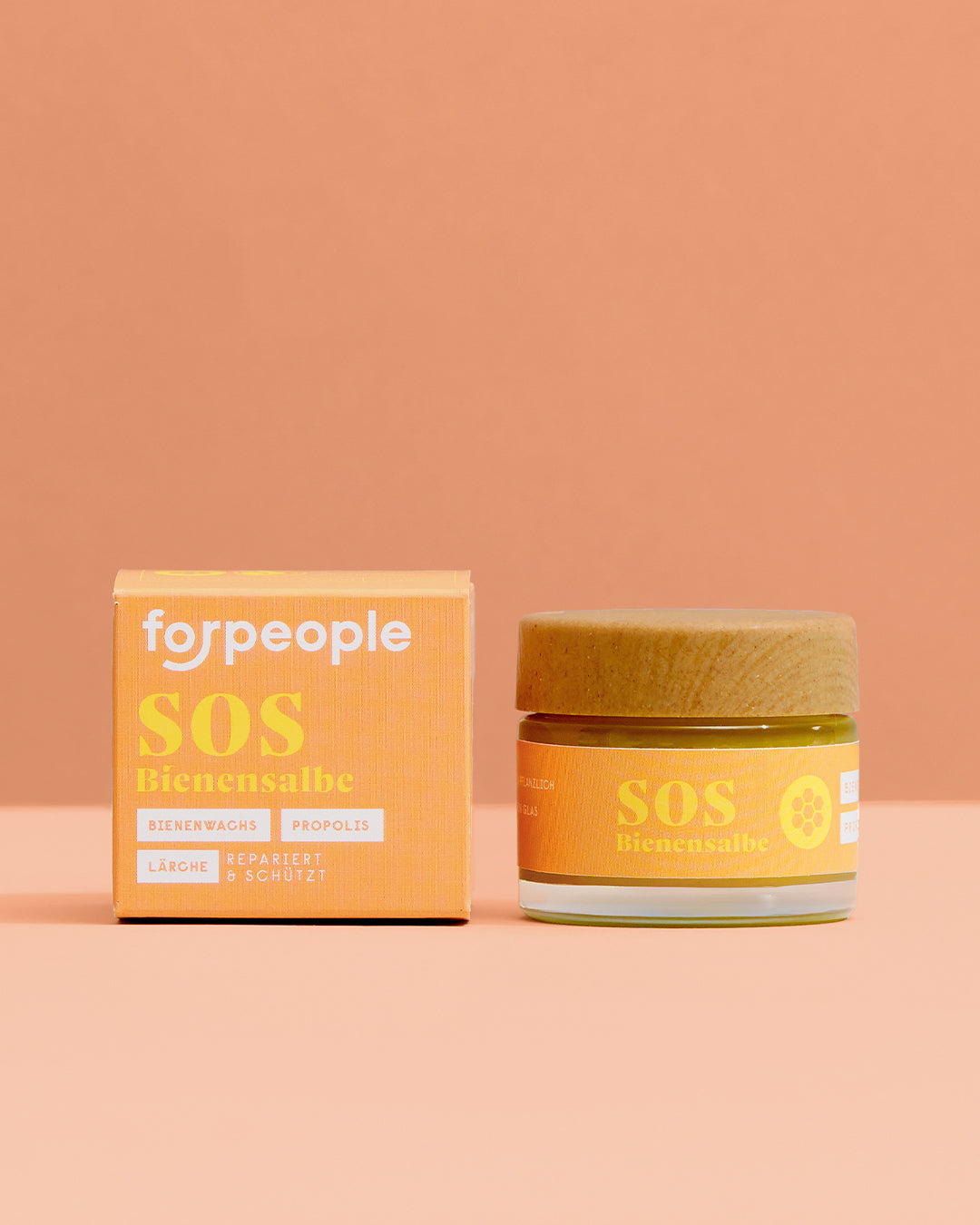
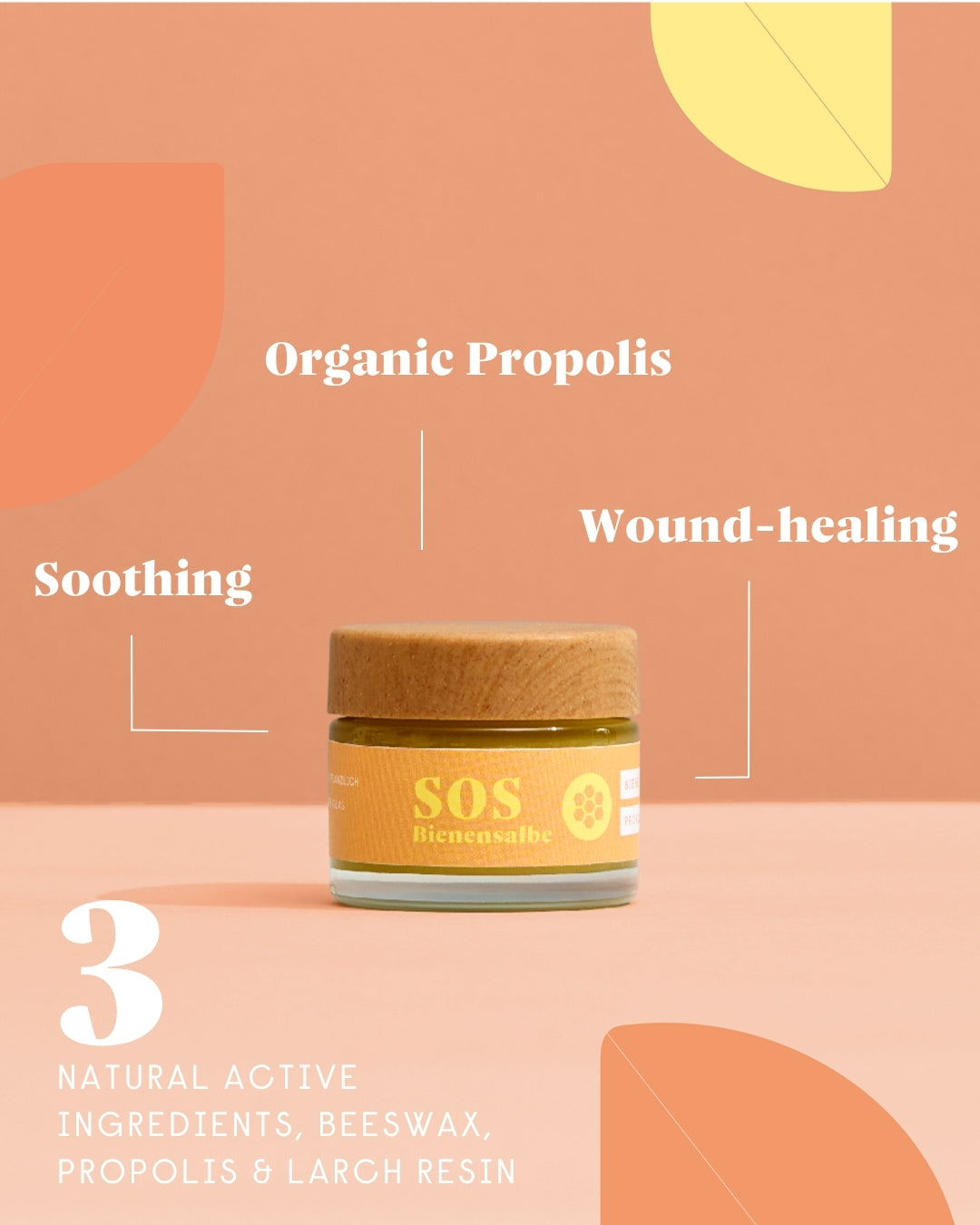
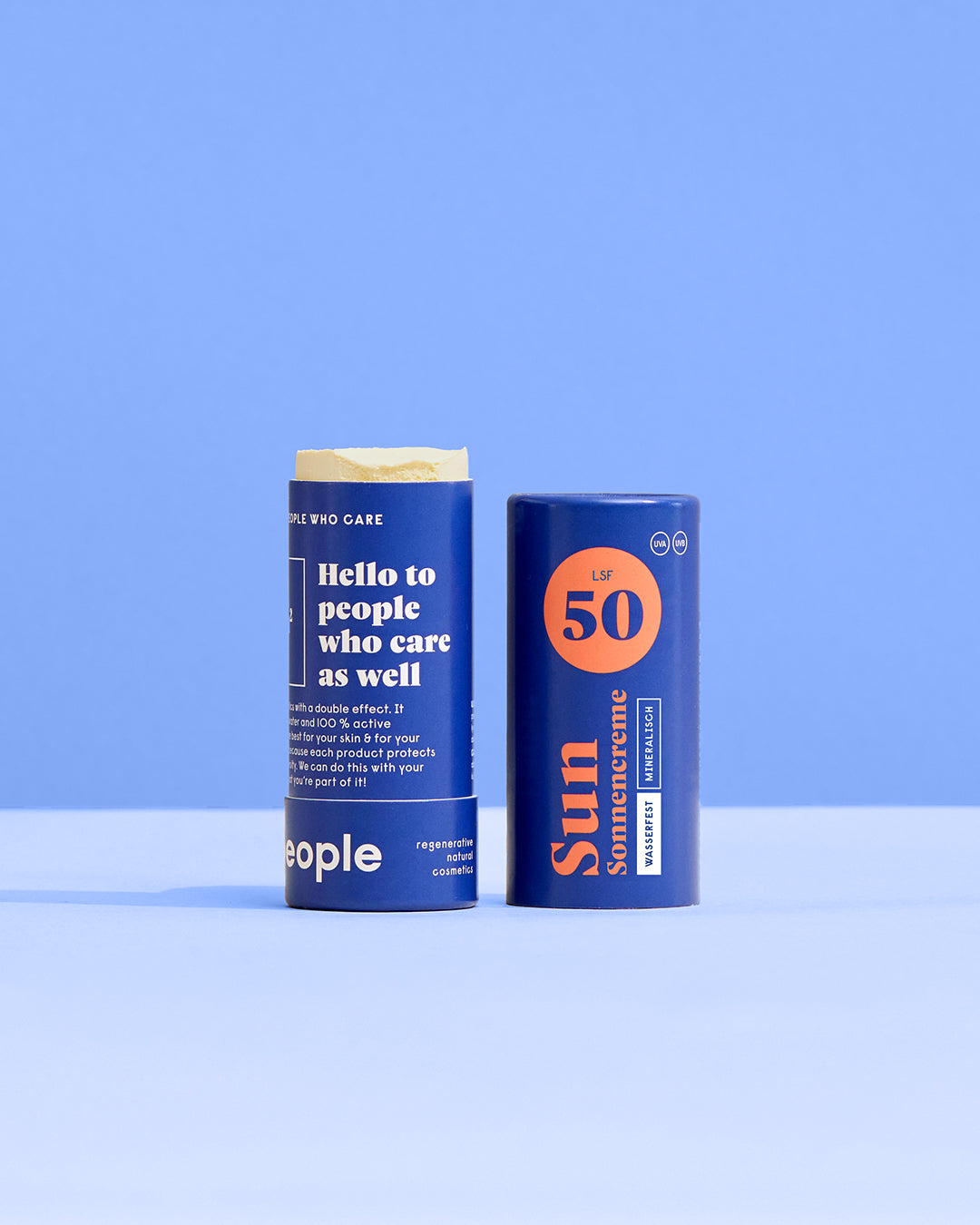
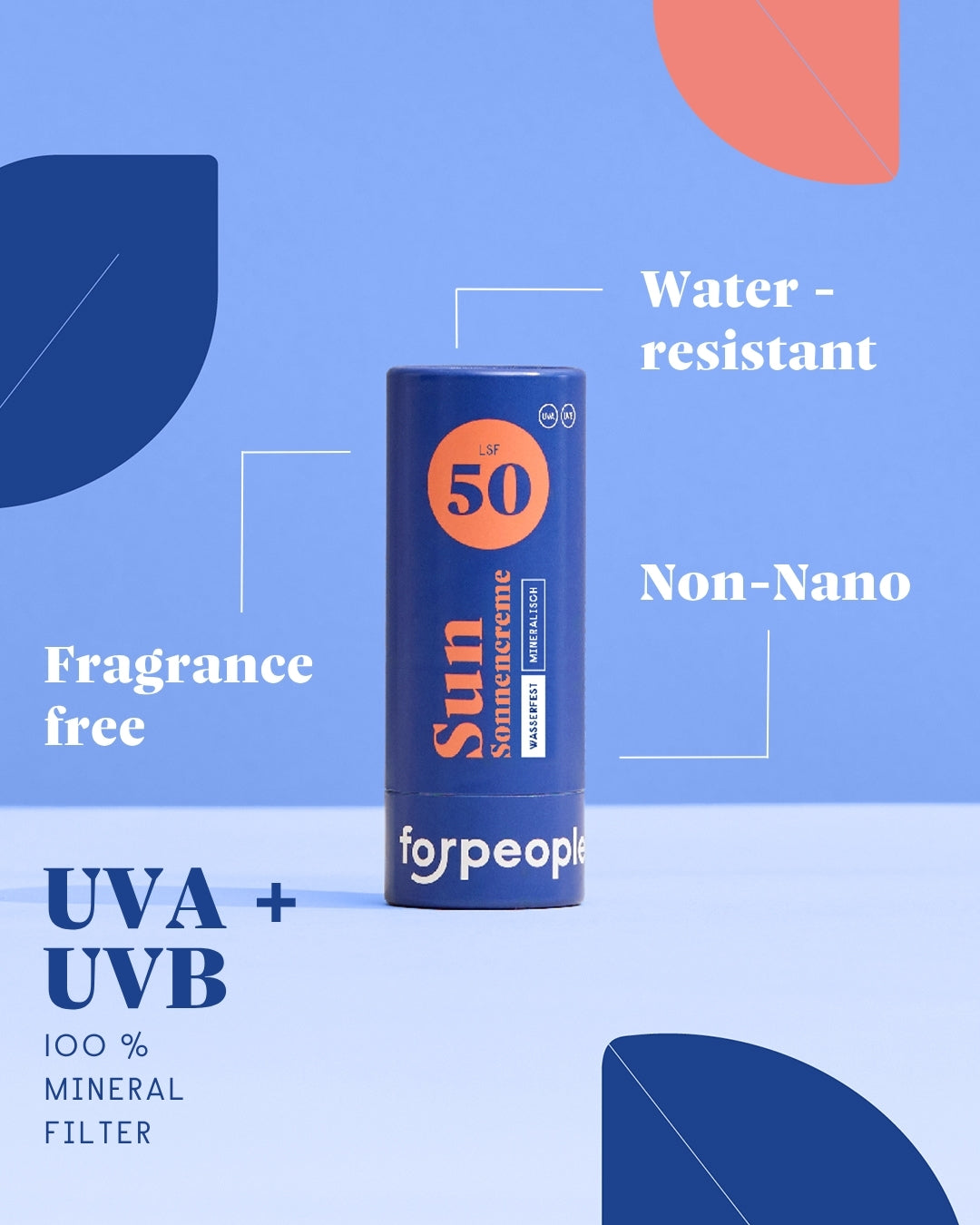
Shea butter is in our top sellers


Which skin type is shea butter right for?
Shea butter is non-comedogenic and especially gentle – but not equally ideal for every skin type.
How does shea butter work on the skin?
Three mechanisms that make shea butter a classic care ingredient.
Barrier repair
Stearic and oleic acid close lipid gaps in the skin barrier and reduce transepidermal water loss (TEWL).
Anti-inflammatory
Triterpenes such as lupeol, α-amyrin and cinnamates inhibit inflammation markers – proven for eczema, redness and irritation.
Antioxidant
Tocopherols (vitamin E) neutralise free radicals from UV radiation and environmental stress – protects the skin structure.
What can you use shea butter for?
As night care or a booster for dry skin
Pure or in sticks for chapped lips
Rich care for stressed hands
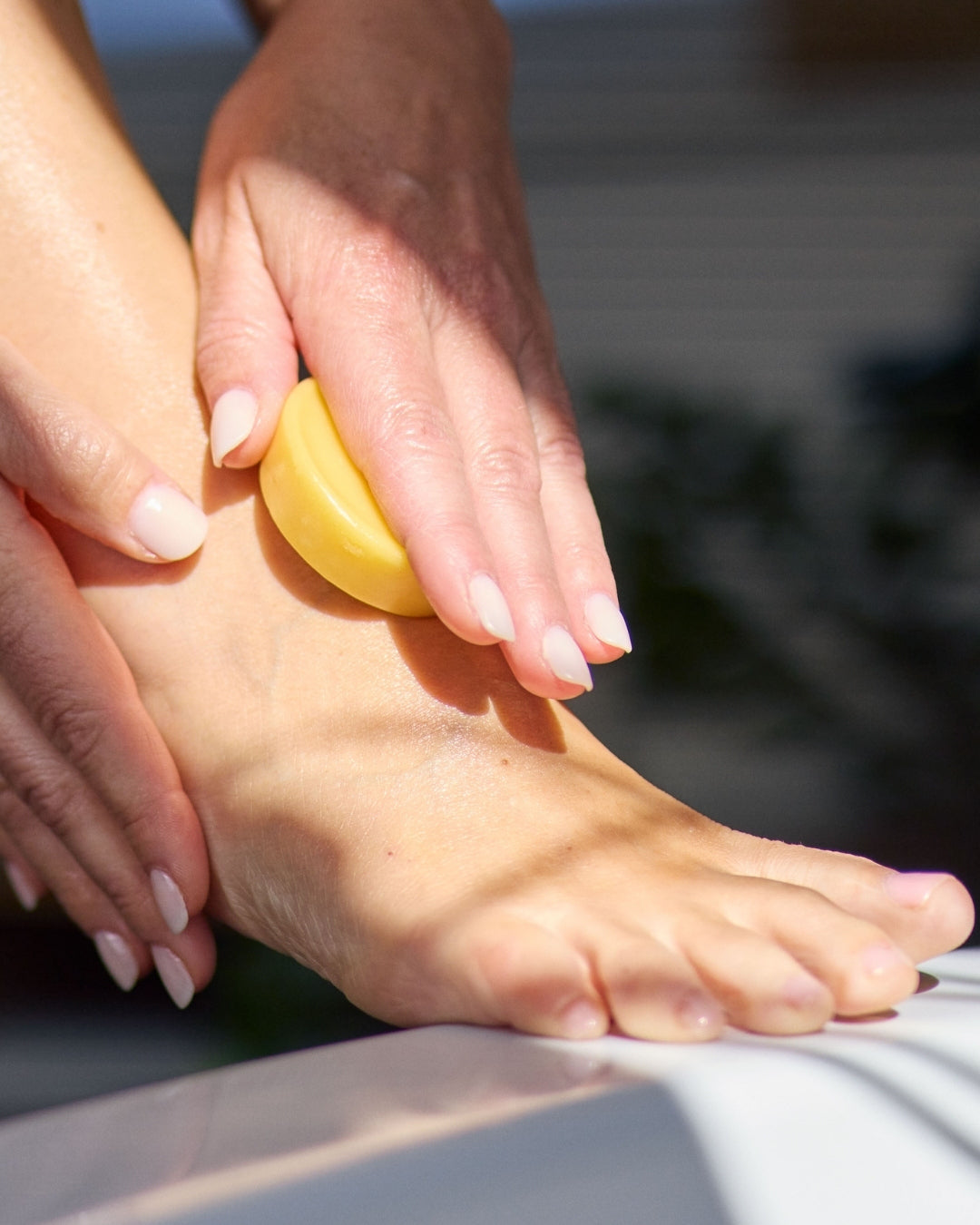
For cracked heels and hard calluses
Gentle care for nappy rash
Helps prevent stretch marks
Smooths dry, frizzy ends
Calms after sunbathing
Shea butter pairs especially well with …
These actives complement shea butter perfectly in daily care.
Makes the texture creamier and improves tolerance for sensitive skin.
Learn moreIts calming effect is amplified – ideal in after-sun products.
Learn moreStabilises the texture of balms and sticks.
Learn moreRegenerative effect with vitamin A.
Learn moreWhat do studies say?
„Shea butter has been shown to reduce inflammation markers in atopic dermatitis."
„Triterpenes such as lupeol show anti-inflammatory properties comparable to hydrocortisone."
„Shea butter reduces TEWL by up to 35% after 14 days of use."
Glossary
Magazine
Sun allergy in children? Often the sunscreen is the problem – not the sun
Red patches, itching or little bumps after a day in the sun are quickly written off as a sun allergy. But in conversations with more than 30 customers we kept hearing something different: the skin ...
