









Profile
Potato starch is our secret recipe for aluminium-free deodorant.
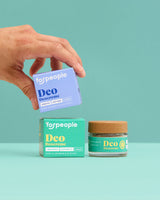
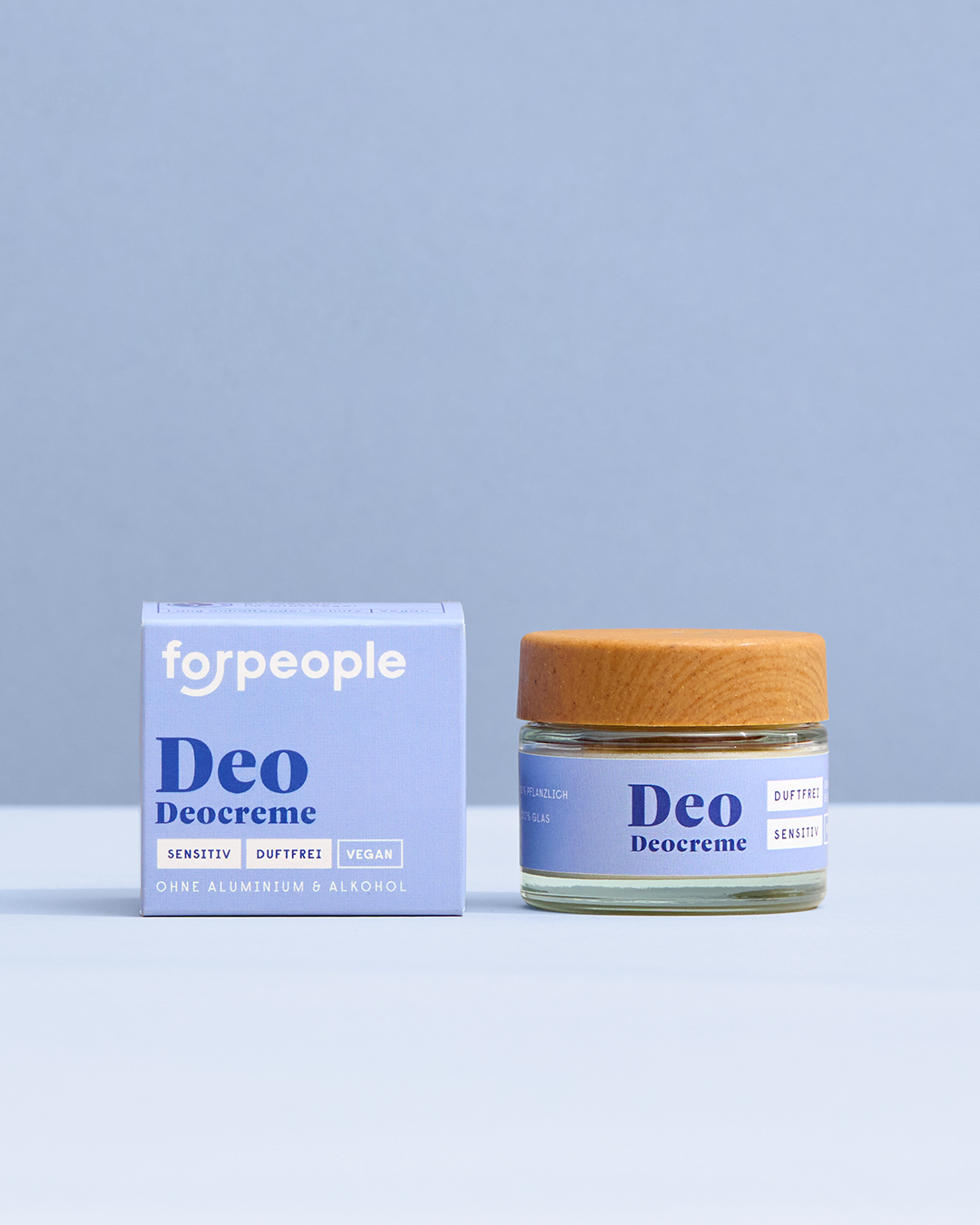
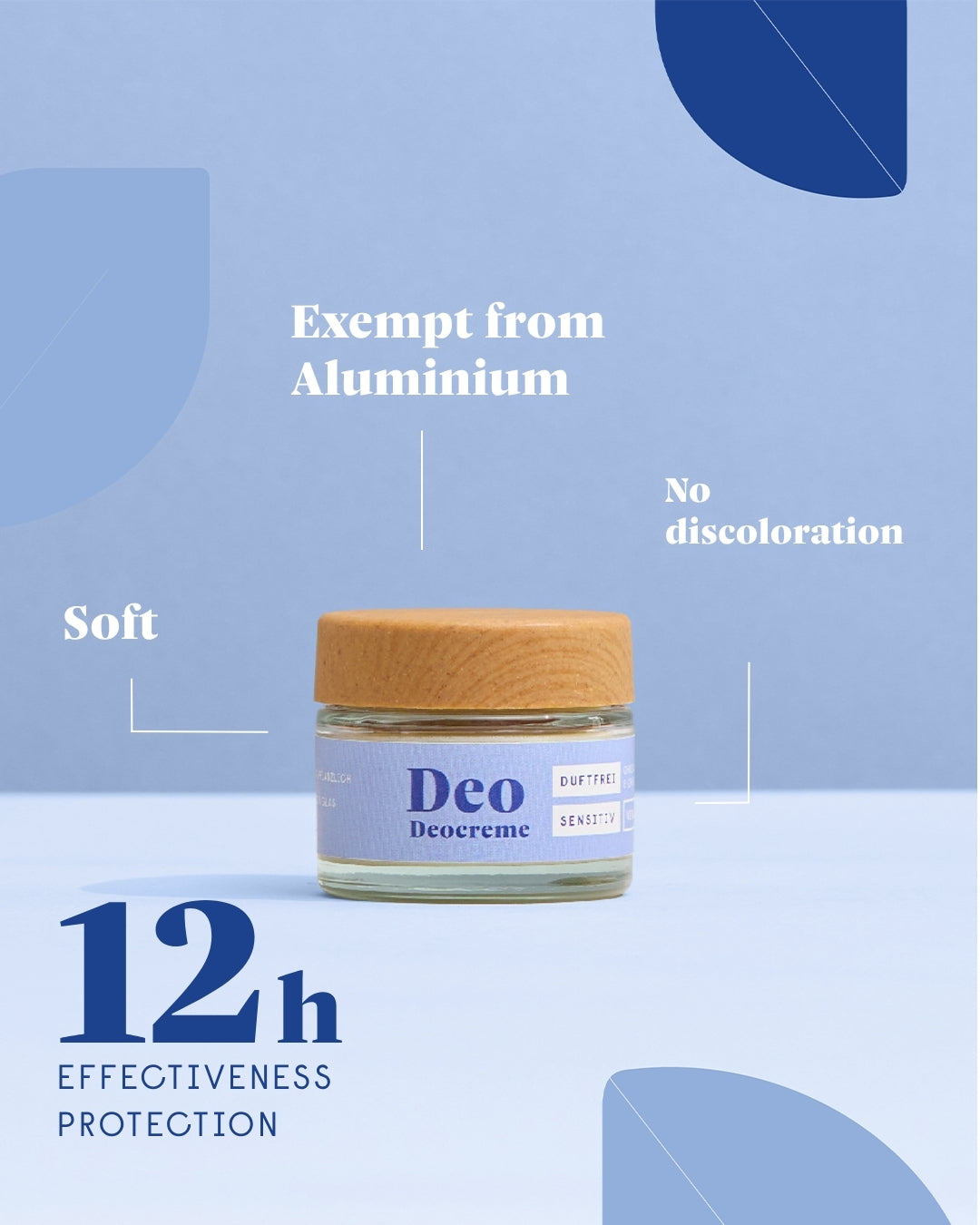
Conventional deodorants often contain aluminium salts that close up the sweat pores. We take a different approach: potato starch and corn starch naturally bind excess moisture. You'll find the combination in our Deocreme Sensitiv – gentle, effective, aluminium-free.
Natural powder from the potato
Potato starch is obtained by washing the starch granules out of the tuber. It has a high water-binding capacity and works in natural cosmetics as a gentle, skin-friendly moisture absorber – without the hormonally questionable aluminium salts of conventional deodorants.
Potato starch in our deodorant cream



Which skin types is potato starch suitable for?
Potato starch is tolerated by almost everyone – even on sensitive underarm skin.
How does potato starch work on the skin?
Three mechanisms that make potato starch a natural deodorant active.
Water binding
Starch granules soak up many times their own weight in moisture – with no chemical reaction.
Gentle – not pore-blocking
Unlike aluminium salts, potato starch doesn't block the sweat ducts.
Skin-friendly
A natural product, hypoallergenic – well tolerated even after shaving and on sensitive underarm skin.
What can you use potato starch for?
Binds underarm sweat without blocking pores
A classic for sore areas on babies
Keeps feet dry in sports shoes
Adds a matte feel to damp hands
Soothes damp areas of skin
Reduces friction in skin folds
Potato starch pairs especially well with …
The natural partners for aluminium-free deodorant concepts.
A starch duo – both soak up moisture and complement each other in texture.
Learn moreNeutralises odour while starch soaks up moisture. The perfect deodorant duo.
Learn moreMakes the powder spreadable like a cream.
Learn moreSoothes after shaving, with a gentle scent.
Learn moreWhat do studies say?
„Potato starch shows moisture absorption comparable to talc, with better skin tolerability."
„Starch-based deodorants are tolerated better than aluminium-salt antiperspirants."
„Potato starch is safe and effective for sore areas and baby care."
Glossary
Magazine
Sun allergy in children? Often the sunscreen is the problem – not the sun
Red patches, itching or little bumps after a day in the sun are quickly written off as a sun allergy. But in conversations with more than 30 customers we kept hearing something different: the skin ...
