





Profile
Carnauba wax is the vegan hardness specialist.
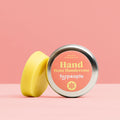
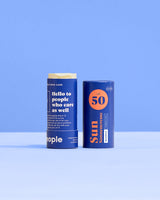
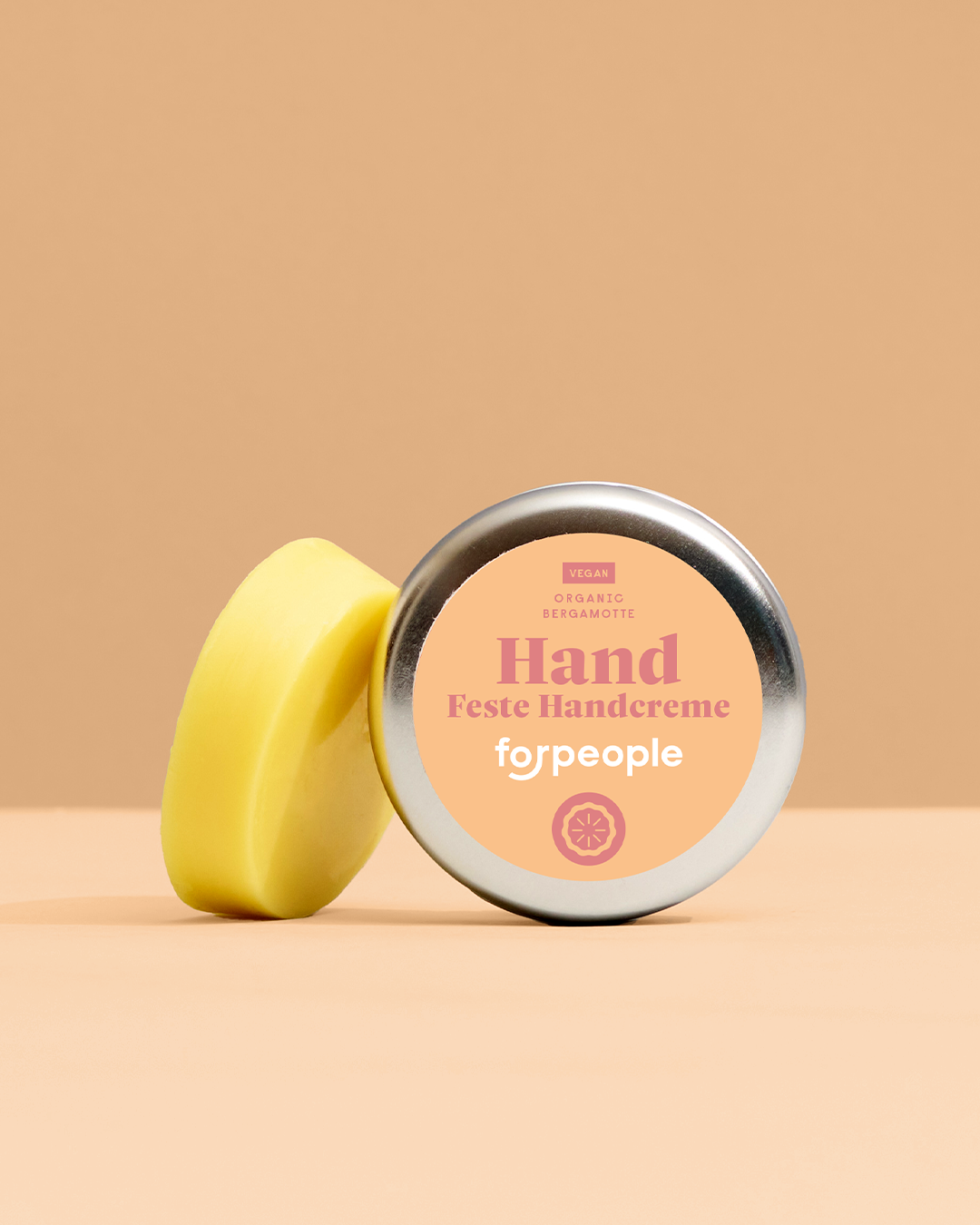
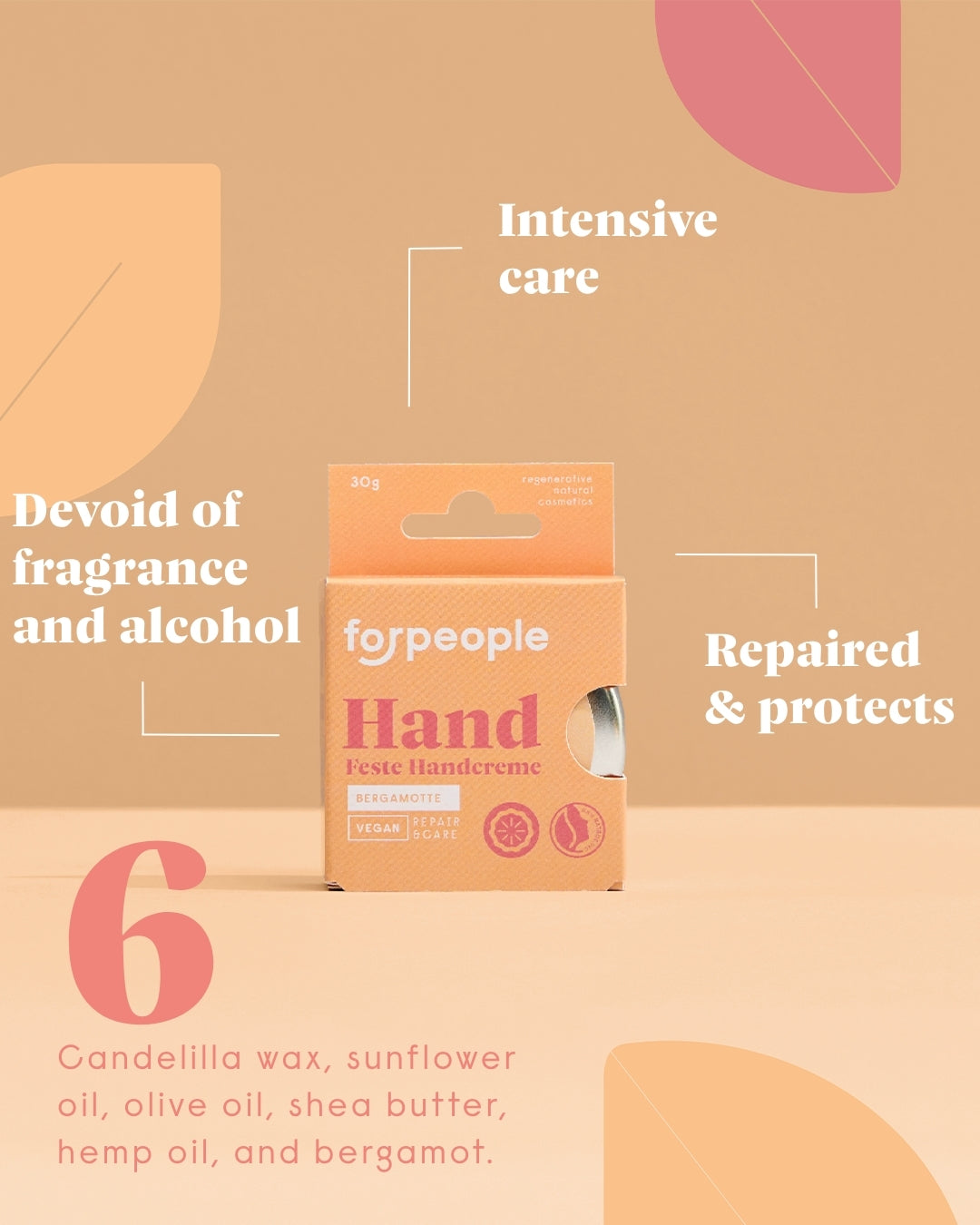
When we want a solid skincare product to be truly stable – even on summer travels – carnauba wax comes into play. It’s the hardest plant wax there is. Combined with shea butter and almond oil, it makes the perfect texture for our vegan hand cream and solid sunscreens.
Palm wax from northern Brazil
Carnauba wax is produced by the carnauba palm (Copernicia prunifera) – as a natural evaporation barrier on its leaves. With a melting point of 78–88 °C it’s the hardest natural wax there is, and it has been used for centuries in furniture polish, candies and cosmetics.
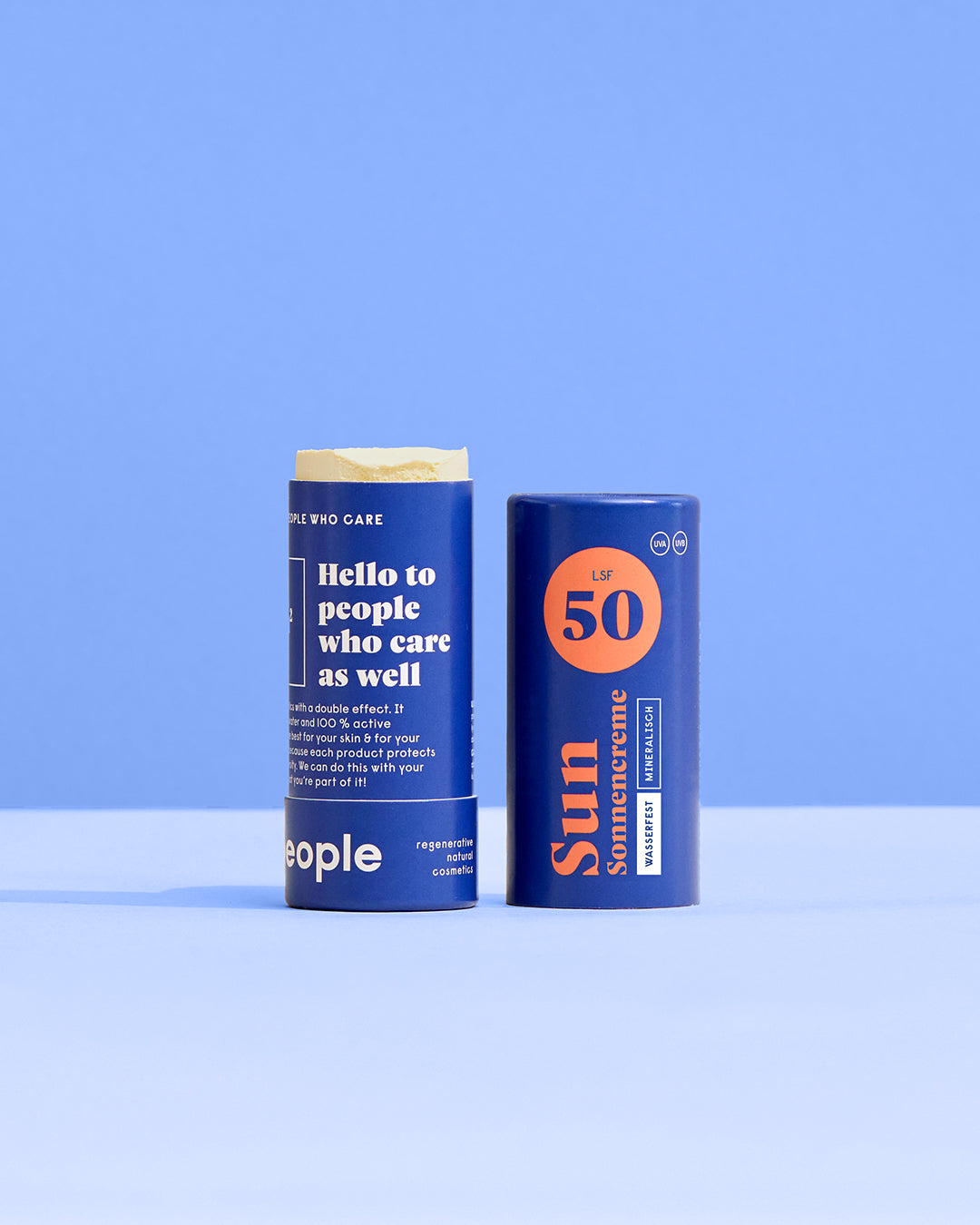
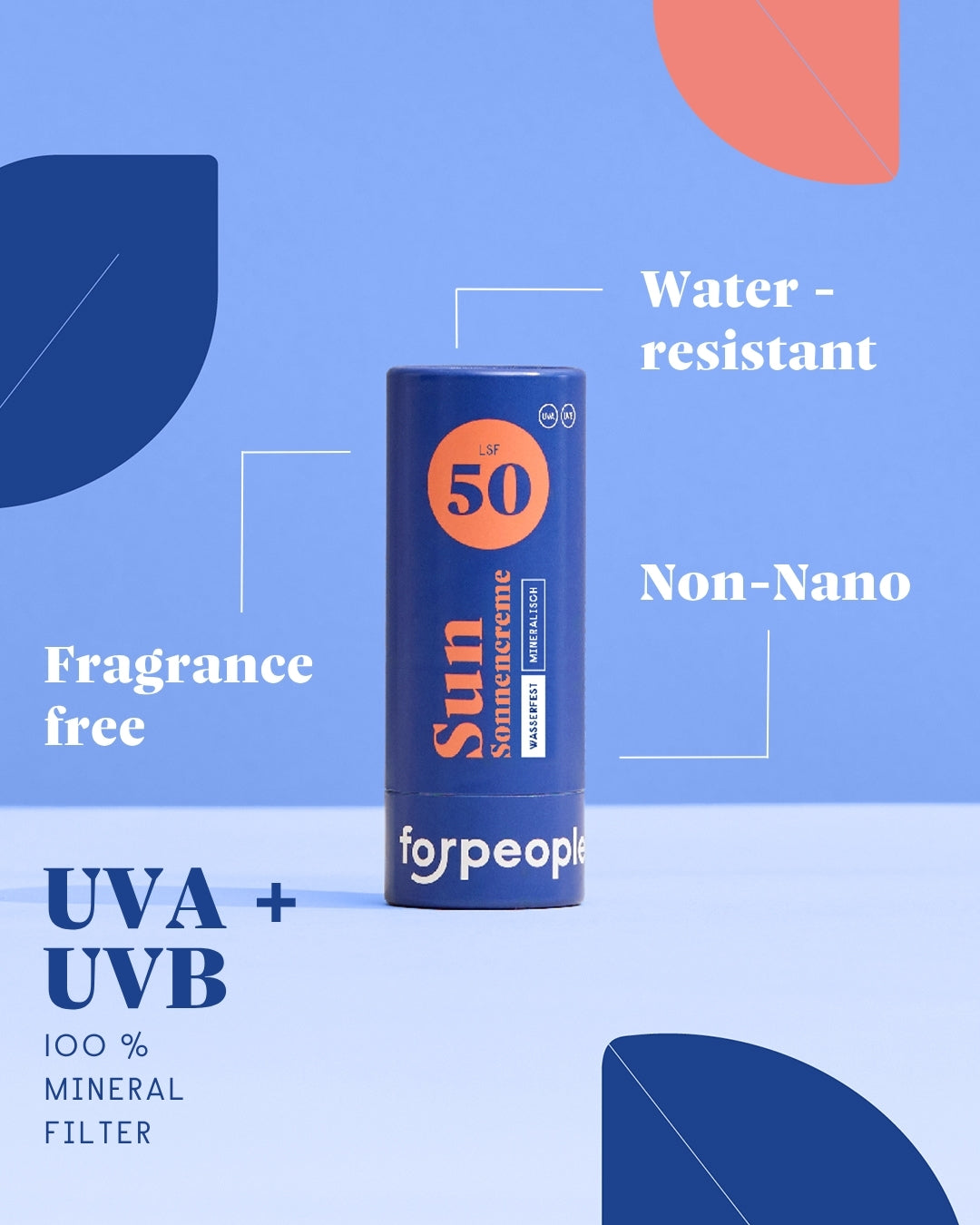
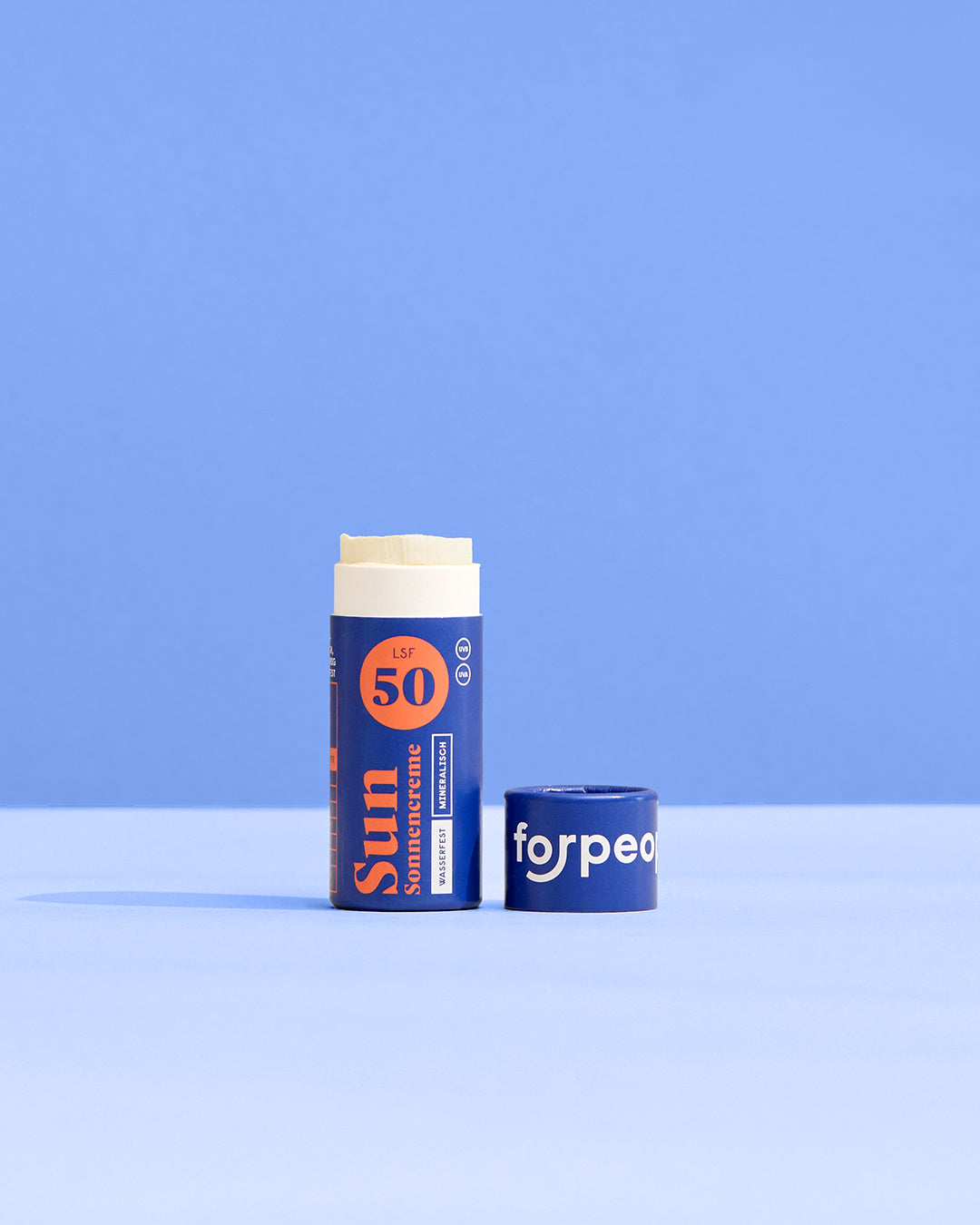
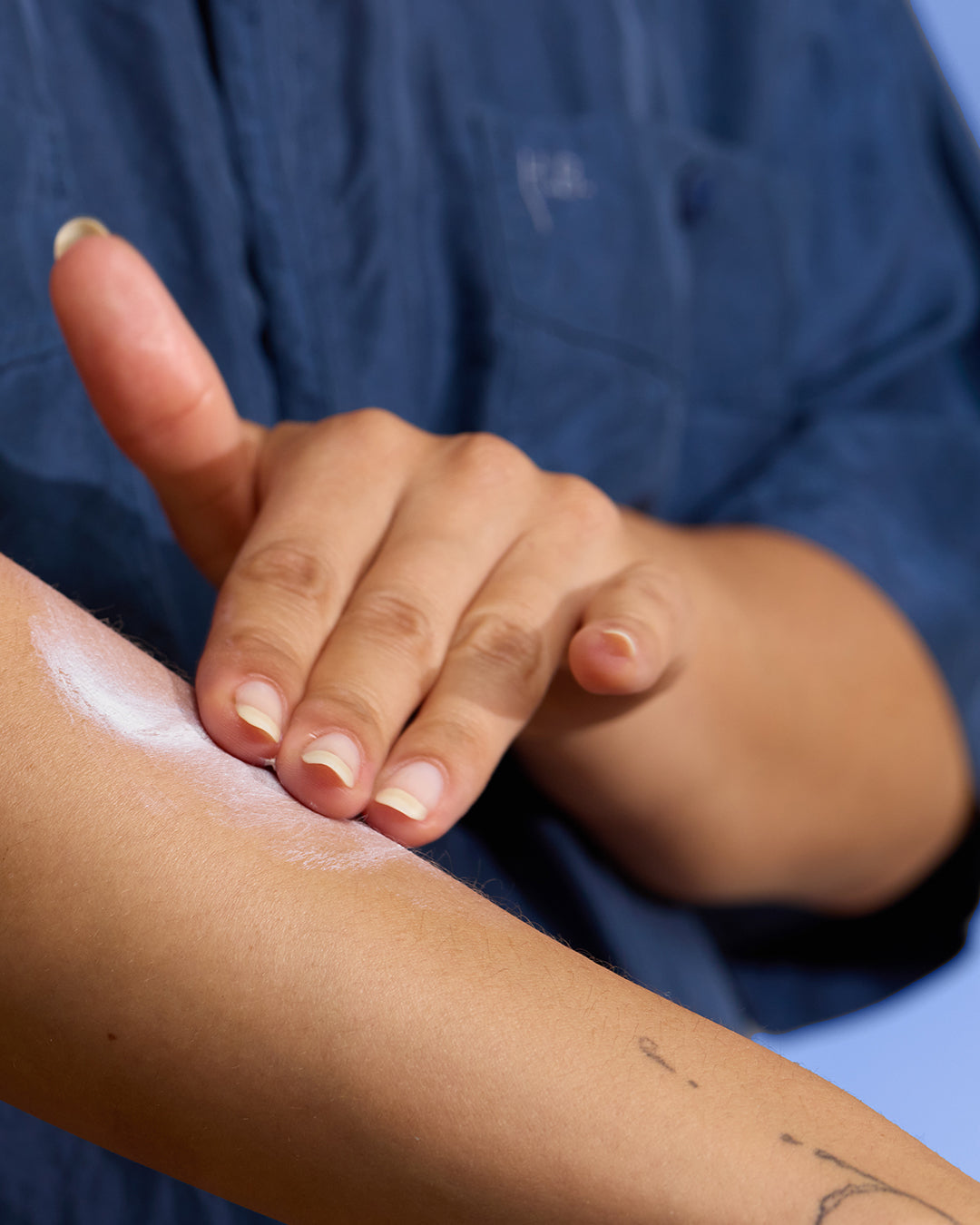
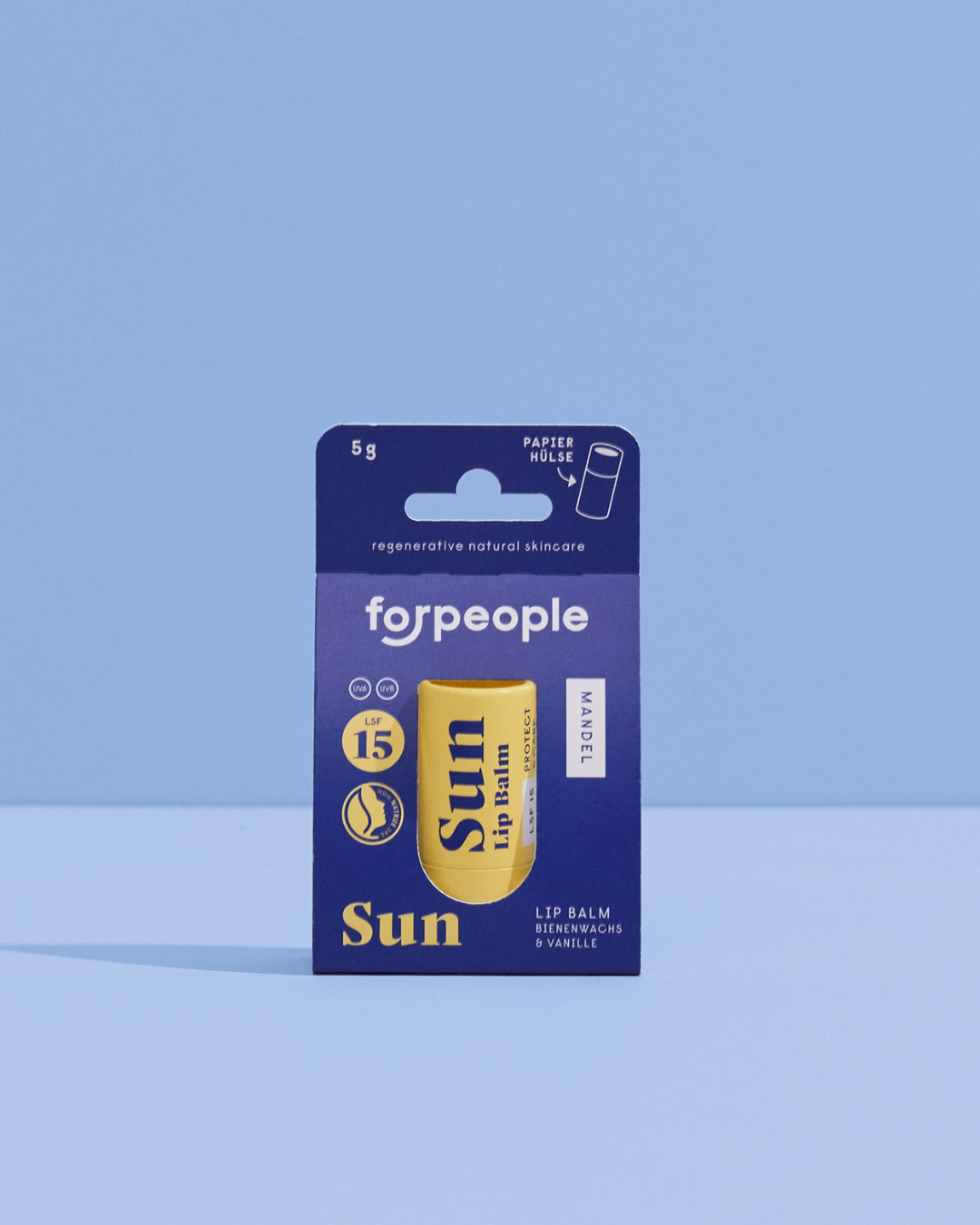
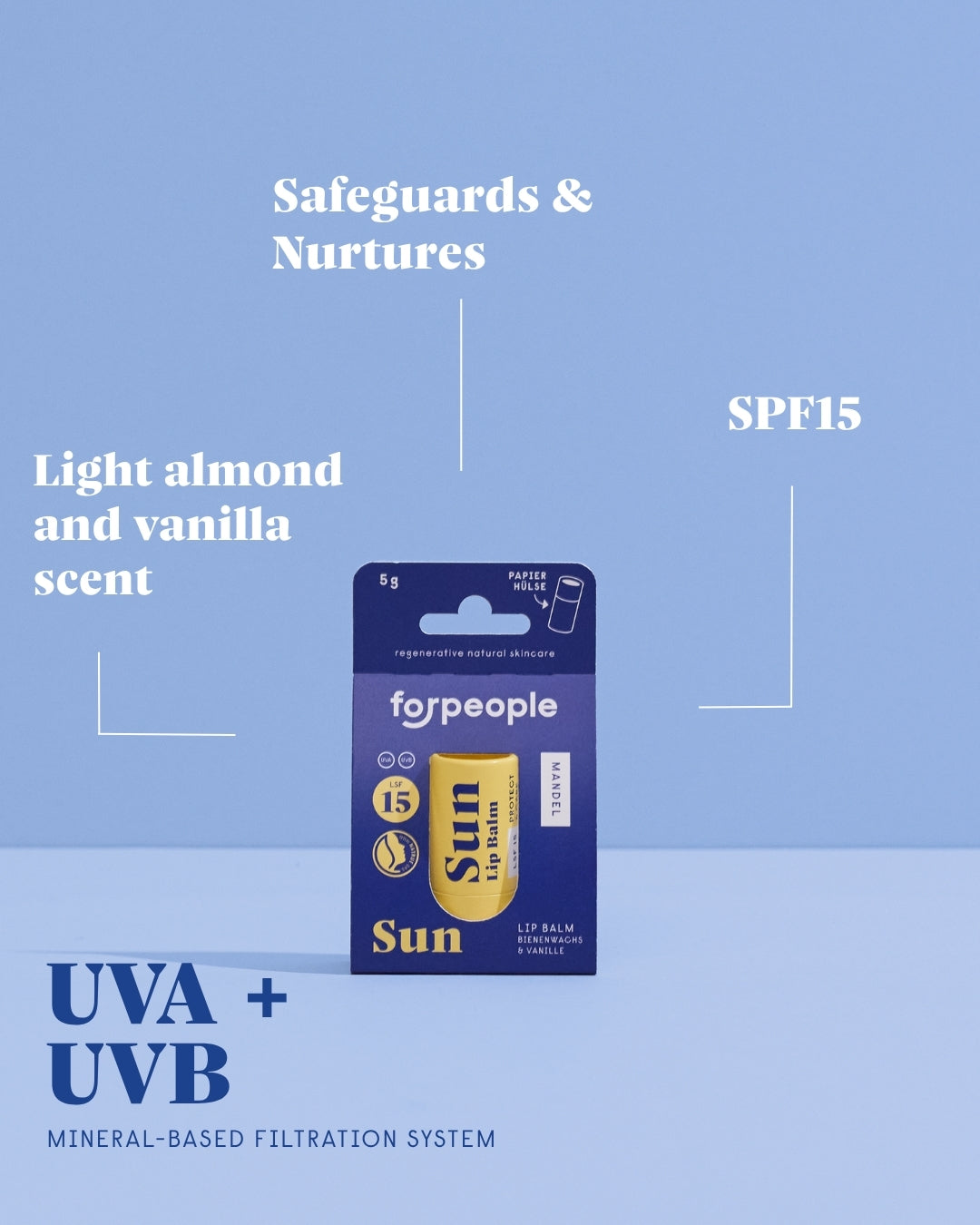
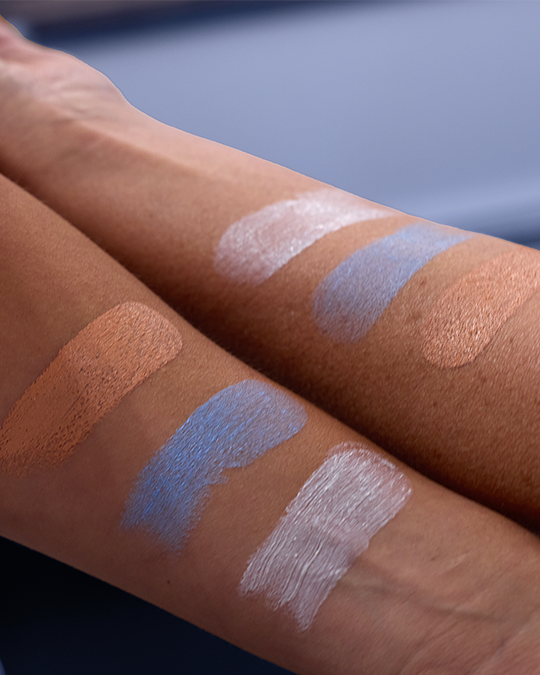
Carnauba wax in our solid sunscreens
Which skin is carnauba wax suited for?
Carnauba wax is hypoallergenic and well tolerated by almost any skin.
How does carnauba wax work on the skin?
Three mechanisms that make carnauba wax the hardness champion.
Maximum texture stability
A high melting point keeps solid products stable even in the heat.
Breathable protective film
Forms a thin, permeable film – protects without occluding.
Smoothing effect
Smooths the skin and adds a silky shine – in lipsticks too.
What can you use carnauba wax for?
Gives lip care products stability and shine
Keeps its shape at summer temperatures
Water-resistant texture, stays on the skin
Stability even in warm climates
Climbing, surfing, hiking – stays solid and protects
Top stability for rich active creams
Carnauba wax pairs especially well with …
The ideal partners for vegan solid care.
Creamy care base – shea butter softens, carnauba firms up.
Learn morePlant-wax duo – candelilla softer, carnauba harder, a perfect blend.
Learn moreMild carrier oil that balances the hardness of the wax.
Learn moreKeeps the mineral UV filter stable in solid sunscreen.
Learn moreWhat does the research say?
„Carnauba wax has the highest melting point of all the natural waxes studied."
„Carnauba in solid sunscreens significantly improves water resistance."
„Carnauba forms a permeable protective film without an occlusive burden."
Glossary
Magazine
Sun allergy in children? Often the sunscreen is the problem – not the sun
Red patches, itching or little bumps after a day in the sun are quickly written off as a sun allergy. But in conversations with more than 30 customers we kept hearing something different: the skin ...
